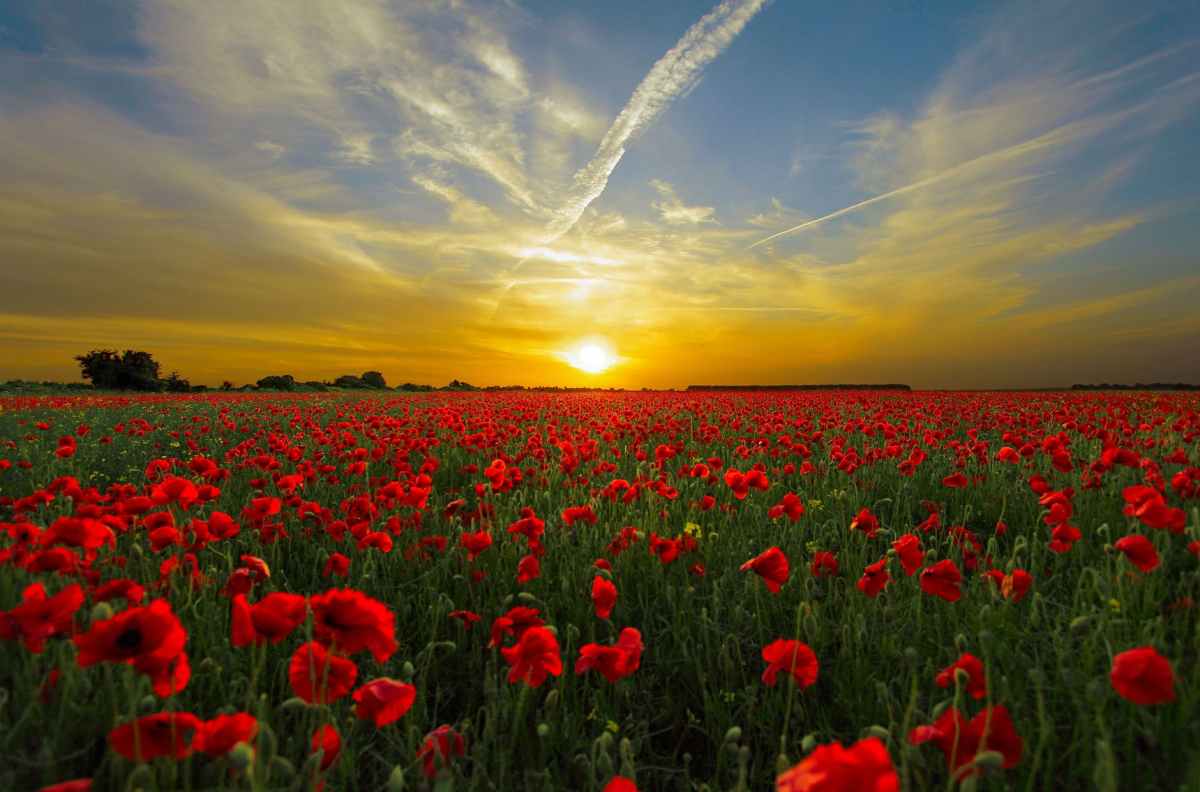
poppies- from Flanders fields to Kansas City

In the battlefields of Belgium during World War I, poppies grew wild amid the ravages of war. The overturned soils of battle covered  the poppy seeds to,  allowing them to grow and forever serve as a reminder of the bloodshed of war.

Out of this conflict came a poem, from which also came the association with poppies .

View post to subscribe to site newsletter.

When I posted this in a physician bloggers group, I learned about the World War I Museum and Memorial in Kansas City from Dr. Kristen Kasper Stuppy. I haven’t visited it yet, but I was pleased to learn from their website that they have an exhibit featuring poppies.

“though poppies grow in Flanders fields”

In the United States,  the last Monday in May is Memorial Day, but it’s now become a  “holiday” weekend. The Friday of Memorial Day weekend is now observed as  National Poppy Day

In the early 1920s the American Legion Auxiliary adopted the poppy as the American Legion Family’s memorial flower. Still today it symbolizes the service and sacrifice of veterans of World War I and other military operations.

ALA members distribute millions of paper poppies annually across the country in exchange for donations that go directly to assist disabled and hospitalized veterans in our communities.
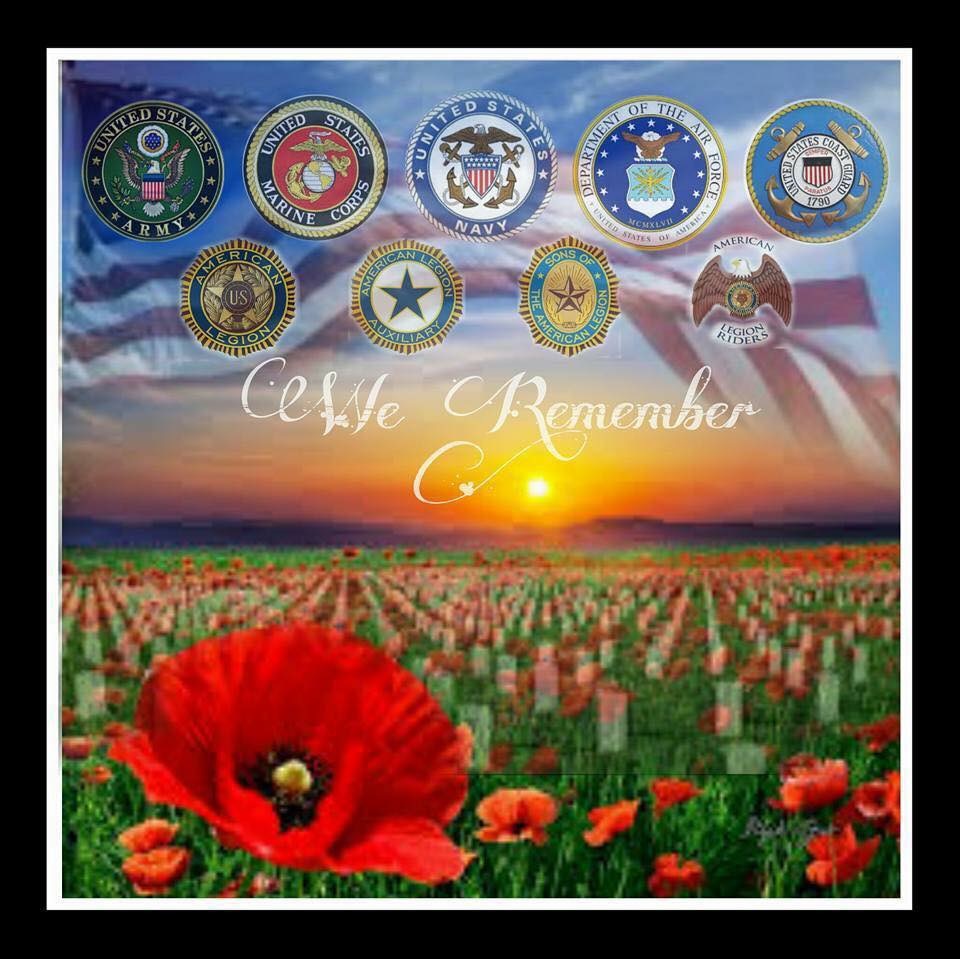
armed forces emblems over a field of poppies

Why poppies?

I love the story of the poppies because it has a medical connection.

In the battlefields of Belgium during World War I, poppies grew wild amid the ravages of war. The overturned soils of battle covered  the poppy seeds to,  allowing them to grow and forever serve as a reminder of the bloodshed of war.

Out of this conflict came a poem, from which also came the association with poppies .


The now famous poem, In Flanders Fields, was written by a Canadian physician, Lt. Col. John McCrae.

Originally from Canada, Dr.McCrae was an English and math teacher, as well as a poet, before he attended medical school. He moved to England and was practicing there when World War I broke out, and he was called to serve as a brigade-surgeon.

I suspect that as a physician, he was deeply  pained by  treating the wounded, and the loss of those he could not save.

“In April 1915, McCrae was stationed in the trenches near Ypres, Belgium, in an area known as Flanders, during the bloody Second Battle of Ypres.

In the midst of the tragic warfare, McCrae’s friend, twenty-two-year-old Lieutenant Alexis Helmer, was killed by artillery fire and buried in a makeshift grave.

The following day, McCrae, after seeing the field of makeshift graves blooming with wild poppies, wrote his famous poem “In Flanders Field,” which would be the second to last poem he would ever write.”

(from John McCrae at poets.org)

In Flanders Fields

Dr. John McCrae, 18721918

In Flanders fields the poppies blow
Between the crosses, row on row, 
That mark our place, and in the sky, 
The larks, still bravely singing, fly, 
Scarce heard amid the guns below. 

We are the dead; short days ago
We lived, felt dawn, saw sunset glow, 
Loved and were loved, and now we lie
In Flanders fields. 

Take up our quarrel with the foe! 
To you from failing hands we throw
The torch; be yours to hold it high! 
If ye break faith with us who die
We shall not sleep, though poppies grow
In Flanders fields.

This poem is in the public domain.


The poppy is the official state flower of California.  Read 5 more

interesting facts about poppies. 

Welcome Home Heroes- military sign
Thanks to the support of generous donors like you, The American Legion can continue to provide much-needed assistance to our veterans, service members and their families.

You can  help deserving veterans by donating  at this link,

The American Legion 

just one of the ways this blog works to share the HEART of health

Dr. Aletha 

Longfellow’s Christmas Bells

On December 25, 1863, Henry Wadsworth Longfellow, a grief-stricken father, wrote “Christmas Bells” to express his inner turmoil during the Civil War. He faced personal tragedies, including the death of two wives and his son’s injuries. The poem contrasts despair with hope, ultimately affirming faith in peace and goodness.

updated December 11, 2025

On Friday, December 25, 1863, Longfellow—as a 57-year-old widowed father of six children, the oldest of which had been nearly paralyzed as his country fought a war against itself—wrote a poem seeking to capture the dissonance in his own heart and the world he observes around him that Christmas Day.

Justin Taylor

Christmas Bells

"I heard the bells on Christmas Day"
Henry Wadsworth Longfellow, American poet-Graphic from LIGHTSTOCK.COM, an affiliate link

Henry Wadsworth Longfellow

Henry Wadsworth Longfellow wrote prolifically, creating one of the greatest collections of American poetry, depicting the history of the United States in the 18th and 19th centuries. He published his first poem at 13 years old.

Henry’s first marriage ended tragically with his wife Mary’s death from complications of a miscarriage. He sank into suicidal depression after her death.

He found happiness with his second wife, Fanny, with whom he had six children. Again, tragedy struck when she was severely burned by candle wax and died soon after. Henry was burned trying to help her and may have grown his well-known beard to hide the scars on his face.

During the American Civil War, his son Charley fought for the Union; he suffered severe wounds, and his father cared for him until he recovered. During this time, Henry wrote Christmas Bells, which laments that “hate is strong and mocks the song of peace on earth” but then concludes with

Then pealed the bells more loud and deep:
“God is not dead; nor doth he sleep!
     The Wrong shall fail,
     The Right prevail,
With peace on earth, good-will to men!”

Henry W Longfellow

Despite, and perhaps due to his family’s medical challenges, Henry Wadsworth Longfellow wrote poetry that touched people’s hearts and minds then and now.

Go here to read The True Story of Pain and Hope behind this beloved Christmas carol.

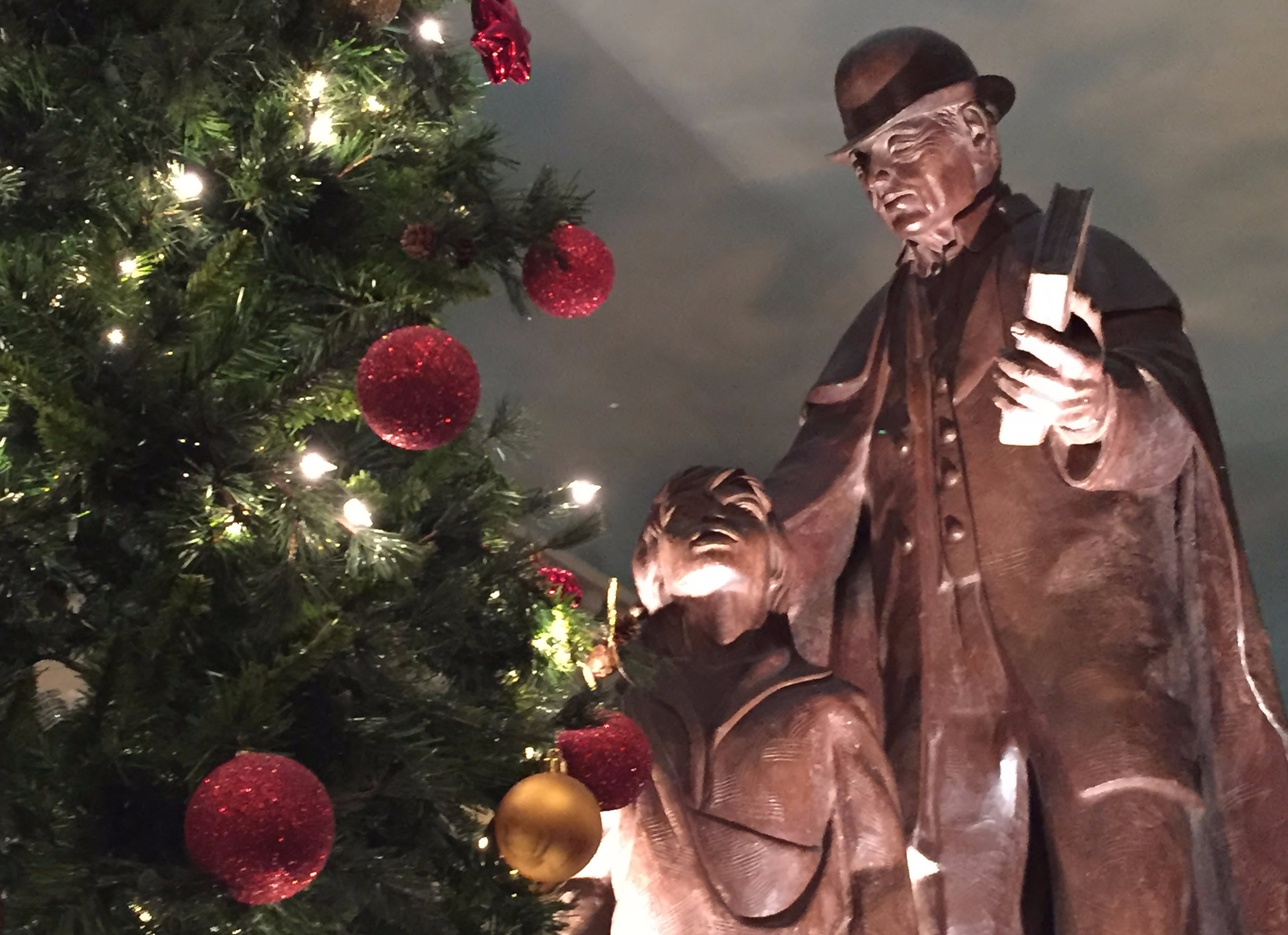
Christmas tree, statues of old man and a boy
photo by Dr. Aletha

What is Advent?

The season of Advent, which comes from the Latin word adventus meaning “coming” or “visit,” begins four Sundays before Christmas and ends on Christmas Eve. Advent is the beginning of the liturgical year for Christians. [Liturgical — from liturgy, which means the forms and functions of public worship.]

Many families observe Advent with Bible readings, lighting candles, songs, and stories to remind them of the events leading up to the birth of Christ as told in the New Testament. (these are affiliate links for you to consider and help support this blog with a commission on any purchases you make while reviewing)

sharing the HEART of health

I’d love for you to follow this blog. I share information and inspiration to help you turn health challenges into health opportunities.

Add your name to the subscribe box to be notified of new posts by email. Click the link to read the post and browse other content. It’s that simple. No spam.

I enjoy seeing who is new to Watercress Words. When you subscribe, I will visit your blog or website. Thanks and see you next time.

Thank you for considering the affiliate links in this post, which fund this blog.

Dr. Aletha

Many people find using their phones a convenient way to read and meditate on the Bible. And it’s easy to do so with the Dwell Bible App. With Dwell you can listen to and read the Bible and special devotional offerings for Advent, Lent, and throughout the year.

Using this affiliate link helps support this blog and my mission to share the heart of health wherever needed all over the world. Please join me.