Reliable keys to recognize a medical emergency

How to know when an ER visit is needed for a medical problem

updated January 17, 2024

During the fall and winter, hospitals see an increase in patients with respiratory illnesses due to influenza, COVID-19, and pneumonia, as well as disorders due to cold exposure and injuries due to ice and snow.

One shouldn’t go to an emergency room unless they truly need to.

But what is an emergency?

An emergency can be a medical condition which 

  • is new, sudden, and/or unexpected,
  • worse than usual or uncontrolled,
  • of unknown origin,
  • not responding to treatment,
  • not improving or resolving,
  • interrupts normal life.

However, a more specific definition is

An emergent medical condition is one that, if not treated promptly 

  • Threatens life
  • Threatens one or more limbs
  • Threatens vision/hearing/speech/mental function/ function of any major internal organ or organ system
  • Threatens long term and/or permanent bodily harm
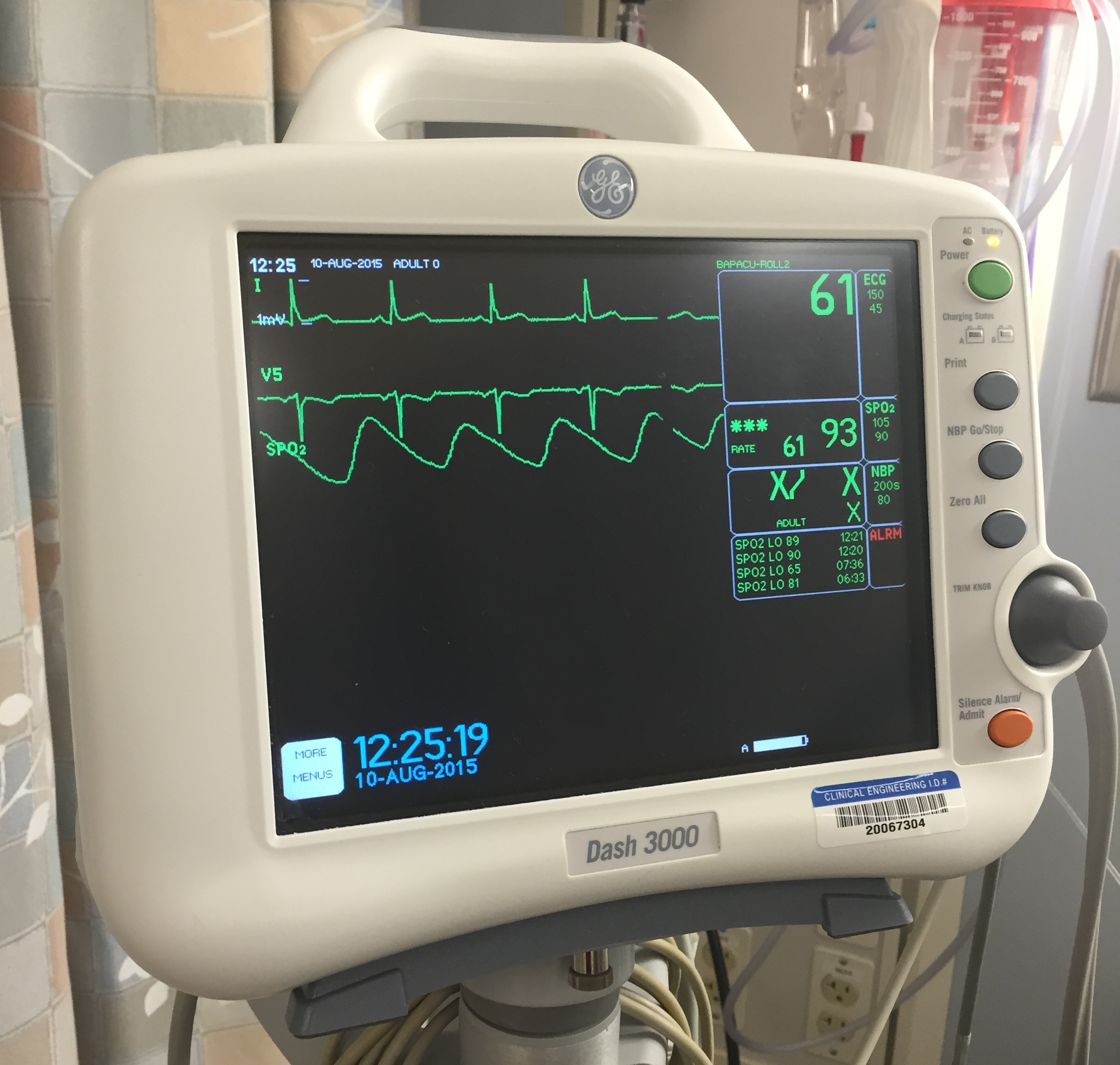
Minutes matter with heart emergencies

Emergency Medical Treatment and Labor Act (EMTALA). 

In the United States, a federal law known as EMTALA defines a medical emergency as

“a condition manifesting itself by acute symptoms of sufficient severity (including severe pain) such that the absence of immediate medical attention could reasonably be expected to result in placing the individual’s health [or the health of an unborn child] in serious jeopardy, serious impairment to bodily functions, or serious dysfunction of bodily organs.”

Examples of emergent conditions include 

  • Sudden or new  changes in heart function, like a myocardial infarction (heart attack), arrhythmia (abnormal heart rate or rhythm) or congestive failure (poor pumping capacity)
  • Brain conditions including stroke, head trauma, seizure, psychosis
  • Pulmonary (breathing) dysfunction including pulmonary embolus (blood clot), severe pneumonia, asthma or COPD
  • Multiple trauma, including extensive burns , multiple fractures, or trauma to any major organ like the liver or kidneys
  • Chemical changes in the blood; for example high /low blood sugar, low blood potassium, low platelets,
  • Severe depression and/or anxiety
  • Drug and alcohol overdoses
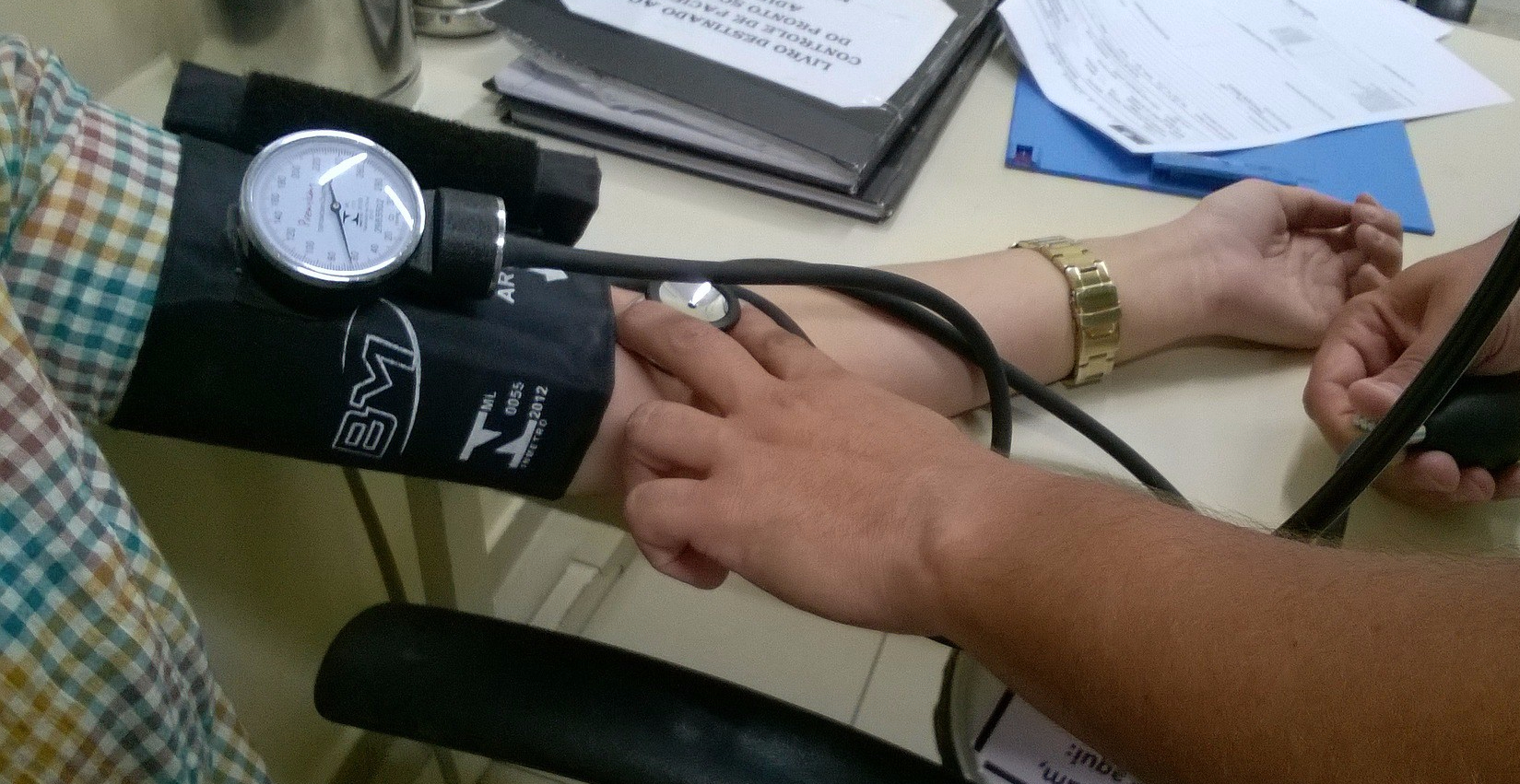
a person having blood pressure measured

SYMPTOMS of an emergency  include

  • Shortness of breath, or difficulty breathing, especially if not associated with exertion
  • Uncontrollable bleeding
  • A seizure, especially in a person with no previous diagnosis of seizures
  • Sudden or severe loss or difficulty with vision, hearing , speech, or other functions such as swallowing, thinking, walking, passing urine or stool
  • Fainting, passing out, loss of consciousness, severe dizziness
  • Hallucinations, confusion, thoughts or threats of harm to self or others
  • In a pregnant woman- any of the above plus loss of fetal movement
  • Persistent/severe nausea/vomiting/diarrhea
  • Severe pain, especially if it prevents or inhibits body function

Persons at risk

Certain groups of people are more at risk of significant illness with any of these symptoms, so emergency care should be sought sooner rather than later. They include

  • infants up to age 2
  • elderly-most medical references still call this over age 65
  • pregnant women
  • people with suppressed immune systems as from cancer chemotherapy, HIV, malnutrition, other drugs

Chest pain must always be taken seriously, even if mild.

Although in persons under 40 years old it is less likely due to a heart attack, there are other life threatening conditions that can occur in this age group. Again, especially if it is associated with any of the other symptoms, it is emergent.

Learn more about common heart diseases at this previous post

Exploring -when HEARTS break
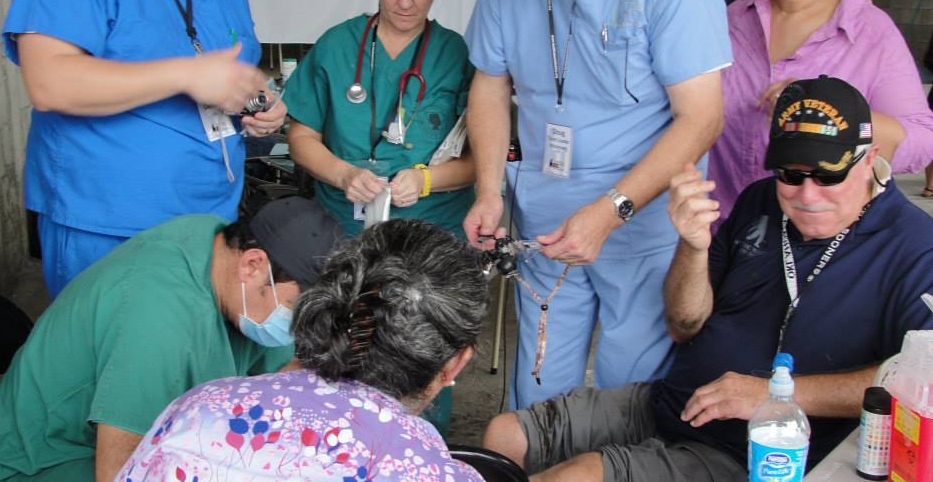
While on a mission trip to Panama, my husband had a near emergency when a board flew into his leg causing a deep gash; our medical team members took care of the injury right on the clinic site, and he recovered without permanent damage
While on a mission trip to Panama, my husband had a near emergency when a board flew into his leg causing a deep gash; a local surgeon was working with our medical team , and with their help he sutured the wound at the small rural church where we were holding clinic; his leg has healed well, just a scar to remind us of the adventure.

IN AN EMERGENCY  CALL 911!

Helicopters transport of emergency patients can make the difference between life and death.

You should not call your doctor’s office, your mother, your best friend, or post a question on social media (which I have seen done!)

If it’s not an emergency but is urgent, then the next best options are calling your doctor’s office or going to an urgent care clinic. Posting on social media is still a bad choice. Do you really want your “friends” giving you medical advice about something they know nothing about?

We doctors don’t expect you to diagnose your condition before coming to the ER or the office, and insurance companies shouldn’t either. With using the above guidelines, if you even suspect your problem is an emergency, you are wise to seek help.

Dr. Esther Choo, an emergency physician shares

6 Tips for Getting the Most Out of Your Emergency Room Visit
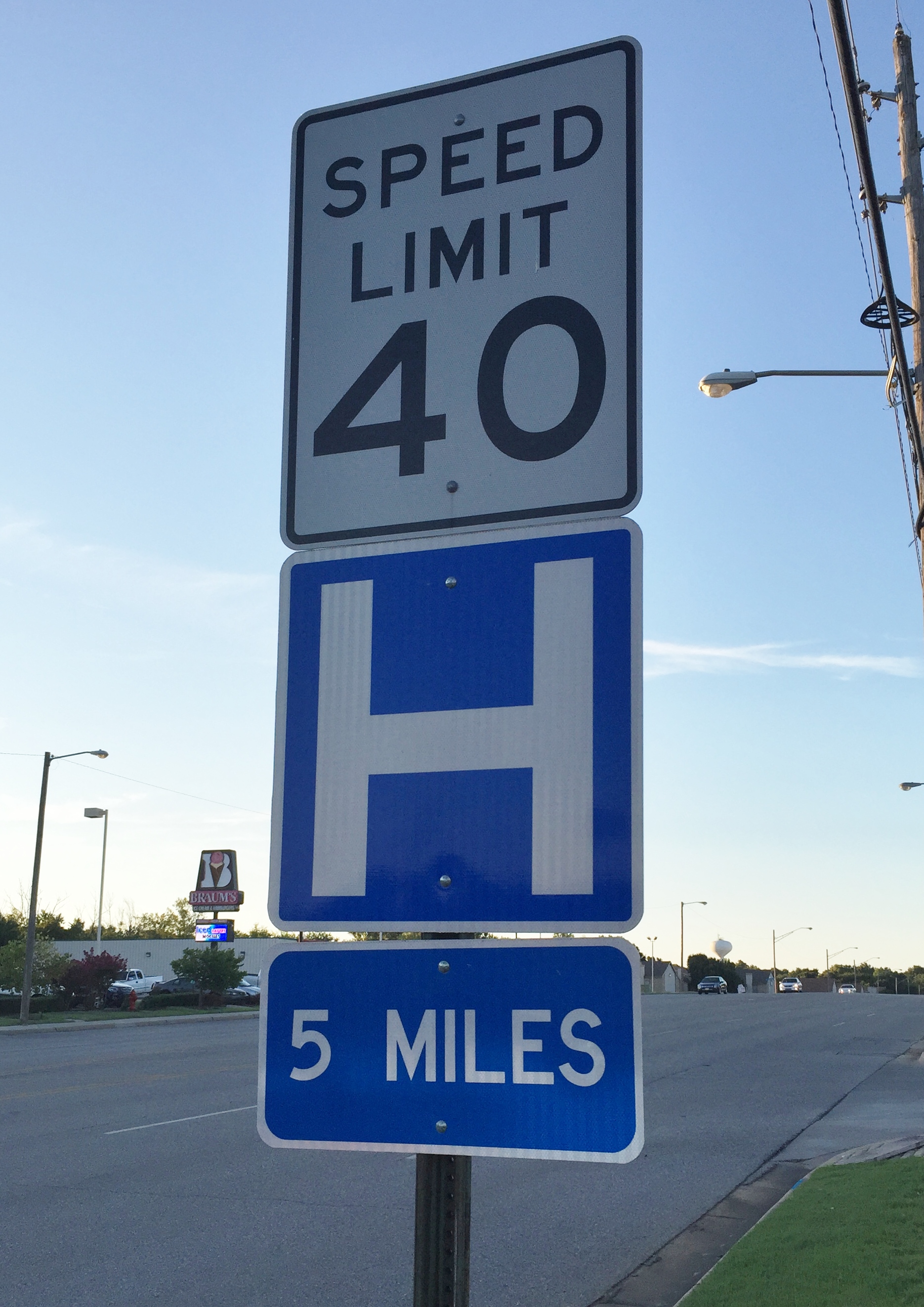
a speed limit sign with an H for hospital , 5 miles
A hospital will have a full-service emergency room, although the level of services differs based on the size of the hospital.
Dr. Deborah Burton, pediatric ear, nose, and throat physician gives

5 Top Tips to Best Use Urgent Care Centers

a sign on a building -"express-urgent care"
Don’t expect an urgent care clinic to offer all the services of an emergency room.

Your definition of an emergency and your insurance company’s definition may differ-and that difference may cost you money. Read why here.

Is it an emergency? Insurer makes patients question ER visit

exploring the HEART of emergencies

Dr. Aletha

Helicopter landing at a hospital to deliver a critically ill person.

The “art” of women’s health

Enjoy some photos of art while learning about women’s health

These medical studies suggest general medical information for physicians and patients to make decisions about what is right for them. They are based on information current as of the date of this post. Recommendations change as we learn new things. If you deal with any of these issues, please discuss with your doctor before taking any action. 

Multiple health issues impact women exclusively, so new and updated information is important to share. The issues we women face vary with our age, stage of life, and health status.

In this post I review the  Women’s Health Top 10 Stories of 2016 chosen by the NEJM (New England Journal of Medicine) Journal Watch editors. Topics include HPV infection, contraception, pregnancy, hysterectomy, menopause, and osteoporosis. The articles are not ranked by importance.  I’ve also included other links on these topics for your reference.

 I’ve chosen to illustrate this post with photos of art featuring women- all taken by me, on my travels.

statue of young woman
at the Santa Fe, New Mexico airport

Does the HPV vaccine prevent cervical cancer?

Infection with the human papillomavirus, HPV, can cause genital warts and cervical cancer.

The percentage of young women with confirmed HPV (human papillomavirus) infection in the United States fell significantly from 2006 to 2012. Women who had received the HPV vaccine showed the greatest decline in infection rates, compared to those who had not. Even one dose was effective, even though 2 or 3 are recommended.

The HPV vaccine, first released in 2006, was developed in the hope of decreasing cases of cervical cancer. It’s still too soon to tell if fewer infections will mean fewer cancers, since cervical cancer develops slowly over time.

statue of a dancing lady
“The Dance” statue at the University of Oklahoma, Norman, OKlahoma

Do birth control pills cause side effects? 

Most women tolerate hormonal contraceptives without problems, but some experience troublesome side effects. In two medical studies of women using various forms of hormonal contraceptives, researchers asked about weight and libido. The women were using all forms of hormonal birth control- pills, patches, implants, IUDs, long-acting progesterone shots, and vaginal rings.

Based on measurement, significant weight gain did not occur, although women often reported they had gained weight. Some women reported a change in their interest in sex; however, many factors affect libido so the hormones might not be entirely to blame.

Neither study confirmed hormones caused  weight gain or loss of interest in sex.

crystal statue of a kimono
Oklahoma City Museum of Art

How long are IUDs  effective and safe?

The IUD (intrauterine device) contraceptive marketed in the United States as Mirena is currently approved for 5 years of use but this study showed it is effective for as long as 7 years with no increase in side effects or complications.

statue of woman with 3 children
Metropolitan Museum of Art, New York City, New York

How can we stop premature delivery of babies?

Obstetricians may prescribe progesterone to high-risk women to prevent premature birth. A study done in the United Kingdom found that women who used daily progesterone by vaginal suppository did not have fewer premature births compared to women who did not use it.

This method may not be reliable since it’s difficult to accomplish regularly; giving a shot may be more effective.

painting of woman in blue dress and bonnet
at the Metropolitan Museum of Art, New York City, New York


Are you one of the million women who has a C-section every year?

Obstetricians use several different surgical techniques when performing a cesarean delivery, the most common major surgery performed in the United States. After a c-section, some women experience pelvic pain, painful periods, hernias, infertility, and problems with future pregnancies.

In a  review of 15,000 women who had c-sections the chance of having a future problem did not vary based on the type of surgical method used. The reviewer suggested that the experience of the surgeon is probably a more important factor.

ice skater statue
Olympic Training Center, Colorado Springs, Colorado

Controlling diabetes during pregnancy makes healthy babies.

Controlling blood sugar in women with type 1 diabetes is challenging and especially important during pregnancy. High blood sugar, hyperglycemia, can harm both mother and baby. 

A small study of British patients used a closed-loop insulin delivery system to control blood glucose (sugar) by adjusting insulin based on measuring glucose levels in the blood .

This glucose sensor and pump controlled by a computer kept glucose in the target range better than not using the computer. Hopefully, the cost will come down and make it accessible to more patients.

Jesus and a woman-painting
Christ and the woman of Samaria, Houston Museum of Art

If you had or are having a hysterectomy for a benign (non-cancer) problem, should you leave the ovaries behind?

Many pre-menopausal women who need a  hysterectomy- removal of their uterus- keep their ovaries in place, hoping to preserve hormone effects until they would have naturally reached menopause. But the reported study found that after hysterectomy a significant number of women started menopause sooner than those who had not, about 2 years earlier.

Native American woman-painting
at the University of Oklahoma


Is estrogen safe for your heart? 

When the Women’s Health Initiative Study in 2002 suggested estrogen increases the risk of heart attacks, physicians and patients quit using hormones to treat menopause symptoms like hot flashes.

A new study called ELITE, looked at artery thickness in women on estrogen compared to those not taking it; this is an indirect way to estimate the risk of heart attacks and strokes. This study found no significant differences, indicating that estrogen is probably safe to use when needed to control symptoms;  but is still not recommended to use routinely for prevention as we once thought it could be.

mural of women in costumes
at the Performing Arts Center, Tulsa, Oklahoma

If you take estrogen, should you take a pill or wear a patch ( transdermal) ?

This article reviewed  5000 women who used either estrogen pills or an estrogen patch for over 10 years. Although few women in either group had a vascular complication, more women who took a pill had a venous thromboembolism (blood clot in a vein),  heart attack or stroke, than women who used an estrogen patch. The patch is probably safer.

wood carving of african woman
at the Hemingway House, Key West, Florida

Will your osteoporosis treatment keep your bones strong enough?

Women often develop thin bones due to postmenopausal osteoporosis (due to loss of estrogen). Thin bones make women more at risk for fractures with a fall.

Doctors diagnose osteoporosis based on low BMD, bone mineral density; the aim of therapy is to increase BMD and prevent fractures. Do you need a repeat test to tell if therapy is effective?

This study suggested yes, since a significant number of patients lost density while on therapy. If this occurs, you may need a different therapy or be evaluated for other problems.

exploring the HEART of health

Please subscribe to learn more about women’s health and more

Dr. Aletha