Measles Outbreak: Highest Cases in 33 Years Across 39 States

This post highlights a recent news article that caught my attention. The measles outbreak in the U.S. has escalated sharply, with 1,289 cases reported in 39 states, the highest count since 1992. States like South Carolina and Wyoming report new infections, raising concerns about vaccination accessibility and public health.

When I first wrote about the current measles outbreak in the United States, fourteen states had reported cases. According to a recent news report, that number has almost tripled, and the number of documented cases is the highest since the last century.

This information is current as of the date of original publication or update. It may have changed by the time you read this. I invite you to fact-check what you read here.

This information is not intended for diagnosis or treatment. Before making health decisions, discuss with your physician or other qualified healthcare provider to decide what is right for you.

The following report is republished here by permission

Measles reaches highest level in 33 years, now in 39 states

by Tim Henderson, Oklahoma Voice
July 14, 2025

Measles cases have surpassed a recent 2019 record to reach the highest level since 1992, with at least 1,289 cases reported in 39 states.

The milestone comes as health officials are increasingly alarmed by vaccine skepticism gaining a voice in the Trump administration under U.S. Department of Health and Human Services Secretary Robert F. Kennedy Jr.

Pediatricians and public health associations filed a federal lawsuit this month challenging a May directive by Kennedy, claiming it “creates barriers” to vaccination for pregnant women and young children.

“Because of his name and profile, Mr. Kennedy has been instrumental in increasing the levels of vaccine hesitancy and skepticism in this country,” the lawsuit states. “The Secretary’s dismantling of the vaccine infrastructure must end.”
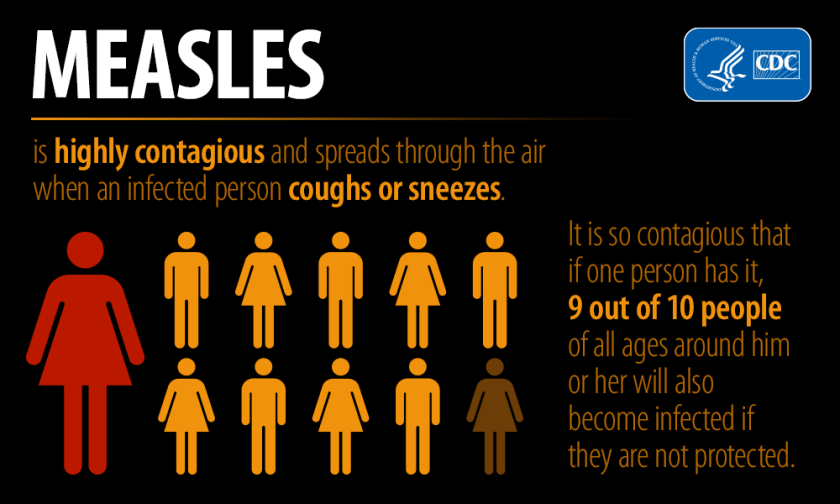
Measles is highly contagious and spreads through the air when an infected person coughs or sneezes.

CDC Measles Statistics Report

The federal Centers for Disease Control and Prevention reported Wednesday that there were 1,288 cases in 38 states, surpassing the 2019 level of 1,274. South Carolina later reported its own first case of the year, an unvaccinated international traveler in the northwestern Upstate area of the state.

Wyoming reported its first measles case since 2010 on July 1, an unvaccinated child in Natrona County.

Other states recently joining the list: North Carolina reported its first case of the year June 24, in a child visiting Forsyth and Guilford counties from another country.

And Oregon reported a case the same day for a person identified only as an unvaccinated international traveler sickened in June after returning to the Portland area.

“We’re here to tell you that measles is now in Oregon, and if you’re not vaccinated, you are susceptible,” said Dr. Paul R. Cieslak, medical director for communicable diseases and immunizations at the Oregon Health Authority’s Public Health Division.

Measles is one of the most contagious diseases and can spread rapidly among unvaccinated people.

Utah reported its first case June 20, an unvaccinated person with no recent travel out of state. The state now has nine cases, mostly in Utah County, where Provo is located.

Confirmed cases this year were also reported in these other states: Alaska, Arizona, Arkansas, California, Colorado, Florida, Georgia, Hawaii, Illinois, Indiana, Iowa, Kansas, Kentucky, Louisiana, Maryland, Michigan, Minnesota, Missouri, Montana, Nebraska, New Jersey, New Mexico, New York, North Dakota, Ohio, Oklahoma, Pennsylvania, Rhode Island, South Dakota, Tennessee, Texas, Vermont, Virginia and Washington.

Stateline reporter Tim Henderson can be reached at thenderson@stateline.org.

Oklahoma Voice is part of States Newsroom, a nonprofit news network supported by grants and a coalition of donors as a 501c(3) public charity. Oklahoma Voice maintains editorial independence. Contact Editor Janelle Stecklein for questions: info@oklahomavoice.com.

More on this blog about measles
What you need to know about Measles

Measles, or rubeola, is a viral infection characterized by a spreading rash, cough, and inflamed eyes. While largely controlled since the vaccine’s introduction in 1963, recent outbreaks reflect setbacks in disease management. Serious complications can occur. Vaccination remains crucial for prevention. Consult healthcare professionals before dismissing vaccines.

Keep reading

How to be Aware and Prepared for Measles

My home state Oklahoma confirmed its first two measles cases on March 11, 2025, linked to outbreaks in neighboring Texas and New Mexico. This is added to outbreaks in at least 12 other states. Viruses don’t recognize state lines or international borders, so everyone needs to be aware and prepared for its arrival.

Keep reading
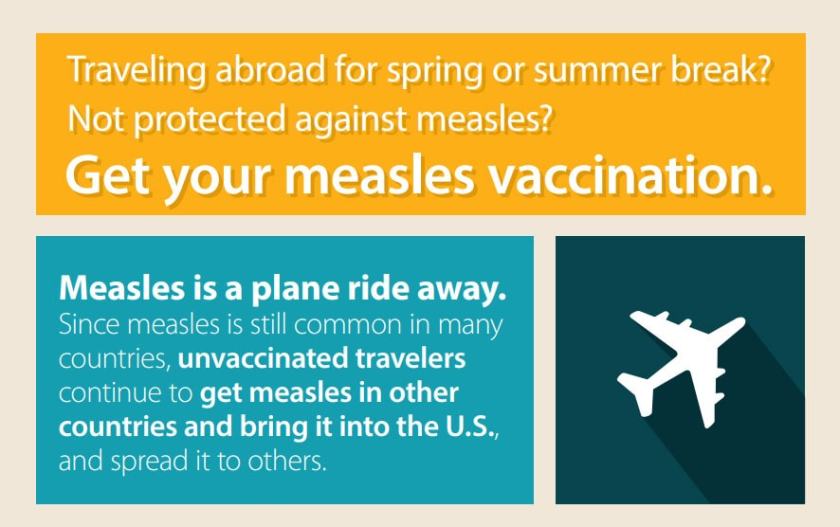
Photo by rawpixel.com on Pexels.com

Exploring the HEART of Health

I hope the information in this post gives you inspiration.

I’d love for you to follow this blog. I share information and inspiration to help you turn health challenges into health opportunities.

Add your name to the subscribe box to be notified of new posts by email. Click the link to read the post and browse other content. It’s that simple. No spam.

I enjoy seeing who is new to Watercress Words. When you subscribe, I will visit your blog or website. Thanks and see you next time.

Use this link to search for other posts about

Medical stethoscope and heart on a textured background

Dr Aletha

Can Kennedy’s HHS Restructuring End Chronic Disease?

In this post I look at Secretary of Health Robert Kennedy Jr’s plans to cut 10,000 jobs and close five regional offices in the Department of Health and Human Services (HHS) to tackle the “chronic disease epidemic”. The restructuring intends to reduce HHS’s budget by $1.8 billion while facing significant criticism from Democrats about the potential public health impact.

Secretary of Health Robert Kennedy Jr. and President Trump have established a goal of eliminating the “chronic disease epidemic.” To do so, the Secretary has ordered a massive reduction in the budget and workforce of HHS, the Department of Health and Human Services.

What is Chronic Disease?

Chronic diseases are defined broadly as conditions that last 1 year or more and require ongoing medical attention or limit activities of daily living or both.

Centers for Disease Control and Prevention

What is an Epidemic?

In the 21st century, epidemics of infectious diseases have threatened humans. Severe acute respiratory syndrome (SARS), avian influenza, and HIV/AIDS have supported the reality of this threat. 

Measles is highly contagious and spreads through the air when an infected person coughs or sneezes.

Late in the 20th century, epidemic was applied to noninfectious diseases, such as cancer epidemics or epidemics of obesity. Using epidemic for noninfectious causes refers to a disease that affects many people, with a recent and substantial increase in cases.

For nonmedical events, journalists use the term epidemic for anything that adversely affects large numbers of persons or objects and propagates like a disease, such as crack cocaine, computer viruses, or severe weather.

Reference: Martin P, Martin-Granel E. 2,500-year Evolution of the Term Epidemic. Emerging Infectious Diseases. 2006;12(6):976-980. doi:10.3201/eid1206.051263.

Here is the Secretary’s plan for HHS to address the “epidemic” he believes exists.

U.S. Department of Health and Human Services to slash 10,000 jobs, close 5 regional offices

By Jennifer Shutt, States Newsroom, March 27, 2025 | 12:26 pm ET

WASHINGTON — The Trump administration announced a sweeping plan Thursday to restructure the Department of Health and Human Services by cutting an additional 10,000 workers and closing down half of its 10 regional offices.

The overhaul will affect many of the agencies that make up HHS, including the Food and Drug Administration, Centers for Disease Control and Prevention, National Institutes of Health, and the Centers for Medicare and Medicaid Services.

HHS overall will be downsized from a full-time workforce of 82,000 to 62,000, including those who took early retirement or a buyout offer.

HHS Secretary Robert F. Kennedy, Jr. released a written statement along with the announcement, saying the changes would benefit Americans.

“We aren’t just reducing bureaucratic sprawl.

We are realigning the organization with its core mission and our new priorities in reversing the chronic disease epidemic,” Kennedy said. “This Department will do more — a lot more — at a lower cost to the taxpayer.”  

The U.S. Senate voted to confirm Kennedy as the nation’s top public health official in mid-February.

James H. Shannon Building (Building One), NIH campus, Bethesda, MD

Congressional reaction

Democrats immediately reacted with deep concern.

Senate Appropriations Committee ranking member Patty Murray, D-Wash., said that she was “stunned at the lack of thought about what they are doing to the American public and their health.”

Murray said the committee, which controls about one-third of all federal spending, “absolutely” has an oversight role to play in tracking HHS actions.

Wisconsin Sen. Tammy Baldwin, the top Democrat on the Appropriations subcommittee that funds HHS, said she believes HHS has overstepped its authority and expects the panel will look into its actions.

“These individuals who are going to be terminated under this plan play vital roles in the health of Wisconsinites and people nationally,” Baldwin said. “And I believe that they do not have the authority, the Trump administration does not have the authority to do this wholesale reorganization without working with Congress.”

Maryland Democratic Sen. Angela Alsobrooks, whose constituents in suburban Washington likely hold many of the jobs in question, wrote in a statement the HHS’ restructuring plans are “dangerous and deadly.”

“I warned America that confirming RFK Jr. would be a mistake,” Alsobrooks wrote. “His blatant distrust of science and disregard for research and advancement makes him completely unqualified.”

Cuts across department

The announcement says reorganizing HHS will cut its $1.7 trillion annual budget by about $1.8 billion, in part, by lowering overall staff levels.

Staffing cuts will be spread out over HHS and several of the agencies it oversees. The restructuring plans to eliminate

  • 3,500 full-time workers at the FDA,
  • 2,400 employees at the CDC,
  • 1,200 staff at the NIH and
  • 300 workers at the Centers for Medicare and Medicaid Services.
President Donald Trump visited NIH on March 3, 2020 and toured the National Institute of Allergy and Infectious Diseases’ Vaccine Research Center (VRC) to learn about research on a vaccine for the novel coronavirus SARS-CoV-2. public domain photo from flickr

“The consolidation and cuts are designed not only to save money, but to make the organization more efficient and more responsive to Americans’ needs, and to implement the Make America Healthy Again goal of ending the chronic disease epidemic,” according to a fact sheet.

Senate Health, Education, Labor and Pensions, or HELP, Committee Chairman Bill Cassidy, R-La., wrote in a statement that he looks “forward to hearing how this reorganization furthers these goals.”

“I am interested in HHS working better, such as lifesaving drug approval more rapidly, and Medicare service improved,” Cassidy wrote.

Regional offices, divisions affected

HHS did not immediately respond to a request from States Newsroom about which five of its 10 regional offices would shutter or when those closures would take effect.

Its website shows the offices are located in Boston; New York City; Philadelphia; Atlanta; Chicago; Dallas; Kansas City, Missouri; Denver; San Francisco; and Seattle.

HHS plans to reduce its divisions from 28 to 15 while also establishing the Administration for a Healthy America, or AHA.

That new entity will combine the Office of the Assistant Secretary for Health, Health Resources and Services Administration, Substance Abuse and Mental Health Services Administration, Agency for Toxic Substances and Disease Registry and National Institute for Occupational Safety and Health.

That change will “improve coordination of health resources for low-income Americans and will focus on areas including, Primary Care, Maternal and Child Health, Mental Health, Environmental Health, HIV/AIDS, and Workforce development.

Transferring SAMHSA to AHA will increase operational efficiency and assure programs are carried out because it will break down artificial divisions between similar programs,” according to the announcement.

HHS will roll the Administration for Strategic Preparedness and Response into the CDC.

The department plans to create a new assistant secretary for enforcement, who will be responsible for work within the Departmental Appeals Board, Office of Medicare Hearings and Appeals and Office for Civil Rights.

House speaker says HHS is ‘bloated’

U.S. House Speaker Mike Johnson, R-La., posted on social media that he fully backed the changes in store for HHS.

​​”HHS is one of the most bureaucratic and bloated government agencies,” Johnson wrote. “@SecKennedy is bringing new, much-needed ideas to the department by returning HHS to its core mission while maintaining the critical programs it provides Americans.”

Advocates shared Democrats’ concern about the staff cutbacks.

Stella Dantas, president of the American College of Obstetricians and Gynecologists, released a statement saying the organization was “alarmed by the sudden termination of thousands of dedicated HHS employees, whose absence compounds the loss of thousands of fellow employees who have already been forced to leave U.S. health agencies.”

“Thanks to collaboration with HHS, ACOG has been able to contribute to advances in the provision of maternal health care, broadened coverage of critical preventive care, increased adoption of vaccines, raised awareness of fetal alcohol syndrome, strengthened STI prevention efforts, and more,” Dantas wrote. “This attack on public health—and HHS’ ability to advance it—will hurt people across the United States every single day.”

Originally Published on News From The States

All States Newsroom content is free to republish, as per our policy

https://www.newsfromthestates.com/article/us-department-health-and-human-services-slash-10000-jobs-close-5-regional-offices

Is there an “epidemic of chronic disease”?

When I practiced medicine, I and other professionals treated “chronic disease” daily. The number of people who live with a specific chronic disease varies, but the number and percentage of the population who have a chronic disease doesn’t seem to change much.

While we will always work to eliminate chronic disease, that will likely be impossible, at least soon. But improved treatments and lifestyle changes do help people with chronic diseases live longer, and healthier.

Key prevention points from the CDC

  • Most chronic diseases are caused by a short list of risk factors: tobacco use, poor nutrition, physical inactivity, and excessive alcohol use.
    • By avoiding these risks and getting good preventive care, you can improve your chance of staying well, feeling good, and living longer.
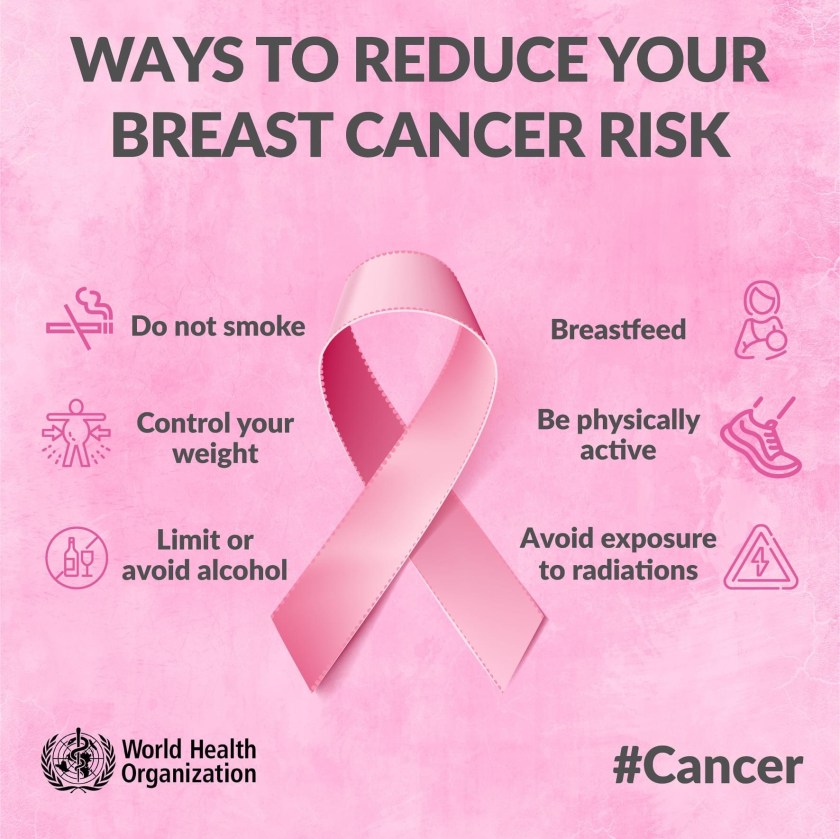
examples of ways to reduce the risk of a chronic disease, breast cancer.
Cover Image

The cover image is from the CDC website. It represents hypertension, high blood pressure, one of the most prevalent chronic medical conditions.

Exploring the HEART of Health

I’d love for you to follow this blog. I share information and inspiration to help you turn health challenges into health opportunities.

Add your name to the subscribe box to be notified of new posts by email. Click the link to read the post and browse other content. It’s that simple. No spam.

I enjoy seeing who is new to Watercress Words. When you subscribe, I will visit your blog or website. Thanks and see you next time.

Dr. Aletha