7 Essential Health Habits for a Satisfying Life

Prioritizing essential health habits like quality sleep, nutritious eating, meaningful connections, giving, physical and mental activity, and authentic conversation promotes well-being. Implementing these strategies fosters a fulfilling and healthier lifestyle.

updated October 29, 2025

Do you spend more time than you want dealing with clutter? Do you organize only to find you still don’t have enough room for your belongings?

If so, maybe you need to discard stuff, not organize it better. This process goes by different names—decluttering, simplifying, minimalism—with the goal of less stress, more peace, and more time to enjoy activities that truly give us pleasure and satisfaction.

Sometimes we need to simplify our daily habits. Do you ever feel you’ve been busy all day, and didn’t accomplish anything you really wanted to do? Maybe decluttering, simplifying, and changing our daily routine will create a more satisfying -and healthier- life.

7 Health Habits We Need

Here are some habits we often neglect or fail to prioritize, but medical professionals recognize as vital to optimal health and well-being. I’ve illustrated each with a link to an affiliate service or product that you might find helpful (and through which you can help support this blog), but feel free to develop your own ideas on how to make these a consistent part of your life.

Sleep

Too many of us treat sleep like a luxury or a waste of time rather than as the necessity that it is. Some of us need more quality sleep; many people are chronically tired due to undiagnosed sleep disorders such as obstructive sleep apnea which aren’t recognized without medical evaluation.

Eating

We need to eat nutritious food- a whole food, plant-based diet with fresh vegetables and fruits, beans, legumes, whole grains, lean meats, dairy- anything that isn’t processed or full of unnecessary sugar or excessive fat.

EAT PLANTS FEEL WHOLE-a book review

In this post I review Dr. George E. Guthrie’s book, “Eat Plants Feel Whole,” where he highlights the transformative power of a whole-food, plant-based diet in combating chronic diseases. Dr. Guthrie, a renowned family physician, emphasizes the addictive nature of processed foods and advocates for a shift towards plant-powered nutrition to improve overall health and…

Keep reading

Connection

We need to spend more time with our family and friends, keeping in touch physically and emotionally. Parents and children connect when they read together. Family vacations create connections through shared activities and memories. Children benefit when grandparents actively participate in their lives.

Visiting this local museum with my toddler grandson was a treat for both of us.

A Visit to Wow! Children’s Museum

I talk about my visit to WOW! Children’s Museum dedicated to engaging children and families in creative learning experiences. This bright, colorful interactive museum is in Lafayette, Colorado, near Denver .

“We specialize in highly interactive programs for small groups that give each child an opportunity to explore art, science, and culture.”

Giving

We need to cultivate generosity and give more, whether it’s our money, time, talent, or possessions. Every community offers ample opportunities to volunteer and serve others.

pictures of children from various countries with the logo ONE CHILD
My husband and I have supported children through ONE CHILD for 30 years.

Physical activity

We need to move more often, including sports, exercise, chores, walking, even standing up more than we sit.

Here are exercise and fitness recommendations and guidelines from the National Institutes of Health

I keep track of my daily steps with a Fitbit device, and record workouts, mindfulness, and sleep. (affiliate link)
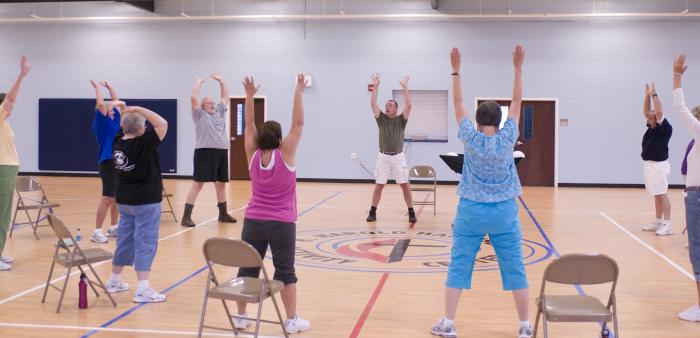
people in a gym exercising
photo courtesy Amanda Mills, CDC.gov, Public Health Image Library

Mental activity

We can read, learn new skills or improve established ones,  start or resume a hobby like photography, learn another language, and maybe start a blog.

Bookshop.org is an online bookstore that financially supports local, independent bookstores.

We believe bookstores are essential to a healthy culture and they are dedicated to the common good.

Bookshop.org donates a portion of every sale to independent bookstores.

photo by Dr. Aletha, in a bookstore

Conversation

We need to communicate with others often and authentically. Social media, phone calls, text, and email messages substitute when necessary, but they shouldn’t replace face-to-face time with others.

Book clubs, hobby groups, classes, and church groups offer safe spaces to share ideas and learn from one another.

2 women talking over coffee with open bibles
Conversation over coffee can be therapeutic. graphic from the Lightstock collection of stock photos, graphics, and other media, an affiliate link

How to Listen So People Will Talk-a book review

In this post I review the book “How to Listen So People Will Talk” by Becky Harling. She emphasizes the importance of listening in effective communication. The author, a certified John Maxwell speaker and coach, provides practical tips, including asking questions, showing empathy, and using body language. The book addresses listening through conflict and enhancing…

Keep reading

Self Evaluation

  • Which of these habits do you need to cultivate?
  • What will you gain by including _____ habit in your life? What will you lose if you don’t?
  • What is your next step to getting there? How will you know you have arrived?

Come back to this post and leave a comment anytime.

Exploring the HEART of healthy habits

Another healthy habit suggestion-follow this blog!

I’d love for you to follow this blog. I share information and inspiration to help you transform challenges into opportunities for learning and growth.

Add your name to the subscribe box to be notified of new posts by email. Click the link to read the post and browse other content. It’s that simple. No spam.

I enjoy seeing who is new to Watercress Words. When you subscribe, I will visit your blog or website. Thanks and see you next time.

 

Dr. Aletha

Sleep Practices for Restful Nights

In this post I review options to improve our sleep. Daylight Saving Time can disrupt sleep, akin to jet lag. Chronic insomnia involves difficulty sleeping regularly, potentially linked to medical conditions. Treatment begins with addressing underlying issues and adopting sleep hygiene practices, such as exercise and routine. Cognitive Behavioral Therapy for Insomnia (CBT-I) is effective for persistent cases.

updated March 7, 2025

If you live somewhere that observes Daylight Saving Time, you may notice a disruption in your sleep for a few days after we “spring forward” in March and when we “fall back” to standard time in November.

Like jet lag from travel, these time changes can interrupt our sleep schedule for a few days. And if you already have trouble sleeping, it’s even more of a problem.

Here’s a review of what sleep professionals recommend to help. But for persistent or severe problems, see your own doctor to get started.

This information is current as of the date of original publication or update. It may have changed by the time you read this. I invite you to fact-check what you read here.

Please do not use this information for diagnosis or treatment purposes. Before making health decisions, discuss with your physician or other qualified healthcare provider.

This content is for your “information and inspiration”, and does not imply my endorsement or recommendation.


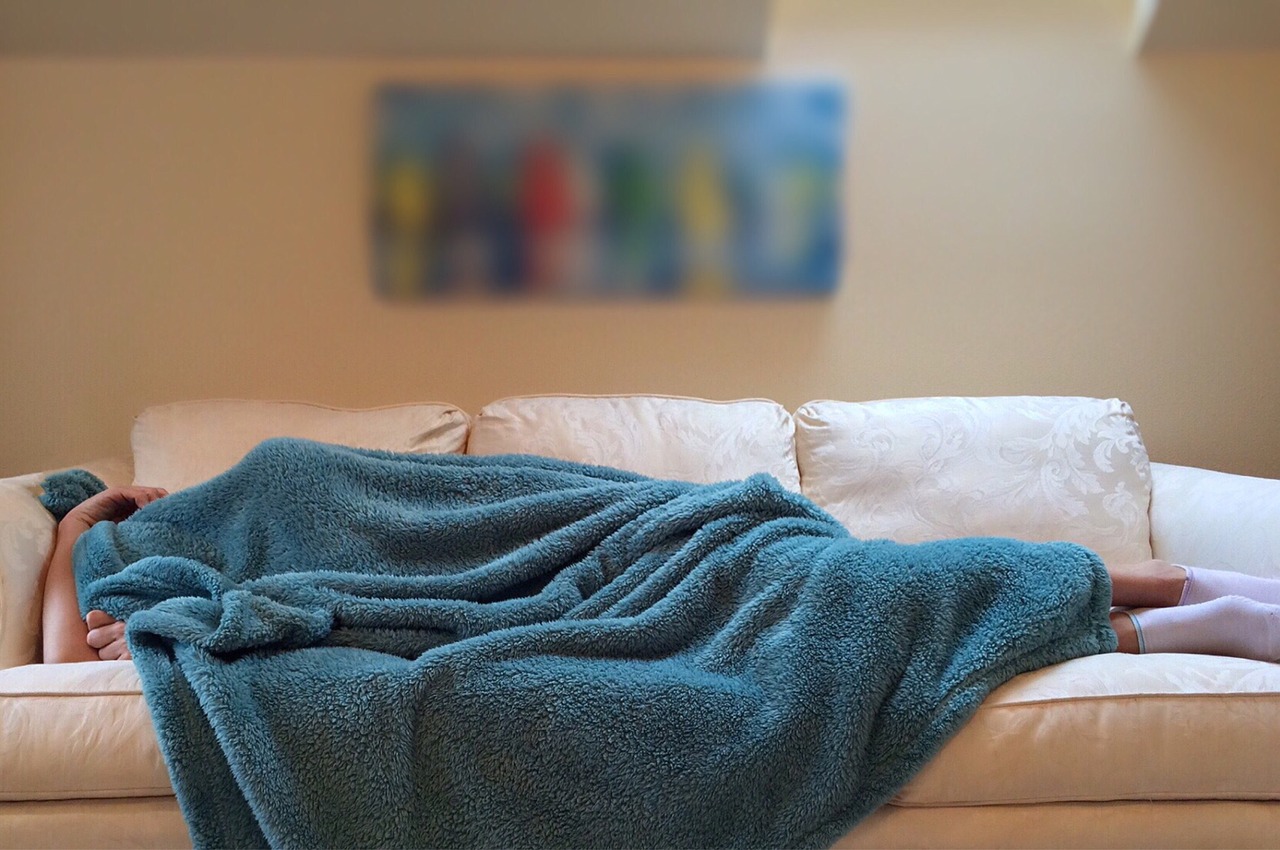
person sleeping on a couch
Sometimes getting a good night’s sleep can be a challenge.


(Affiliate links are used in this post. You don’t pay more to shop through these links; this blog may earn a small commission, which funds its existence. )

What is Chronic Insomnia?

Most of us have trouble sleeping occasionally, but if you persistently have difficulty with sleep, you may have a medical condition associated with sleep disturbances. These include

  • sleep apnea
  • restless legs syndrome
  • depression and/or anxiety
  • post-traumatic stress disorder

Some people have true chronic insomnia, meaning persistent sleep difficulty not due to some other cause. There are various criteria to diagnose chronic insomnia but in general include

  • difficulty falling or staying asleep
  • at least 3 nights per week for at least 1-3 months
  • with impairment of daytime function, such as fatigue/sleepiness, poor concentration, irritability, school or work dysfunction
EXPERT ADVICE TO SLEEP WELL EVERY NIGHT

How can you sleep better with chronic insomnia? 

The first step for chronic or occasional insomnia is to identify and treat any underlying medical issues that cause poor sleep. In addition to the ones mentioned above these include

  • painful conditions
  • heartburn (gastroesophageal reflux)
  • congestive heart failure
  • lung diseases like asthma cause nighttime breathing difficulty
  • menopausal night sweats

Sleep specialists recommend non-drug management of chronic insomnia and reserve sleep medications for more resistant cases. 

Sleep meds were one of the 7 drugs that are overused in my previous post.

a bed with ornate headboard
photo by Dr. Aletha- at the Hemingway house, Key West, Florida

(Read more about Ernest Hemingway’s preserved Florida home at this post)

Hemingway’s study- chaos and creativity


Behaviors for better sleep

Experts recommend sleep hygiene , basically lifestyle changes, as the initial treatment. Some people have developed bad habits in regards to sleep that need to be unlearned and new behaviors put in place.

For optimal sleep, you should

  • Engage in regular exercise- moderate intensity , tai chi , yoga and low-impact aerobic exercise
  • Avoid evening large meals
  • Limit caffeine, tobacco, and alcohol
  • Use the bedroom only to sleep and for sex
  • Maintain a regular bedtime-awake schedule
  • Avoid daytime naps
  • Avoid distracting stimuli at bedtime-watching television, using electronic devices, talking on the phone
  • Stay in bed only while sleep

Dim the lights for better sleep

The light from electronic devices- clocks, thermostats, televisions, monitors-can disturb your sleep even after you turn off your phone and tablets. This light can be blocked by stick on light blocking covers than can block out the majority of it.

Light from my clock made it hard for me to fall asleep before I discovered these products. With them I fall asleep easier, and can fall back asleep if I wake up.

Maintaining a regular schedule helps to set or reset your sleep/wake cycle. So go to bed at the same time every night and wake up at the same time every morning.

However, if you can’t  sleep, rather than lie in bed awake, you should get up, do a non-stimulating activity, then return to bed when sleepy.

woman typing on a laptop keyboard.
Using a computer, laptop, or tablet before going to bed can impair sleep.

If you have persistent sleep loss, consider more intensive therapy by a professional.

Cognitive behavior therapy for insomnia , CBT-I, significantly improves chronic insomnia and daytime functioning and is recommended as first-line therapy.

CBT-I combines cognitive therapy with sleep restriction, relaxation training, and stimulus control.

Treatment typically requires 5-8 sessions conducted by a health professional trained in its use. Patients need to participate by keeping a sleep diary and writing down daily thoughts in a journal while continuing with the sleep hygiene practices mentioned above.

person writing in a spiral notebook
Writing thoughts in a journal is often encouraged in cognitive behavioral therapy. (photo from the Lightstock.com collection)


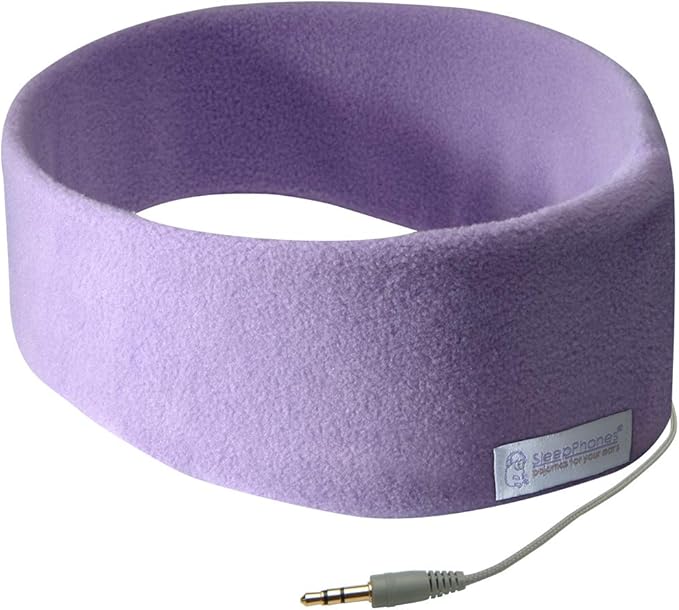
SleepPhones

Natural Sleep Aid Created By A Doctor. A family physician created SleepPhones to help patients fall asleep faster and stay asleep longer without resorting to drugs.(affiliate link)


SleepPhone

Manage stress, learn to relax

If you have occasional trouble sleeping due to stress,  relaxation techniques can help you.  Techniques include meditation, yoga, imagery, abdominal breathing and muscle relaxation techniques. These can reduce tension and anxious thoughts that inhibit sleep onset and maintenance.

5 steps to manage stress and strain

A college graduate receives a gift certificate for a book, choosing a technical manual for his engineering career. This post reflects on the need for coping mechanisms for life’s stressors, sharing five essential steps to manage stress and strain. These steps include maintaining a routine, seeking social support, focusing on the positive, staying active, and…


exploring the HEART of healthy sleep

I’d love for you to follow this blog. I share information and inspiration to help you transform challenges into opportunities for learning and growth.

Add your name to the subscribe box to be notified of new posts by email. Click the link to read the post and browse other content. It’s that simple. No spam.

I enjoy seeing who is new to Watercress Words. When you subscribe, I will visit your blog or website. Thanks and see you next time.

Dr. Aletha

Cover Image

The cover image of this post was created by JetPackAI available with WordPress.