This week I discuss 7 groups of medications that are overused. This, and the next post about drugs which are underused, has many links; you may want to bookmark for future review.
I call these drugs overused. However, I do not mean
- That you should never take them
- That you should quit using them
- That your doctor should not prescribe them
- That you should quit taking them if your doctor prescribed them
- That they are bad or dangerous drugs
We should think more about when, why and how to use these drugs.
By drugs and medications, I consider any substance we put into our bodies to treat or prevent a disease or symptom, whether prescribed or over-the-counter (OTC), synthetic or “natural”. I’m not considering foods,nor any substance that is illegal or mostly recreational in this discussion.
I picked classes of drugs that I am most familiar with as a family physician so excluded highly specialized medications like cancer chemotherapy, cardiovascular drugs, anti-rheumatics and neurological drugs.
I based my assessment on my professional experience as well as medical literature and the opinions of other physicians. As always, your best source of information about the right drugs for your conditions is your personal physician.
Antibiotics
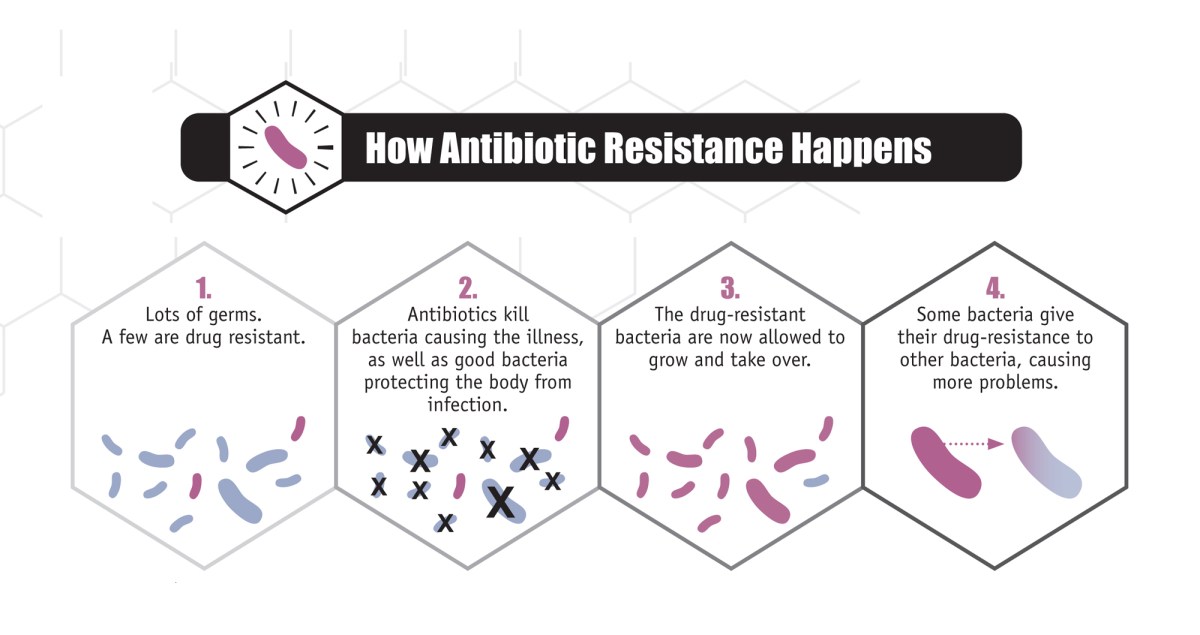
Every infectious disease expert says we use too many antibiotics unnecessarily-but we keep doing it. Doctors and patients share the responsibility of using antibiotics appropriately.
Reasons to avoid antibiotics
They don’t help most of the things we use them for, namely respiratory infections which are usually caused by viruses.
They add to the cost of medical care.
They frequently cause side effects; they are one of the top four causes of adverse drug reactions that lead to ER visits and hospital admission.
They can change the balance of the good bacteria that live in our bodies, the microbiome.

Here is a previous post about the use and misuse of antibiotics for respiratory infections, the most common culprit in the inappropriate antibiotic battle.
How to navigate the antibiotic highway
Opioid pain medication
These are the drugs that comprise the current opiate epidemic. Like antibiotics, they are a frequent cause for ER visits and admissions for adverse reactions. Unlike antibiotics, they can create physical and mental dependency and addiction, and can be fatal in overdose which is happening more often. The New York Times reports
Opioid poisonings increase in toddlers and teenagers
Some of the overdose deaths are accidental, especially in children, but in adolescents and adults are too often intentional.
Used properly, opiates relieve severe pain due to cancer, trauma,and surgery, but doctors and patients should consider other alternatives for less severe pain first, especially if it is a long term condition.
Dr. Sanjay Gupta, CNN medical correspondent, suggests doctors and patients work together to achieve pain relief without the risk of addiction.
“But most simply, we as doctors need to engage our patients and discuss treatment with them, whether its short term opioids or alternatives like physical and occupational therapy. We need to help set realistic expectations for our patients: Living entirely pain free is not always possible. As doctors, we need to have follow-up conversations with our patients to see how treatment is going. If we better understand our patients, we can provide better treatment and help develop pain strategies that are effective and safe.”
Talk to your doctor if you believe your use of opiate pain medication has become a problem.
Doctors must lead us out of our opioid abuse epidemic

Anti-inflammatory drugs
These are the non-steroid anti-inflammatory drugs, referred to as NSAIDs. This includes generic ibuprofen and naproxen, available in both otc and prescription strengths. ( Brand names include Motrin, Advil and Aleve.) There are other NSAIDs but these are most frequently used.
When these drugs first hit the market, we were excited to have effective drugs for people with joint pain from arthritis. Then we recognized they also worked well for headaches, menstrual pain, and other forms of muscle and joint pain.
Now they seem to have become the go-to drugs for almost any discomfort or symptom, with people taking multiple doses daily (often exceeding the recommended dose) without medical supervision.
Although usually well tolerated, they do pose risk to the kidney, heart and liver, especially in people who already have disorders of those organs. And they can cause stomach ulcers with bleeding in anyone.
Acetaminophen
The name Tylenol has become synonymous with the drug acetaminophen, although there are other brands and generic versions. Sometimes abbreviated APAP, this drug relieves pain and reduces fever, and is used frequently by adults who also give it to their children. It does not carry the risk of stomach ulcers as do the NSAIDs. However, it also can cause harm to the liver and kidney.
At this link you can
understand your OTC pain reliever options better
Sleeping medications
Many people have trouble falling asleep, staying asleep, or getting a restful sleep and turn to medications, both prescription and non-prescription for help.
Sleep specialists avoid the routine use of sleeping medications, due to lack of effectiveness long term and potential side effects and risks. They recommend altering conditions related to sleep such as bedtime, sleeping arrangements, temperature and activities, often called sleep hygiene, or mind-body interventions like meditation, hypnosis, yoga, tai chi and music.
Here is a Consumer Reports review of
Sleeping pills for insomnia

Rescue inhalers for asthma
People use quick acting or rescue inhalers for asthma or COPD symptoms. The inhalers usually relieve symptoms promptly and if they aren’t, people may believe the inhaler “isn’t working”.
Instead, it may mean that the lungs aren’t “working” to full capacity and need more aggressive treatment. Continuing to use the inhaler repeatedly with little or no relief can be dangerous and lead to respiratory failure. Instead, you need to seek medical attention at a clinic or hospital emergency room.
This article explains
Inhaled asthma medications
Vitamins, minerals and other supplements
People spend $37 billion annually on vitamins, minerals and other supplements with little to no proof that they prevent or treat anything. Most nutrition scientists teach that appropriate eating will supply our requirements for vitamins and minerals.
Vitamins and/or minerals are recommended in some medical situations, including-
- Pregnancy and nursing
- People with intestinal disorders who absorb nutrients poorly
- People with restricted diets for any reason
- People with or at high risk of macular degeneration, a cause of blindness
Find out why
most adults don’t need dietary supplements
In a future post I will discuss non-drug alternatives to these drugs and others.
Listen to a podcast by two physicians at 2 Docs Talk
Are supplements good medicine?
Come back in 2 weeks to find out what 7 medications I call underused.




 watercress words by Dr Aletha