This information is current as of the date of original publication or update but may have changed by the time you read this. Do not use this information for diagnosis or treatment purposes. Before making health decisions, discuss with a qualified healthcare professional.
Update June 12, 2025
I suggest you review this updated post about breast cancer.

Observing Breast Cancer Awareness
In October, awareness of breast cancer is highlighted. This common cancer affects both women and men, with various types identified. Risk factors include age, genetics, and lifestyle. Early detection and preventive measures can significantly improve outcomes, emphasizing the need for education and support during Breast Cancer Awareness Month.
Keep reading
From the original post-November 2015
Researchers at Cornell University see a potential link between obesity and breast cancer. Obesity may change the adipose (fat) tissue in the breast making it more susceptible to malignant (cancerous) changes. This may explain why breast cancer is sometimes more severe in patients who are also obese.

Because soy has similar effects to estrogen, there was concern that it might predispose women to breast cancer. but in a review of 7 medical studies, there was no association between dietary soy and breast cancer. Women who had previously had breast cancer has less risk of recurrence and lower mortality.
A 6 year study of 4000 women found a lower incidence of breast cancer in women who ate a Mediterranean diet supplemented with extra-virgin olive oil or nuts, as compared to a group following a “low fat” diet. (However, only 35 cancers occurred during this time, so the numbers are not significant enough to draw definite conclusions.)
The Canadian National Breast Screening Study of almost 90,000 women found that smoking, especially long term smoking prior to a first pregnancy, increased the risk for breast cancer.

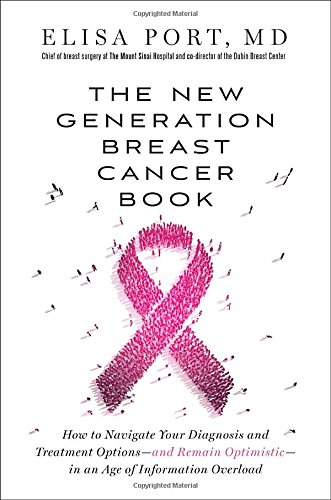
Dr. Eliza Port, a breast surgeon at The Mount Sinai Hospital has written this guidebook on breast cancer which shows patients
“How to Navigate Your Diagnosis and Treatment Options-and Remain Optimistic-in an Age of Information Overload “
In The New Generation Breast Cancer Book , Dr. Port “describes every possible test and every type of doctor visit, providing a comprehensive, empathetic guide that every newly diagnosed woman (and her family) will want to have at her side.”
Exploring the HEART of Health
I’d love for you to follow this blog. I share information and inspiration to help you transform challenges into opportunities for learning and growth.
Add your name to the subscribe box to be notified of new posts by email. Click the link to read the post and browse other content. It’s that simple. No spam.
I enjoy seeing who is new to Watercress Words. When you subscribe, I will visit your blog or website. Thanks and see you next time.
Dr. Aletha
- About Dr. Aletha
- How to Use this Site
- Make Your Life Easier
- Search by Category
- Share the HEART of health
- my Reader Rewards Club
- RoboForm Password Manager





 watercress words by Dr Aletha