updated August 29, 2025
September feels like we’re in the home stretch of the year, two-thirds of the way through. On the 30th day, the year’s third quarter ends. ( What other months have only 30 days?)
Where I live, the daylight hours are getting shorter and the first day of autumn occurs. Vacations end, school resumes, and life returns to a routine.
(This post has several affiliate links; I hope they help you find information and inspiration and help me fund this blog by the commission they will generate. )

Labor Day-September 1
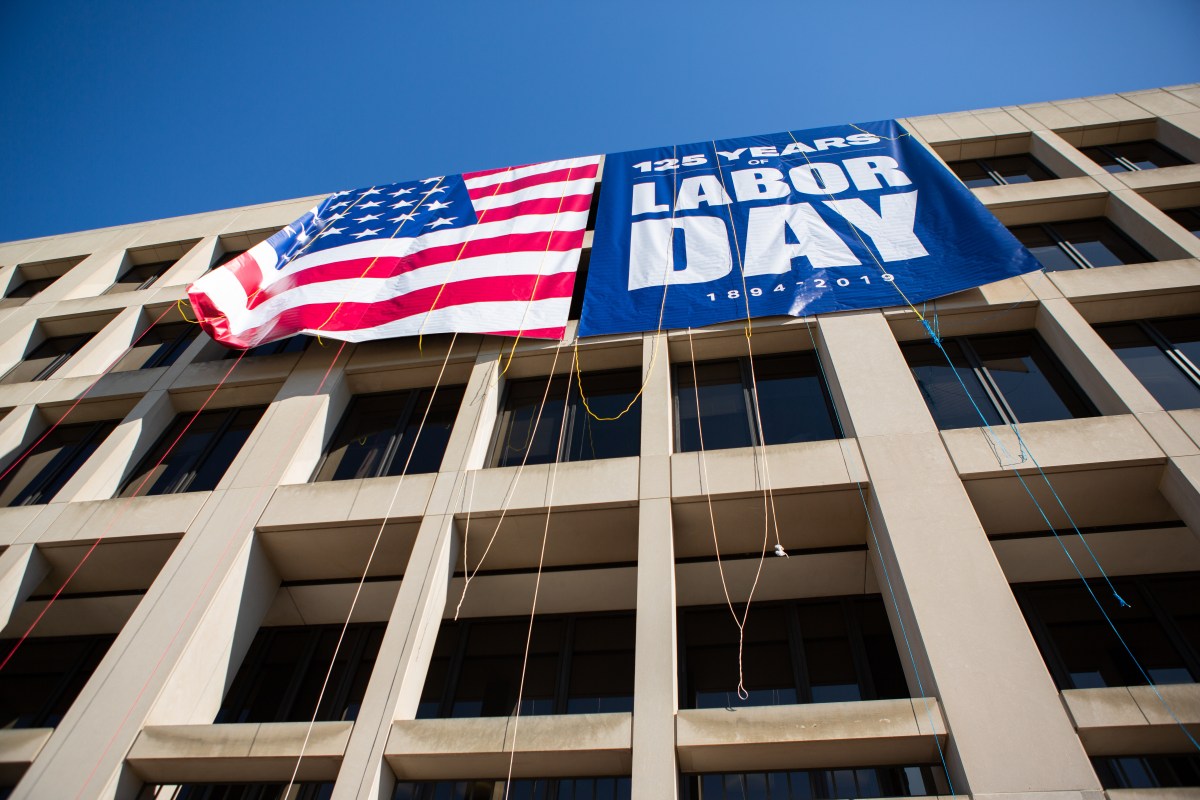
In the United States, we observe the first Monday in September as a federal holiday, Labor Day. Unlike other holidays it does not honor a specific person or historical event. Nor does it have religious significance.
According to the United States Department of Labor (who ought to know)
Observed the first Monday in September, Labor Day is an annual celebration of the social and economic achievements of American workers.
The holiday is rooted in the late nineteenth century, when labor activists pushed for a federal holiday to recognize the many contributions workers have made to America’s strength, prosperity, and well-being.
FYI- The cover photo is from the Department of Labor Flickr stream
Many celebrate Labor Day by not laboring, at least not at a job. Some communities have parades and friends and families gather for picnics, sporting events, or just relaxation.
Otherwise, not much happens on Labor Day except in a book and a movie by that name, and I reviewed both in this post.

Labor Day, the holiday and the book
In this post I review the book Labor Day by Joyce Maynard . It explores an unexpected and transformative weekend for a 13-year-old boy named Henry, his emotionally fragile mother Adele, and a mysterious man named Frank.
Keep readingGrandparents’ Day-September 7
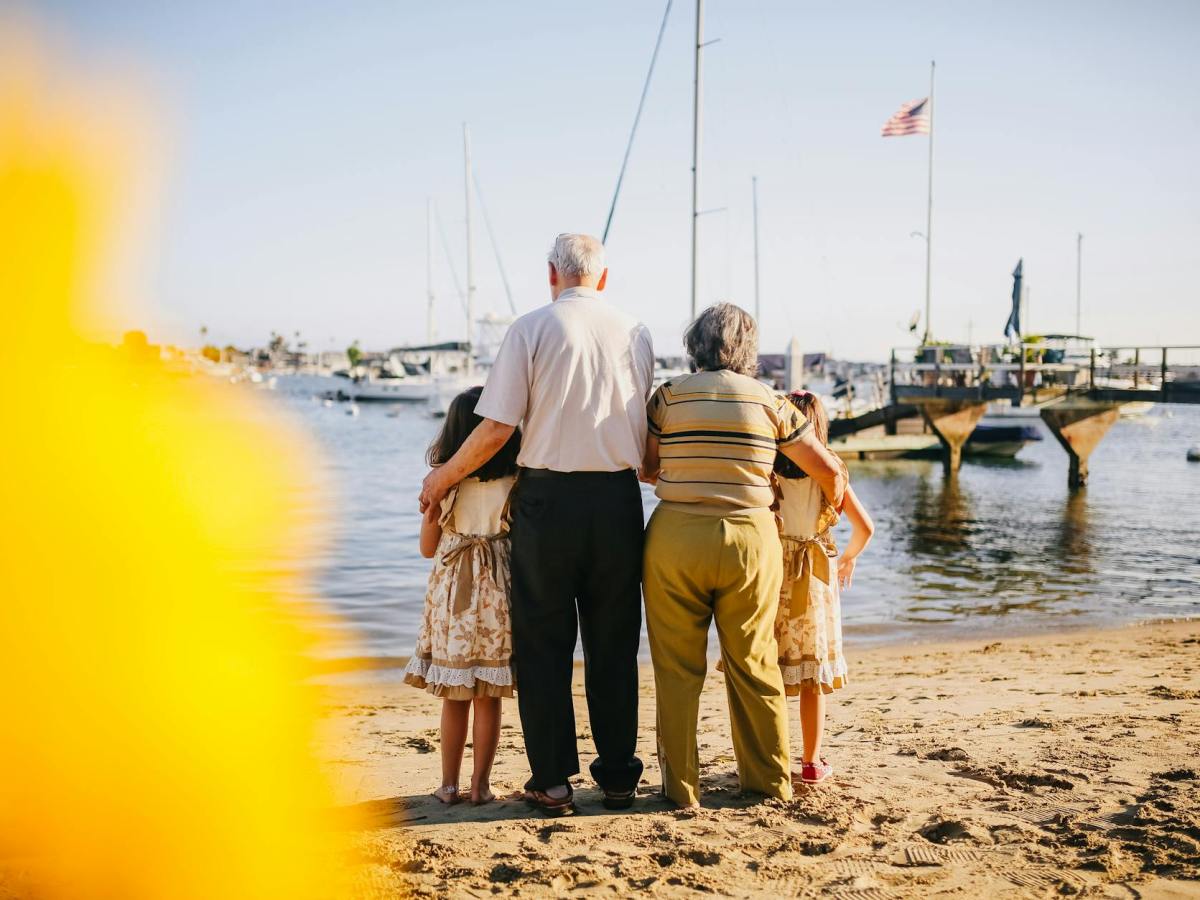
Another un-holiday is Grandparents’ Day, the second Sunday in September.
I think the only people who celebrate it are grandparents. Compared to Mother’s Day and Father’s Day, this day qualifies for a Bronze medal by default. (that is, comes in third place)
Exploring the HEART of Grandparenting
This post discusses the significance of grandparenting and the impact it has on children’s well-being. In an interview, Dr. Aletha shared her ir experiences and insights as a grandparent, highlighting the role grandparents play in creating lasting memories and passing on traditions. Practical advice on caring for grandchildren is also provided, emphasizing safety and health.
Keep readingRemembering history-September 17
One of the most important days in United States history is September 17. We should consider it the most important day.
What about July 4th, Independence Day, you’re thinking. On that day the 13 North American colonies declared independence from England. But on September 17, the colonies became the United States of America.
September 17 is called Constitution Day.
This day honors the creation of the United States government in 1787 as outlined in the Constitution. They started it with this preamble.
We the People of the United States, in Order to
- form a more perfect Union,
- establish Justice,
- insure domestic Tranquility,
- provide for the common defense,
- promote the general Welfare, and
- secure the Blessings of Liberty to ourselves and our Posterity,
do ordain and establish this Constitution for the United States of America.
The question of what is and isn’t “constitutional” creates heated debate, but that debate is protected by the Constitution-and that’s something to celebrate.
Freedom of speech was not specified in the original constitution though. That and our other rights were added later by amendments to the Constitution. The first ten amendments are called the Bill of Rights.
To “celebrate” Constitution Day, I suggest reading the full text. It’s not as long as you think. Here is the link. The original copy has been preserved and you can see it at the National Archives in Washington, DC.
The Constitution of the United States
The day is also called Citizenship Day, an event I celebrated in a post about attending a naturalization ceremony. It has a long history but here is a short version.
In 1952, President Harry Truman signed a bill linking the two events. He proclaimed
“It is most fitting that every citizen of the United States, whether native-born or foreign-born, should on September 17 of each year give special thought and consideration to his rights and responsibilities under our Constitution.”
In 1956, the event was expanded when President Dwight Eisenhower included Constitution Week—observed from Sept. 17-23—in his annual proclamation.
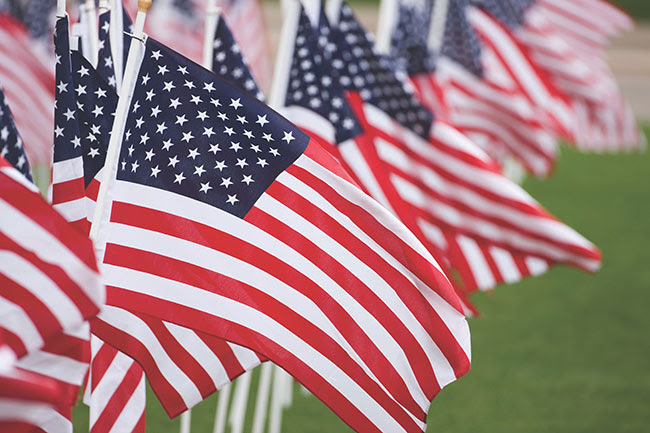
Welcome new citizens to Life, Liberty and the Pursuit of Health Care
In the Declaration of Independence, the founders of the United States created a nation based on the “self-evident truths” of “Life ,Liberty, and the Pursuit of Happiness” and to promote “Safety and Happiness” .
Keep reading
9/11/2001
One of the darkest days in United States history, as well as the rest of the world, is September 11, 2001 when the World Trade Center and the Pentagon were attacked by terrorists. The country and the world have not been the same since.
Remembering 911 in literature

I wasn’t expecting to fly right over the Pentagon, and almost missed this shot.
Pieces Falling: Navigating 9/11 with Faith, Family, and the FDNY
by Ann Van Hine
“Ann Clark Van Hine, aka Miss Ann, was born in Oxford, England but grew up in Oklahoma, Utah, Arizona, New Jersey and now lives in Brooklyn, New York.
Ann is the mom of two grown daughters, the widow of an FDNY firefighter, a retired small business owner, a docent with the 9/11 Tribute Museum, a published writer, Children’s Ministries volunteer, and a breast cancer survivor.
Since September 11, 2001, Ann has had numerous opportunities to share the story of God’s presence and peace as she navigated “a personal loss in the midst of a national tragedy.” She has shared her story all over the USA and internationally in Ireland, Belgium, England, and Japan. Ann is available to speak.”
Read a sample here. (This is an affiliate link to earn a commission.)
Women In Medicine Month
The American Medical Association recognizes and honors women physicians in September. I mention several women physicians in this post.

Physicians Post Pandemic-Still on Healthcare’s Frontline
In this post I look back on 2021, when I wrote a post highlighting the efforts of various physicians during the COVID-19 pandemic. I wanted to know what they are doing now. I found they are still committed and caring, although two were lost to the virus.
Keep reading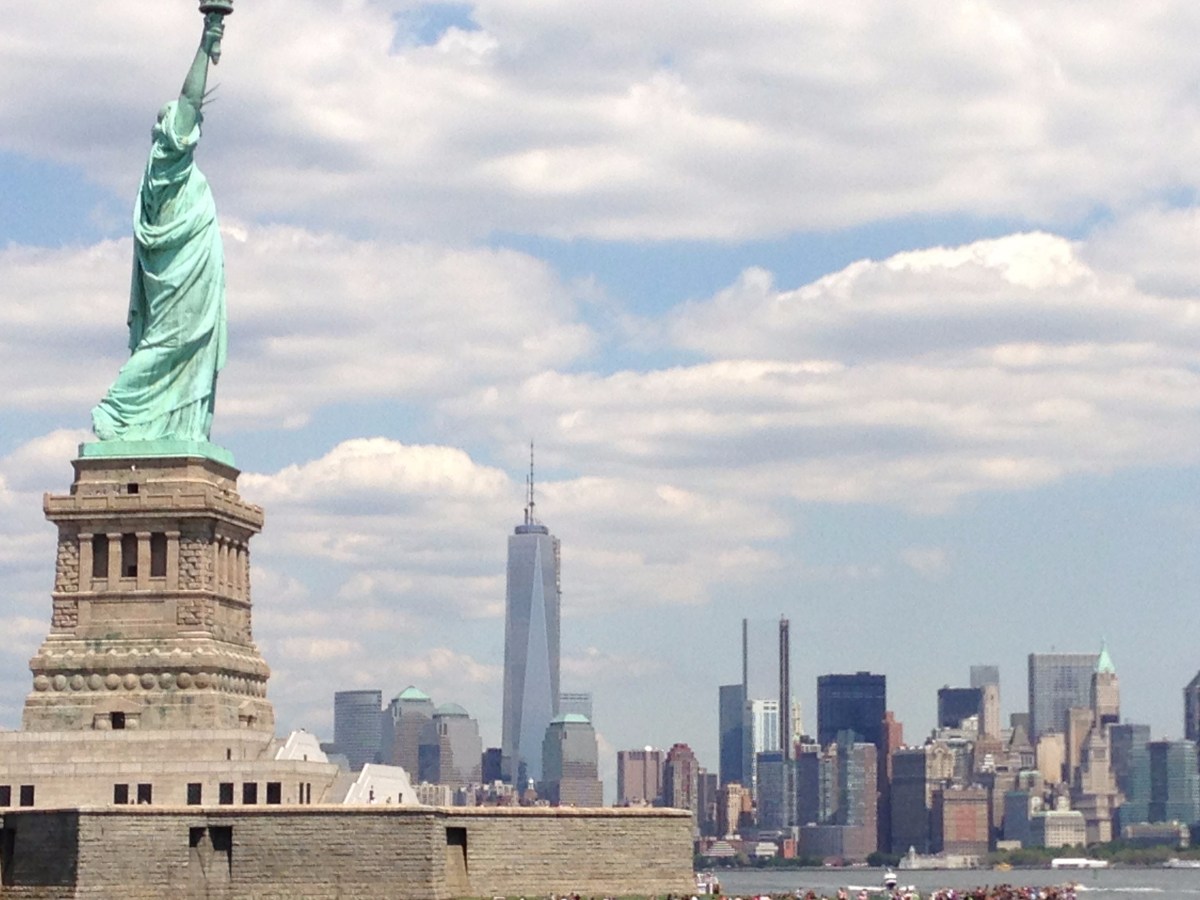
Working Stiff -a book review to remember 9/11
When she applied for a position in New York City at the NYC Office of the Chief Medical Examiner (OCME), Dr. Judy Melinek never imagined that decision would plunge her into the nightmare of September 11, 2001. She was at the ME office that day when the Twin Towers were attacked and fell, killing thousands…
Keep readingexploring the HEART of health
September has 30 days, as do April, June, and November.
I’d love for you to follow this blog. I share information and inspiration to help you transform challenges into opportunities for learning and growth.
Add your name to the subscribe box to be notified of new posts by email. Click the link to read the post and browse other content. It’s that simple. No spam.
I enjoy seeing who is new to Watercress Words. When you subscribe, I will visit your blog or website. Thanks and see you next time.
Dr. Aletha
- About Dr. Aletha
- How to Use this Site
- Make Your Life Easier
- Search by Category
- Share the HEART of health
- my Reader Rewards Club
- RoboForm Password Manager

My Reader Rewards Club is a great way to earn free books and Bibles for yourself, friends, and family! Your journey to earning free faith-based products starts HERE.
(When you sign up through these links, I can earn free books too.)
As a member, you’ll have access to inspiring literature, Bibles, special promotional offers, and much more. Earning points is easy—you’ll receive 25 points just for signing up!





 watercress words by Dr Aletha