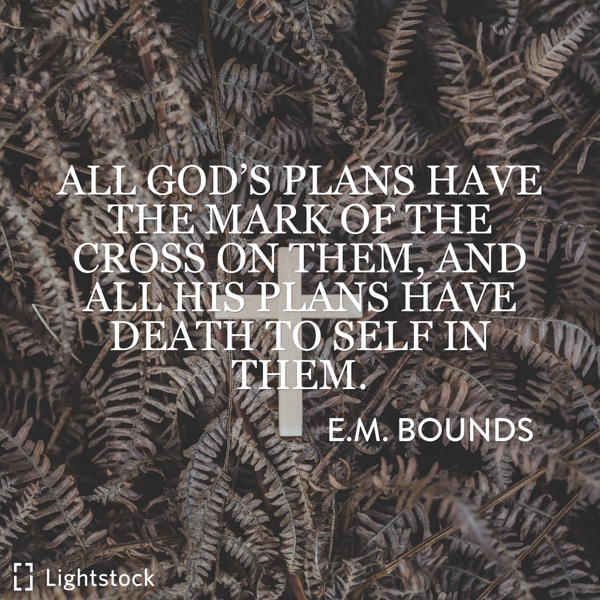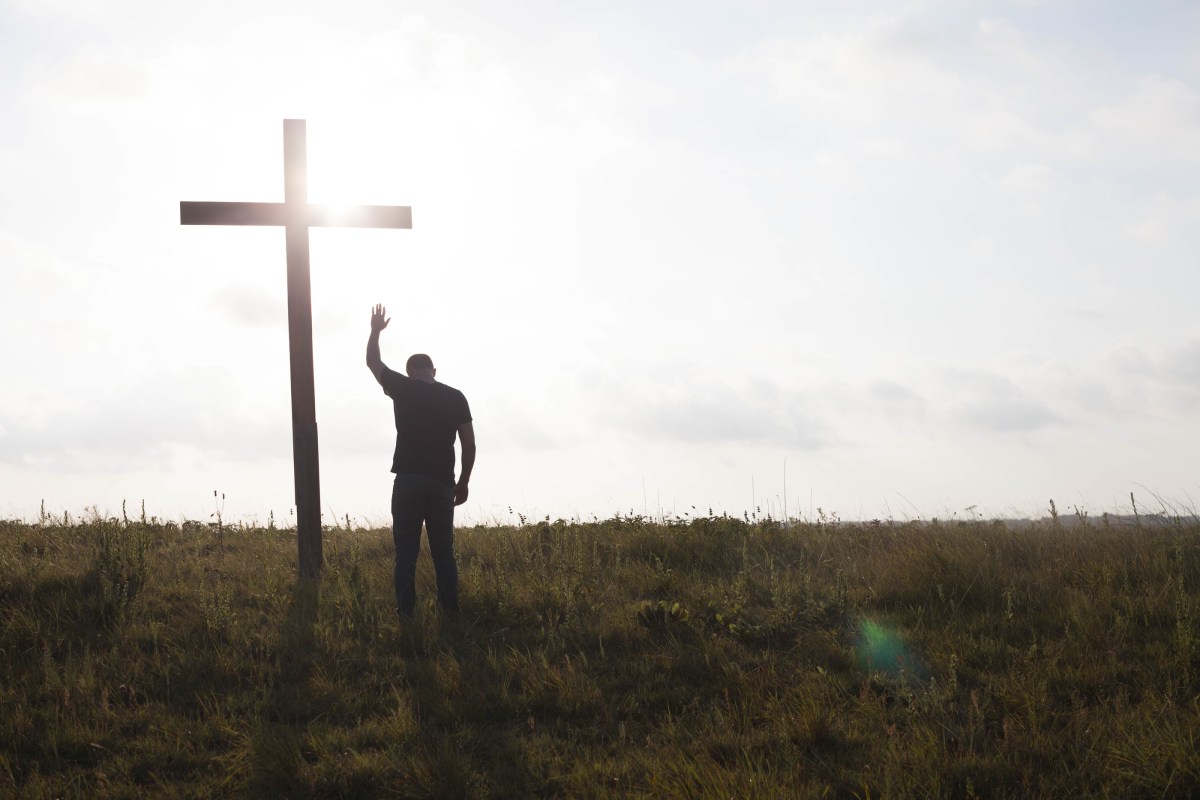
The Cross, symbol of Christianity
Christians around the world observe the Friday before Easter as “Good Friday”, although the events remembered are dark and somber. They believe that on this day, as recorded in the New Testament, Jesus Christ was crucified on a cross, died, and was buried.
Thus, a cross became perhaps the best-known symbol of Christianity.
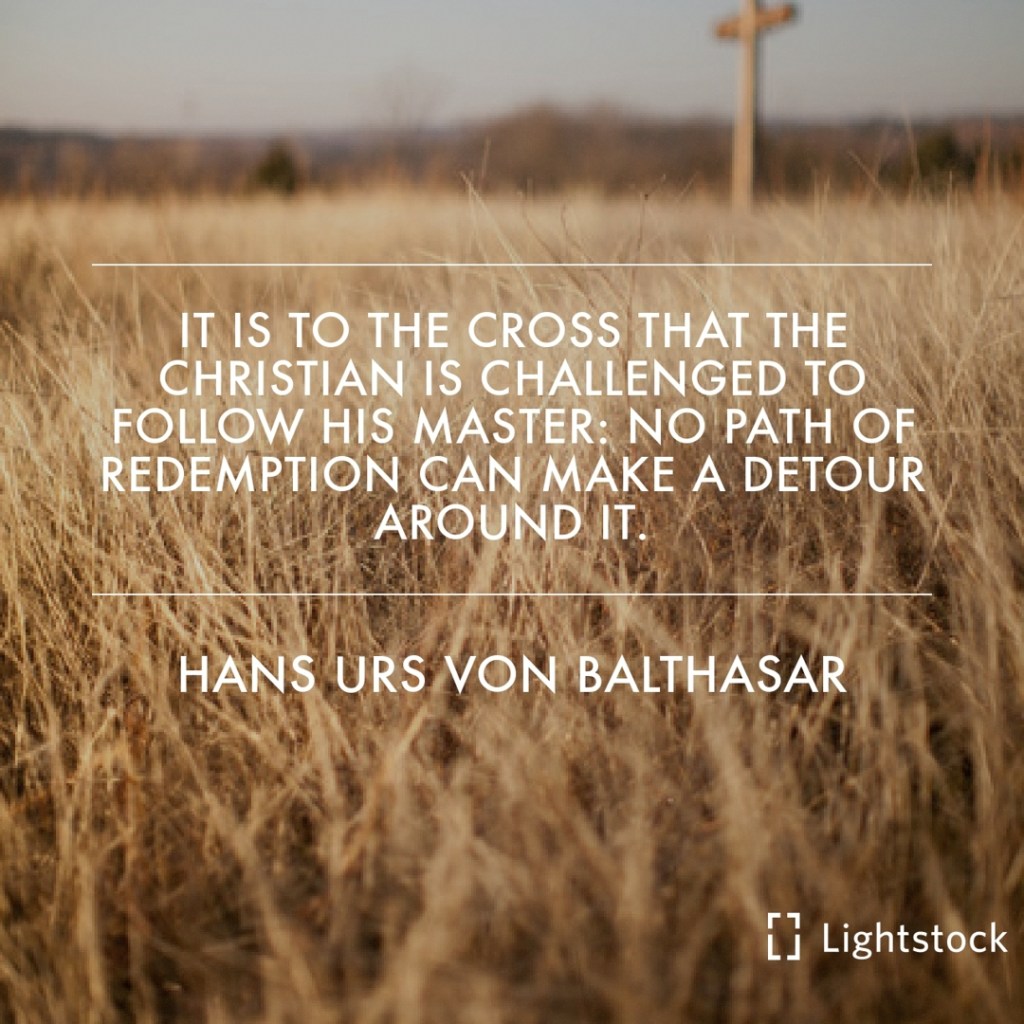
Hans Urs von Balthasar (1905–1988) was a Swiss theologian widely regarded as one of the greatest theologians and spiritual writers of modern times. Named a cardinal by Pope John Paul II, he died shortly before being formally inducted into the College of Cardinals.
He wrote over one hundred books, including Prayer, Love Alone Is Credible, and Mysterium Paschale(The Mystery of Easter) . (These are affiliate links.)
“A passerby named Simon, who was from Cyrene, was coming in from the countryside just then, and the soldiers forced him to carry Jesus’ cross.
And they brought Jesus to a place called Golgotha (which means “Place of the Skull”).
Then the soldiers nailed him to the cross.”
Gospel of Mark chapter 15
“Standing near the cross were Jesus’ mother, and his mother’s sister, Mary (the wife of Clopas), and Mary Magdalene.”
“Jesus knew that his mission was now finished, and to fulfill Scripture he said, “I am thirsty.” A jar of sour wine was sitting there, …… When Jesus had tasted it, he said, “It is finished!” Then he bowed his head and gave up his spirit.”
Gospel of John chapter 19
Good Friday-Jesus was buried in a tomb
“Then he (Joseph) took the body down from the cross and wrapped it in a long sheet of linen cloth and laid it in a new tomb that had been carved out of rock. This was done late on Friday afternoon, the day of preparation, as the Sabbath was about to begin.
As his body was taken away, the women from Galilee followed and saw the tomb where his body was placed.”
Gospel of Luke chapter 23
All scriptures are used from
Holy Bible, New Living Translation, copyright © 1996, 2004, 2015 by Tyndale House Foundation. Used by permission of Tyndale House Publishers, Inc., Carol Stream, Illinois 60188. All rights reserved.

Thanks for sharing these words of faith, hope, and love with me. Dr. Aletha
Exploring the HEART of Health
Thank you for reading this post. Please follow this blog and me on social media.
I share information and inspiration to help you transform challenges into opportunities for learning and growth.
Add your name to the subscribe box to be notified of new posts by email. Click the link to read the post and browse other content. It’s that simple. No spam.
I enjoy seeing who is new to Watercress Words. When you subscribe, I will visit your blog or website. Thanks and see you next time.
- About Dr. Aletha
- How to Use this Site
- Make Your Life Easier
- Search by Category
- Share the HEART of health
- my Reader Rewards Club
- RoboForm Password Manager
Dr. Aletha
The cover featured image is from Lightstock.

Lightstock-quality photos and graphics site- here.
(This is an affiliate link)
Many people find using their phones a convenient way to read and meditate on the Bible. And it’s easy to do so with the Dwell Bible App.
With Dwell you can listen to and read the Bible and special devotional offerings for Advent, Lent, and throughout the year.