The pandemic may have suppressed flash mobs, but a heartwarming video of one in a hospital has been preserved. Music’s positive effects on health are noted, with scientists exploring its benefits. The video features music students performing “The Waltz of the Flowers” at Hadassah Hospital. It emphasizes the link between music and health.
Have “flash mobs” gone away? Maybe because of the pandemic, they’ve been suppressed. So I’m glad this one has been preserved on video.
You don’t expect a flash mob to happen in a hospital, but when you think about it, isn’t that one of the best places for one to happen? Music makes us feel good. Music can touch us in ways that medicine can’t.
“Music has been around since ancient times. It is part of every known culture. It can get your foot tapping, lift your mood, and even help you recall a distant memory.
Did you know that music can bring other health benefits? Scientists are exploring the different ways music stimulates healthier bodies and minds.
“When you listen to or create music, it affects how you think, feel, move, and more,” says neuroscientist Dr. Robert Finkelstein, who co-leads NIH’s music and health initiative.”
(this blog earns a small commission if you purchase from this link)
Exploring the HEART of Health
Thank you for reading this post. Please follow this blog and me on social media.
I share information and inspiration to help you transform challenges into opportunities for learning and growth.
Add your name to the subscribe box to be notified of new posts by email. Click the link to read the post and browse other content. It’s that simple. No spam.
I enjoy seeing who is new to Watercress Words. When you subscribe, I will visit your blog or website. Thanks and see you next time.
Inspired by a childhood story and personal struggles, Dolly Parton established the Imagination Library, providing free books to children. Her own experience led to the song “Coat of Many Colors,” conveying the value of love over material possessions. Through this initiative, she aims to nurture children’s dreams through the joy of reading.
updated August 25, 2026
Today the world is a little less bright. Dolly Parton passed away at 80 years old. She will be missed but her dreams will live on.
Every year, thousands of children receive free books in the mail just for signing up. This post explains why. Let’s start with a story from the Bible.
Joseph and His Dream
“Jacob’s son Joseph was now seventeen years old, and he loved Joseph more than any of his other children because Joseph was born to him in his old age. So one day Jacob gave him a special gift—a brightly colored coat.
His brothers of course noticed their father’s partiality, and consequently hated Joseph; they couldn’t say a kind word to him.”
(Joseph had two dreams in which he became so powerful that his brothers bowed down before him.)
“And they hated him both for the dream and for his cocky attitude.”
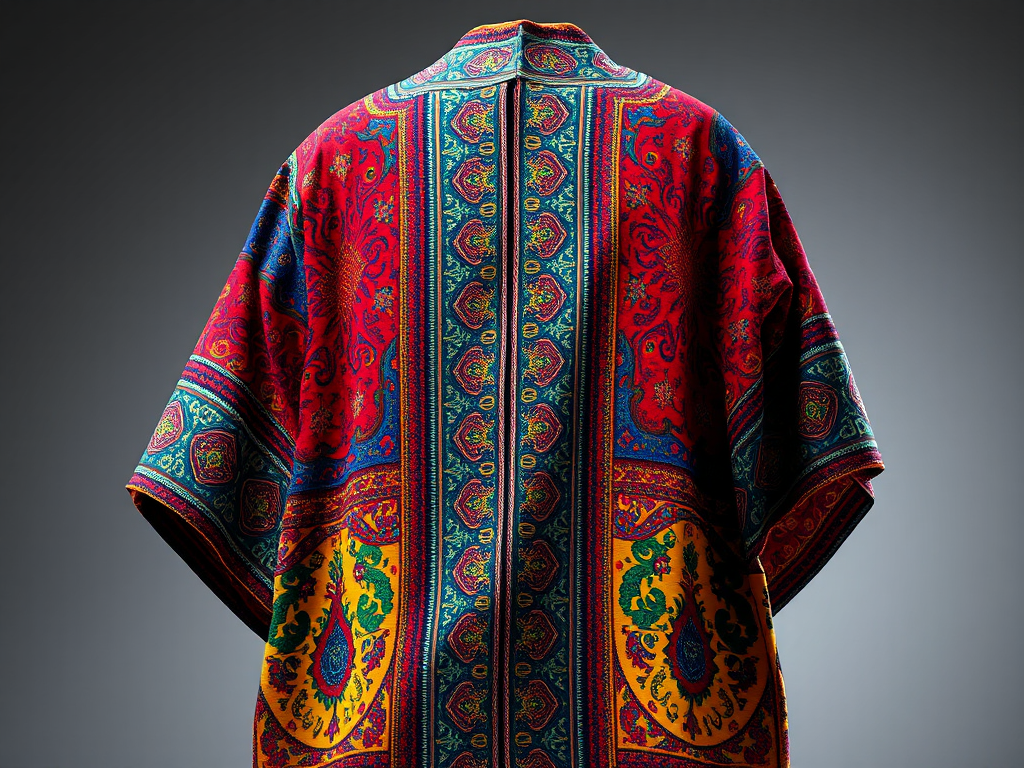
created by AI
(One day Joseph’s father sent him to his brothers who were watching the flocks of sheep. He told Joseph to come back and tell him how they were getting along.)
“But when they saw him coming, recognizing him in the distance, they decided to kill him.
The Brothers and Their Plan
“Here comes that master-dreamer,” they exclaimed. “Come on, let’s kill him and toss him into a well and tell Father that a wild animal has eaten him. Then we’ll see what will become of all his dreams!”
So when Joseph got there, they pulled off his brightly colored robe, and threw him into an empty well—there was no water in it. Then they sat down for supper.”
(But then they decided it wasn’t a good idea to kill him; after all, he was their brother. So they decided to sell him to some traders instead.)
graphic compliments of A Little Perspective
“So when the traders came by, his brothers pulled Joseph out of the well and sold him to them for twenty pieces of silver, and they took him along to Egypt.
Then the brothers killed a goat and spattered its blood on Joseph’s coat, and took the coat to their father and asked him to identify it.
“We found this in the field,” they told him. “Is it Joseph’s coat or not?”
Their father recognized it at once.
“Yes,” he sobbed, “it is my son’s coat. A wild animal has eaten him. Joseph is without doubt torn in pieces.”
Then Jacob tore his garments and put on sackcloth and mourned for his son in deepest mourning for many weeks. His family all tried to comfort him, but it was no use.”
Older translations of the Bible translate the “brightly colored coat” as “a coat of manycolors”, or as songwriter Andrew Lloyd Webber called it “the amazing technicolor dreamcoat”.
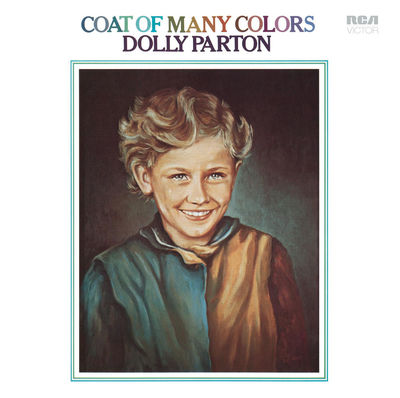
Country singer Dolly Parton had a “coat of many colors” as a child in rural Tennessee. Her mother made it out of rags; the family was poor and couldn’t afford to buy her a new coat.
When her mother gave it to her, she told Dolly the story of Joseph, and Dolly was proud to wear her coat too. But when she went to school, her friends weren’t so impressed and made fun of her.
But she knew better; she knew that the love sewn into her coat was more important than the price. The joke was definitely on them since she grew up to become successful, rich, and famous.
Not only that, she is generous. She established a library of free books for children.
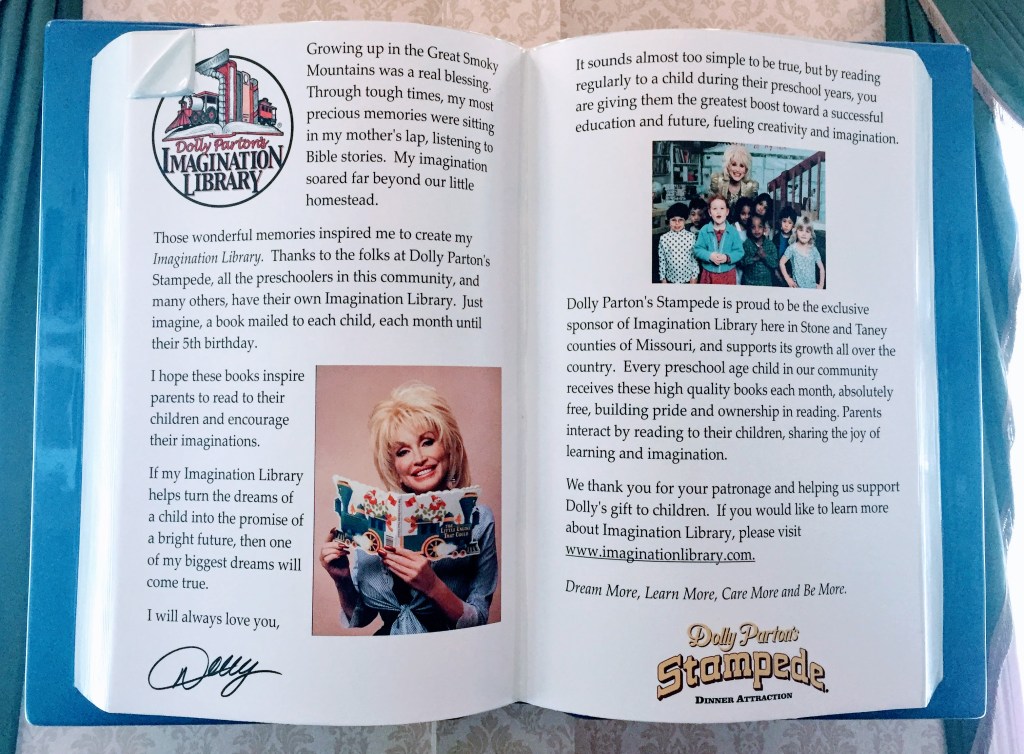
Dolly Parton’s Imagination Library is dedicated to inspiring a love of reading by gifting books free of charge to children from birth to age five, through funding shared by Dolly Parton and local community partners in the United States, Canada, United Kingdom, Australia, and the Republic of Ireland.
Inspired by her father’s inability to read and write, Dolly started her Imagination Library in 1995 for the children within her home county. Today, her program spans four countries and mails over 1 million free books each month to children around the world.
“When I was growing up in the hills of East Tennessee, I knew my dreams would come true. I know there are children in your community with their own dreams. They dream of becoming a doctor or an inventor or a minister. Who knows, maybe there is a little girl whose dream is to be a writer and singer.
The seeds of these dreams are often found in books and the seeds you help plant in your community can grow across the world.”
Dolly Parton
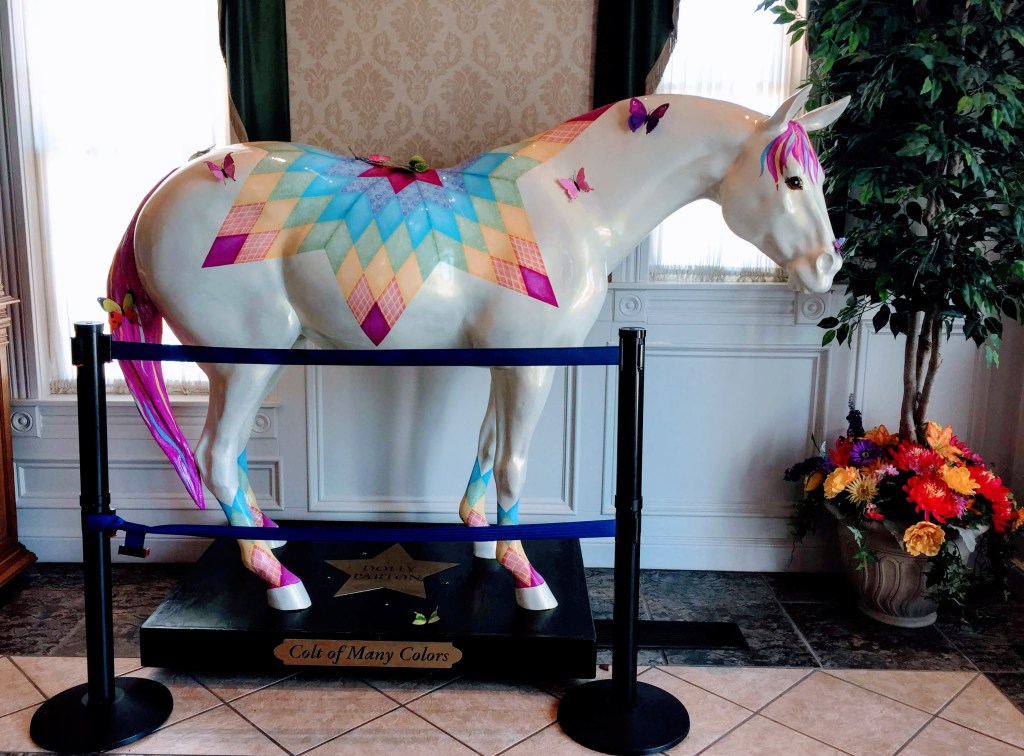
display at Dolly Parton’s Stampede Dinner Attraction, Branson Missouri
The Seeds of Dreams
I know this is true. My dream of becoming a doctor began and grew from books I borrowed from my local library. I believe every child should have that opportunity.
From our dreams come life-changing experiences for us, and for those whom we help later on.
If someone, a parent, teacher, neighbor, or coach, has encouraged your dream, thank them. They have given you a priceless gift.
What are you dreaming of now? What makes the dream important to you?
What next step do you need to take to make it come true? Who can support and help you to remove obstacles?
Whose life besides yours can you change with your dream.
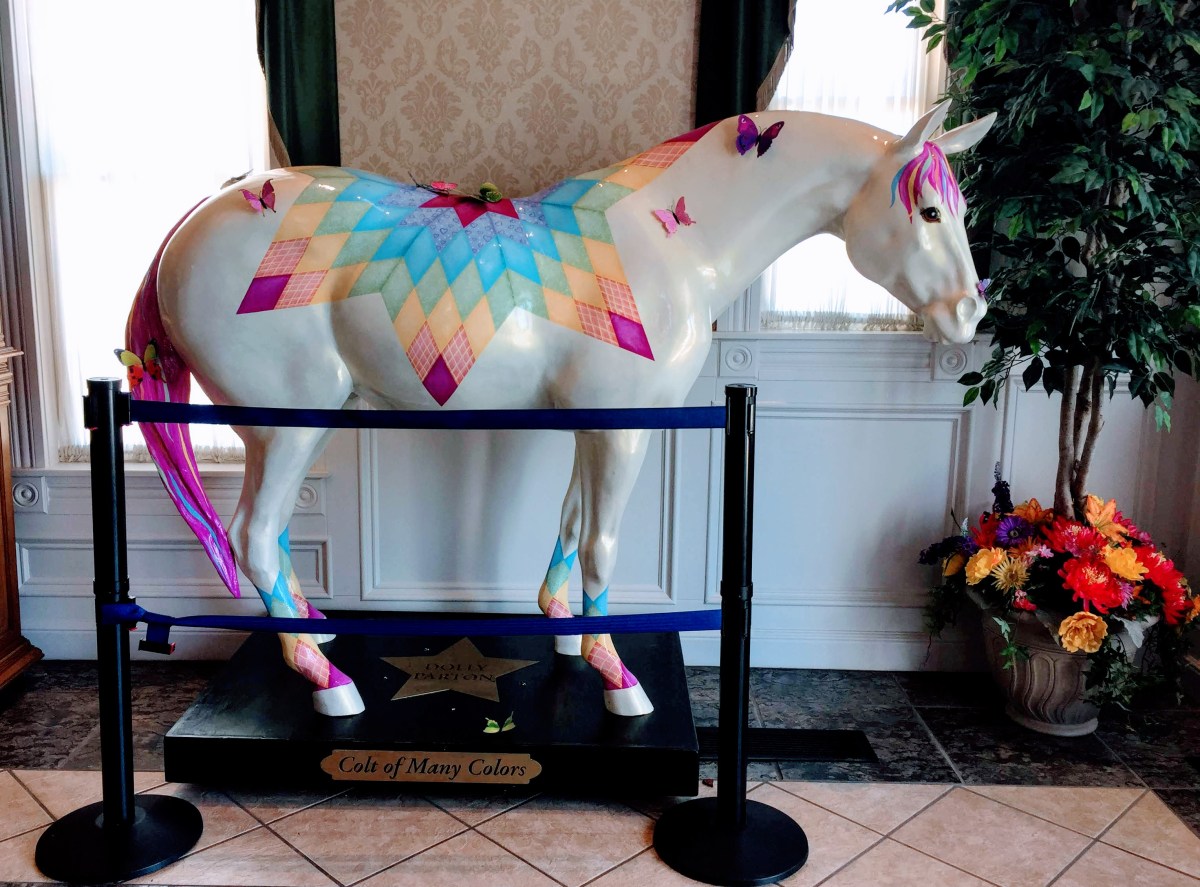
a “colt” of many colors at Dolly Parton’s Stampede Dinner attraction in Branson, Missouri
A Coat Inspires a Song
Dolly wrote a song about her coat, a song she says is her favorite among the many songs she has written and recorded.
I invite you to listen to it here. I think you will understand why it is her favorite and why it reached number 4 on the country music charts in 1971.
If you want to know what happened to Joseph after he arrived in Egypt, you can read the rest of the story in Genesis, or watch it on Amazon Prime
Thank you for reading this post. Please follow this blog and me on social media.
I share information and inspiration to help you transform challenges into opportunities for learning and growth.
Add your name to the subscribe box to be notified of new posts by email. Click the link to read the post and browse other content. It’s that simple. No spam.
I enjoy seeing who is new to Watercress Words. When you subscribe, I will visit your blog or website. Thanks and see you next time.