What we learn by remembering D-Day

A D-Day memoir from a man who was there
#D-Day#PTSD#BillHart

You may recognize June 6 as D-Day, when in 1944 Allied troops invaded Normandy France, an event that would eventually end World War II.

I especially remember my friend Bill, who died in 2014. Bill served in the Army during World War II , and his unit was part of the force that invaded Normandy.

Bill wrote a memoir about his military experiences which I unfortunately did not read until after his death. I want to share some of his memories with you here.

D-DAY VET REMEMBERS NORMANDY


In 1943, as a 20 year old, Bill  joined the Army, deployed to England, and prepared for the invasion. What he thought would be a grand adventure turned into a nightmare which he vividly captured in his book.

Several days into the fighting on the beaches at Normandy, he was assigned to pick up and transport the bodies of fallen soldiers. Thereafter, as he worked his way across France and Belgium into Germany, he found himself dodging enemy soldiers, liberating concentration camps, dealing with angry and defeated POWs, and famished, humiliated civilians struggling to survive.  Bill described what he saw and felt this way.
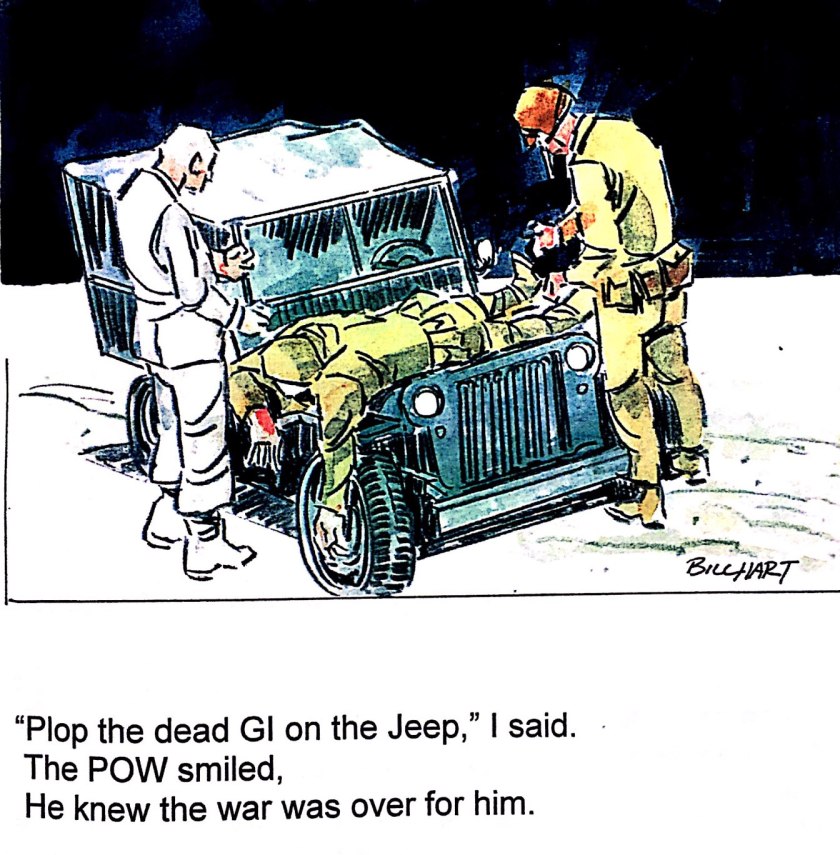
2 SOLDIERS AND A JEEP


“At night I would think about the poor GI’s family when they got the news of his death. I tried not to think too much about this “dead guy” job. It seemed to go on forever.

For the next month and a half I was really alone, not attached to any outfit. I found my own food, water, gas for the Jeep and slept alone beside the Jeep in an open field. I shaved with cold water in my helmet and used my Jeep mirror to see.

The Germans were always near. I was scared I would be killed or captured. “Who knows where I am? Who would tell my mother if I died?”

In the beginning it had been exciting being alone with the invasion action all around me. But now I have panic attacks and nightmares of the dead bodies waking me as I sleep in the open field alone.

Most GI’s have other soldiers around them to feel safety in numbers. I had no one. I can’t get their dead faces out of my mind. I wait for the bright morning sun to erase the terrible images.”


After the war, Bill established a career as a commercial artist. Art provided not only a living for him and his family but also an outlet for dealing with the distressful memories of the war.


He created an extensive portfolio of drawings and paintings depicting  images of what he saw and experienced.  By expressing his feelings on canvas, he released some of their distress.

SOLDIER LYING ON THE GROUND


“Later I forced myself to stop thinking about the “dead guys” experience and eventually forgot it.

62 years later, in 2006, when I applied for compensation for war injury during the Battle of the Bulge, the woman who interviewed me kept telling me I was leaving something out, something from my past.

I finally remembered after much writing about my remembered events in the 1944 and 1945 war period and was diagnosed with PTSD.

I believe, the greatest event of the 20th century took place during the June 1944 D-Day Normandy Invasion. I am very proud of being a small part of that great historical event that will always be remembered.”


Quotes and drawings from Bill’s memoir, D-DAY VET REMEMBERS NORMANDY (copyright) used by permission of his wife

Bill was proud to be a World War II veteran and I count it a privilege to know him. He was a kind, gentle man who loved God, his family and friends. He is missed by all of us who love him.

MAN IN A NORMANDY D-DAY HAT
Bill Hart, World War II veteran

Bill also drew other subjects, like the print featured above this post. Every year he and his wife sent out a Christmas card which he illustrated.

Bill’s artwork and copies of his book are available to purchase from his wife. If you are interested, contact me here and I will put you in touch with her.

POST-TRAUMATIC STRESS DISORDER-PTSD

Once known as “shell shock” or “battle fatigue”, post-traumatic stress disorder, PTSD, has become the most common post-military service disorder. Although it also occurs in civilians who experience severe trauma, it has  been defined, studied, and treated among current and former service members.

PTSD develops after exposure to or experiencing significant traumatic events such as interpersonal violence, death or  threat of death, serious accidents, disasters and combat.

There are 4 types of symptoms-

  • Intrusions, such as flashbacks, nightmares
  • Avoidance- isolating oneself from people and/or certain situations
  • Negative mood changes, such as irritability, anger and depression
  • Hypervigilance- being easily startled, always on edge

PTSD can also lead to depression, anxiety, alcohol and substance abuse and suicide.

It is also frequently associated with traumatic brain injury (TBI)  and chronic pain.

The National Center for PTSD (Veterans Administration)  is dedicated to research and education on trauma and PTSD, working to assure that the latest research findings help those exposed to trauma. They offer extensive information and resources at this link

PTSD: National Center for PTSD


Army veteran kneeling by inscribed bricks
Raymond Oglesby at the Angel Fire New Mexico VietNam Veterans Memorial


My husband Raymond has shared his veteran story at this link

From  bullets to blessings

7 Steps to a Healthy Heart

This post is part of a series on heart health, covering heart anatomy, diseases, risk factors, symptoms, and ways to maintain heart health. It discusses types of heart disease, risk factors including genetics and lifestyle, symptoms indicating heart problems, and preventative measures such as quitting smoking, managing weight, and controlling stress.

This post is part of my HEART HEALTH series.

In the first post, I introduced you to the HEART, its anatomy, and how it works.

diagram of the human heart
Heart diseases affect any and sometimes multiple parts of the heart- the atria, ventricles, the valves, the aorta, the pulmonary artery and veins, the walls and the coronary arteries (not shown in this diagram. )

In the second post, we looked at ways the HEART can “break”.

7 important forms of HEART DISEASE.

  1. Congenital heart disease
  2. Cardiomyopathy
  3. Coronary artery disease/myocardial infarction ( heart attack)- the most common cause of death in the United States
  4. Congestive heart failure
  5. Sudden cardiac death
  6. Arrhythmia
  7. Hypertension
EKG tracing
In sudden cardiac death, the heart stops beating abruptly

In this post, we look at protecting our HEARTS from disease, disability, and death. 

What increases your risk of developing HEART disease?

There are 7 important risk factors for heart disease 

  1. smoking
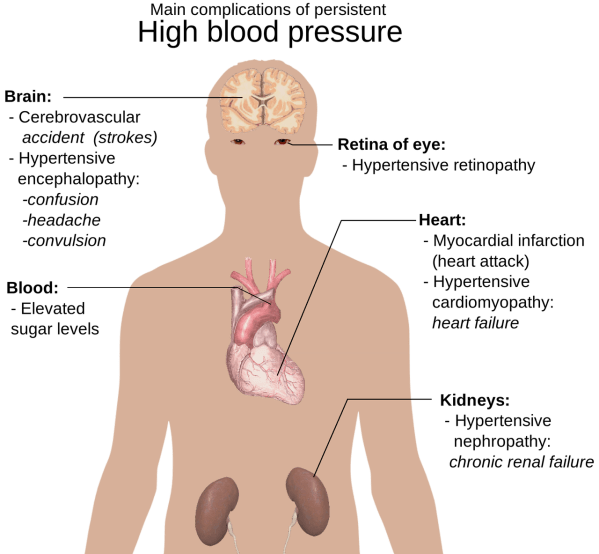
  2. hypertension
  3. excess body weight
  4. sedentary lifestyle, too little physical activity
  5. high blood fats (cholesterol)
  6. high blood sugar (glucose)
  7. poor nutrition
complications of high blood pressure

Other risk factors cannot be changed. These include

gender– unfortunately males are somewhat more at risk, especially at younger ages.

age– our risk increases as our age does.

ethnicity– some ethnic groups have a higher risk. In the United States these are African Americans, Native Americans, Hispanics. These may be due to genetics, and/or social determinants of health.

Family history– This means a close relative, like a parent or sibling, who developed heart disease young, or less than 50 years old.

7 symptoms that may indicate a heart problem

  1. Chest pain– this is probably the most recognized heart disease symptoms, but is not unique to heart disease, nor is it always found in heart disease.
  2. Shortness of breath– especially if it occurs with minimal exertion, or if you find you have less tolerance for exertion.
  3. Palpitations– this means feeling like your heart is beating too fast, too hard, or at irregular intervals.
  4. Fatigue- especially if out of proportion to physical activity, if you tire more easily or quickly, or seem to have less energy than in the past
  5. Unexplained weight gain or swelling in the feet and legs
  6. Dizziness or lightheadedness when standing or walking, especially after exertion.
  7. Syncope, the medical term for fainting or passing out, especially if no other obvious cause (some people know they faint at the sight of blood, or with certain smells; that form of fainting is usually harmless, unless injured from falling)

How to keep our hearts healthy

  1. Stop smoking– consider these  7 surprising reasons to be smoke free
  2. Control your weight– achieve  and stay at a healthy weight.6 steps to losing weight and gaining hope
  3. Be screened for diabetes and high cholesterol; if found, manage with your doctor’s supervision .10 Silent Signs of Diabetes
  4. Get more active, do some physical activity on a regular basis.Health lessons from the Women’s World Cup
  5. Eat less junk food,make healthier food choices. Learn easy ways to shop healthier from the American Heart Association
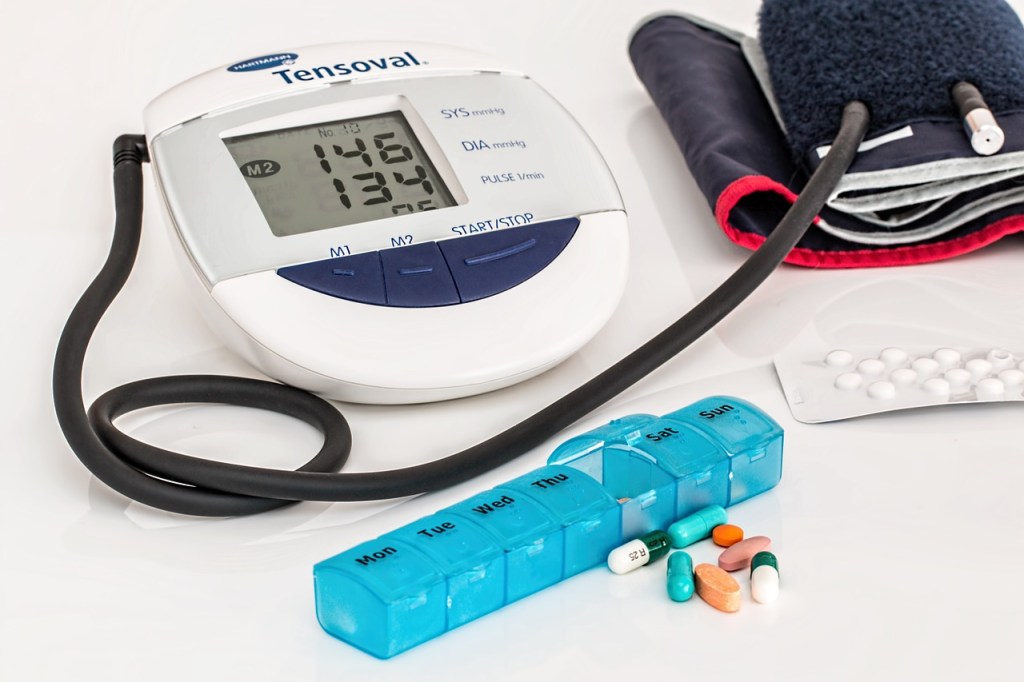
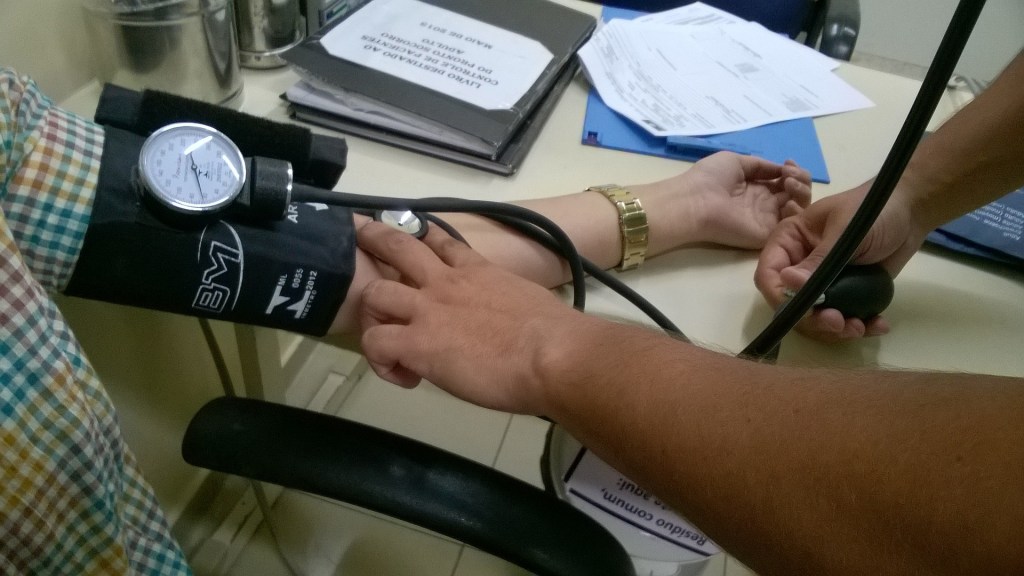
  6. Have your blood pressure checked regularly (ask your doctor how often). If you have hypertension,  follow your doctor’s management plan, which may include medication. Learn more from FamilyDoctor.org 
  7. Control and manage stress. Medical studies suggest that emotional stress can bring on cardiovascular disease. You can learn more from Dr. James Marroquin’s fascinating post.
PROVERBS 4:23- GUARD YOUR HEART
a wise saying, in more ways than one thanks to TriciaGoyer.com

Exploring the HEART of Health

I’d love for you to follow this blog. I share information and inspiration to help you transform challenges into opportunities for learning and growth.

Add your name to the subscribe box to be notified of new posts by email. Click the link to read the post and browse other content. It’s that simple. No spam.

I enjoy seeing who is new to Watercress Words. When you subscribe, I will visit your blog or website. Thanks and see you next time.

Medical stethoscope and heart on a textured background

Dr Aletha