
This information is current as of the date of original publication or update but may have changed by the time you read this. Do not use this information for diagnosis or treatment purposes. Before making health decisions, discuss with a qualified healthcare professional.
update November 22, 2025
Another physician blogger, Kristin Prentiss Ott, M.D., asked her physical therapist friend Dr. Carolyn Dolan to write a guest post on her blog. In this post I summarized the information. Unfortunately, neither the post nor the blog are still online. However I found this podcast by Dr. Dolan.
The post offers advice to aid recovery after orthopedic injuries and surgery, but I think you can apply it to any illness, injury, or surgery. As always, you should check with the doctor managing your care before trying anything.
Move often and safely.
Good advice for everyone, injured or not. Many health experts believe that lack of physical activity is as much a health risk as poor diet or even smoking.

Ask for help.
This one is hard for me, as I tend to think I can manage on my own and don’t want to inconvenience someone else. When I fell and broke my foot, I learned to ask for help. And people were happy to do so.
Drinking bone broth.
That’s a new concept for me, although I’ve cooked soups and stews with chicken and beef on the bone, so it’s not really as strange as it sounds at first.
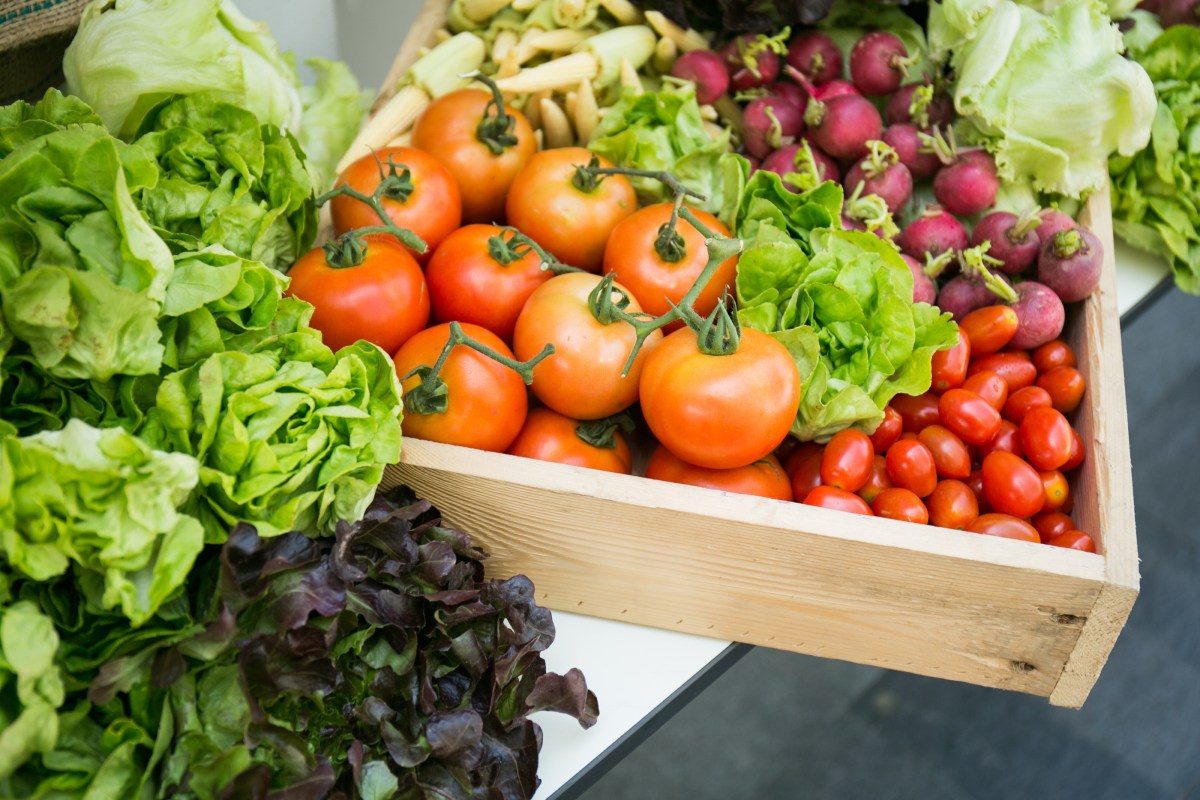
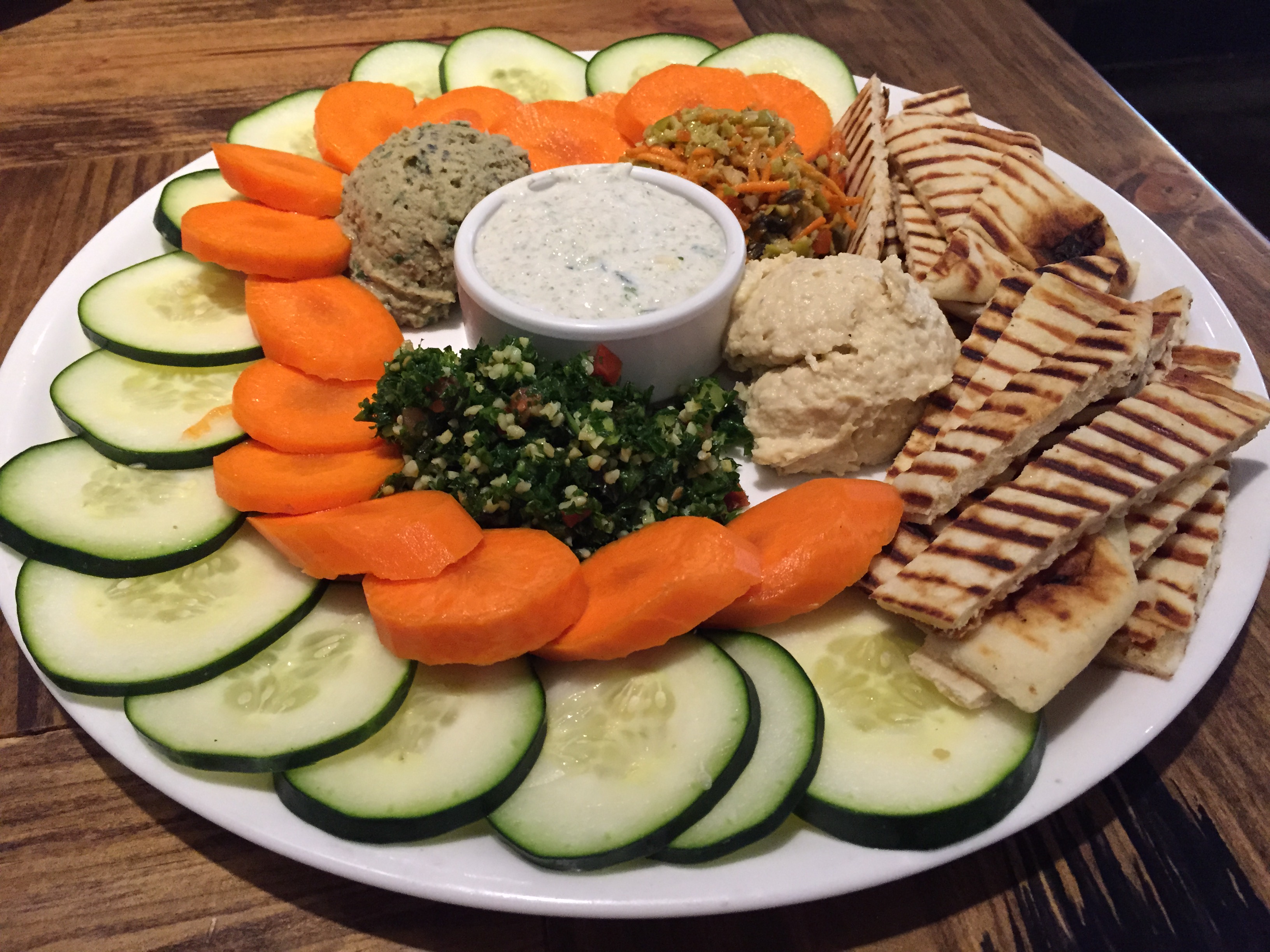
Eat real food.
- To me, that means fresh vegetables and fruits, whole grains, and moderate amounts of lean meats, poultry and fish.
- Limit sugar.
- Using healthy oils like olive.
- Save the junk food for an occasional “treat” if you really want it.

Get out in the sun.
This doesn’t mean to lay out for hours getting tanned or burned. But the sun helps our bodies make Vitamin D. Also, natural light can help with mood and sleep regulation.
Get enough rest and sleep.
Too many of us treat sleep like a luxury instead of a necessity. Most chronic tiredness is due to sleep deprivation, not anemia, low thyroid or adrenal fatigue.
Exploring the HEART of Health
I’d love for you to follow this blog. I share information and inspiration to help you transform challenges into opportunities for learning and growth.
Add your name to the subscribe box to be notified of new posts by email. Click the link to read the post and browse other content. It’s that simple. No spam.
I enjoy seeing who is new to Watercress Words. When you subscribe, I will visit your blog or website. Thanks and see you next time.
- About Dr. Aletha
- How to Use this Site
- Make Your Life Easier
- Search by Category
- Share the HEART of health
- my Reader Rewards Club
- RoboForm Password Manager
Dr. Aletha



 watercress words by Dr Aletha