Prostate cancer screening- where it stands now

(this post has been updated 11/17/2015)

Prostate cancer is to men what breast cancer is to women in the United States-

  • The number 1 diagnosed cancer in men
  • The number 2 cause of cancer-related death in men
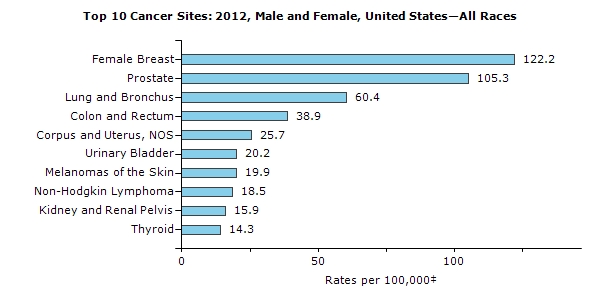
Top 10 cancers in the U.S.

So, naturally we would like to be able to diagnose it at a stage where the chance for a cure is greatest.

A screening test is a test that is done on a healthy person to detect a disease that is not causing symptoms. 

For breast cancer, that is a mammogram. For prostate cancer, it is a fairly simple blood test to measure a chemical called Prostate-specific antigen, or PSA
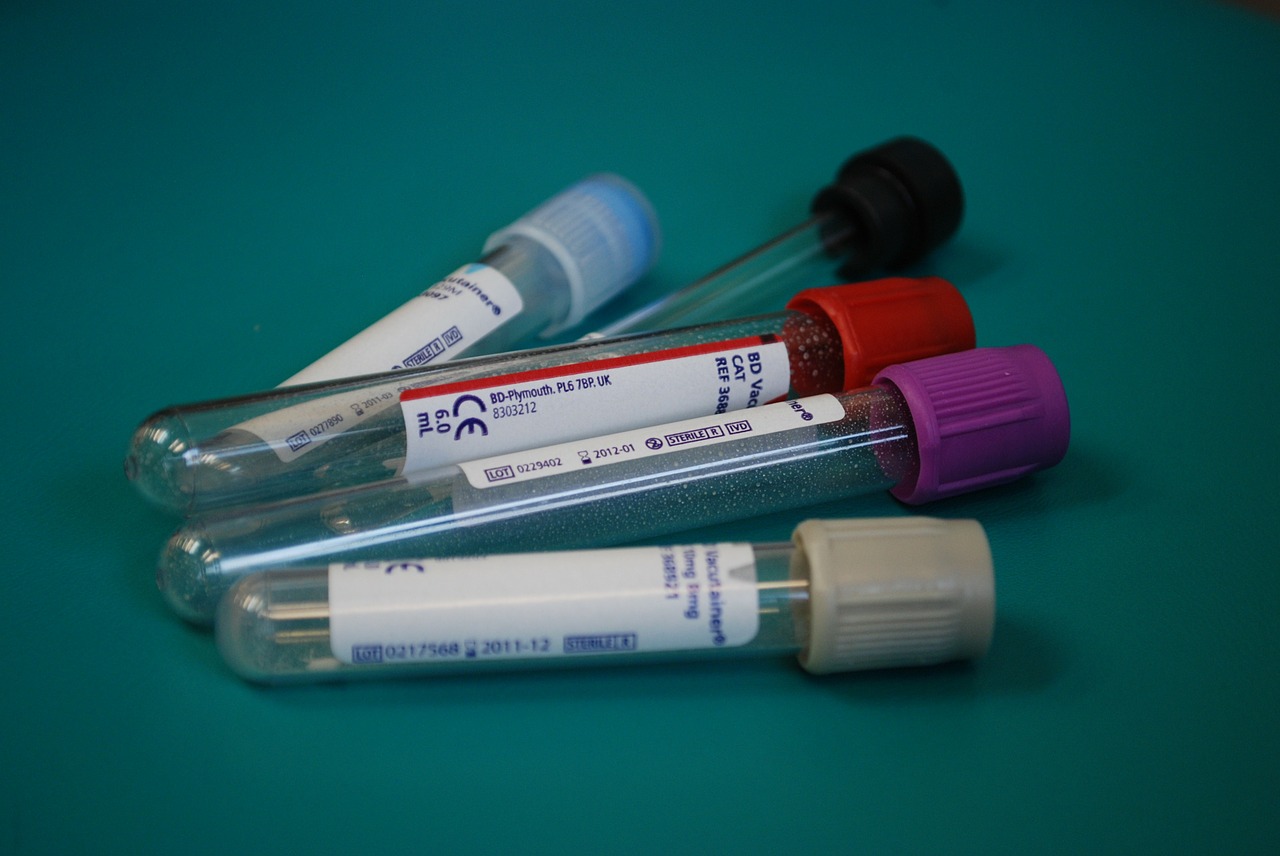
The blood level of PSA may be high or normal in the presence of cancer. If high, it will decline with treatment.

 PSA is a protein produced only by the prostate gland; levels in the blood can be elevated by any disease of the prostate, not just cancer. And, in some cases, it can be normal, even in the presence of cancer.
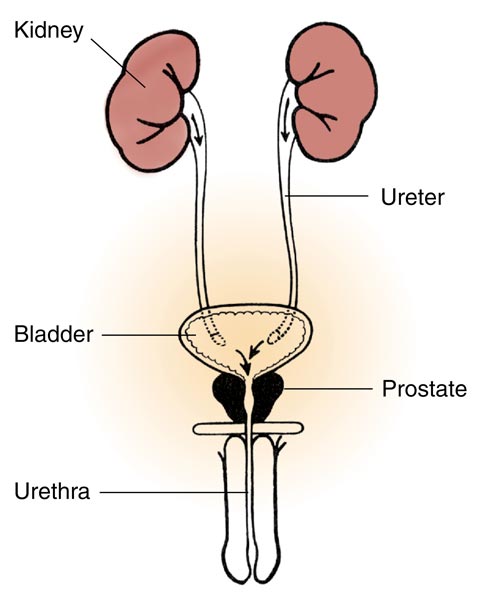
anatomy of the prostate gland
The prostate gland sits just under the bladder in the pelvic area.

Despite the bleak sounding statistics, we know that most prostate cancers grow so slowly that they will never cause death. And, for cases that are discovered and treated, sometimes the treatment can cause complications worse than would have occurred from the cancer.

So, multiple organizations including the American Cancer Society, and the American Urological Association, have issued guidelines for screening. To simplify, I am listing a composite of the recommendations from them and others, since they are all quite similar.

  • Men under 50 years old- screening not recommended (unless high risk, see below)
  • Men from age 50 to 70 years old should discuss the benefit versus risk with their physician, and make a decision together
  • Black men are at higher risk so should discuss screening with their physician at age 45 years.
  • Men whose father or brother had prostate cancer prior to age 65 years, should begin discussions at age 45 years.
  • Men age 70 and older do not need screening, because they will unlikely die from prostate cancer.
  • Finally, any man whose health status suggests a life expectancy of less than 10-15 years does benefit from  screening.

The goal for cancer screening, other than merely finding a cancer, is to

  • increase a person’s chance for cure and survival.
  • minimize complications of the screening and treatment

In the case of prostate cancer, screening does not seem to accomplish this. But these, like other screening guidelines, are based on current evidence, so must be reviewed regularly and changed based on new information.

Here are the guidelines as published for patients in the Journal of the AMA with a link to a podcast discussion.

This Guide to Surviving Prostate Cancer 

by Dr. Patrick Walsh

Guide to Surviving Prostate Cancer
This represents an affiliate link for this book.

“covers every aspect of prostate cancer, from potential causes including diet to tests for diagnosis, curative treatment, and innovative means of controlling advanced stages of cancer.”

Simple Ways to Recover from Injury or Surgery

This information is current as of the date of original publication or update. It may have changed by the time you read this. I invite you to fact-check what you read here.

Please do not use this information for diagnosis or treatment purposes. Before making health decisions, discuss with your physician or other qualified healthcare provider.

update November 22, 2025

Another physician blogger, Kristin Prentiss Ott, M.D., asked her physical therapist friend Dr. Carolyn Dolan to write a guest post on her blog. In this post I summarized the information. Unfortunately, neither the post nor the blog are still online. However I found this podcast by Dr. Dolan.


The post offers advice to aid recovery after orthopedic injuries and surgery, but I think you can apply it to any illness, injury, or surgery. As always, you should check with the doctor managing your care before trying anything.

Move often and safely.

Good advice for everyone, injured or not. Many health experts believe that lack of physical activity is as much a health risk as poor diet or even smoking.

jogging-trail


Ask for help.

This one is hard for me, as I tend to think I can manage on my own and don’t want to inconvenience someone else. When I fell and broke my foot, I  learned to ask for help. And people were happy to do so.


Drinking bone broth.

That’s a new concept for me, although I’ve cooked soups and stews with chicken and beef on the bone, so it’s not really as strange as it sounds at first.


Eat real food.

  • To me, that means fresh vegetables and fruits, whole grains, and moderate amounts of lean meats, poultry and fish.
  • Limit sugar.
  • Using healthy oils like olive.
  • Save the junk food for an occasional “treat” if you really want it.
well balanced meal
Eat a variety of fresh foods every day


Get out in the sun.

This doesn’t mean to lay out for hours getting tanned or burned. But the sun helps our bodies make Vitamin D. Also, natural light can help with mood and sleep regulation.


Get enough rest and sleep.

Too many of us treat sleep like a luxury instead of a necessity. Most chronic tiredness is due to sleep deprivation,  not anemia, low thyroid or adrenal fatigue.


Exploring the HEART of Health

I’d love for you to follow this blog. I share information and inspiration to help you transform challenges into opportunities for learning and growth.

Add your name to the subscribe box to be notified of new posts by email. Click the link to read the post and browse other content. It’s that simple. No spam.

I enjoy seeing who is new to Watercress Words. When you subscribe, I will visit your blog or website. Thanks and see you next time.

Dr. Aletha