King, Obama, and Healthcare

Dr. Martin Luther King, Jr. was a prominent leader in the Civil Rights Movement, delivering his famous “I Have a Dream” speech during the March on Washington. Barack Obama, the first African-American U.S. President, fulfilled his promise of universal healthcare coverage with the Affordable Care Act. Steps to improve health apply to everyone, with special emphasis on African-American health issues.

updated February 8, 2024

Dr. Martin Luther King, Jr.

The Reverend Dr. King led the Civil Rights Movement in the United States from the mid-1950s until his death by assassination in 1968.

“Of all the forms of inequality, injustice in health care is the most shocking and inhumane.” — Dr. Martin Luther King, Jr. 

“In 1963, Dr. King helped lead the March for Jobs and Freedom, more commonly known as the “March on Washington,” which drew over a quarter-million people to the National Mall. It was here that he delivered his famous “I Have a Dream” speech, which cemented his status as a social change leader and helped inspire the nation to act on civil rights.” from The King Center

Barack Obama-44th U.S. President

In 2008, Democratic candidate Barack Obama ran for President of the United States and won, becoming the 44th President and the first African-American to win the office.

Former President Obama running with his dog
President Obama kept fit exercising with his dog- photo compliments Pixabay 

Obama’s Healthcare Achievement

As a candidate for president, Obama pledged to enact universal health care coverage for the country, a promise he fulfilled with the support of a Democratic Congress.

The Patient Protection and Affordable Care Act, often shortened to the Affordable Care Act (ACA), nicknamed ObamaCare, is a United States federal statute enacted by the 111th United States Congress and signed into law by President Barack Obama on March 23, 2010.


Universal Healthcare Coverage -“Obamacare”

The term “Obamacare” was first used by opponents, then embraced by supporters, and eventually used by President Obama himself. Together with the Health Care and Education Reconciliation Act of 2010 amendment, it represents the U.S. healthcare system’s most significant overhaul and expansion of coverage since  Medicare and Medicaid in 1965.


 African-American Health

To commemorate and celebrate the contributions to our nation made by people of African descent, American historian Carter G. Woodson established Black History Week. First celebrated in 1926, the week was expanded into Black History Month in 1976 as part of the nation’s bicentennial.

Each year, the U.S. President proclaims February as National African American History Month. Heart disease, cancer, and stroke are the leading causes of death for African Americans.
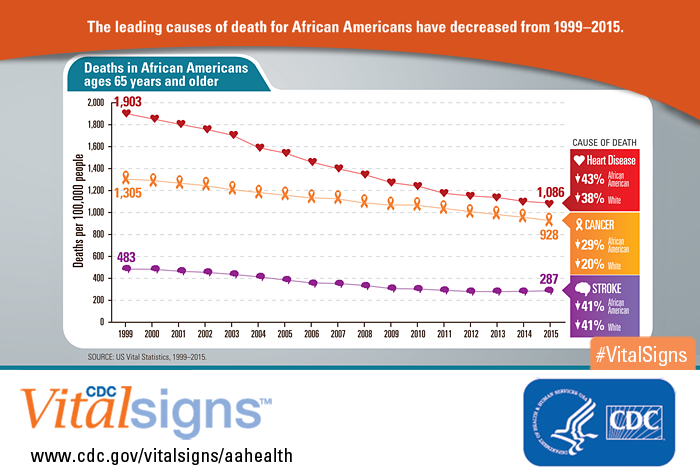
The leading causes of death for African Americans have decreased from 1999-2015.
CDC Vitalsigns

High blood pressure causes  most heart attacks and strokes in the United States. About 2 out of every 5 African American adults have high blood pressure, and less than half of them have it under control. African American adults are much more likely to suffer from high blood pressure (hypertension), heart attacks, and stroke deaths than white adults.

Cancer is the second leading cause of death among black people in the United States. Black men get and die from cancer at higher rates than men of other races and ethnicities. White women have the highest rates of getting cancer, but black women have the highest rates of dying from cancer.

Steps to Improving Health

People of any ethnic background can prevent heart disease, cancer, stroke, and other serious or chronic diseases by living a healthy lifestyle. Here’s how

  • Eat a healthy diet with fruits, vegetables, whole grains, and fat-free or low-fat milk and milk products. Choose foods low in saturated fats, cholesterol, salt (sodium), and added sugars.
  • Exercise regularly. Adults aim for 2 hours and 30 minutes (or 150 minutes total) of exercise, spread out during the week, and broken up into smaller times during the day.
  • Be smokefree. call 1-800-QUIT-NOW (1-800-784-8669) or 1-855-DÉJELO-YA (1-855-335-3569 for Spanish speakers) for free resources, including free quit coaching, a free quit plan, free educational materials, and referrals to other resources where you live.
  • Limit alcohol use, which can lead to long-term health problems, including heart disease and cancer. If you drink, do so in moderation, which is one drink a day for women and two for men.
  • Know your family history . There may be factors that could increase your risk for heart disease and stroke.
  • Manage any medical condition you might have by collaborating with healthcare professionals for best practices to control and monitor your status.


  I learned the quote on health attributed to Dr. King was never in written form, but was in an unrecorded speech. Many people verify the gist of the statement, but with some changes; he may have said “inhuman” rather than “inhumane, for example. For a discussion of this controversy, see this article by Amanda Moore.


exploring and sharing the HEART of health

I’d be honored for you to follow Watercress Words.

I’d love for you to follow this blog. I share information and inspiration to help you transform challenges into opportunities for learning and growth.

Add your name to the subscribe box to be notified of new posts by email. Click the link to read the post and browse other content. It’s that simple. No spam.

I enjoy seeing who is new to Watercress Words. When you subscribe, I will visit your blog or website. Thanks and see you next time.

  Dr. Aletha 


Reliable keys to recognize a medical emergency

How to know when an ER visit is needed for a medical problem

updated January 17, 2024

During the fall and winter, hospitals see an increase in patients with respiratory illnesses due to influenza, COVID-19, and pneumonia, as well as disorders due to cold exposure and injuries due to ice and snow.

One shouldn’t go to an emergency room unless they truly need to.

But what is an emergency?

An emergency can be a medical condition which 

  • is new, sudden, and/or unexpected,
  • worse than usual or uncontrolled,
  • of unknown origin,
  • not responding to treatment,
  • not improving or resolving,
  • interrupts normal life.

However, a more specific definition is

An emergent medical condition is one that, if not treated promptly 

  • Threatens life
  • Threatens one or more limbs
  • Threatens vision/hearing/speech/mental function/ function of any major internal organ or organ system
  • Threatens long term and/or permanent bodily harm
Minutes matter with heart emergencies

Emergency Medical Treatment and Labor Act (EMTALA). 

In the United States, a federal law known as EMTALA defines a medical emergency as

“a condition manifesting itself by acute symptoms of sufficient severity (including severe pain) such that the absence of immediate medical attention could reasonably be expected to result in placing the individual’s health [or the health of an unborn child] in serious jeopardy, serious impairment to bodily functions, or serious dysfunction of bodily organs.”

Examples of emergent conditions include 

  • Sudden or new  changes in heart function, like a myocardial infarction (heart attack), arrhythmia (abnormal heart rate or rhythm) or congestive failure (poor pumping capacity)
  • Brain conditions including stroke, head trauma, seizure, psychosis
  • Pulmonary (breathing) dysfunction including pulmonary embolus (blood clot), severe pneumonia, asthma or COPD
  • Multiple trauma, including extensive burns , multiple fractures, or trauma to any major organ like the liver or kidneys
  • Chemical changes in the blood; for example high /low blood sugar, low blood potassium, low platelets,
  • Severe depression and/or anxiety
  • Drug and alcohol overdoses
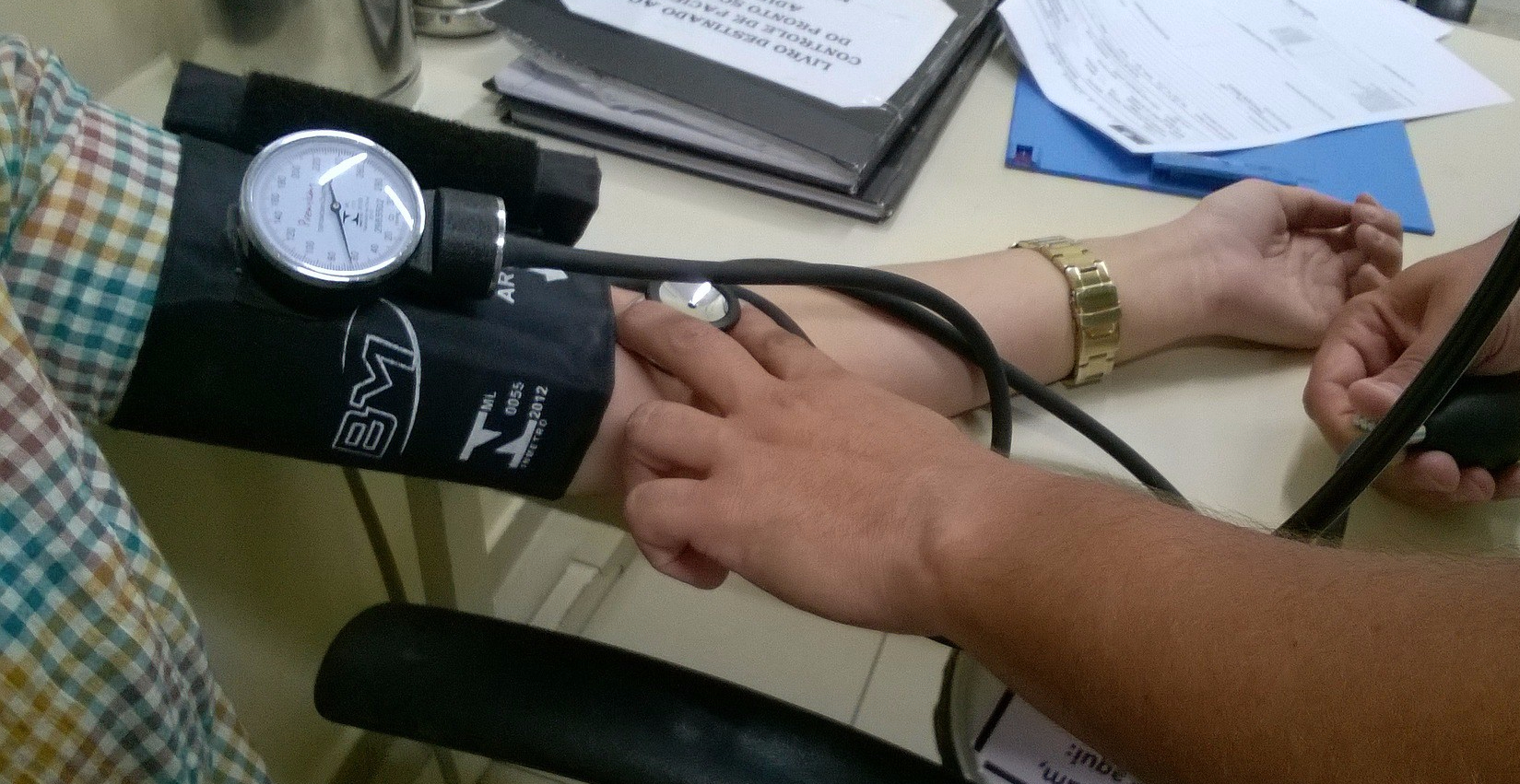
a person having blood pressure measured

SYMPTOMS of an emergency  include

  • Shortness of breath, or difficulty breathing, especially if not associated with exertion
  • Uncontrollable bleeding
  • A seizure, especially in a person with no previous diagnosis of seizures
  • Sudden or severe loss or difficulty with vision, hearing , speech, or other functions such as swallowing, thinking, walking, passing urine or stool
  • Fainting, passing out, loss of consciousness, severe dizziness
  • Hallucinations, confusion, thoughts or threats of harm to self or others
  • In a pregnant woman- any of the above plus loss of fetal movement
  • Persistent/severe nausea/vomiting/diarrhea
  • Severe pain, especially if it prevents or inhibits body function

Persons at risk

Certain groups of people are more at risk of significant illness with any of these symptoms, so emergency care should be sought sooner rather than later. They include

  • infants up to age 2
  • elderly-most medical references still call this over age 65
  • pregnant women
  • people with suppressed immune systems as from cancer chemotherapy, HIV, malnutrition, other drugs

Chest pain must always be taken seriously, even if mild.

Although in persons under 40 years old it is less likely due to a heart attack, there are other life threatening conditions that can occur in this age group. Again, especially if it is associated with any of the other symptoms, it is emergent.

Learn more about common heart diseases at this previous post

Exploring -when HEARTS break

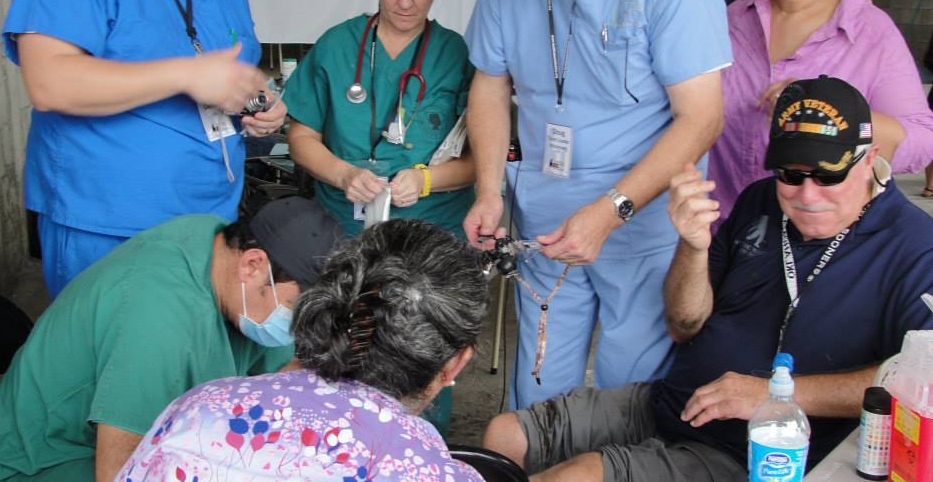
While on a mission trip to Panama, my husband had a near emergency when a board flew into his leg causing a deep gash; our medical team members took care of the injury right on the clinic site, and he recovered without permanent damage
While on a mission trip to Panama, my husband had a near emergency when a board flew into his leg causing a deep gash; a local surgeon was working with our medical team , and with their help he sutured the wound at the small rural church where we were holding clinic; his leg has healed well, just a scar to remind us of the adventure.

IN AN EMERGENCY  CALL 911!

Helicopters transport of emergency patients can make the difference between life and death.

You should not call your doctor’s office, your mother, your best friend, or post a question on social media (which I have seen done!)

If it’s not an emergency but is urgent, then the next best options are calling your doctor’s office or going to an urgent care clinic. Posting on social media is still a bad choice. Do you really want your “friends” giving you medical advice about something they know nothing about?

We doctors don’t expect you to diagnose your condition before coming to the ER or the office, and insurance companies shouldn’t either. With using the above guidelines, if you even suspect your problem is an emergency, you are wise to seek help.

Dr. Esther Choo, an emergency physician shares

6 Tips for Getting the Most Out of Your Emergency Room Visit

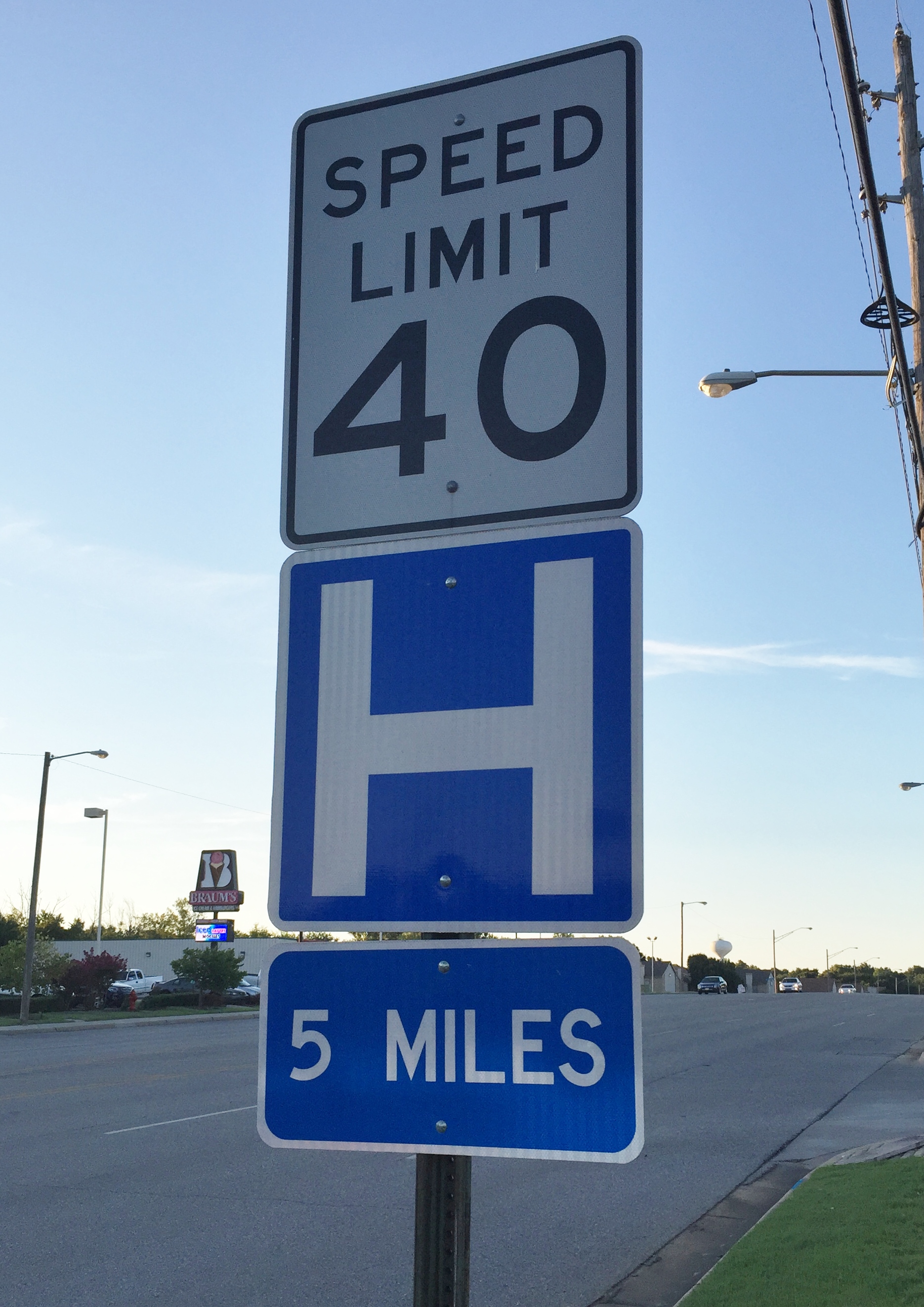
a speed limit sign with an H for hospital , 5 miles
A hospital will have a full-service emergency room, although the level of services differs based on the size of the hospital.
Dr. Deborah Burton, pediatric ear, nose, and throat physician gives

5 Top Tips to Best Use Urgent Care Centers

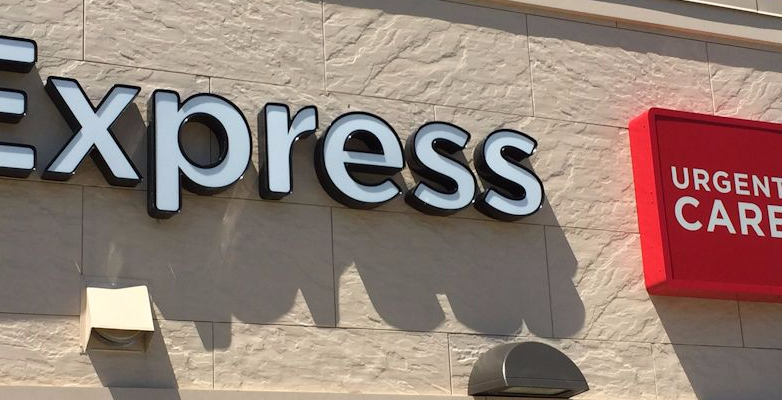
a sign on a building -"express-urgent care"
Don’t expect an urgent care clinic to offer all the services of an emergency room.

Your definition of an emergency and your insurance company’s definition may differ-and that difference may cost you money. Read why here.

Is it an emergency? Insurer makes patients question ER visit

exploring the HEART of emergencies

Dr. Aletha
Helicopter landing at a hospital to deliver a critically ill person.