Who will be your next doctor? What will your future doctor look like?
Find out at the updated version of this post-here is the link.
Meet the new doctors caring for you soon
Your doctor within the next 10-20 years is likely in medical school or a residency program in a United States medical center right now. Within 1-10 years, they will join the ranks of practicing physicians, while some doctors currently in practice will change to a non-clinical job, retire, or die.
More women physicians are coming
For the academic year 2016-2017, 83,000 students, attended United States medical schools , slightly more males than female. However, in 2017, the entering class of medical students was slightly over 50% female, for the first time ever.
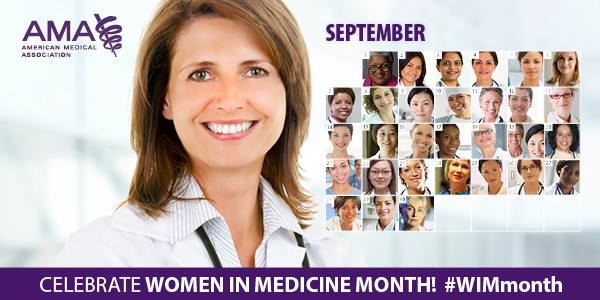
According to the Association of American Medical Colleges, since 2015 the number of women students has increased by 9% while the number of men has decreased by 2 %.
And already, the majority of young practicing physicians-under age 40 years old-are female.
So you are likely to be treated by a female physician eventually, if you haven’t already, especially if you go to a primary care doctor. Gynecology and pediatrics residency programs are now overwhelmingly comprised of female residents.
Ethnic diversity is still low but is improving
Entering classes at the nation’s medical schools continue to diversify.
From 2015 to 2017, black or African American students increased by 12.6%, and those who were Hispanic, Latino, or of Spanish origin rose by 15.4%.

However, medical students and residents, both male and female, are still predominantly white. The ethnic percentages of most other students is far below their representation in the general population. Based on self-identification, race and ethnic origin of medical residents includes
- White-60%
- Black- 7%
- Hispanic(any race)- 6%
- Asian-26%
- Multiracial- 3%
- Unknown/other-7%
- Native American/Alaskan/Pacific Island -less than 1%
How many U.S. physicians are foreign born ?
Will your physician come from another country?

70% of U.S. medical residents are native citizens, 8% are naturalized citizens and 6% are permanent residents. ( adds to less than 100% due to some status’ unknown.)
Credentials of today’s physicians
The average grade point of entering medical students was 3.56.
77% had done some type of volunteer medical service .
77% have experience in medical research.
These statistics gleaned from JAMA, December 19, 2017
Goals of new physicians
An Association of American Medical Colleges annual survey of entering medical students found:
- More students indicated that having a work-life balance rather than a “stable, secure future” or the “ability to pay off debt” was an “essential consideration” in their career paths after medical school.
- Nearly 30% of new medical students indicated plans to eventually work in an underserved area.
The specialization of medical care- the good and the bad
March 16 was Match Day. Not a match as in color choice for an outfit nor a match as in finding a spouse, but the concept is similar.
On Match Day, graduating medical students learn which residency program they will enter through the National Resident Matching Program , which “matches” them with available positions in residencies at medical centers all over the United States. A kind of medical “matchmaking” you could call it.
Why should you care? This matching process determines who will care for our medical needs in the next 30-40 years; our family physicians, internists, pediatricians, general surgeons, obstetricians, and the multitude of other medical specialties. Most doctors will continue in the same speciality their entire career, although some switch after a few or many years.
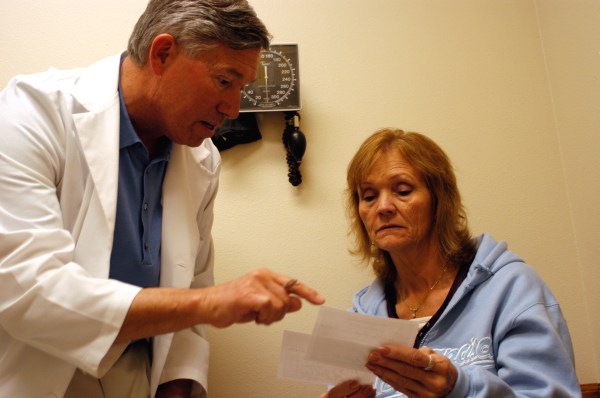
Some medical students know what speciality they want to pursue before they enter medical school, while others decide after trying the different types of medicine while students. We still have the traditional specialities that most students enter- (there are also many subspecialities under each of these categories.)
Primary care
- Family medicine
- Internal medicine -(adult medicine)
- Pediatrics-children and adolescents
- Obstetrics/Gynecology- care of women’s health and pregnancy
Surgical specialities
- General Surgery- surgery on skin and internal organs
- Orthopedics-bones and joints
- Otorhinolaryngology- ear, nose, throat
- Ophthalmology-eyes
- Neurosurgery-the brain, spine, nerves
- Plastic and Reconstructive surgery
- Cardiac and vascular surgery
Others
- Dermatology-skin
- Psychiatry-mental health
- Anesthesiology-surgical sedation and pain relief
- Emergency medicine- emergencies and trauma
- Radiology- xrays and other imaging-CT, MRI, US
- Pathology-laboratory medicine
- Allergy
- Physical medicine and rehabilitation
- Oncology-treatment of cancer
- Integrative and complementary medicine
As medical care has become more complex and technological, so have the specialties of physicians. This has produced a plethora of new highly specialized fields of practice.
- Sleep medicine
- Medical genetics and genomics
- Pain management
- Geriatrics- care of the elderly
- Palliative care-managing diseases that cannot be cured and are likely terminal
- Hospital medicine-care of patients admitted to a hospital
- Critical care medicine-care of patients in an ICU (intensive care unit)
- Aerospace medicine
- Wound management
- Medical informatics – use of computers and medical software in medicine
- Bariatrics- treatment of obesity with or without surgery
- Sports medicine-treatment of athletic injuries and fitness training
- Transplant medicine- surgery to transplant organs and after care
- Addiction medicine
A recent viewpoint in JAMA suggested that we need a new specialty, virtual medicine, to describe physicians who treat patients through a virtual medium, telemedicine or web based, on a computer or a mobile app.
Consider that in the early 1970s, there were only 20 medical specialties !

What this means for you as a patient
According to the New England Journal of Medicine,
“the progress of biomedical science is a major factor in the emergence of new subspecialities. There are some patients who benefit from highly focused knowledge and skills.”
All of these specialities mean more medical knowledge and experience will be available to both treat and prevent a diverse and growing variety of disorders.
Today’s new specialist will have a high degree of expertise in their field, making them better able to treat your problem in the most efficient, effective, safest way.
You may find your doctor recommends more testing which may lead to more treatment than might otherwise have happened; some of which may not necessarily improve outcomes. More specialized testing and treatments may increase the cost of medical care.
Dr. Sandeep Jauhar addresses this issue in this article
One Patient, Too Many Doctors: The Terrible Expense of Overspecialization
With a more narrow focus of experience, that doctor may be less familiar with other aspects of your medical status.
So, to close this gap, primary care physicians have become increasingly important to oversee and coordinate care, especially for complex patients.
So there was good news in the Match this year. The upward trend in students matching into family medicine continued for the ninth consecutive year . In 2018 more students matched into family medicine than in any previous year, 3,535 compared to 3,237 in 2017.
“The number and proportion of U.S. medical graduates going into family medicine is the strongest indicator of the future of the primary care workforce because family medicine is the only specialty completely devoted to primary care,”
said Michael Munger, MD, president of the American Academy of Family Physicians.
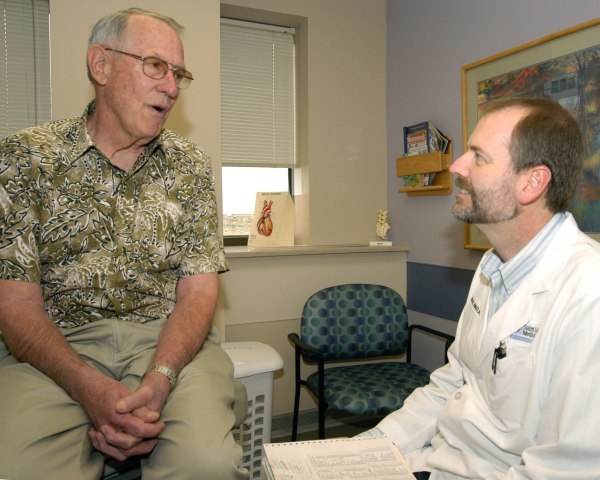
My specialty-Family Medicine
I’ve often been asked ,”Why didn’t you specialize?” My answer, “I did. I specialize in Family Medicine.”
Once called “general practice”, Family Medicine is now a recognized specialty, requiring a residency and certification by the American Board of Family Medicine.
Dr. Sandeep Jauhar wrote about his first year as a resident in
Intern: A Doctor’s Initiation
“In Jauhar’s wise memoir of his two-year ordeal of doubt and sleep deprivation at a New York hospital, he takes readers to the heart of every young physician’s hardest test: to become a doctor yet remain a human being.” ― Time


Lightstock photos
Unless otherwise stated, the doctor photos in the post are from the Lightstock.com collection . Get 5 free downloads at this affiliate link. (This blog can earn a commission if you buy photos which helps support the mission of Watercress Words.)
Thank you for joining me to explore the surprising new doctors caring for you. I hope you’ve learned something. Please contact me about topics you want to read about.
Please share this and other posts on social media and consider my affiliates and ads that help fund this blog and support projects to deliver the HEART of health around the world.