Please visit the site and share the link with friends. The revenue I receive from sales supports the cost of keeping this blog here and supports various health charities I know and trust.
Thank you for reading this post. Please follow this blog and me on social media.
I share information and inspiration to help you transform challenges into opportunities for learning and growth.
Add your name to the subscribe box to be notified of new posts by email. Click the link to read the post and browse other content. It’s that simple. No spam.
I enjoy seeing who is new to Watercress Words. When you subscribe, I will visit your blog or website. Thanks and see you next time.
Search This Blog
While you’re here, use this link to search the site for health and wellness topics and resources you need to know more about. Put a word or phrase into the box here and explore the HEART of health.
Visit These Pages
And please visit my Pages, where you can meet me and review the terms of this blog, mainly don’t use it to diagnose or treat yourself.
our “happily ever after” did not match reality. Our marriage was often tense, unsatisfying, and distant and we did not understand why. We had to look to the past to find the reason for the pain in our present.
In college I joined Chi Alpha, a faith-based student group. When I started dating a young man of a different belief, he enjoyed coming to the gatherings with me and my friends liked him. . We were fond of each other, but his feelings grew stronger and more serious than mine.
I felt it only fair to end the relationship. We parted amicably but he left our group; it was awkward for both of us. Although I felt the breakup was necessary, I grieved for the loss of our friendship.
One evening several of us were talking when a new member of our group joined us. We knew little about him other than he had recently left the Army and started attending our college.
He looked at me and said, “Where is John tonight?” (not his real name) No one spoke as everyone looked from me to him and back to me. Apparently he was the only one who didn’t know we had broken up.
Finally, one of the girls softly explained, “They aren’t dating anymore.”
Everyone remained silent, I suppose assuming I was upset at the reminder. I wasn’t upset but I realized everyone else was uncomfortable. I didn’t want our new friend to feel bad about the mistake, so I tried to make light of it. I blurted out the first thing that popped into my head.
“That’s right,” I said smiling. “I’m available.”
With that, everyone, including me, laughed. Thinking back now, I puzzle why I said that. It was out of character for me, a confirmed introvert, and besides, I did not need or want another romantic relationship with anyone. I was planning to attend medical school, and romance did not fit into that plan.
However, the young man took me seriously, calling me a few days later to ask for a date. And despite my reluctance to become involved, I said yes.
“What harm could it do?” I thought. “Why sit in the dorm alone on Friday night?”
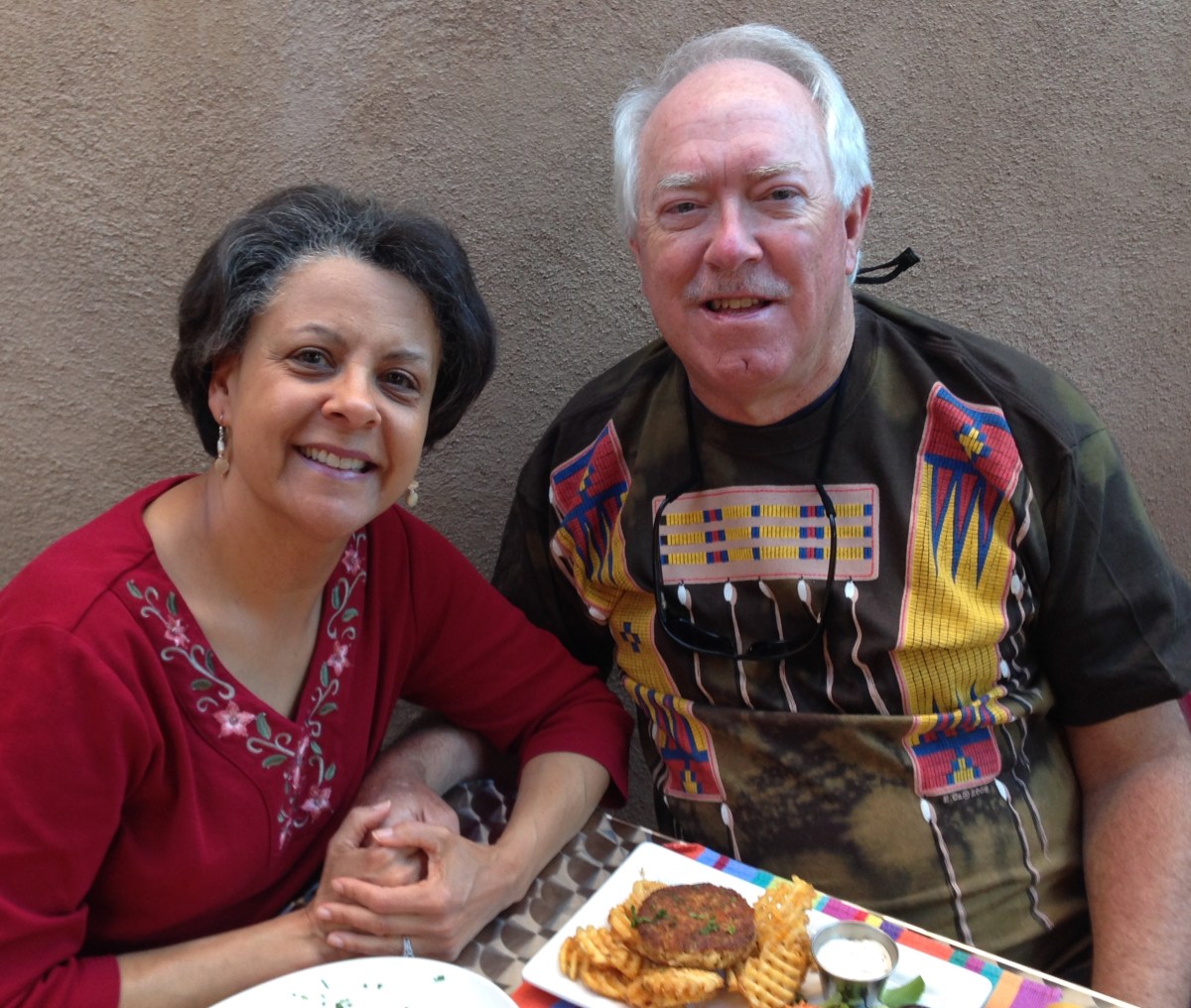
That night I learned about Raymond’s past. He separated from the Army after serving for three years. He had already earned a bachelor’s degree and was attending graduate school with his veteran’s benefits. I casually asked if he had been stationed overseas. He said yes- he had served in Germany and in Vietnam. I did not realize those words also would change my life.
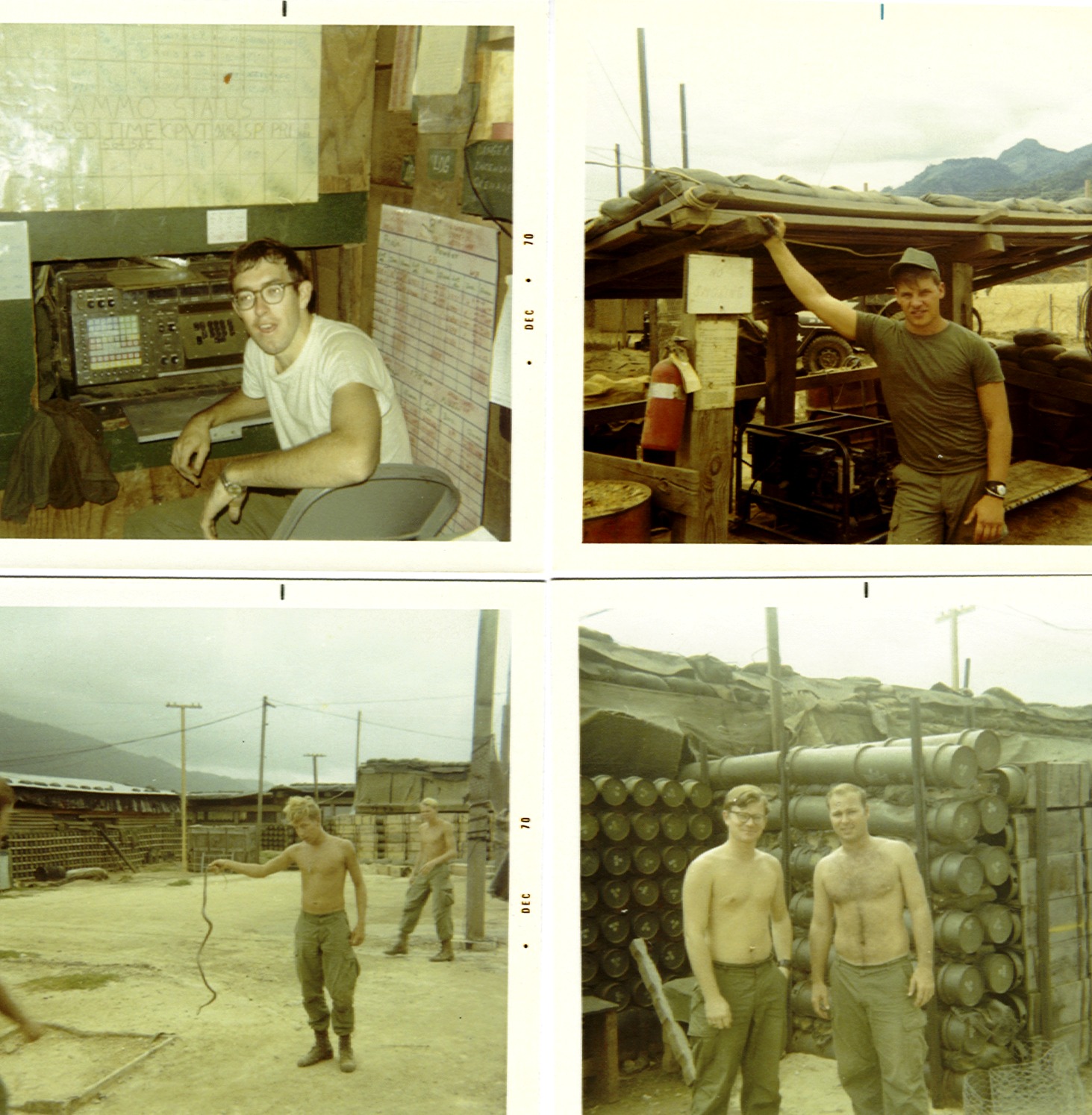
various scenes from the firebase where Raymond was stationed in VietNam; I understood nothing about what happened there.
This was 1972 and the American war in Vietnam was raging. The United States government needed soldiers to carry out the engagement, and was drafting them, which which they and their families dreaded. The war was unpopular and divided our country. We watched the course of the conflict nightly on television news (no Internet or social media then).
Raymond was the first person I knew personally who had served in Vietnam. Service members and veterans of that war were portrayed in the media as fighting an unnecessary, unjustified war at best and as baby killers at worst.
Today military service members and veterans are honored and considered heroes . Today’s veterans feel proud of what they do; not so for those who served in Vietnam.
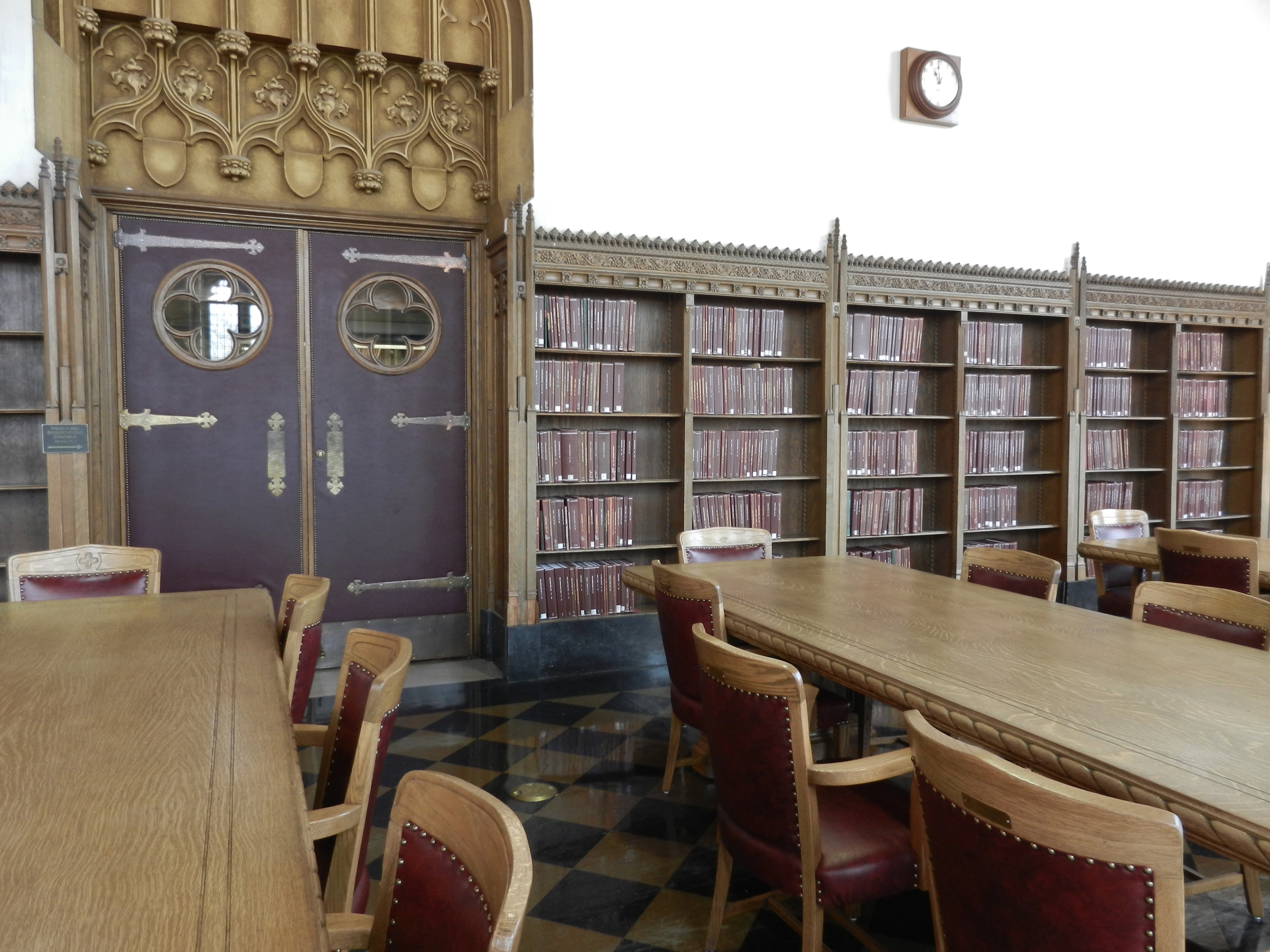
The reading room of the library looks the same as it did 40 years ago.
Over dates at football games, church, social events and study times our feelings for each other grew. from friendship to love. He asked me to marry him a few weeks later, but I wouldn’t commit so soon. We married about 2 years later, as he completed his master’s degree.
Soon after our wedding I started medical school, graduated and started practicing. He pursued a career in the Information Technology industry. We raised two sons, traveled, attended church.
But our “happily ever after” did not match reality. Our marriage was often tense, unsatisfying, and distant and we did not understand why. We did not communicate well. He felt I was demanding and controlling. I felt he was insensitive and selfish. We had to look to the past to find the reason for the pain in our present.
one of many family ski trips
Military medicine now recognizes post-traumatic stress disorder (PTSD) as a common result of service in combat; 40 years ago it was unrecognized and untreated. There were no support groups, counselling or rehabilitative services available.
My husband said little about his military service, so for years we both suffered the effects of unrecognized PTSD. By the mid-1980s veterans’ groups pushed to recognize the service of Vietnam veterans and encouraged discussion about the psychic trauma many of them dealt with; and with that came opportunities for treatment and healing.
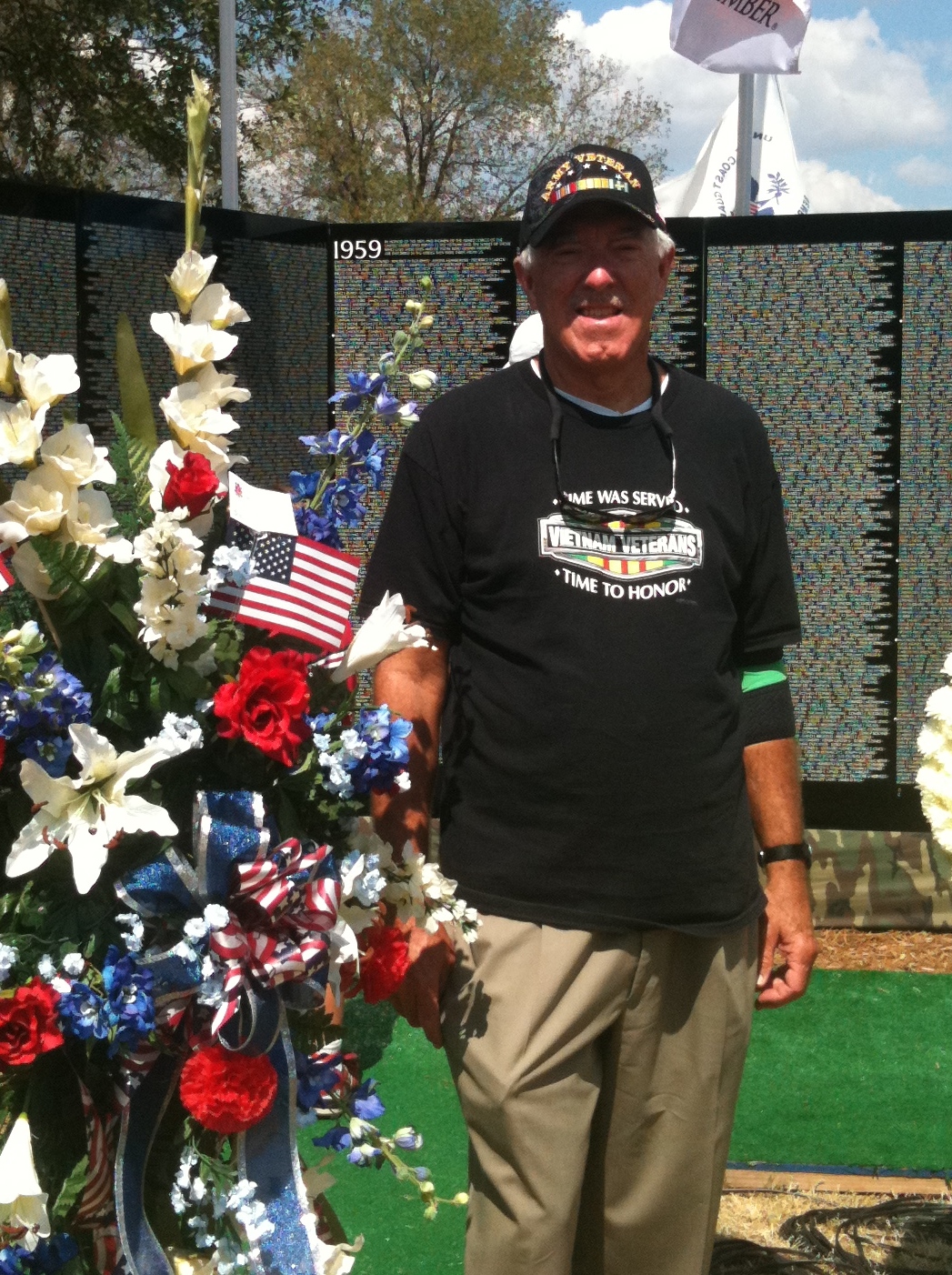
We always visit the traveling Vietnam Veteran Memorial Wall when it comes to our area.
Through counselling and a support group my husband faced the past and gained a will to move forward. After reading a book , A Missing Peace, written by another Vietnam veteran, he considered taking a trip back to Vietnam and after much thought and prayer, signed up, although we were both apprehensive.
He chose to travel with Vets with a Mission , VWAM, a faith based non-profit organization whose mission is “reconciliation” between former enemies in the Vietnam war, and also within the veterans’ themselves.
By touring the country and meeting Vietnamese people in peacetime, Raymond began moving past the painful memories and creating a new history. He found a country still suffering from the after effects of many years of war, and found a new purpose for his life- to help the very country that had caused us so much pain.
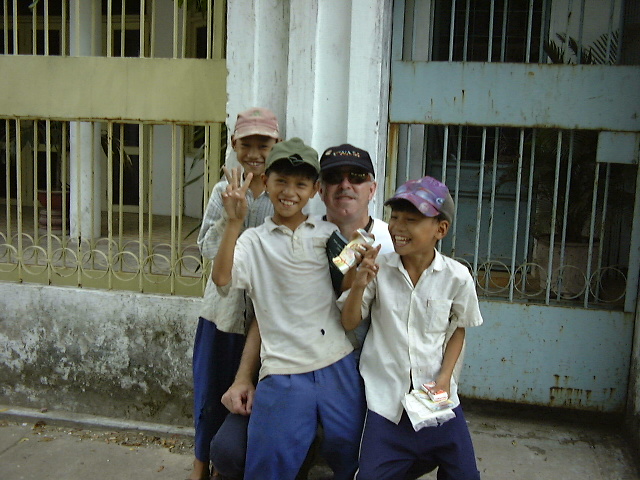
Raymond making friends and having fun with some Vietnamese boys
That trip led to another, and another, and another- thirteen trips serving on volunteer teams to Vietnam with VWAM. He served by teaching the computer technology he spent years honing and mentored Vietnamese professionals as they developed skills like his.
Dr. Aletha treating a Vietnamese woman
Raymond teaching hospital staff about using computers in 1995
I accompanied him on many of these trips, serving as physician on medical teams, treating poor Vietnamese citizens in free clinics. We made friends with other veterans and their families, and with Vietnamese people, who often respected American Vietnam veterans more than Americans do.
Raymond found “reconciliation” for himself and we experienced it in our marriage. It was a process and still is.
All this is from God, who reconciled us to himself through Christ and gave us the ministry of reconciliation:
2 Corinthians 5:18, VWAM motto
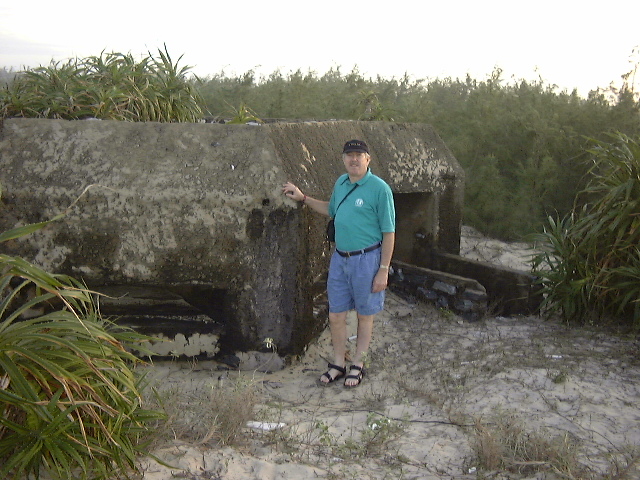
visiting an old war bunker on China Beach
As a pre-teen I read a book about an American doctor who treated poor people in a foreign country. I developed an interest in health care through that and other books, and decided to become a doctor. I dreamed of someday traveling overseas and treating people like he and other doctors did.
I didn’t remember anything about him except his name. I did an Internet search and found his story- Dr. Tom Dooley. Now deceased, he served a physician in the United States Navy and in the 1950s was assigned to direct the care of refugees- in Vietnam. (After his military service, he founded a humanitarian organization and tragically died young of melanoma.)
When I watched the war in Vietnam on TV news, I didn’t realize the doctor I had read about had worked there. I never imagined that I would ever go there. And I never imagined that war would indirectly help me meet my husband, and create a family that brings me joy every day.
When I said, “I’m available” I had no idea how true that would be.
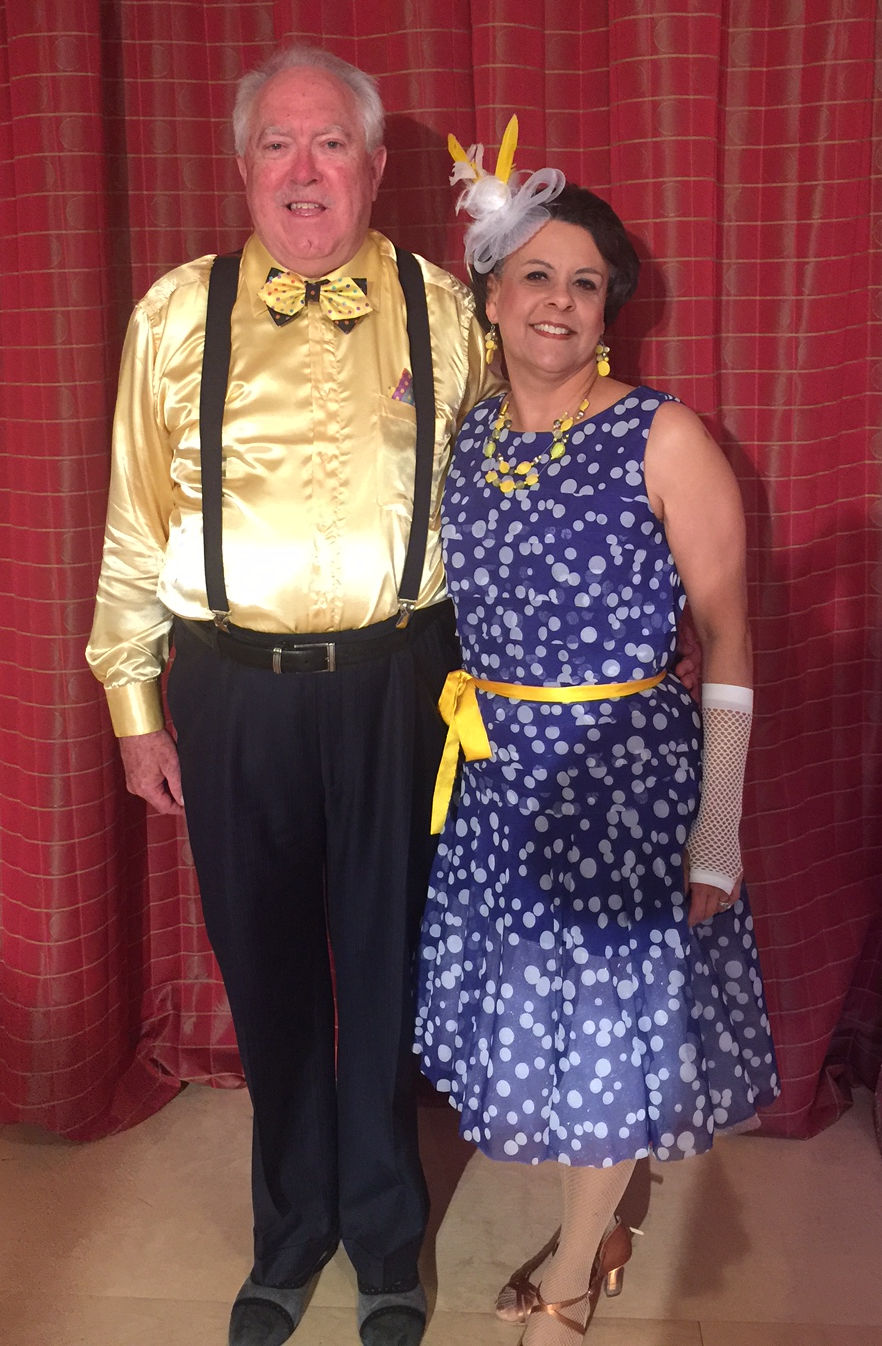
And I never expected us to do a ballroom dance routine for an audience