reviewed July 24, 2025
Health Blogs by Family Physicians
- offer valid medical information on a variety of topics.
- offer sound advice without quick fixes.
- discuss common everyday health concerns.
- discuss the healthcare system, how it works well, and how it doesn’t.
- offer insights into healthy living, both as individuals, families, and a society.
- show you how physicians think, feel, and act, both as persons and professionals
- will educate and challenge you.
People sometimes ask me if I ever considered specializing, and I answer, “I did. I specialized in Family Medicine.”
Family Medicine specializes in families
According to the American Board of Family Medicine.
“Family medicine is the medical specialty that provides continuing, comprehensive health care for the individual and family.
It is a specialty in breadth that integrates the biological, clinical and behavioral sciences.
The scope of family medicine encompasses all ages, both sexes, each organ system and every disease entity.”
Like me, these physician bloggers are board-certified in family medicine. To become certified, we must:
- Graduate from a medical or osteopathic college
- Complete an accredited residency
- Maintain an unrestricted license to practice medicine
- Pass a secure, computer-based certification examination every 7 to 10 years
- Complete at least 150 hours of continuing medical education every 3 years

Many family physicians belong to a national medical association, the American Academy of Family Physicians (AAFP), as well as our state chapters.
The AAFP provides high-quality learning opportunities for family physicians, patient education materials and practice management support.
I don’t know these doctors personally, nor am I directly financially connected to them.
(This post does have affiliate links which can pay a commission to this blog for purchases made through them. )
Common Sense Family Doctor
Common sense thoughts on health and conservative medicine from a family doctor in Washington, D.C.
a blog by Kenny Lin, M.D. who is
- a board-certified Family Physician and Public Health professional practicing in the Washington, DC area.
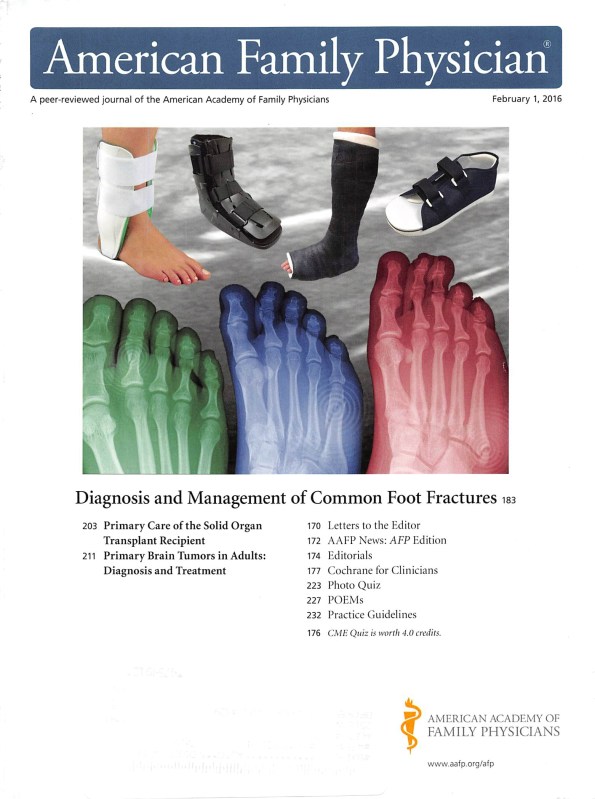
- Associate Deputy Editor of the journal American Family Physician (AFP )
- teaches family and preventive medicine at the Georgetown University School of Medicine, Uniformed Services University of the Health Sciences, and the Johns Hopkins University Bloomberg School of Public Health.
- Paid consultant to the American Academy of Family Physicians, John Wiley & Sons, and Business Health Services.
In this post he suggests that climate change may really be a health issue.
And here Dr. Lin explains some medical terms that doctors use frequently but patients may not understand.
Dr. Linda
just a family doctor speaking up from the frontlines of medicine
Linda Girgis MD, is a family physician who treats patients in South River, New Jersey and its surrounding communities. She
- holds board certification from the American Board of Family Medicine and is affiliated with both St. Peter’s University Hospital and Raritan Bay Hospital.
- collaborates closely with several universities and medical schools where she teaches medical students and residents
- has earned awards and recognition from her peers and a variety of industry bodies
- contributes to other health blogs
- has written and published two books
Dr. Girgis’ primary goal as a physician remains “ensuring that each of her patients receives the highest available standard of medical care.”
Topics covered include medical information, healthcare policy, public health and poems, like this one she posted on World Cancer Day
And in this post she encourages patients to advocate for their own healthcare.
Dr. Girgis wrote these books-
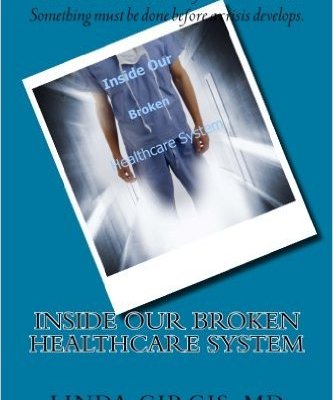
INSIDE OUR BROKEN HEALTHCARE SYSTEM and THE WAR ON DOCTORS
(affiliate links)

Exploring the HEART of Health
Thank you for reading this post. Please follow this blog and me on social media.
I share information and inspiration to help you transform challenges into opportunities for learning and growth.
Add your name to the subscribe box to be notified of new posts by email. Click the link to read the post and browse other content. It’s that simple. No spam.
I enjoy seeing who is new to Watercress Words. When you subscribe, I will visit your blog or website. Thanks and see you next time.
Dr. Aletha
- About Dr. Aletha
- How to Use this Site
- Make Your Life Easier
- Search by Category
- Share the HEART of health
- my Reader Rewards Club
- RoboForm Password Manager