For many of us in the world, June is a welcome month. Warm, sunny weather, colorful flowers, the first day of summer. Students get a break from school, and travelers hit the roads and the sky. Lots of fun to be had, but also times to slow down, remember, and reflect.
Remembering June 6, 1944
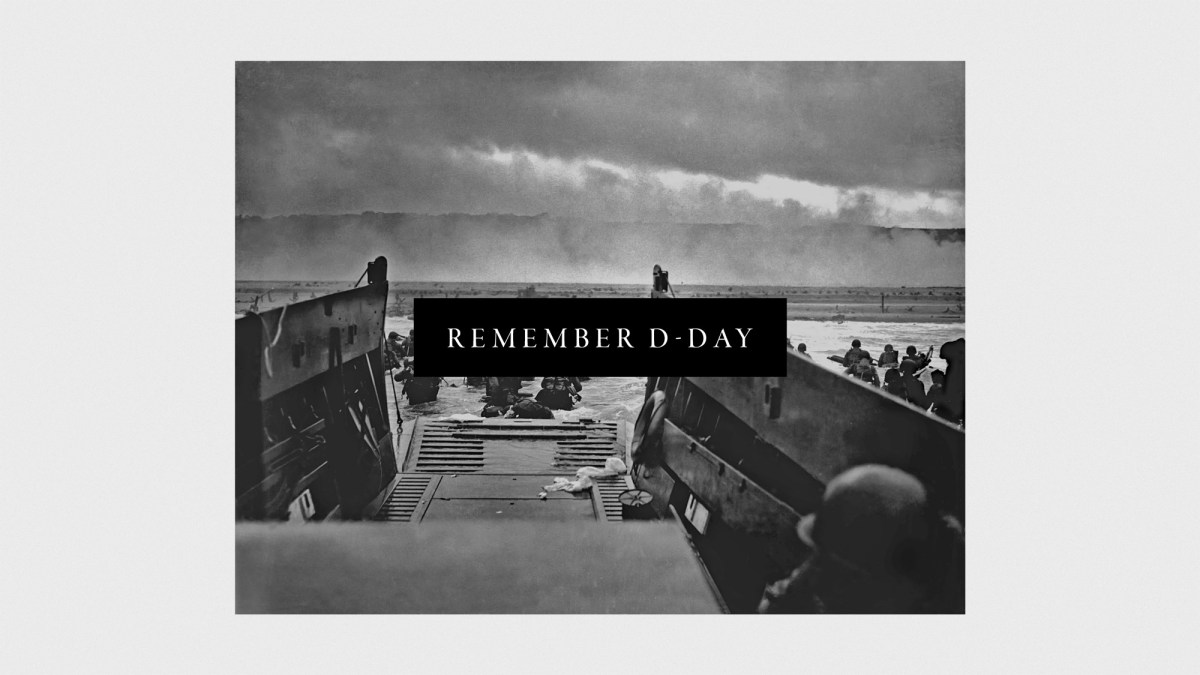
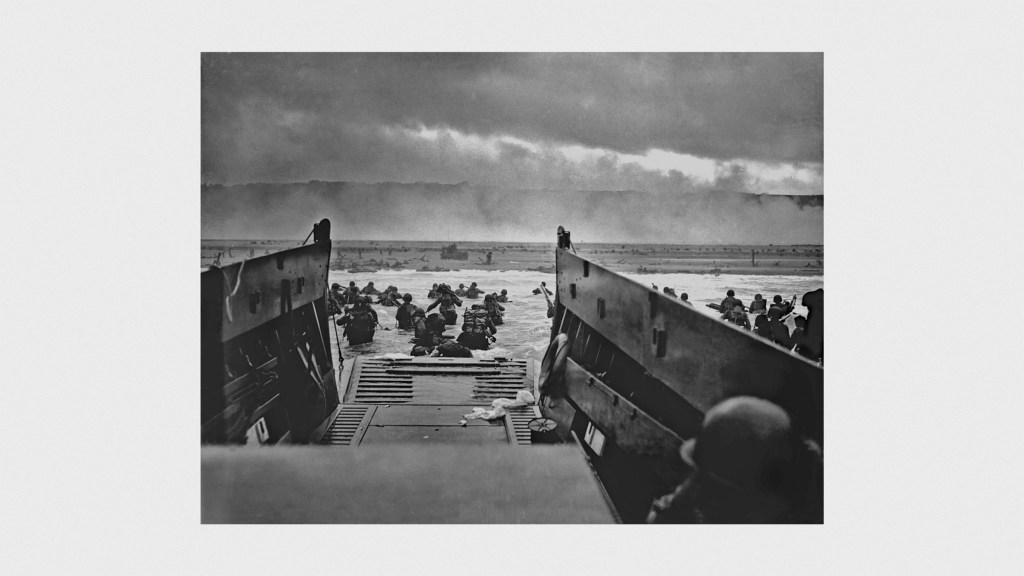
First, people in the United States, Europe, and other Allied nations remember the events of June 6, 1944, the beginning of the end of World War 2.
On June 6, 1944, D-Day marked the Allied invasion of Normandy, leading to the liberation of France and the end of World War II. Bill Hart, a WWII veteran, captured his traumatic experiences through art and memoirs, highlighting his struggles with PTSD and the significant impact of his memories on his life and family.
Those Lazy Hazy Crazy Days Of Summer – Nat King Cole (LIVE)
Relax with summer reading
My Reader Rewards Club is a great way to earn free books and Bibles for yourself, friends, and family! Your journey to earning free faith-based products starts HERE. (When you sign up through these links, I can earn free books too.)
As a member, you’ll have access to inspiring literature, Bibles, special promotional offers, and much more. Earning points is easy—you’ll receive 25 points just for signing up!
We believe bookstores are essential to a healthy culture and they are dedicated to the common good.
Bookshop.org donates a portion of every sale to independent bookstores.
exploring the HEART of health
I hope you enjoy some recreation, relaxation, and reenergizing this summer (even if it’s winter where you live). Please follow me here and subscribe to receive a message when I post something new. And follow on Facebook where I post new and old posts, and a weekly Friday Funny you don’t want to miss.
Dr. Aletha
Use these links to share the heart of health wherever you connect.
On June 6, 1944, D-Day marked the Allied invasion of Normandy, leading to the liberation of France and the end of World War II. Bill Hart, a WWII veteran, captured his traumatic experiences through art and memoirs, highlighting his struggles with PTSD and the significant impact of his memories on his life and family.
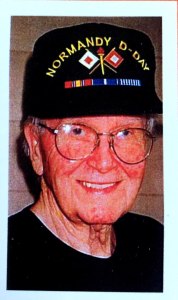
I learned about D-Day from my late friend Bill Hart, who died in 2014. Bill served in the U.S. Army during World War II , and his unit was part of the force that invaded Normandy.
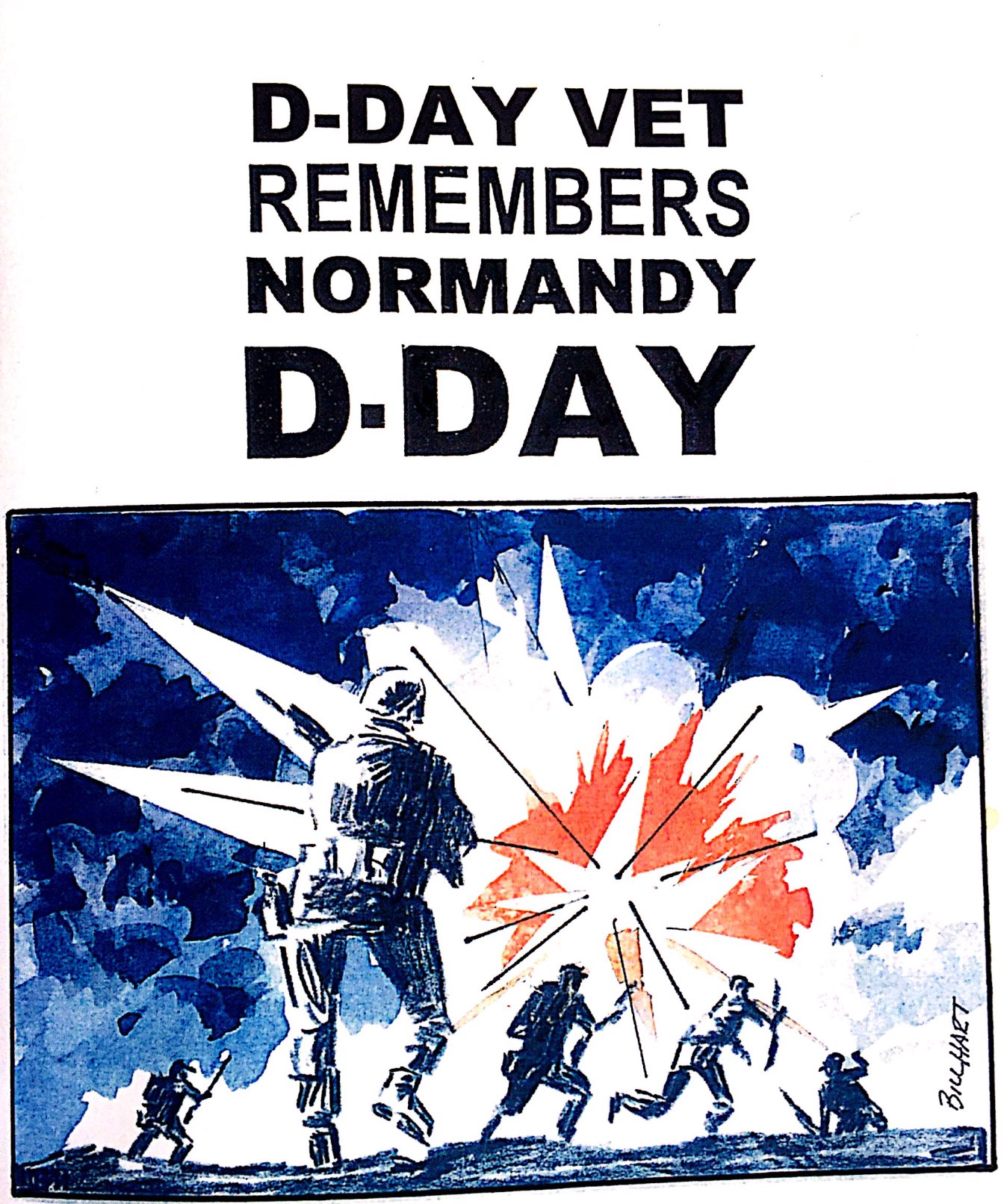
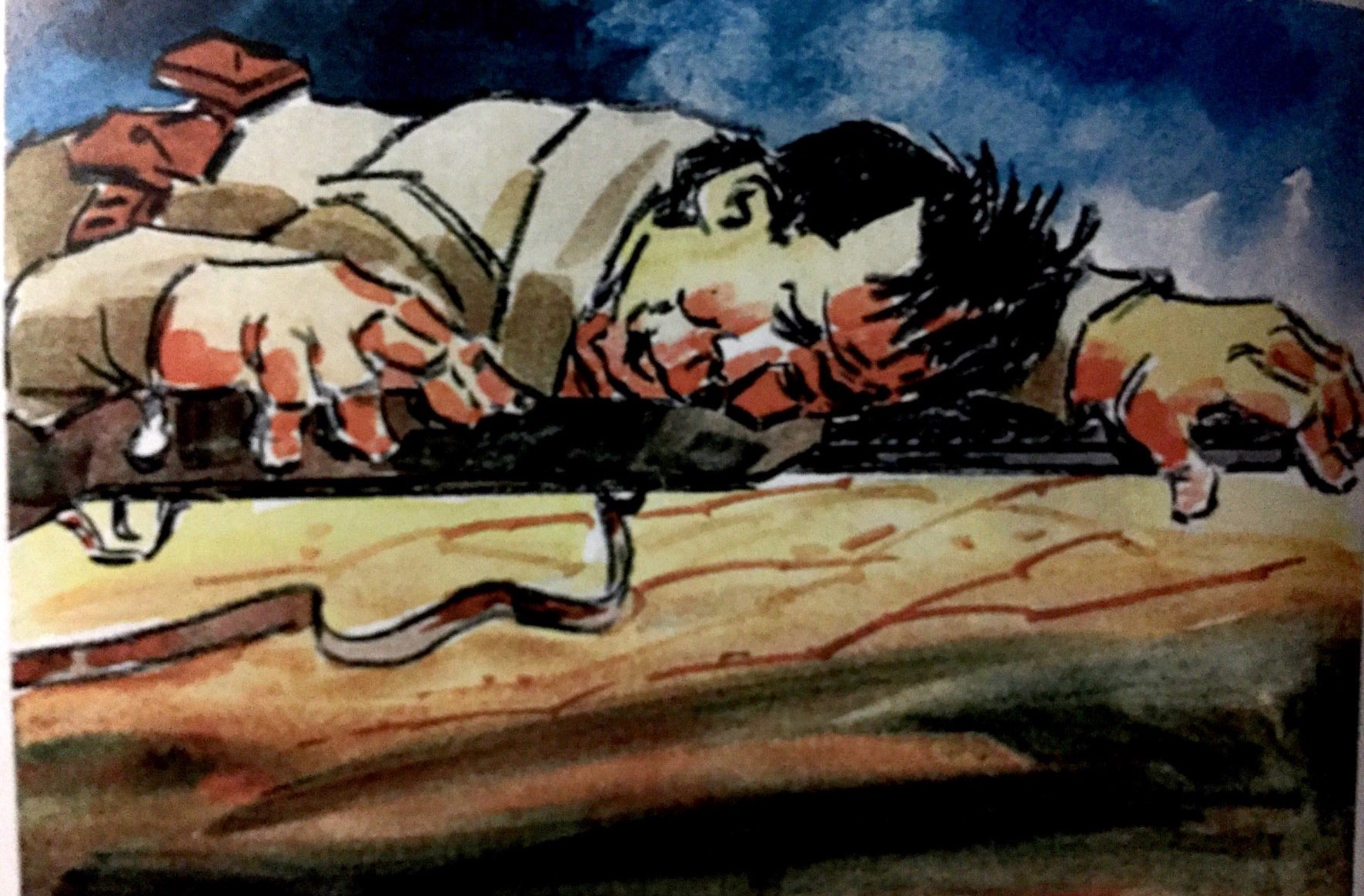
Bill wrote an illustrated memoir about his military experiences. Through his written and visual account, he left us a firsthand account of an experience that changed his life and changed the world.
In this updated version of a previous post, I share some of Bill’s art and memories of Bill shared by his son Terry (my thanks to Bill’s late wife Greta who graciously gave me permission to share from Terry’s social media post)
He was a true artist and entrepreneur who always enjoyed laughing and meeting new and interesting people. He was wise enough to not limit his conversation to only sports, religion or politics most men comfortably slide into.
But instead, he always talked about real thoughts and feelings as well as the history of his Irish roots.
Bill’s son, Terry Hart
Fighting the war in Europe
As a young 18-year-old, he volunteered into World War II seeking adventure way before he was called to serve.
Terry Hart
In 1943, Bill deployed to England, and prepared for the invasion. What he thought would be a grand adventure turned into a nightmare which he vividly captured in his book.
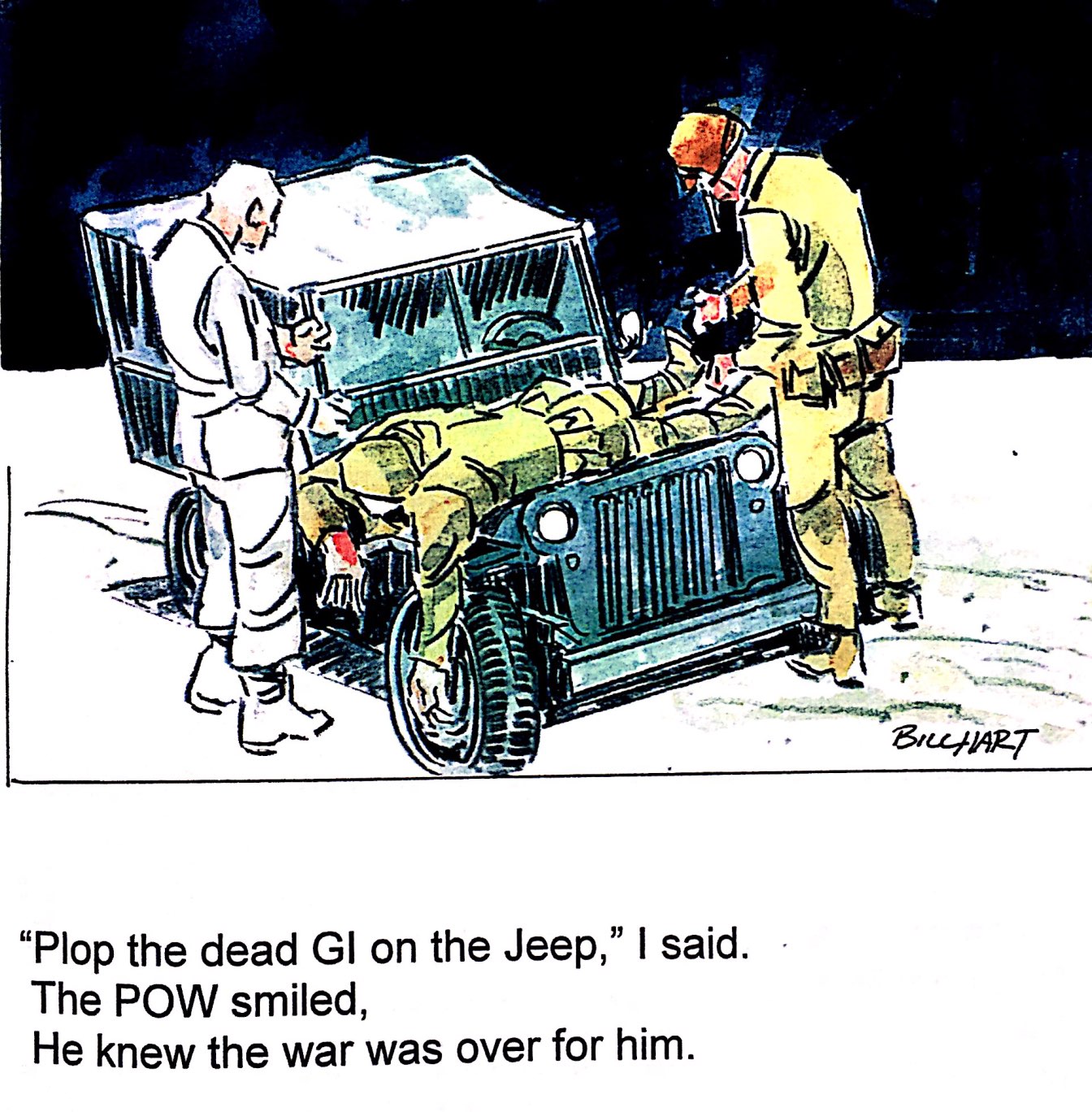
Several days into the fighting on the beaches at Normandy, he was assigned to pick up and transport the bodies of fallen soldiers. Thereafter, as he worked his way across France and Belgium into Germany, he found himself dodging enemy soldiers, liberating concentration camps, dealing with angry and defeated POWs, and famished, humiliated civilians struggling to survive.
Bill described what he saw and felt this way.
“At night I would think about the poor GI’s family when they got the news of his death. I tried not to think too much about this “dead guy” job. It seemed to go on forever.
For the next month and a half I was really alone, not attached to any outfit. I found my own food, water, gas for the Jeep and slept alone beside the Jeep in an open field. I shaved with cold water in my helmet and used my Jeep mirror to see.
The Germans were always near. I was scared I would be killed or captured. “Who knows where I am? Who would tell my mother if I died?”
In the beginning it had been exciting being alone with the invasion action all around me. But now I have panic attacks and nightmares of the dead bodies waking me as I sleep in the open field alone.
Most GI’s have other soldiers around them to feel safety in numbers. I had no one. I can’t get their dead faces out of my mind. I wait for the bright morning sun to erase the terrible images.”
Fighting and winning war within
in Terry’s words
“He had many adventures to talk about later in his adult life. Growing up in the San Francisco Bay area he jokingly said he wanted to be the big fish in a smaller pond and made a tactical decision to move to Tulsa Oklahoma and to start up an ad agency “Ad Inc.” And as fate would have it, meet the love of his life Greta and started a family, and had three sons (Patrick, Tim, and Terrance)
A few years later he renovated a classic 1920’s Spanish style two-story house and built a large Art studio off the side, including a photography darkroom and printing stat camera in the basement.
Many years later he admitted suffering PTSD from his unwanted WWII memories, and found a way to deal with his pain by painting his military experiences “as seen through his own eyes”. And then later wrote and published a book full of illustrations. ”
“Later I forced myself to stop thinking about the “dead guys” experience and eventually forgot it.
62 years later, in 2006, when I applied for compensation for war injury during the Battle of the Bulge, the woman who interviewed me kept telling me I was leaving something out, something from my past.
I finally remembered after much writing about my remembered events in the 1944 and 1945 war period and was diagnosed with PTSD (post traumatic stress disorder).
I believe, the greatest event of the 20th century took place during the June 1944 D-Day Normandy Invasion. I am very proud of being a small part of that great historical event that will always be remembered.”
Quotes and drawings from Bill’s memoir, D-DAY VET REMEMBERS NORMANDY (copyright) used by permission of his wife
Bill Hart, World War II veteran
“As I was starting my own career in Dallas TX, I would make trips home to see him and my mother as often as I could. And would always enjoy laughing together, plus having real man-to-man conversations at his favorite coffee place McDonald’s…haha.
I often think today how lucky I was to have had a father wise enough to save his own life by channeling his PTSD pain into paintings and sketches, (rather than) losing himself from unwelcome suffering.
He often expressed to me that he never feared death, but instead viewed it as yet another adventure. And looked forward to seeing his tough Irish Uncles and Father in heaven along with meeting Jesus.”
Terry Hart posted these memories of his father on the fifth anniversary of his father’s death, the day after Christmas 2014. My husband and I loved Bill and Greta and were honored to attend the graveside ceremony where a military honor attendant presented his family with the flag which draped Bill’s coffin.
Once known as “shell shock” or “battle fatigue”, post-traumatic stress disorder, PTSD, has become the most common post-military service disorder. Although it also occurs in civilians who experience severe trauma, it has been defined, studied, and treated among current and former service members.
PTSD develops after exposure to or experiencing significant traumatic events such as interpersonal violence, death or threat of death, serious accidents, disasters and combat.
There are 4 types of symptoms-
Intrusions, such as flashbacks, nightmares
Avoidance- isolating oneself from people and/or certain situations
Negative mood changes, such as irritability, anger and depression
Hypervigilance- being easily startled, always on edge
PTSD can lead to depression, anxiety, alcohol and substance abuse and suicide.
It is also frequently associated with traumatic brain injury (TBI) and chronic pain.
The National Center for PTSD (Veterans Administration) is dedicated to research and education on trauma and PTSD, working to assure that the latest research findings help those exposed to trauma. They offer extensive information and resources at this link
I’d love for you to follow this blog. I share information and inspiration to help you transform challenges into opportunities for learning and growth.
Add your name to the subscribe box to be notified of new posts by email. Click the link to read the post and browse other content. It’s that simple. No spam.
I enjoy seeing who is new to Watercress Words. When you subscribe, I will visit your blog or website. Thanks and see you next time.
please help support this blog; consider starting with the cost of a beverage
Choose an amount
$5.00
$25.00
$50.00
Or whatever works for you
$
I welcome and appreciate your support, it helps fund this blog and share the HEART of health all over the world.
Excess funds are donated to health related charities. Dr. Aletha




 watercress words by Dr Aletha