It seems that everyone is obsessive compulsive these days and sports a tee shirt or posts a social media message to prove it.
We are obsessed with a variety of things most of them generally benign or even good- cooking, reading, sewing, running, dancing, decluttering, work- you name it and there seems to be an obsession for it. But do these make it a disorder?
Probably not. And that is why I’m concerned that people throw around the term OCD, acronym for obsessive-compulsive disorder, minimizing the seriousness of the disorder for the people who do suffer from it.
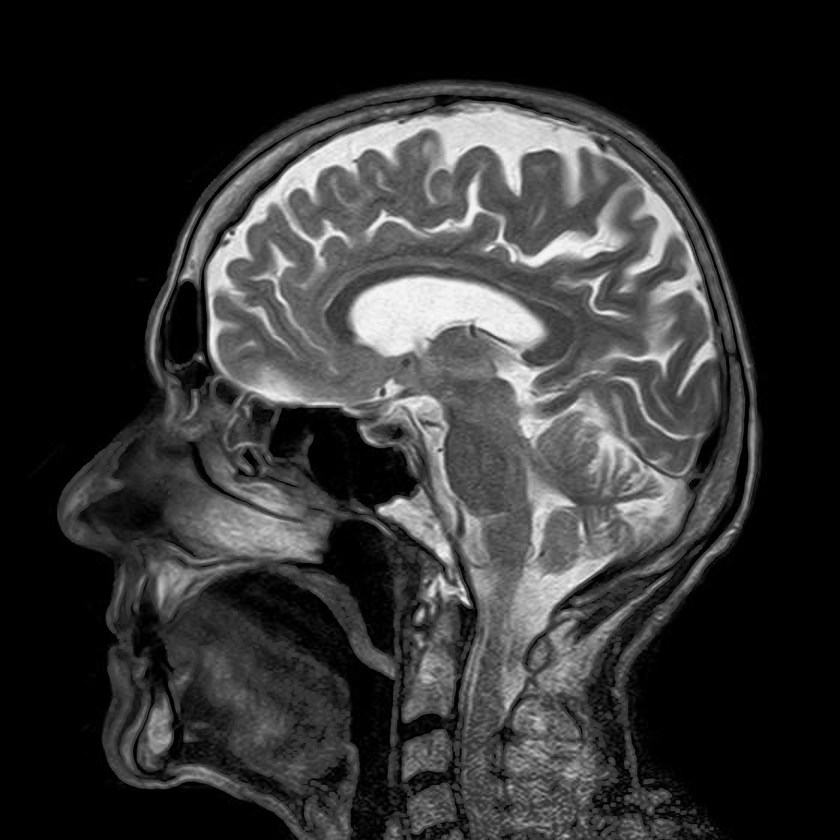
Maybe I’m sensitive about this because as a physician I deal with people who have all kinds of disorders which are disabling and disturbing and because I deal with neuropsychiatric disorders in my family.
My late mother suffered from severe dementia for several years; early on the main symptom was poor memory; some people thought it was no big deal, not considering that forgetting important things like where you live has serious consequences.
Many years after a tour of duty in Vietnam, my veteran husband still works on managing depression and PTSD (post-traumatic stress disorder).
And my grandson is on the autism spectrum, affecting his social and verbal development.
A disorder causes distress and affects functioning; these conditions as well as OCD fit that criteria.
Obsessive compulsive disorder , OCD, is a distinct neuropsychiatric disorder
with characteristic and diagnostic features. These are
-
Recurrent distressing thoughts such as contamination, aggression, superstition, exactness, doubt
-
Repetitive behaviors or mental rituals such as handwashing, checking, counting, ordering,
These behaviors are
-
performed to relieve anxiety
-
consume an unreasonable amount of time, and
-
impair social interaction and work.
Those affected may feel shame and secrecy.
The exact criteria for a diagnosis of obsessive-compulsive disorder are outlined in the recently updated Diagnostic and Statistical Manual of Mental Disorders, aka DSM-5.
OCD can be mistaken for other disorders including
- ADHD- attention-deficit hyperactivity disorder,
- anxiety,
- autism,
- depression,
- psychosis
- Tourette syndrome
(Read information about these and other neuropsychiatric conditions at this link. )
I think some people who claim OCD may have obsessive compulsive personality disorder. Their behavior emphasizes organization, perfectionism and a sense of control but they are not disabled by it.
Most people who like things to be neat, orderly, organized and perfect do not have OCD.
OCD can be difficult to diagnose,because patients do not seek help, or are too embarrassed to report their symptoms in detail.
But with treatment much of the distress can be eliminated or at least minimized so no one needs to hesitate to seek help.
So, if you think you or someone you love may have OCD, see your physician. Many primary care physicians can and do diagnose and treat this disorder, or will refer patients to a psychiatrist (M.D.or D.O.) or other mental health professional.
Available treatments include
CBT, cognitive behavior therapy, using exposure to anxiety producing stimuli and and learning response prevention( not performing the compulsive behaviors), administered by a trained health care professional in an individual or group format.
Some patients choose medication; Several medications are effective and should be continued for at least 1-2 years, if not indefinitely, as there is a fairly high rate of recurrence.
If either treatment alone lacks effective relief, they can be used together.
Deep brain stimulation is approved by the FDA as a last resort only for severe cases which don’t respond to the approved medications and CBT. So far it has been used in only a few patients.
Follow this link to a printable article about OCD from FamilyDoctor.org .
Find more information at this link from the American Psychiatric Association .
The Mighty,a website that reports on disability, mental illness and chronic disease, posted a story about OCD; they asked “people with OCD” to share their symptoms. I don’t know whether these people had professionally diagnosed OCD, the descriptions shared in this article sound compatible with true disabling obsessions and compulsions.
And please review a previous watercress words post on mental illness.




 watercress words by Dr Aletha