Charles Jennens gave George Handel the lyrics to Messiah, verses primarily from Isaiah, Psalms, Paul’s letters to the early church, and Revelation.
“He was despised and rejected— a man of sorrows, acquainted with deepest grief. We turned our backs on him and looked the other way. He was despised, and we did not care.
Yet it was our weaknesses he carried; it was our sorrows that weighed him down. And we thought his troubles were a punishment from God, a punishment for his own sins!”
a church in Cuenca, Ecuador, photo by Dr Aletha
“But he was pierced for our rebellion, crushed for our sins. He was beaten so we could be whole. He was whipped so we could be healed.
All of us, like sheep, have strayed away. We have left God’s paths to follow our own. Yet the Lord laid on him the sins of us all.”
“Charles Jennens (1700-1773) was a wealthy English landowner and friend of George Frideric Handel (1685-1759). He was a a patron of the arts, skilled in music, literature, and the Bible, so he collaborated with Handel on some of his musical compositions.
Jennens gave Handel the lyrics toMessiah, verses primarily from Isaiah, Psalms, the Apostle Paul’s letters to the early church, and Revelation.
Messiah tells the story of Christ’s coming, His victory over sin and death, His defeat of His enemies, victorious return to earth and establishment of His kingdom, and the believer’s victory over death through His resurrection.”
Did you know Handel’s “Messiah,” usually linked to Christmas, was originally intended for Easter, drawing from Old and New Testament scriptures. Tdditionally, Handel’s father was a barber-surgeon, medieval surgeons also cut hair.
Join me in listening to RETURN a Lent devotional on the Dwell Bible app.(this is an affiliate link that helps this blog share the HEART of health).
Far from being rigid or legalistic, Lent is an invitation into the transformation of God’s renewing presence. It reminds us…that we can always return to the Lord and there find our true home and place of lasting peace.
RETURN, Dwell Bible app
Use these links to share the heart of health wherever you connect.
This post provides insights into chronic insomnia, a condition characterized by persistent sleep difficulties affecting daytime function. It emphasizes identifying underlying medical issues and prioritizes lifestyle changes, or sleep hygiene, as initial treatment. Cognitive behavioral therapy for insomnia (CBT-I) is highlighted as an effective intervention, with online options available for convenience.
updated December 9, 2025
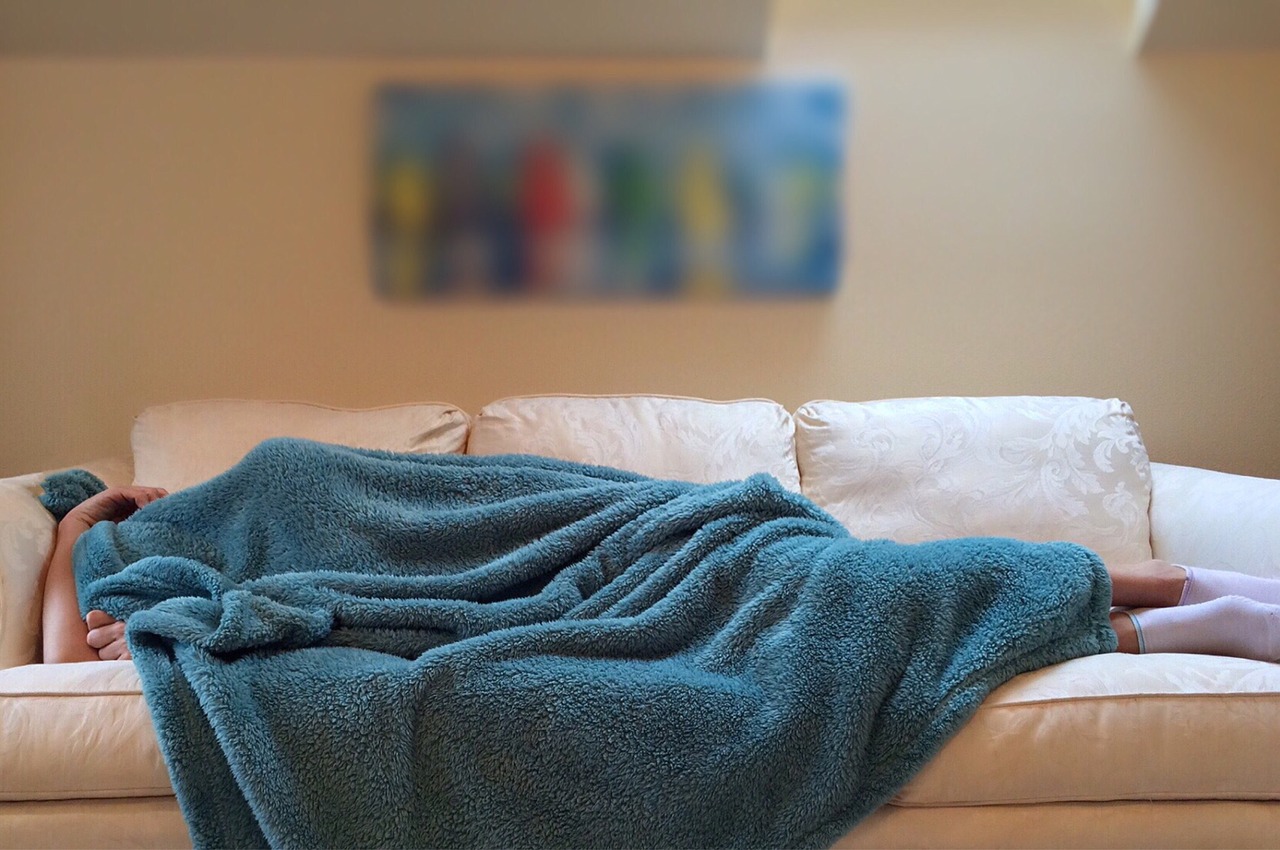
Sometimes getting a good night’s sleep can be a challenge.
(Affiliate links are used in this post.It costs nothing extra to shop through these links and this blog may earn a small commission, which funds its existence. )
What is Chronic Insomnia ?
Most of us have trouble sleeping occasionally, but if you persistently have difficulty with sleep, you may have a medical condition associated with sleep disturbances. These include
Some people have true chronic insomnia, meaning persistent sleep difficulty alone. There are various criteria to diagnose chronic insomnia but in general include
difficulty falling or staying asleep
at least 3 nights per week for at least 1-3 months
with impairment of daytime function, such as fatigue/sleepiness, poor concentration, irritability, school or work dysfunction
How is chronic insomnia managed ?
First step in treatment of chronic insomnia as well as occasional difficulty sleeping is identifying and treating any underlying medical issues that might contribute to poor sleep. In addition to the ones mentioned above these include
pain, of all kinds
heartburn (gastroesophageal reflux)
congestive heart failure
lung diseases like asthma causes nighttime breathing difficulty
In this post I review options to improve our sleep. Daylight Saving Time can disrupt sleep, akin to jet lag. Chronic insomnia involves difficulty sleeping regularly, potentially linked to medical conditions. Treatment begins with addressing underlying issues and adopting sleep hygiene practices, such as exercise and routine. Cognitive Behavioral Therapy for Insomnia (CBT-I) is effective…
Experts recommend sleep hygiene, basically lifestyle changes, as the initial treatment.
For optimal sleep you should
Engage in regular exercise- moderate intensity , tai chi , yoga and low-impact aerobic exercise
Avoid evening large meals
Limit caffeine, tobacco and alcohol
Use the bedroom only to sleep and for sex
Maintain a regular bedtime-awake schedule
Avoid daytime naps
Avoid distracting stimuli at bedtime-watching television, using electronic devices, talking on the phone
Stay in bed only while sleep
How to dim the Lights
The light from electronic devices- clocks, thermostats, televisions, monitors-can disturb your sleep even after you turn off your phone and tablets. This light can be blocked by stick on light blocking covers than can block out the majority of it.
Light from my clock made it hard for me to fall asleep before I discovered these products. With them I fall asleep easier, and can fall back asleep if I wake up.
Maintaining a regular schedule helps to set or reset your sleep/wake cycle. So go to bed at the same time every night and wake up at the same time every morning.
However, if you can’t sleep, rather than lie in bed awake, you should get up, do a non-stimulating activity, then return to bed when sleepy.
Using a computer, laptop, or tablet before going to bed can impair sleep.
If you have persistent sleep loss, consider more intensive therapy by a professional.
CBT-I combines cognitive therapy with sleep restriction, relaxation training and stimulus control.
Treatment typically requires 5-8 sessions conducted by a health professional trained in its use. Patients need to participate by keeping a sleep diary and writing down daily thoughts in a journal, while continuing with the sleep hygiene practices mentioned above.
Writing thoughts in a journal is often encouraged in cognitive behavioral therapy. (photo from the Lightstock.com collection)
One study found 70% of those participating improved their sleep, compared with 43% who received education only. If you can’t find a trained therapist or don’t have time for office based therapy, this may be a good option.
SleepPhone by Acoustic Sheep
A physician, Dr. Wei-Shin Lai had trouble falling asleep after being awakened at night by calls from the ER. Her husband suggested listening to relaxing music to help her fall asleep.
She designed a comfortable headphone for her own use, and eventually started a company to make and sell them . You can try her SleepPhone made by her company AcousticSheep.
Manage Stress, Learn to Relax
If you have occasional trouble sleeping due to stress, relaxation techniques can help you. Techniques include meditation, yoga, imagery, abdominal breathing and muscle relaxation techniques . These can reduce tension and anxious thoughts that inhibit sleep onset and maintenance.
A college graduate receives a gift certificate for a book, choosing a technical manual for his engineering career. This post reflects on the need for coping mechanisms for life’s stressors, sharing five essential steps to manage stress and strain. These steps include maintaining a routine, seeking social support, focusing on the positive, staying active, and…
Curious about sleep apnea? Dr. Deborah Burton offers this review of another common sleep problem.
Exploring the HEART of Health
I’d love for you to follow this blog. I share information and inspiration to help you transform challenges into opportunities for learning and growth.
Add your name to the subscribe box to be notified of new posts by email. Click the link to read the post and browse other content. It’s that simple. No spam.
I enjoy seeing who is new to Watercress Words. When you subscribe, I will visit your blog or website. Thanks and see you next time.












 watercress words by Dr Aletha