
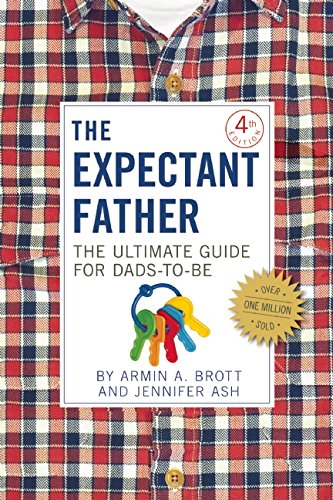
In a previous post I shared books about pregnancy and childbirth aimed at women. Now I offer one that addresses the challenges of fatherhood, appropriately called The Expectant Father. If that’s you, congratulations; maybe this book will answer questions or confirm what you already know.
If you know someone else who is expecting, consider this as a gift. I’m including the links to the previous books. Happy reading.
The links are affiliates from which this blog can earn a commission; thank you for using.
The Expectant Father
By Armin Brott and Jennifer Ash
“This information-packed, month-by-month guide incorporates the expertise of top practitioners in their fields, from obstetricians and birth-class instructors to psychologists and sociologists. It also draws from Brott’s own experience as a father of three and from the real-world experiences of the thousands of dads he’s interviewed.
With the humor of New Yorker cartoons and Brott’s gentle approach, The Expectant Father serves as a friendly and readable companion for dads-to-be seeking confidence, guidance, and joy!”
Taking Charge of your Fertility
The Definitive Guide to Natural Birth Control, Pregnancy Achievement, and Reproductive Health
This new edition for the twentieth anniversary of the groundbreaking national bestseller provides all the information you need to monitor your menstrual cycle–along with updated information on the latest reproductive technologies.
Are you unhappy with your current method of birth control? Or demoralized by your quest to have a baby? Do you experience confusing signs and symptoms at various times in your cycle?
This invaluable resource provides the answers to your questions while giving you amazing insights into your body. Taking Charge of Your Fertility has helped literally hundreds of thousands of women avoid pregnancy naturally, maximize their chances of getting pregnant, or simply gain better control of their gynecological and sexual health.
Toni Weschler thoroughly explains the empowering Fertility Awareness Method (FAM), which in only a couple of minutes a day allows you to:
Enjoy highly effective and scientifically proven birth control without chemicals or devices
Maximize your chances of conception before you see a doctor or resort to invasive high-tech options
Expedite your fertility treatment by quickly identifying impediments to pregnancy achievement
Gain control and a true understanding of your gynecological and sexual health
Common Sense Pregnancy
Navigating A Healthy Pregnancy & Birth for Mother & Baby
“JEANNE FAULKNER has worked in women’s health for 30 years, first in doctor’s offices, free clinics, and classrooms and then as a registered nurse, specializing in obstetrics, labor and delivery, and neonatal care. She began her career as a journalist in 2002 and currently writes the weekly column Ask the Labor Nurse for FitPregnancy.com.
She contributes articles about health, medicine, food, parenting, travel, and lifestyle issues to such publications as Fit Pregnancy, Pregnancy, Shape, Better Homes & Gardens, and the Huffington Post and Oregonian newspapers. She’s also the senior writer/editor for Every Mother Counts, a global maternal health advocacy organization founded by Christy Turlington Burns”–
Having a baby A to Z for mom and dad- some books to consider
In a previous post I shared books about pregnancy and childbirth aimed at women. Now I offer one that addresses the challenges of fatherhood,





 watercress words by Dr Aletha