updated September 2, 2024
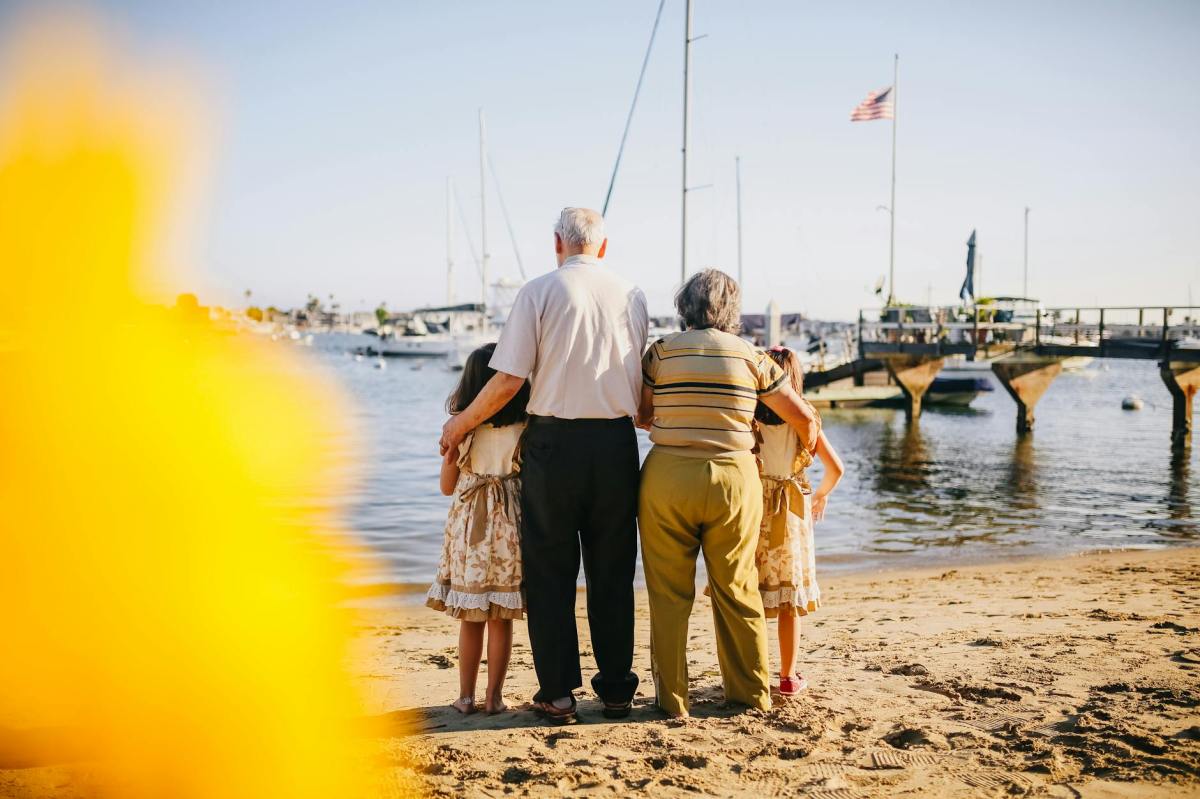
Do you know there is a Grandparents’ Day? For those who remember to observe it, it is the second Sunday in September in the United States. But according to Wikipedia, it is an international practice.
In the Unites States, Marian McQuade is credited with championing the observance with three objectives.
- To honor grandparents.
- To give grandparents an opportunity to show love for their children’s children.
- To help children become aware of the strength, information and guidance older people can offer.
Mrs. McQuade started her campaign for a day to honor grandparents in 1970. She worked with civic, business, church, and political leaders to first launch the day in her home state in 1973.
Then, after many years, much persuasion, and unending persistence, she finally achieved her bigger goal. It was in 1979 that President Jimmy Carter proclaimed the first Sunday after Labor Day each year as National Grandparents Day (September was chosen to signify the “autumn” years of life).
Read more about the History of Grandparents Day.
Grandma’s Briefs
Lisa Carpenter writes a blog called Grandma’s Briefs where she
shares my snippets, er, briefs on the good, bad, humorous, and heartwarming of being a grandmother, baby boomer, parent to adult children, wife, and writer.
One of the features on her blog is Grilled Grandmas, where she interviews other women who are both bloggers and grandmothers. Her blog challenges the stereotype of rocking chair grandmothers way past their prime in life.
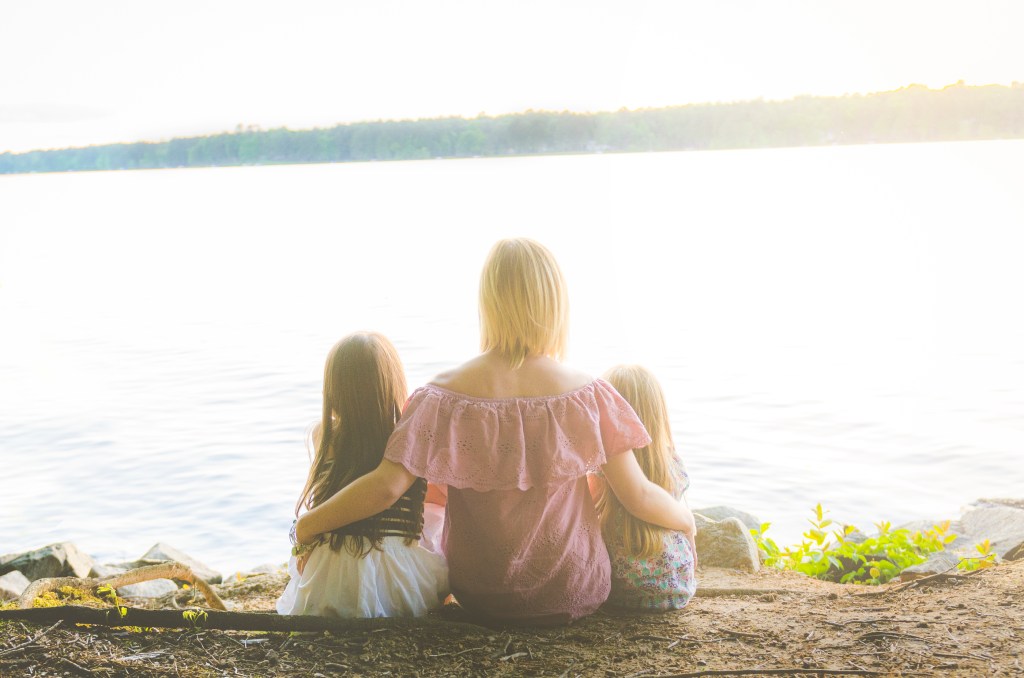
photo from Lightstock.com
Why talk about grandparenting?
Why would I talk about grandparenting on a medical blog? Health professionals consider the family a vital factor in health, both positive and negative. You probably know that family medical history contributes to physical health, but family interactions also play an important role in child development, learning, and emotional health.
Grandparents can play an important role in the lives of their grandchildren. In some families, they are the caregivers; in others, they help make lasting memories through special visits.
Grandparents pass on family traditions and give children the fundamental sense that they are loved and valued.
Research has shown that when grandparents are involved with their grandchildren, even from a distance, all the generations are often much happier.
Building Bonds with Your Grandchildren
My Grilling
When Lisa “grilled” me, I had two grandchildren. Since then I have had two more. So now I have two boys and two girls. The older two live near me so I see them often. The younger two lives several hundred miles away.
Some of Lisa’s questions challenged me to answer. Some answers I knew right away, others required reflection. For example, this question
What is the most challenging part of being a grandma?
my answer-
Not having had a role model. My grandmothers died before I was born, so I never experienced having a grandmother in my life.
This question was easy.
What is one thing (or more) you’re proud to say you do right as a grandma?
We (including the grandpa) offer advice and help when asked, but we don’t butt in, interfere, criticize, or make demands. We let the parents be the parents.
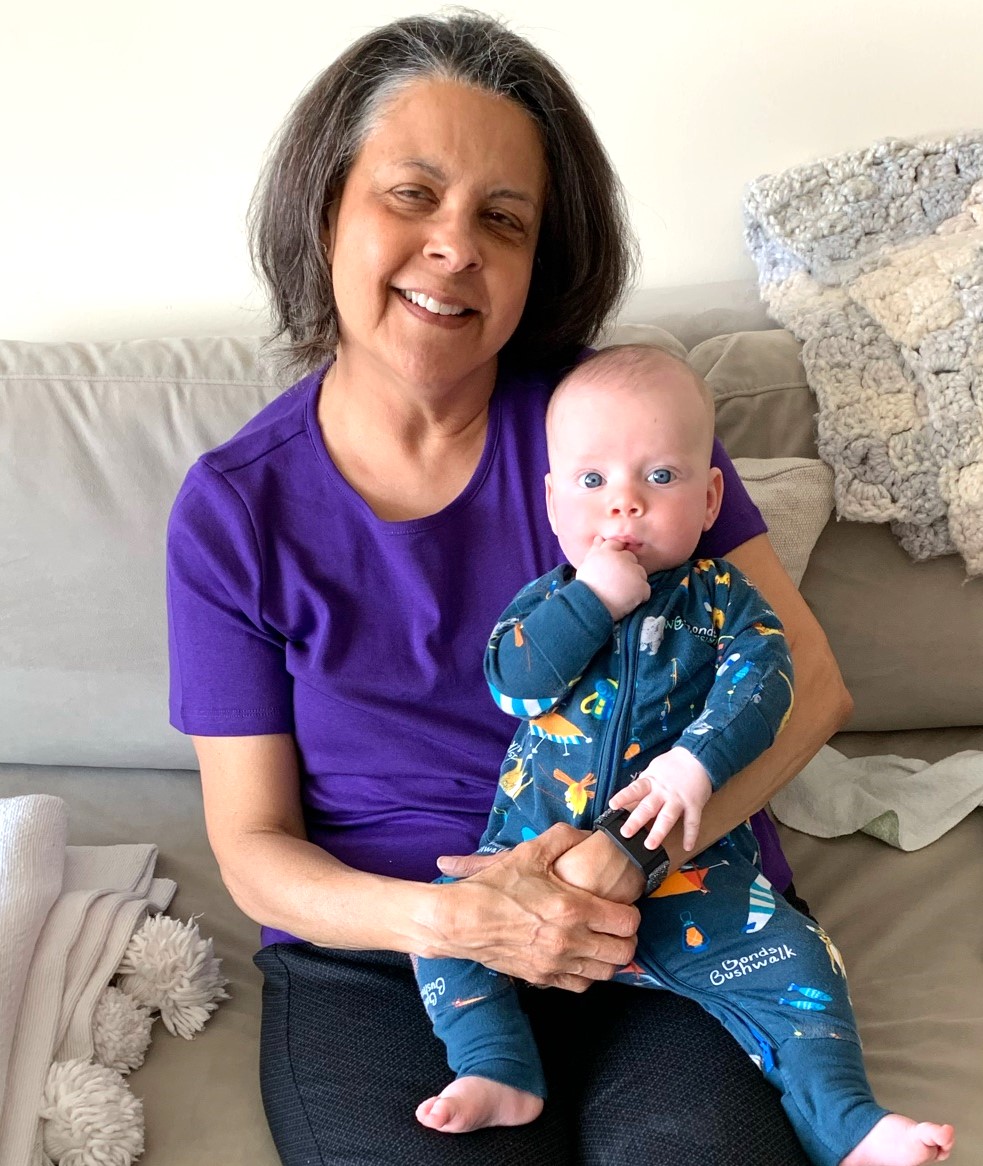
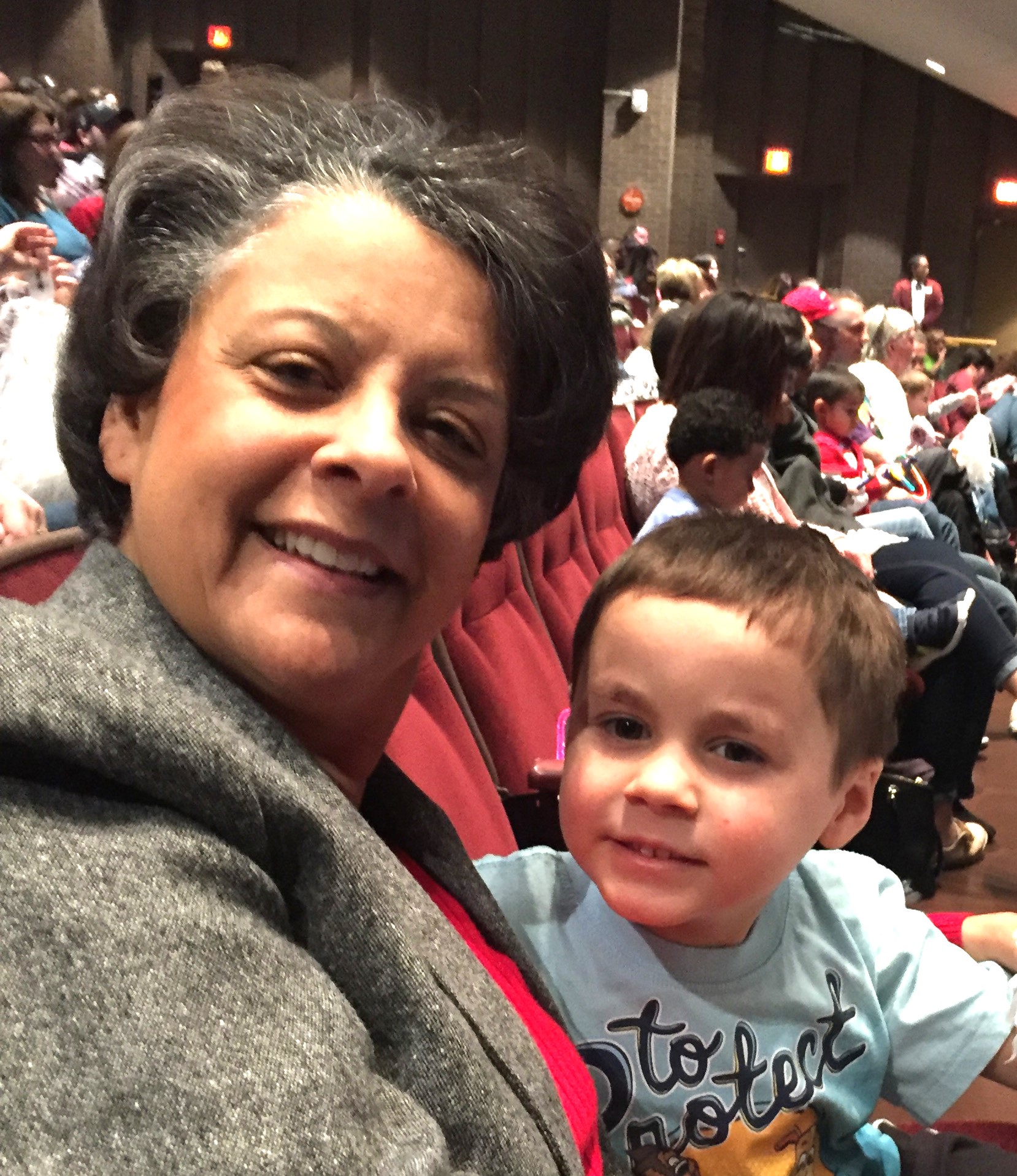
Lisa asked me to submit a few photos of me with my grandkids; perusing my photos sparked many happy memories.
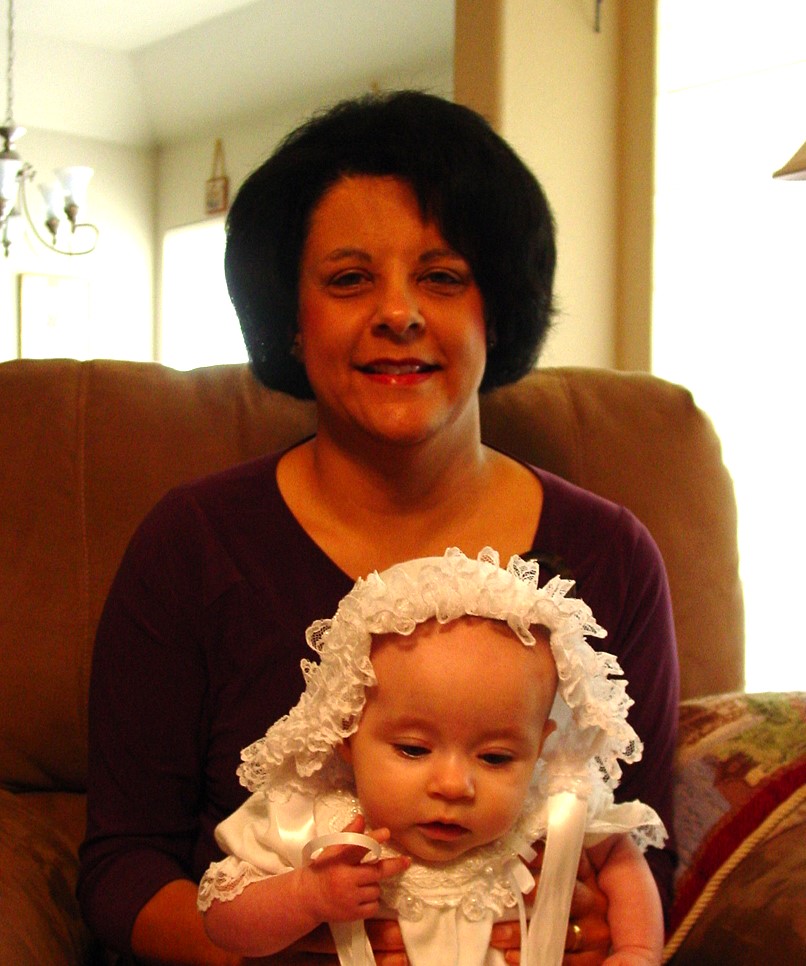
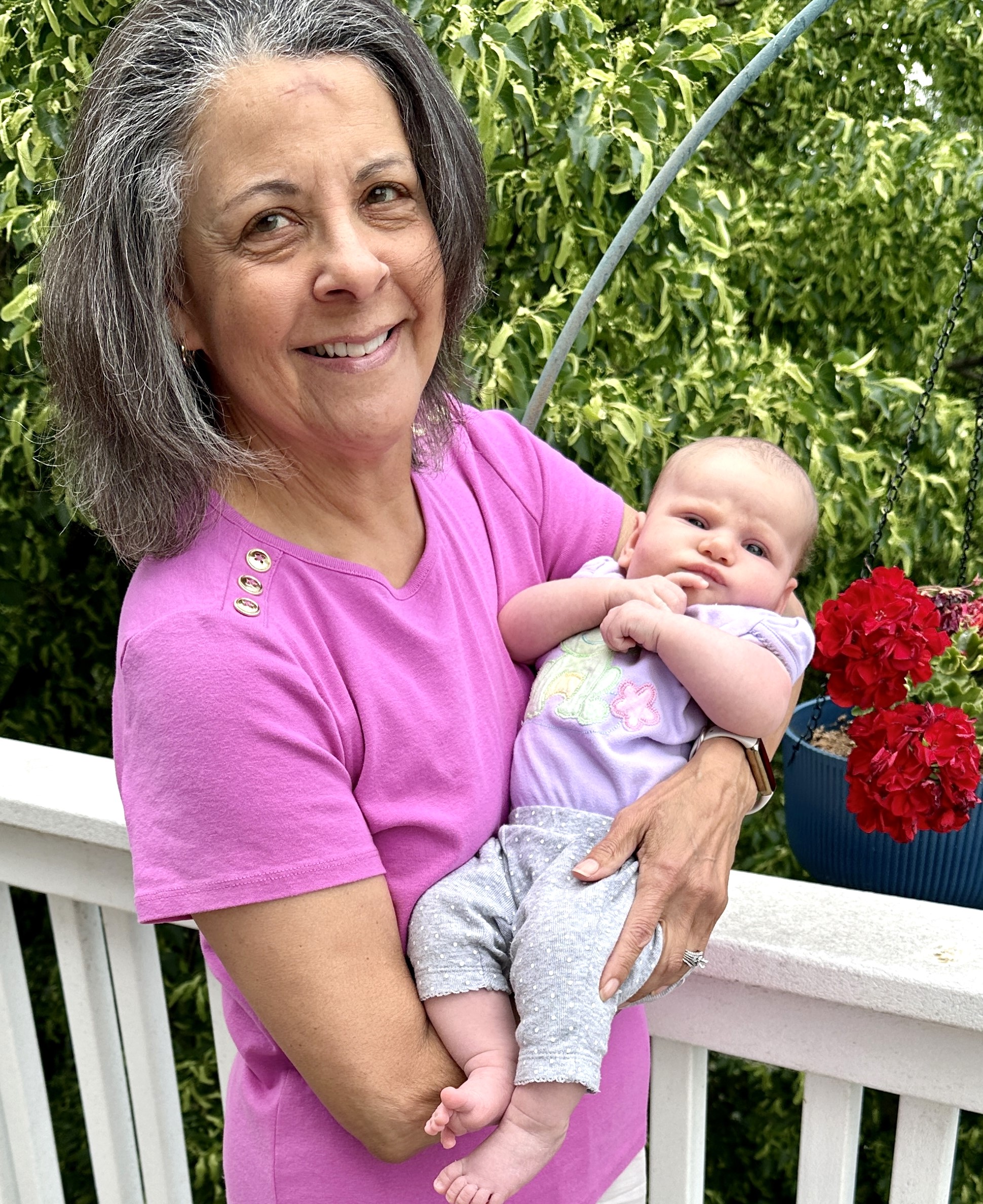
Lisa’s final question was –
What one bit of advice would you give a new grandma?
Learn the answer at Lisa’s post which you will find at this link-
Grilled Grandma: Grandma Aletha
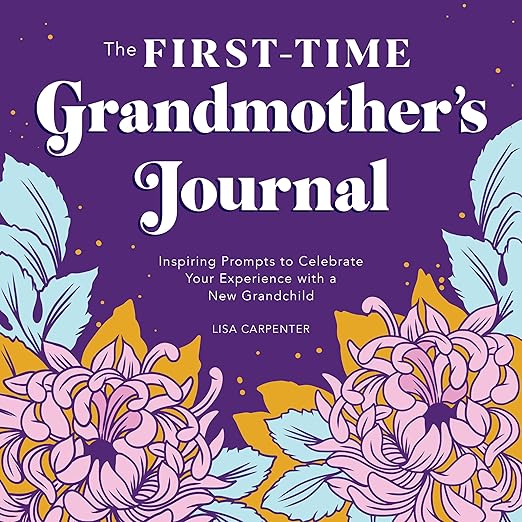
The First-Time Grandmother’s Journal: Inspiring Prompts to Celebrate Your Experience with a New Grandchild
Lisa Carpenter wrote a book/journal about grandparenting. This beautiful guided grandmother’s journal will help you capture your thoughts, feelings, and memories as you embark on this thrilling, life-changing journey. (affiliate link, may earn a commission)
Read sample here
Taking Care of Your Grandchildren
Even though they are my grandchildren, I keep in mind that they are someone else’s children, even though the someone else is my child. I need to be mindful of their parenting plans and any special needs of the kids.
This article from Nemours Kids Health gives grandparents a refresher course in caring for children. Whether they are with you for just a few hours, several days, or live with you, this gives practical tips on keeping them healthy and safe when they are in your care. Here are some highlights.
It’s important to know a child’s medical history, including any allergies and any medicines your grandchild takes.
Always place infants younger than 1 year old on their backs to sleep to reduce their risk of sudden infant death syndrome (SIDS). Never put babies on their stomachs or their sides to sleep.
Babies and children should be in child safety seats that meet current standards. All kids younger than 12 years should ride in the back seat with the appropriate safety restraint.
See that your grandkids always wear a helmet when riding a tricycle or bicycle. Make sure that the helmet fits well. Be a positive role model (and protect your own head) by wearing your helmet too.
Supervision is always the best way to keep grandkids safe. But it’s also wise to childproof your home.
Washing hands well and often — particularly after going to the bathroom and before preparing or eating food — is one of the most important ways to prevent the spread of any illness, from the flu to stomach bugs.
Offer your grandkids a variety of free-time activities to try. Turn off devices and TVs during meals and homework, and set a good example by limiting your own screen time.
Learn CPR
If you don’t already know CPR, consider taking a class or refresher course. CPR is done differently in children than in adults. Infants and children are more likely to suffer respiratory arrest -quit breathing- than cardiac arrest-heart stopping. Common causes include choking, drowning, and trauma. Sources for training include
- American Red Cross
- American Heart Association
- your local schools’ adult education programs
- local hospitals and medical training programs
Sharing the HEART of healthy grandparenting
Thank you for reading this post. Please follow this blog and me on social media.
I share information and inspiration to help you transform challenges into opportunities for learning and growth.
Add your name to the subscribe box to be notified of new posts by email. Click the link to read the post and browse other content. It’s that simple. No spam.
I enjoy seeing who is new to Watercress Words. When you subscribe, I will visit your blog or website. Thanks and see you next time.
Dr. Grandma Aletha
- About Dr. Aletha
- How to Use this Site
- Make Your Life Easier
- Search by Category
- Share the HEART of health
- my Reader Rewards Club
- RoboForm Password Manager

Lightstock-quality photos and graphics site- here.
(This is an affiliate link)