With more hours of sunlight and warmer weather you may spend more time outdoors.While that may mean greater fitness from the physical activity, you will be at risk of several outdoor injuries. Be proactive and prevent warm weather ailments with these tips.
Remember it’s Spring forward to Daylight Saving Time
Most of the United States changes to Daylight Saving Time on the second Sunday of March every year
So you will either be going to bed an hour later than usual, or awakening an hour earlier.
sleep
Either way, your body will tell the difference until your sleep cycle adjusts; I know mine always does. WebMD offers these tips to make the change easier.
If getting a good night’s sleep is a persistent problem for you, check out the information I shared in this post.
With more hours of sunlight and warmer weather you may spend more time outdoors.While that may mean greater fitness from the physical activity, you will be at risk of several outdoor injuries. Be proactive and prevent warm weather ailments with these tips.
insect bites and stings
Protect yourself against mosquitoes and other insects.
Protect your skin with sunscreen while you’re outside.
(These are affiliate links placed here for your convenience. This blog can earn a commission from sales from these links. This does not imply endorsement of these products.)
blisters and other wounds
Protecting your feet.
Whether walking, jogging, gardening, or sports, our feet can take a beating from outdoor activity.
You probably don’t worry much about blisters- until you get one. Then the pain can inhibit walking, or even wearing a shoe.
At worst, blisters can become chronic wounds, get infected, and threaten limbs in susceptible persons like those with diabetes or poor blood flow.
Ways to prevent blisters include-
Proper fitting shoes, not too tight or too loose
Breaking shoes in before activity likely to cause a blister, like running, dancing, long walks, sports
Wearing absorbent cushioned socks, perhaps 2 pair together
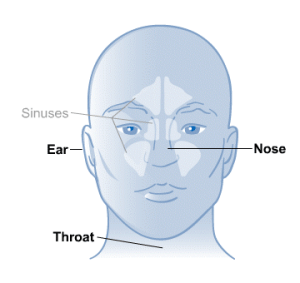
Seasonal allergies, like other allergies, develop when the body’s immune system becomes sensitized and overreacts to something in the environment that typically causes no problem in most people.
exploring the HEART of health this spring
Thank you for viewing the advertisements and using the affiliate links that fund this blog; with your help, we can grow, reach more people, and support worthy causes that bring health and wholeness to people around the world.
Dr. Aletha
Use these links to share the heart of health wherever you connect.
When faced with death, Norma chose living. And in doing so, she and her family learned what really matters at the end. Through this book, they share what they learned with us.
An Inspirational Story About What Really Matters at the End of Life
And it’s both of those. When faced with death, Norma chose living. And in doing so, she and her family learned what really matters at the end. Through this book, they share what they learned with us.
(This post contains affiliate links.)
I first learned about Norma Bauerschmidt on Facebook when a friend shared a video about her. She was a 90 year old woman who decided to spend the last months of her life “on the road” travelling with her son in a motorhome. She was diagnosed with cancer but decided to forgo treatment so she could enjoy her remaining time.
I didn’t learn more about her until I saw this book. I decided to read it, expecting a feel good entertaining read. The story turned out to be far more complex than the little I knew.
Driving Miss Norma tells the story of Norma Bauerschmidt, a WWII WAVE veteran, wife, and mother. She was still in good health at 90 years of age, until she was diagnosed with cancer.
Her doctor recommended surgery to be followed by chemotherapy, and warned her the treatment and recovery would be long and difficult. She told him no, she would rather “hit the road” with her son and daughter-in-law and enjoy her life, seeing and doing things she had not had a chance to do before. And her doctor agreed, saying that is just what he would do.
Tim, her son, and Ramie, his wife, had already been living a nomadic life, travelling the country with their standard poodle Ringo in an Airstream travel trailer they parked in campgrounds and Walmart parking lots. They enjoyed travelling, seeing new places, meeting new people. They wondered how adding a 90 year old woman to their wandering lifestyle would work.
By the time they completed arrangements for Norma to join them, she was already frail, and as her illness progressed she needed even more attention and care. Tim and Ramie soon realized that this might be more difficult and complex than they imagined.
In the book, co-written by Tim and Ramie, they tell their stories also; the mid-life challenge of caring for aging parents, making end of life decisions and plans, and coping with parents’ death and their subsequent grief. Having chosen not to have children, the role of caregivers was foreign to them, and one they had to painstakingly embrace and navigate.
By coincidence, Ramie had recently read the book Being Mortal “a critical examination of end-of-life medical care.” Until then she had not thought much about the subject. But when she finished the book
“I knew my life had changed. The way I looked at the end of life had been flipped upside down and backward. I knew now it was time to have those tough conversations.”
As they travelled, Ramie began writing about their adventures and posting on Facebook to close friends and family. She thought that other people might also be interested so she started a Page, Driving Miss Norma. They attracted a handful of followers initially, as she expected.
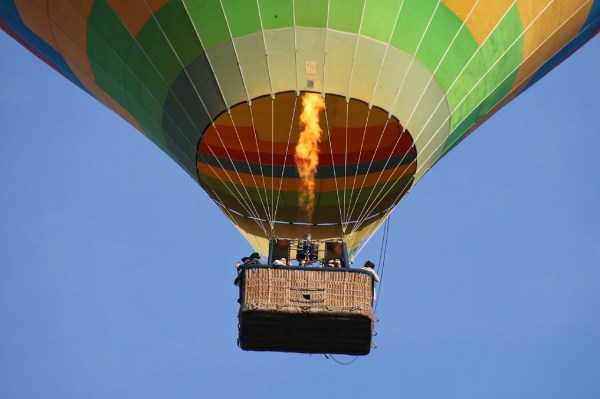
Norma went on her first and only hot air balloon ride (complimentary stock photo from Pixabay)
But after Norma’s story was reported on the Good News Network, followed by a CBS Evening News Story , the Page began adding followers by the thousands.
The were alarmed, even fearful, of what they perceived as an intrusion on their privacy. Until now, they had deliberately avoided media in their isolated lifestyle. Then they began noticing how Norma’s story was resonating with people in a way they had not expected.
“We had suddenly and dramatically found ourselves in the middle of an international conversation about the meaning of life, illness, dying and love. We were learning on the fly how to open ourselves to holding so much raw emotion.”
Her story opened their lives to new people and situations they never imagined would happen. Rather than being a burden, Norma’s growing fame became the vehicle for them to grow closer to her, each other, and a whole new set of friends all over the country and the world.
“We had the support of people all over the world and that was breathing new energy into our days. Here were so many people pouring out their deepest fears, losses, and desires to us. They told us of their caregiving struggles. They shared with us their innermost desires- to make peace with their recently deceased father, to tell someone “I love you.”
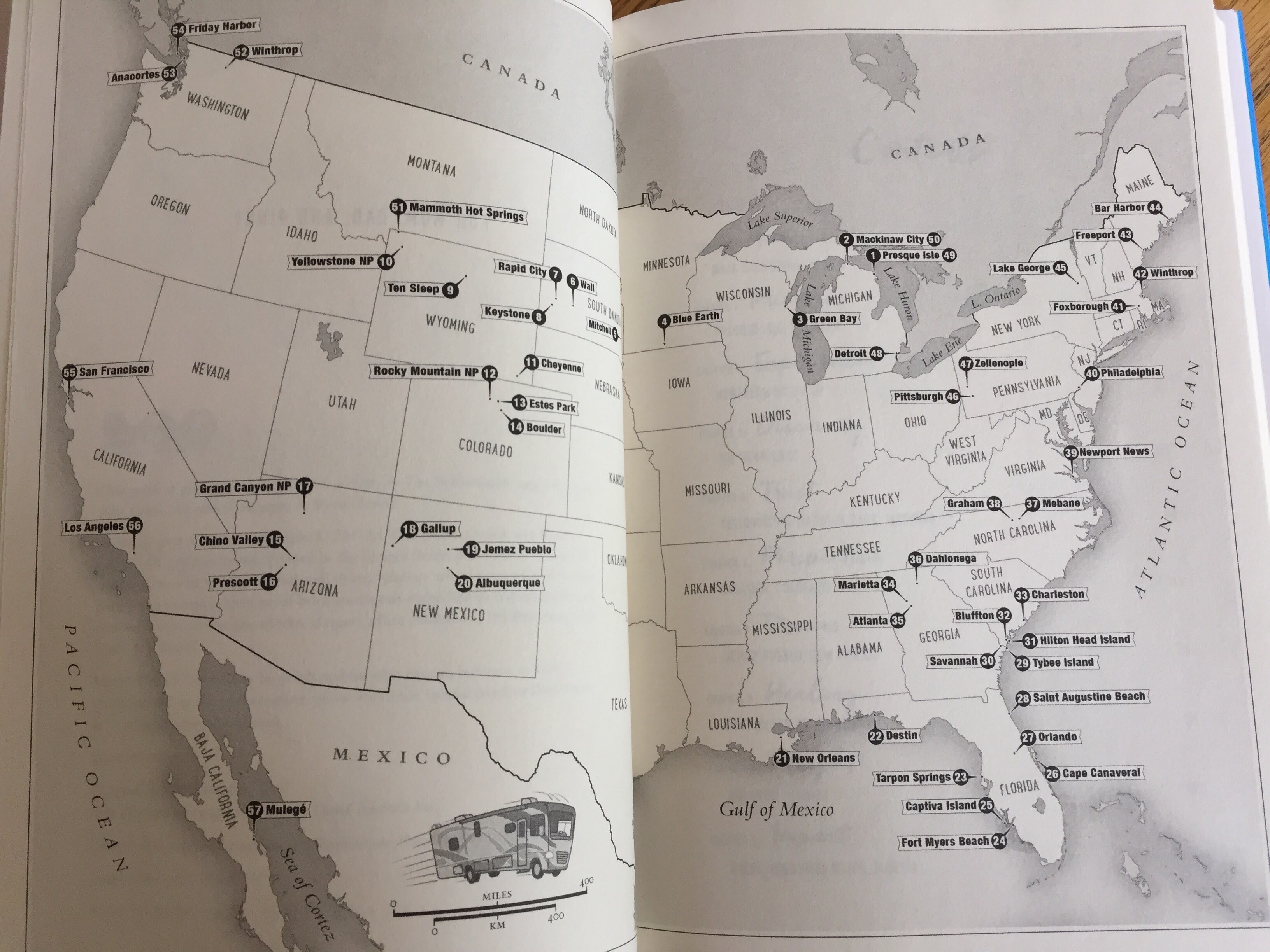
Throughout the story Tim and Ramie share about the places Norma visited (see map), people she met, from the common to famous, the foods she tried, sometimes for the first time, and activities she tried, also many for the first time, like riding a horse. They and the new friends they made shared food, fun, love, and laughter.
Norma visited all the sites marked on this map
But they also touch on the serious issues we all deal with sooner or later- aging, frailty, complex illness, terminal illness, end of life decisions, palliative care, death, and grief. They learned some important lessons about human relationships which they illustrate beautifully in their transparent writing.
“We learned how to greet people with open minds and open hearts…the lines that separate people into different boxes-religion and politics and race and age-blurred and faded and eventually disappeared. We got to see the truth in people, including in Norma: her glow, her tenacity, her joy, and her confidence.”
Tim and Ramie wrote the book after Norma’s death. They each took turns writing different chapters, and Ramie took all the photographs that illustrate it. But in a way Norma herself wrote the book, since it was the way she faced the final months of her life that produced the lessons her family learned and share with us in this book.
Norma kept a journal during their travels and after she died Tim and Ramie, with close friends, read it, and were somewhat surprised at what she wrote. Or rather, what she didn’t write.
“She did not write about cancer or fame- the two big themes of the trip for us. She did not write about the fear of dying or illness at all. Instead, she talked about life, living, and the things that brought her happiness:a sturdy wheelchair, mama and baby goats, a good hair perm, and her trusty sidekick Ringo.”
I feel sad that Norma’s trip did not bring her though my town so I could have met her. But there will be “Normas” in my life that I will meet, and perhaps someday I will be a Norma myself. When that happens I hope I remember the lessons this book teaches.
“Joy begets joy, love begets love, peace begets peace.”
I hope you enjoyed this look at Norma’s book and will share this post on the social sites you meet up with friends. Please check out some of my other book reviews. Links are in the menu on the side bar (may be below if on a phone or tablet).Or just search.