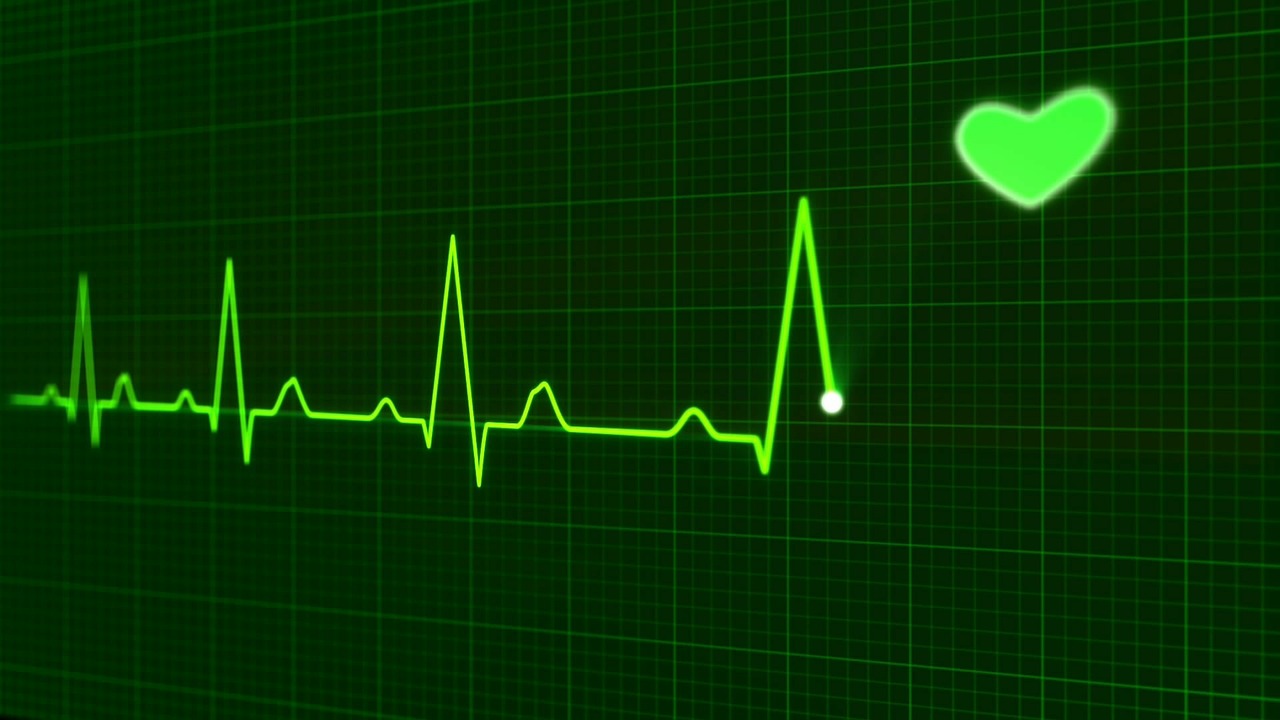
Exploring heart disease-when hearts “break”

understanding common heart conditions

updated April 7, 2023

If you have ever had a “broken heart” (and who hasn’t?), you know the sadness and grief cause not just emotional pain, but physical pain. And since that pain is often felt in our chest, it makes sense that we call it “heart break”.

The late Elvis Presley made the expression famous with his breakout hit Heartbreak Hotel. 

And a particularly gruesome battle during the Korean War occurred at a place named Heartbreak Ridge, dramatized in a movie  Heartbreak Ridge.

Exploring -the HEART

We often use the term HEART DISEASE when there are many diseases that involve the heart.  HEART conditions affect people from birth to death.

diagram of the human heart
Heart diseases affect any and sometimes multiple parts of the heart- the atria, ventricles, the valves, the aorta, the pulmonary artery and veins, the walls and the coronary arteries (not shown in this diagram. )

Congenital Heart disease

Heart problems that are present at birth are called congenital heart disease. Defectos cardíacos congénitos. Signs or symptoms may be not apparent for a few weeks or months.

  • A congenital heart defect is a problem with the structure of the heart. It is present at birth.
  • Congenital heart defects are the most common type of birth defect.
  • The defects can involve the walls of the heart, the valves of the heart, and the arteries and veins near the heart.
  • They can disrupt the normal flow of blood through the heart. The blood flow can slow down, go in the wrong direction or to the wrong place, or be blocked completely.

I remember how concerned I felt when my son called to tell me the doctor had found a heart murmur in my 3-week-old granddaughter- especially since they lived 2000 miles away. An  echocardiogram showed a VSD, a ventricular septal defect– a hole between the two larger chambers of her heart. We were all relieved when the pediatric cardiologist said it was small and unlikely to cause her problems or to need surgery, and his prediction has been correct.

Other congenital heart conditions

CARDIOPATÍAS CONGÉNITAS

Cardiomyopathy

In a previous post I told you about my late friend Chuck who had heart disease. Chuck had developed cardiomyopathy, disease of the heart muscle, which makes up the walls of the heart. Cardiomyopathy  has many causes including high blood pressure (if not controlled), ischemia (lack of blood flow), infections, toxins including alcohol, and sometimes unknown causes.

Cardiomyopathy can often be managed with medications and lifestyle but sometimes, as in Chuck’s case, requires heart transplantation.

Chuck’s wife Sara wrote about his heart condition as well as other medical issues in her memoir Trumped By Sovereignty.

Myocarditis

Miocarditis

Myocarditis was a potential complication of COVID-19, both from the virus itself as well as the mRNA vaccines against it. But the risk was higher with infection than from the vaccine, the American Heart Association reported.

Myocarditis is much less common than other heart diseases but tends to occur more often in men, and in young to middle aged persons.

Myocarditis results from the inflammation created by a variety of causes.

  • cancer drugs that inhibit the immune system
  • autoimmune disorders such as systemic lupus
  • vaccines-mRNA for SARS-CoV2 and smallpox vaccine
  • the most common cause-viruses including coronavirus, influenza, parvovirus B19, dengue

Like other forms of heart disease myocarditis can lead to heart failure and arrhythmias with a mortality rate of 1-7%. Most people have uncomplicated myocarditis and fully recover.

Ischemic Heart Disease

Enfermedad de las arterias coronarias

My late father developed diabetes mellitus which led to atherosclerosis of his coronary arteries, the arteries that carry oxygen to the heart itself. Atherosclerosis can affect any of the arteries and sclerosis means “hardening”, hence the term hardening of the arteries.

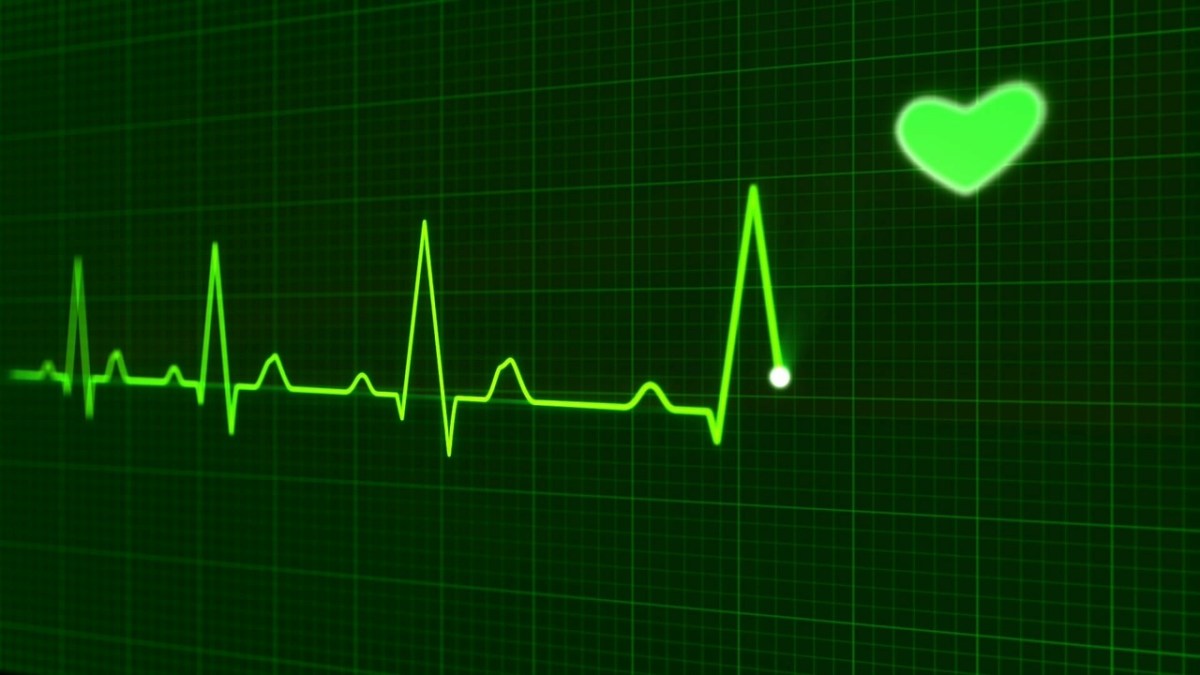
EKG tracing
In sudden cardiac death, the heart stops beating abruptly

In his case this caused a heart attack, which in medical terms is a myocardial (heart muscle) infarction(death or damage).

From the damage to his heart muscle he developed congestive heart failure; his heart could not effectively pump blood  to his body.

I still remember the night I received a phone call soon after going to bed. It was an EMT from the local ambulance service telling me he was at my parents’ home. My mother called 911 after my father collapsed at home and died from sudden cardiac death.

Sudden cardiac death occurs when someone with heart disease dies suddenly and unexpectedly. But sometimes, unlike my father’s case, the victim and family didn’t know a heart condition existed. This is often the case when someone dies from a sudden and persistent irregularity of the heart rhythm, called an arrhythmia.

old photo of man in a sailor uniform
My late  father served in the U.S. Navy during the Second World War

Presión arterial elevada (Hipertensión)

Hypertension

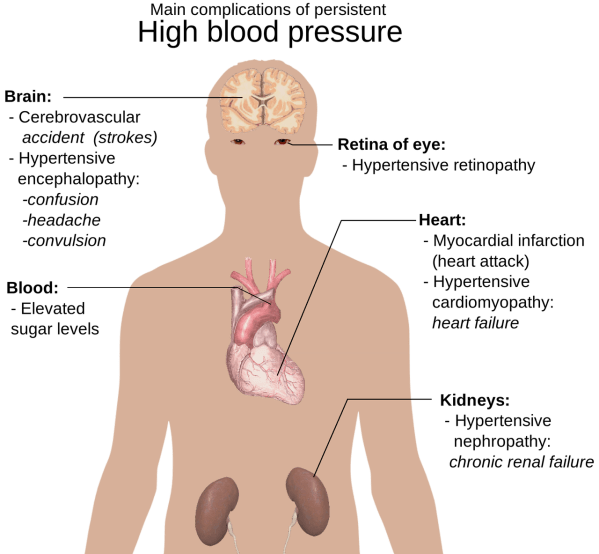
Both my husband and I have hypertension, the medical term for high blood pressure. This is probably the most common cardiovascular disease . Although not a heart condition, it can cause disease in the heart and other vital organs, as shown in this diagram .

complications of high blood pressure

Before you go..

Please follow any of the above links to read more about these and other heart conditions.

Please explore and follow this blog for more articles that explore the HEART of health.

Enjoy this book review of State of the Heart-how we learned to understand the way the heart works and heart and what to do when it doesn’t work the way it should

Exploring -the HEART

exploring the heart for Valentine’s Day


Since Valentine’s Day occurs this month, I’ve decided to highlight the heart and heart disorders in my next few posts. I hope you learn something about how your heart works, what can go wrong, and how we can prevent and treat heart disorders.

(Except for the EKG tracing, the graphics in this post are compliments of Pixabay. Thanks to the photographers who donate photos. )

Our brain controls the actions of the body’s other organs, but the heart supplies the power that keeps everything working smoothly, including the brain. Using the intricate “highway” system of arteries and veins, the heart pumps blood carrying oxygen, water, and nutrients to every cell in the body.

diagram of the human heart

The heart is a muscle which works much like the other muscles in your body. Unlike the muscles in your arms and legs, you can’t control the movement of your heart muscle.

Your  heart is about the size of your fist. It sits in the chest, behind the breast bone (sternum) and slightly to the left.

This link shows and describes the Anatomy of the Heart

in detail .

diagram of the human heart
The heart alternately fills with blood from the body, then pumps blood out to the entire body. Between these times it gets blood to and from the lungs.

With every contraction the Heart pumps blood through the arteries ; each contraction produces the familiar heartbeat. Most adult hearts beat from 60 to 100 times per minute.

The adult heart pumps approximately 5.5 quarts or liters of blood throughout the body, depending on the person’s size and medical condition.

diagram of the veins and arteries
The blue Veins carry blood back to the heart; The red Arteries carry blood containing oxygen away from the heart out to the body.

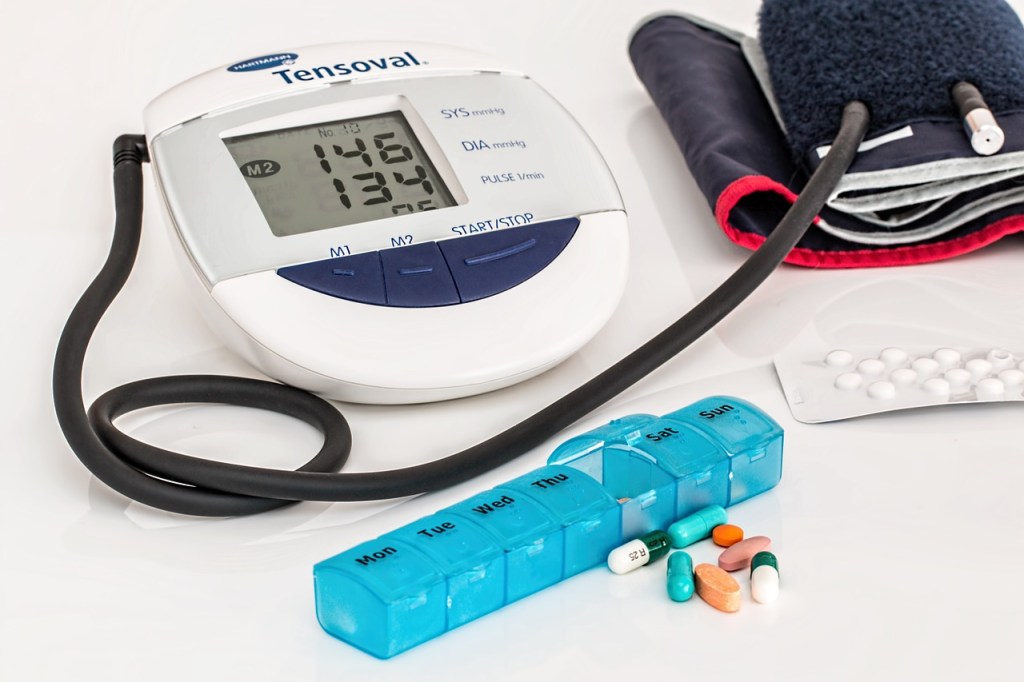
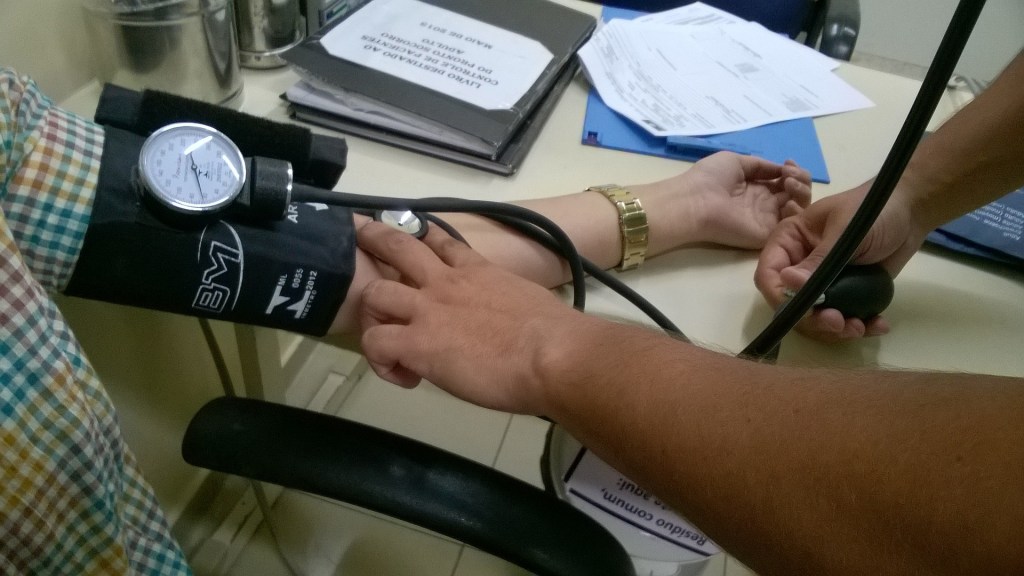
Blood pressure measures the force of the heart’s pumping action. Doctors consider the healthiest blood pressure to be below 130/80.  There is no absolute “normal” minimum blood pressure.

taking blood pressure

At this link you can watch an animation showing

how the heart works

electrocardiogram- tracing
An electrocardiogram, EKG, records the heart beats produced by the heart’s electrical system.

An electrocardiogram, EKG  or ECG , records the heart’s electrical activity; the electrical system makes the heart work, similar to the electricity that powers the appliances in your home. (We usually say EKG instead of ECG to avoid confusion with an EEG, an electroencephalogram, which measures the electrical system of the brain.)

This link explains how the heart’s electrical system works.

Explore the heart further at these follow up posts

Exploring -when HEARTS break

7 Steps to a Healthy Heart