Remembering D-Day through Art

In 1943, as a 20 year old, Bill joined the Army, deployed to England, and prepared for the invasion. What he thought would be a grand adventure turned into a nightmare which he vividly captured in his book.

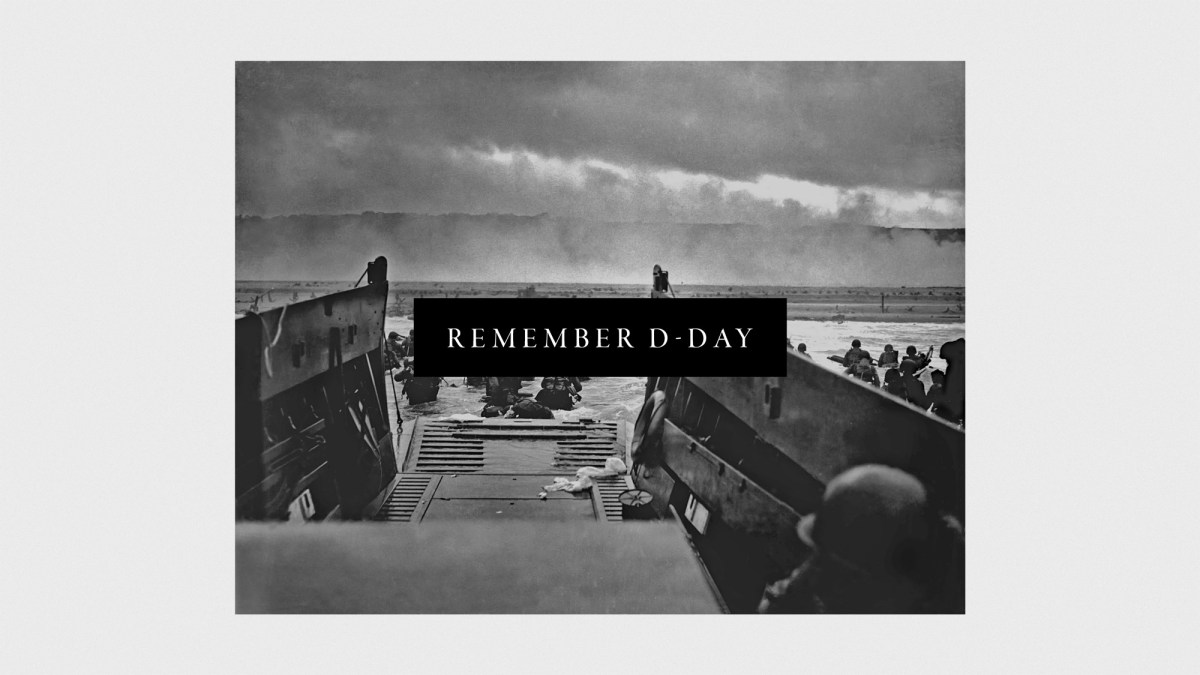
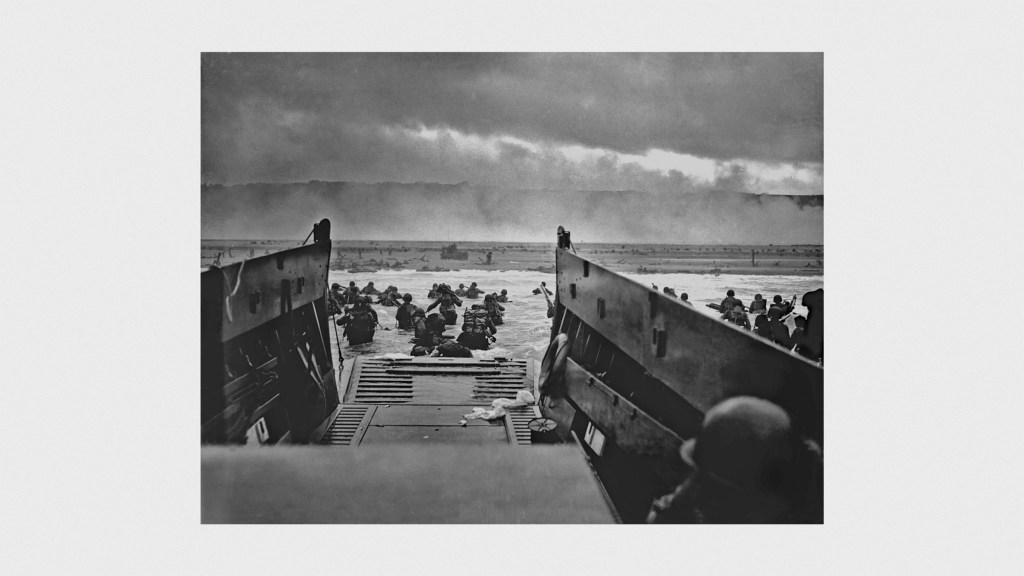
In the United States and in Europe, people observe June 6 as D-Day, when in 1944 Allied troops invaded Normandy, liberating France from Nazi occupation and ultimately end World War II. Special observances are planned every year there and in the United States to observe the anniversary of that historic event. 

Remembering D-Day by the Numbers
  • 156,000 troops from Allied nations, including the United States, the United Kingdom, Canada, France, Norway, and others 
  • 5 beaches along 50 miles of Normandy coast 
  • 6000 ships
  • 50,000 vehicles
  • 11,000 planes
  • 12,004 killed, wounded, missing or captured 

(source-The American Legion Magazine) 
How one man remembered D-Day

I learned about D-Day from my late friend Bill Hart, who died in 2014. Bill served in the U.S. Army during World War II , and his unit was part of the force that invaded Normandy.

Bill wrote an illustrated memoir about his military experiences. Through his written and visual account, he left us a first hand account of an experience that changed his life and changed the world. I want to share some of his memories with you here.
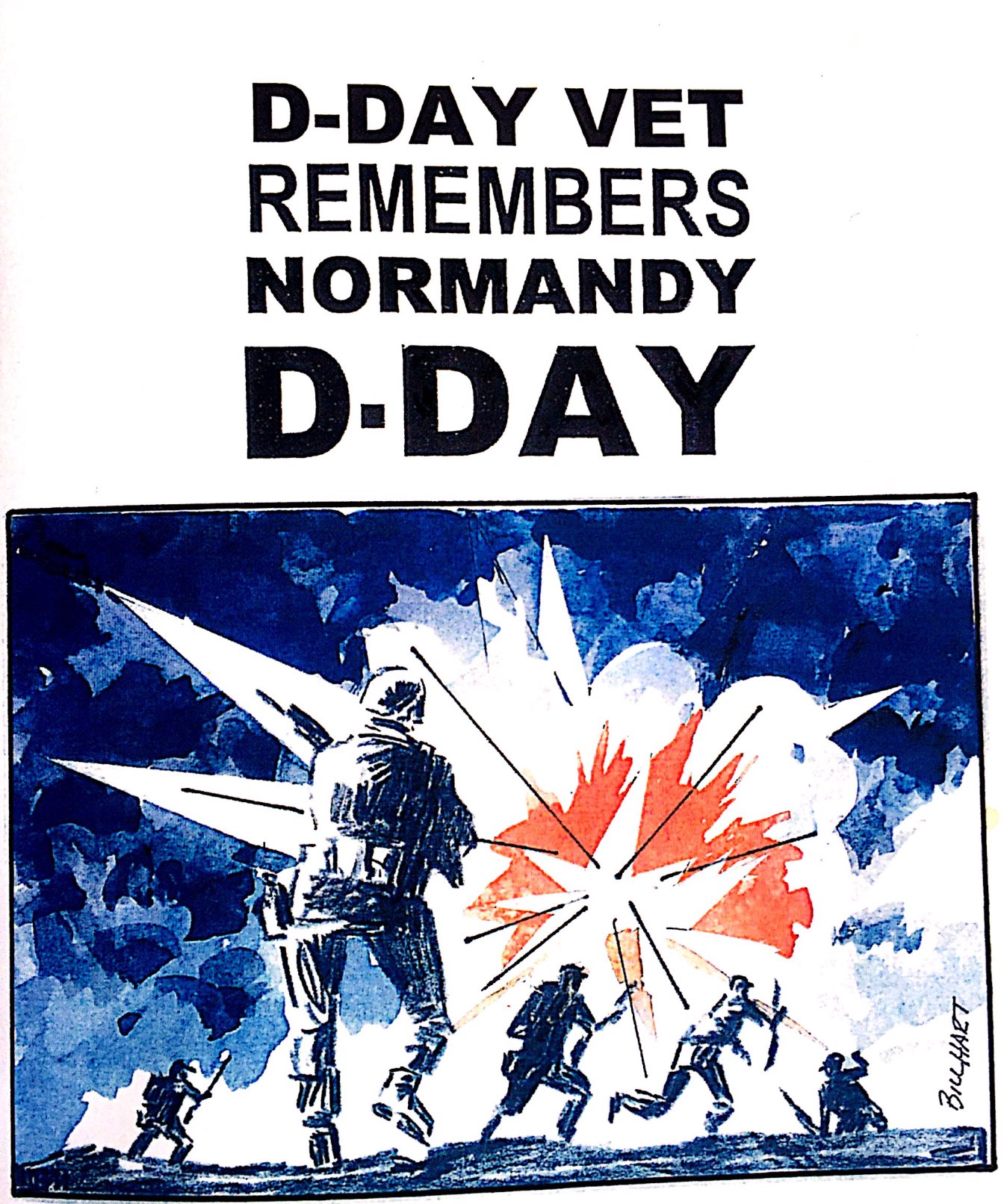
D-DAY VET REMEMBERS NORMANDY

Fighting the war in Europe

In 1943, as a 20 year old, Bill  joined the Army, deployed to England, and prepared for the invasion. What he thought would be a grand adventure turned into a nightmare which he vividly captured in his book.

Several days into the fighting on the beaches at Normandy, he was assigned to pick up and transport the bodies of fallen soldiers. Thereafter, as he worked his way across France and Belgium into Germany, he found himself dodging enemy soldiers, liberating concentration camps, dealing with angry and defeated POWs, and famished, humiliated civilians struggling to survive.  Bill described what he saw and felt this way.
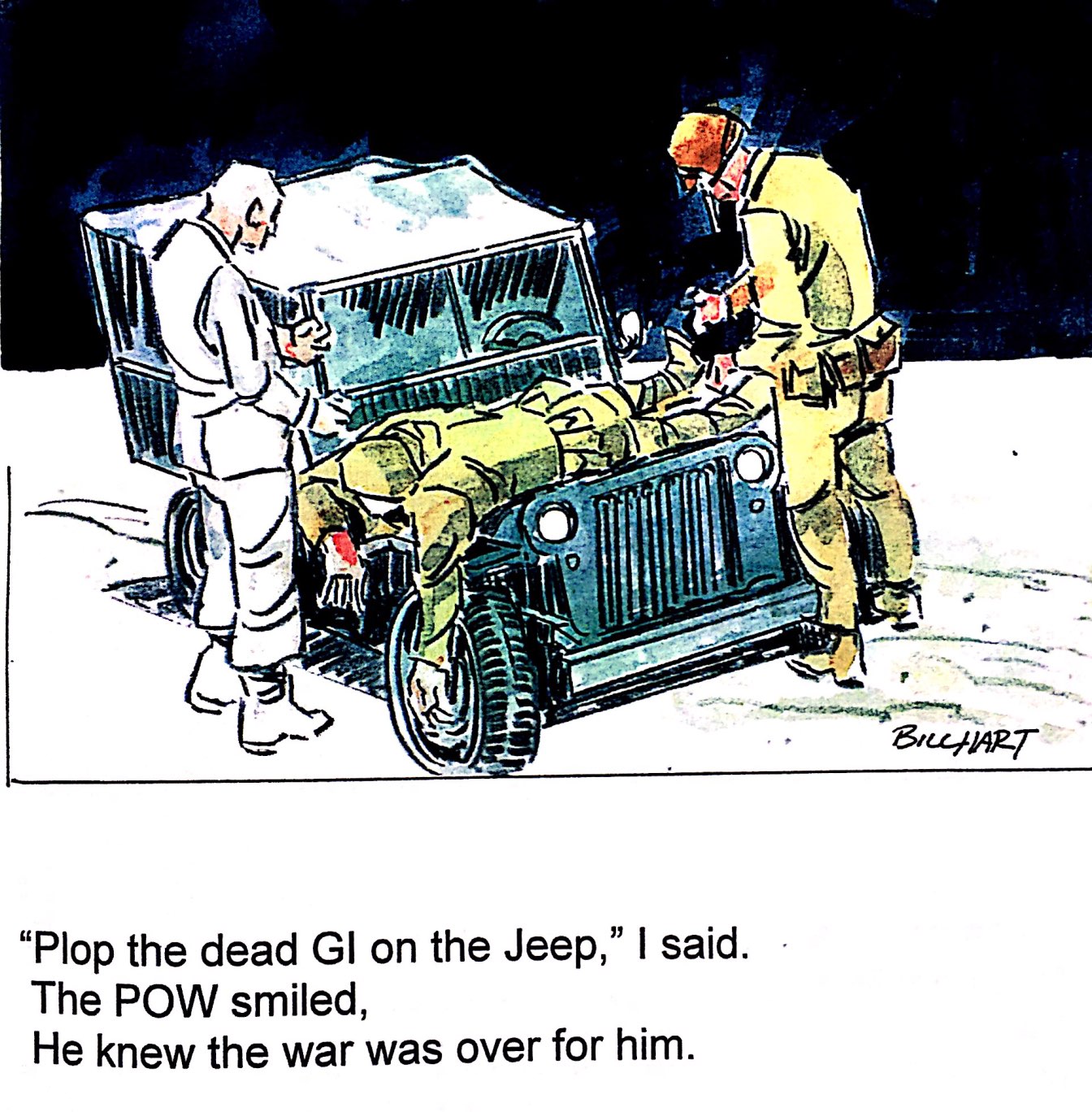
2 SOLDIERS AND A JEEP

“At night I would think about the poor GI’s family when they got the news of his death. I tried not to think too much about this “dead guy” job. It seemed to go on forever.

For the next month and a half I was really alone, not attached to any outfit. I found my own food, water, gas for the Jeep and slept alone beside the Jeep in an open field. I shaved with cold water in my helmet and used my Jeep mirror to see.

The Germans were always near. I was scared I would be killed or captured. “Who knows where I am? Who would tell my mother if I died?”

In the beginning it had been exciting being alone with the invasion action all around me. But now I have panic attacks and nightmares of the dead bodies waking me as I sleep in the open field alone.

Most GI’s have other soldiers around them to feel safety in numbers. I had no one. I can’t get their dead faces out of my mind. I wait for the bright morning sun to erase the terrible images.”

Fighting a war at home

After the war, Bill established a career as a commercial artist. Art provided not only a living for him and his family but also an outlet for dealing with the distressful memories of the war.

He created an extensive portfolio of drawings and paintings depicting  images of what he saw and experienced.  By expressing his feelings on canvas, he released some of their distress.
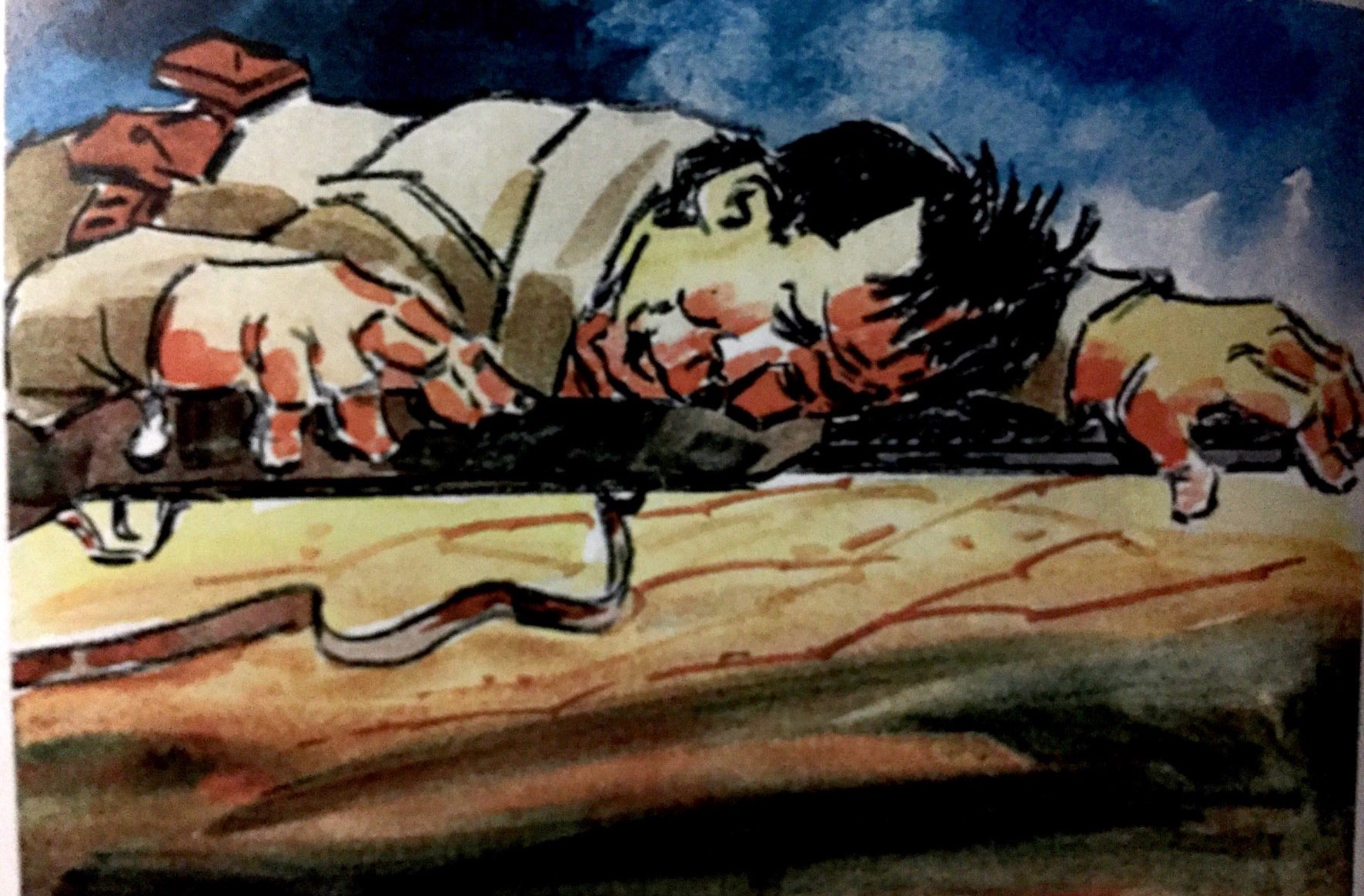
SOLDIER LYING ON THE GROUND

“Later I forced myself to stop thinking about the “dead guys” experience and eventually forgot it.

62 years later, in 2006, when I applied for compensation for war injury during the Battle of the Bulge, the woman who interviewed me kept telling me I was leaving something out, something from my past.

I finally remembered after much writing about my remembered events in the 1944 and 1945 war period and was diagnosed with PTSD.

I believe, the greatest event of the 20th century took place during the June 1944 D-Day Normandy Invasion. I am very proud of being a small part of that great historical event that will always be remembered.”

Quotes and drawings from Bill’s memoir, D-DAY VET REMEMBERS NORMANDY (copyright) used by permission of his wife

Bill was proud to be a World War II veteran and I count it a privilege to know him. He was a kind, gentle man who loved God, his family and friends. He is missed by all of us who love him.
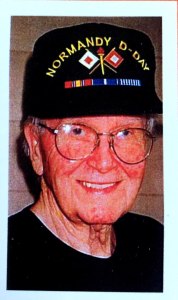
MAN IN A NORMANDY D-DAY HAT
Bill Hart, World War II veteran


Bill also drew other subjects.  Every year he and his wife sent out a Christmas card which he illustrated.
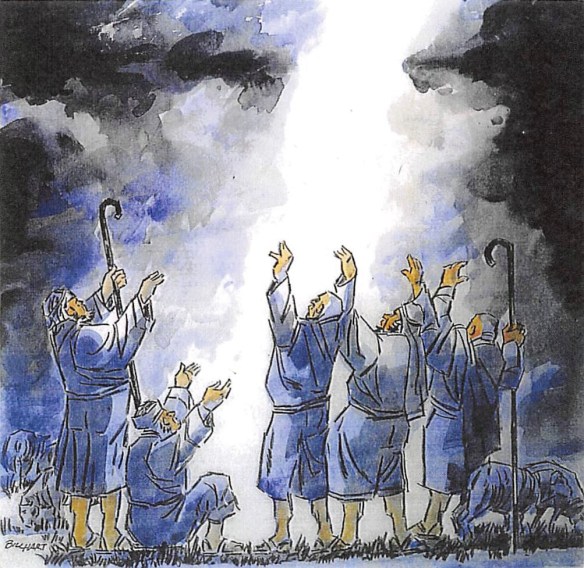
shepherds raising arms to the sky
one of Bill’s Christmas card drawings

Bill’s artwork and copies of his book are available to purchase from his wife. If you are interested, contact me here and I will put you in touch with her.


POST-TRAUMATIC STRESS DISORDER-PTSD

Once known as “shell shock” or “battle fatigue”, post-traumatic stress disorder, PTSD, has become the most common post-military service disorder. Although it also occurs in civilians who experience severe trauma, it has  been defined, studied, and treated among current and former service members.

PTSD develops after exposure to or experiencing significant traumatic events such as interpersonal violence, death or  threat of death, serious accidents, disasters and combat.

There are 4 types of symptoms-

  • Intrusions, such as flashbacks, nightmares
  • Avoidance- isolating oneself from people and/or certain situations
  • Negative mood changes, such as irritability, anger and depression
  • Hypervigilance- being easily startled, always on edge

PTSD can also lead to depression, anxiety, alcohol and substance abuse and suicide.

It is also frequently associated with traumatic brain injury (TBI)  and chronic pain.

The National Center for PTSD (Veterans Administration)  is dedicated to research and education on trauma and PTSD, working to assure that the latest research findings help those exposed to trauma. They offer extensive information and resources at this link

PTSD: National Center for PTSD

exploring the HEART of veterans’ health

Dr. Aletha

Exploring the HEART of Grandparenting

This post discusses the significance of grandparenting and the impact it has on children’s well-being. In an interview, Dr. Aletha shared her ir experiences and insights as a grandparent, highlighting the role grandparents play in creating lasting memories and passing on traditions. Practical advice on caring for grandchildren is also provided, emphasizing safety and health.

updated September 2, 2024

Early in my blogging, I was grilled. Grilled as in “intense questioning or interrogation.”

And that’s not a bad thing, it was all in fun and I’m sharing it with you here. It’s about being a grandparent which we celebrate the second Sunday in September every year.

Grandma’s Briefs

Lisa Carpenter writes a blog called Grandma’s Briefs where she

shares my snippets, er, briefs on the good, bad, humorous, and heartwarming of being a grandmother, baby boomer, parent to adult children, wife, and writer.

One of the features on her blog is Grilled Grandmas, where she interviews other women who are both bloggers and grandmothers. Her blog challenges the stereotype of rocking chair grandmothers way past their prime in life.

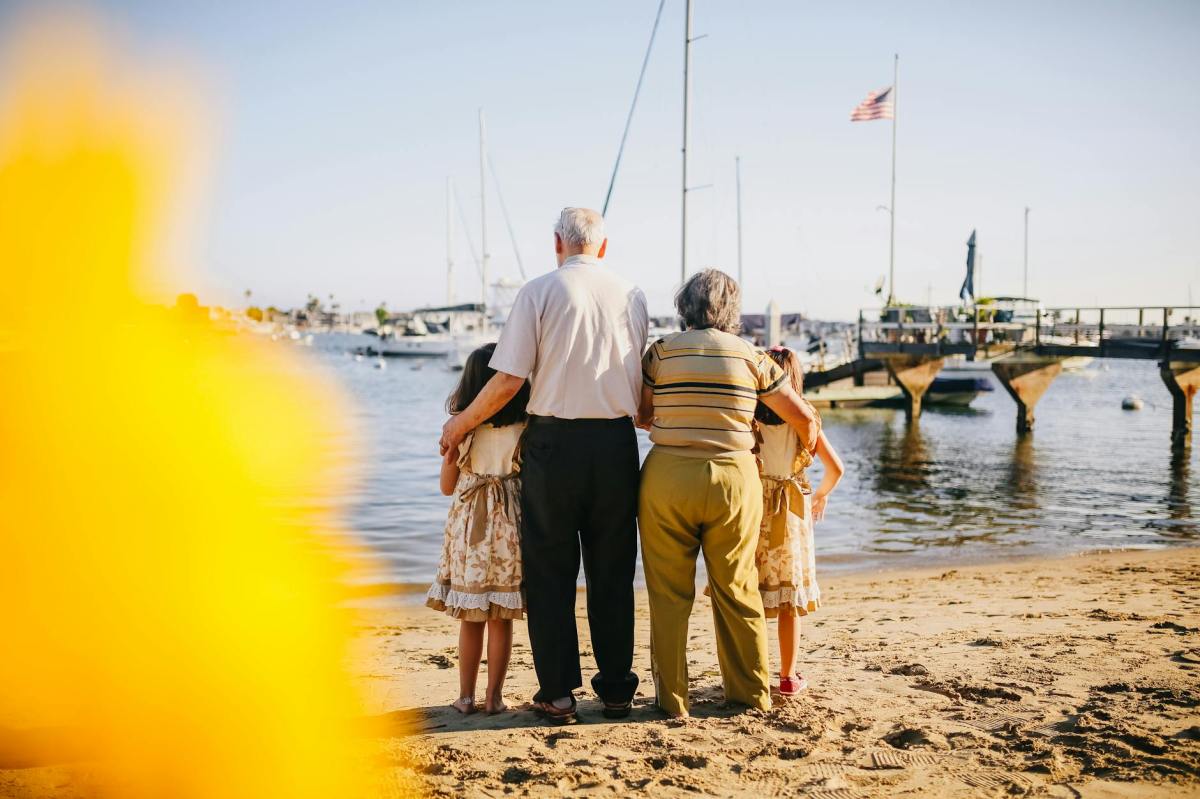
a woman with her arms around 2 little girls on each side
Establishing a bond with grandparents is great for kids in many ways.
photo from Lightstock.com

Why talk about grandparenting?

Why would I talk about grandparenting on a medical blog? Health professionals consider the family a vital factor in health, both positive and negative. You probably know that family medical history contributes to physical health, but family interactions also play an important role in child development, learning, and emotional health.

Grandparents can play an important role in the lives of their grandchildren. In some families, they are the caregivers; in others, they help make lasting memories through special visits.

Grandparents pass on family traditions and give children the fundamental sense that they are loved and valued.

Research has shown that when grandparents are involved with their grandchildren, even from a distance, all the generations are often much happier.

Building Bonds with Your Grandchildren

My grilling

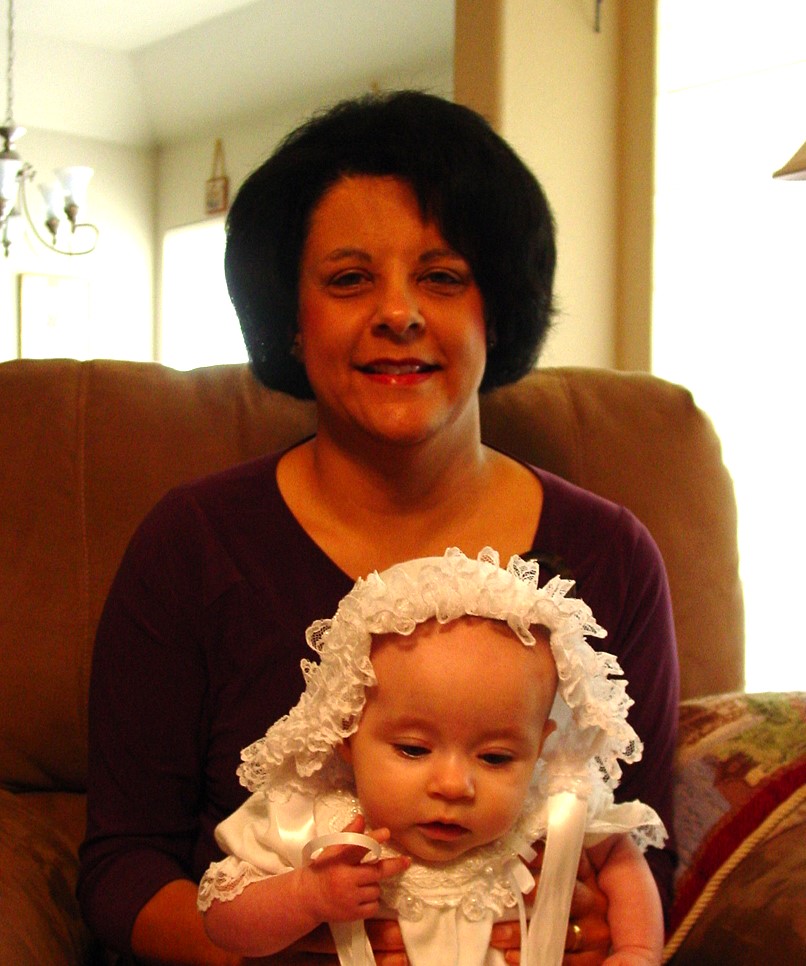
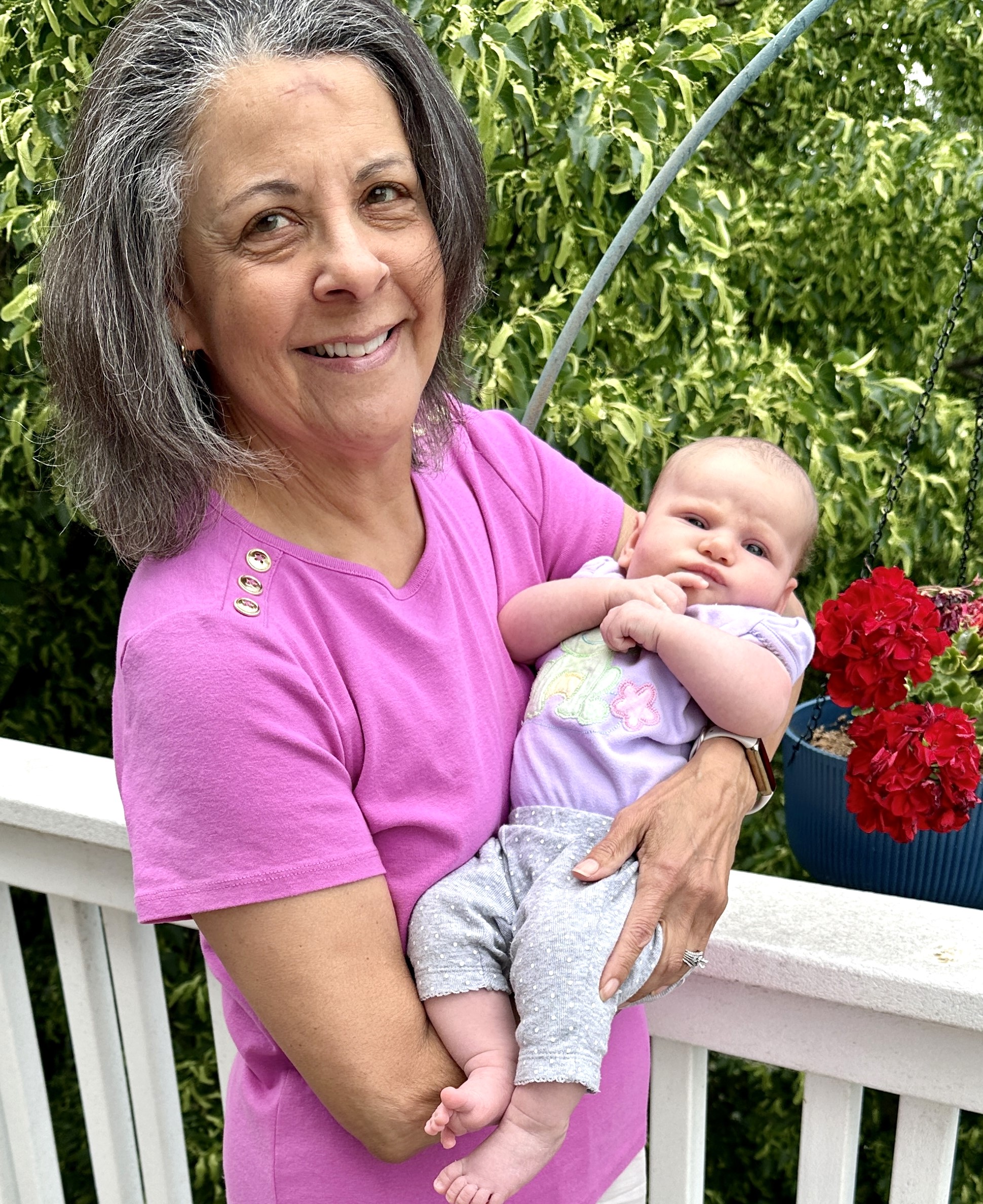
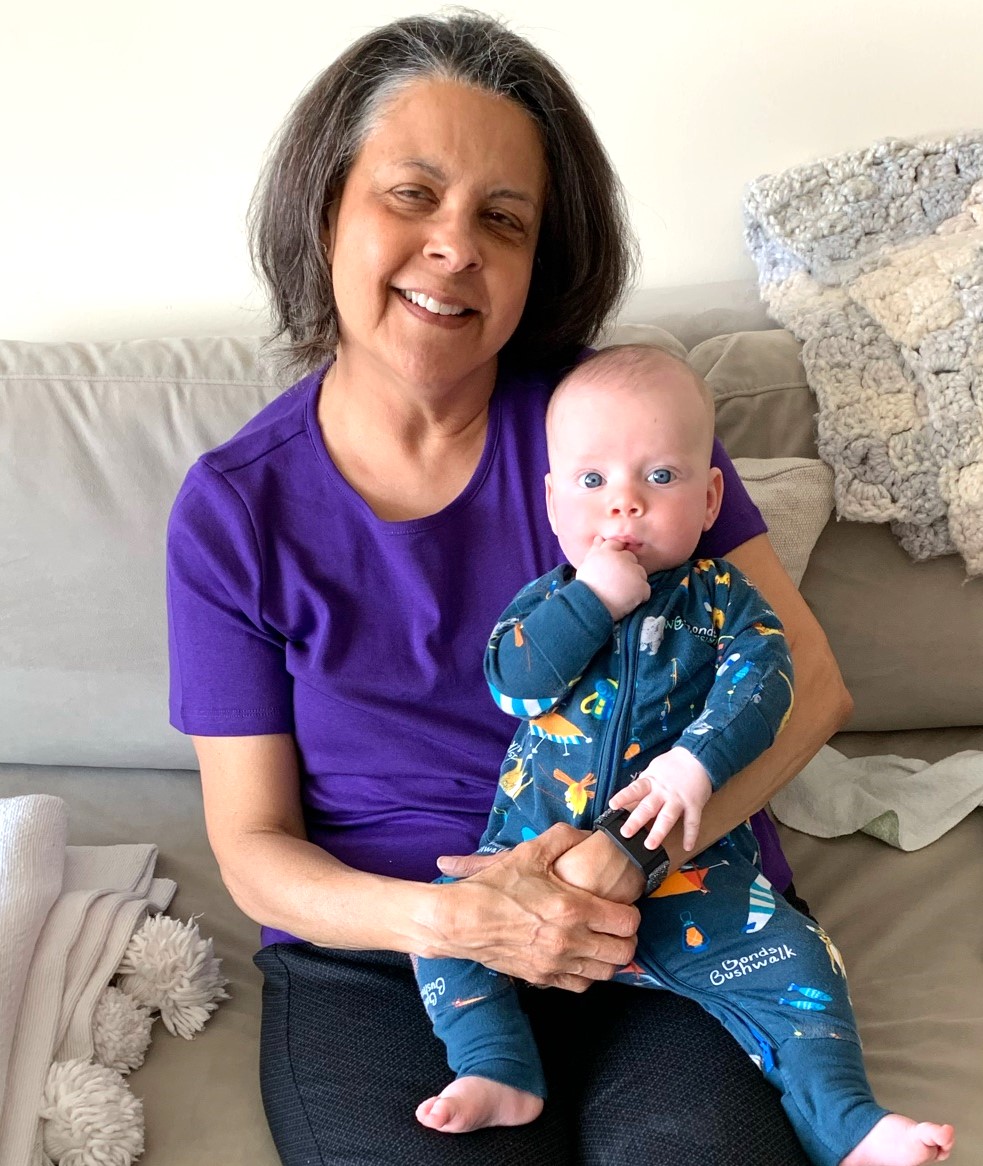
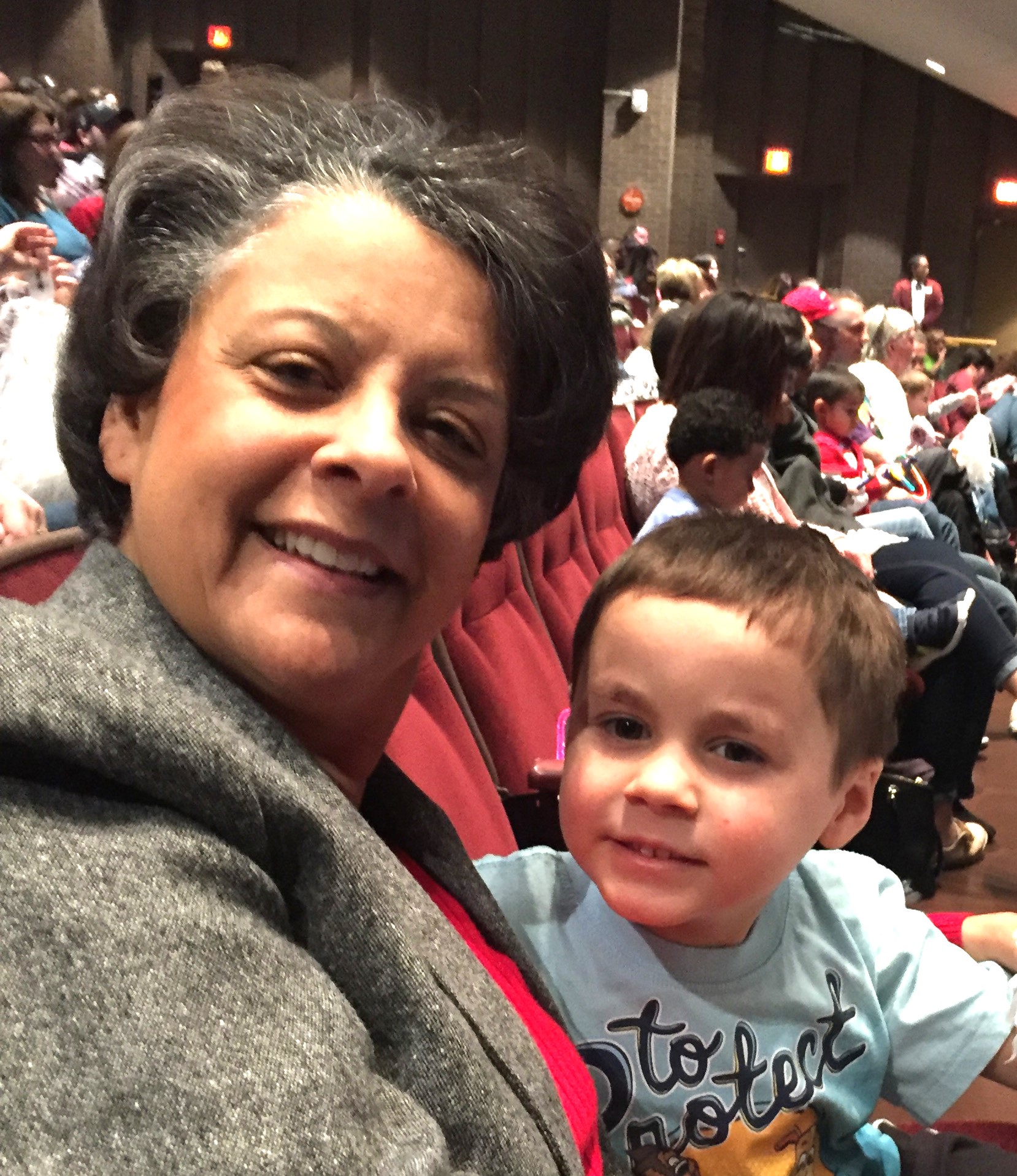
When Lisa “grilled” me, I had two grandchildren. Since then I have had two more. So now I have two boys and two girls. The older two live near me so I see them often. The younger two lives several hundred miles away.

Some of Lisa’s questions challenged me to answer. Some answers I knew right away, others required reflection. For example, this question

What is the most challenging part of being a grandma?

my answer-

Not having had a role model. My grandmothers died before I was born, so I never experienced having a grandmother in my life.

This question was easy.

What is one thing (or more) you’re proud to say you do right as a grandma?

We (including the grandpa) offer advice and help when asked, but we don’t butt in, interfere, criticize, or make demands. We let the parents be the parents.

Lisa asked me to submit a few photos of me with my grandkids; perusing my photos sparked many happy memories.

Lisa’s final question was –

What one bit of advice would you give a new grandma?

Learn the answer at Lisa’s post which you will find at this link-

Grilled Grandma: Grandma Aletha

The First-Time Grandmother’s Journal: Inspiring Prompts to Celebrate Your Experience with a New Grandchild

Lisa Carpenter wrote a book/journal about grandparenting. This beautiful guided grandmother’s journal will help you capture your thoughts, feelings, and memories as you embark on this thrilling, life-changing journey. (affiliate link, may earn a commission)

Read sample here

Taking Care of Your Grandchildren

Even though they are my grandchildren, I keep in mind that they are someone else’s children, even though the someone else is my child. I need to be mindful of their parenting plans and any special needs of the kids.

This article from Nemours Kids Health gives grandparents a refresher course in caring for children. Whether they are with you for just a few hours, several days, or live with you, this gives practical tips on keeping them healthy and safe when they are in your care. Here are some highlights.

It’s important to know a child’s medical history, including any allergies and any medicines your grandchild takes.

Always place infants younger than 1 year old on their backs to sleep to reduce their risk of sudden infant death syndrome (SIDS). Never put babies on their stomachs or their sides to sleep.

Babies and children should be in child safety seats that meet current standards. All kids younger than 12 years should ride in the back seat with the appropriate safety restraint.

See that your grandkids always wear a helmet when riding a tricycle or bicycle. Make sure that the helmet fits well. Be a positive role model (and protect your own head) by wearing your helmet too.

Supervision is always the best way to keep grandkids safe. But it’s also wise to childproof your home.

Washing hands well and often — particularly after going to the bathroom and before preparing or eating food — is one of the most important ways to prevent the spread of any illness, from the flu to stomach bugs.

Offer your grandkids a variety of free-time activities to try. Turn off devices and TVs during meals and homework, and set a good example by limiting your own screen time.

Learn CPR

If you don’t already know CPR, consider taking a class or refresher course. CPR is done differently in children than in adults. Infants and children are more likely to suffer respiratory arrest -quit breathing- than cardiac arrest-heart stopping. Common causes include choking, drowning, and trauma. Sources for training include

  • American Red Cross
  • American Heart Association
  • your local schools’ adult education programs
  • local hospitals and medical training programs

sharing the HEART of healthy grandparenting

I’d love for you to follow this blog and follow me on social media.

I share information and inspiration to help you transform challenges into opportunities for learning and growth.

Add your name to the subscribe box to be notified of new posts by email. Click the link to read the post and browse other content. It’s that simple. No spam.

I enjoy seeing who is new to Watercress Words. When you subscribe, I will visit your blog or website. Thanks and see you next time.

Dr. Grandma Aletha

cheesy-free faith-focused stock photos

Lightstock-quality photos and graphics site- here. 

(This is an affiliate link)