What doctors want you to know about healthcare

To address a female physician as “Mrs.,” even if she is married, is to imply that despite all her professional accomplishments, her worth is reduced to her marital status. It ignores all the hard work that went into earning the title of “Doctor,” and denotes, whether intentional or not, that a female physician is somehow less deserving of the title than a male physician.”

View post to subscribe to site newsletter.

Read KevinMD

If you want to know what doctors think, and more importantly, how they feel about their jobs, read KevinMD.

(This post has affiliate links.)

Founded by Dr. Kevin Pho in 2004, this blog features articles by thousands of doctors, representing multiple specialties, ages, genders, ethnicity and practice setting. They write on multiple topics related to health, the science, practice, business, and politics of medicine, the doctor-patient relationship, and anything else even remotely related to medicine and health care.

On KevinMD  you will not find detailed infographics, slick images, or cute printables.

You will find stories filled with raw emotion as physicians  candidly share the horrific struggles, the occasional remarkable successes, and the everyday grind  of providing healthcare to hurting, needy, sometimes demanding, occasionally grateful patients.

And you will hear from patients whose experiences with physicians and the healthcare system range from sublime to horrendous.

You may not like or agree with some of the things you read there-I often don’t and I’m a doctor myself.  That’s part of the point of this blog. We physicians are not homogeneous. We are individuals with different stories to tell from differing points of view, based on background, training,  and experience.

The blog is divided into sections based on broad categories of topics –

  • physician,
  • practice
  • policy,
  • finance
  • tech,
  • edu,
  • meds,
  • conditions.
  • patient
  • social

Some of the articles are directed to patients while others are physician oriented. I encourage you to read some of both, in addition to the ones I am sharing here.

Many of the physician authors write their own blogs, so it is a good place to explore and discover other health bloggers that you may enjoy.

How doctors feel about relationships with patients-

Dr. Jennifer Lycette , an oncologist who blogs at The Hopeful Cancer Doc, offered her take on a situation that I have encountered more than once myself.

Don’t call me “Mrs.” Call me “Doctor.”

“To address a female physician as “Mrs.,” even if she is married, is to imply that despite all her professional accomplishments, her worth is reduced to her marital status. It ignores all the hard work that went into earning the title of “Doctor,” and denotes, whether intentional or not, that a female physician is somehow less deserving of the title than a male physician.”

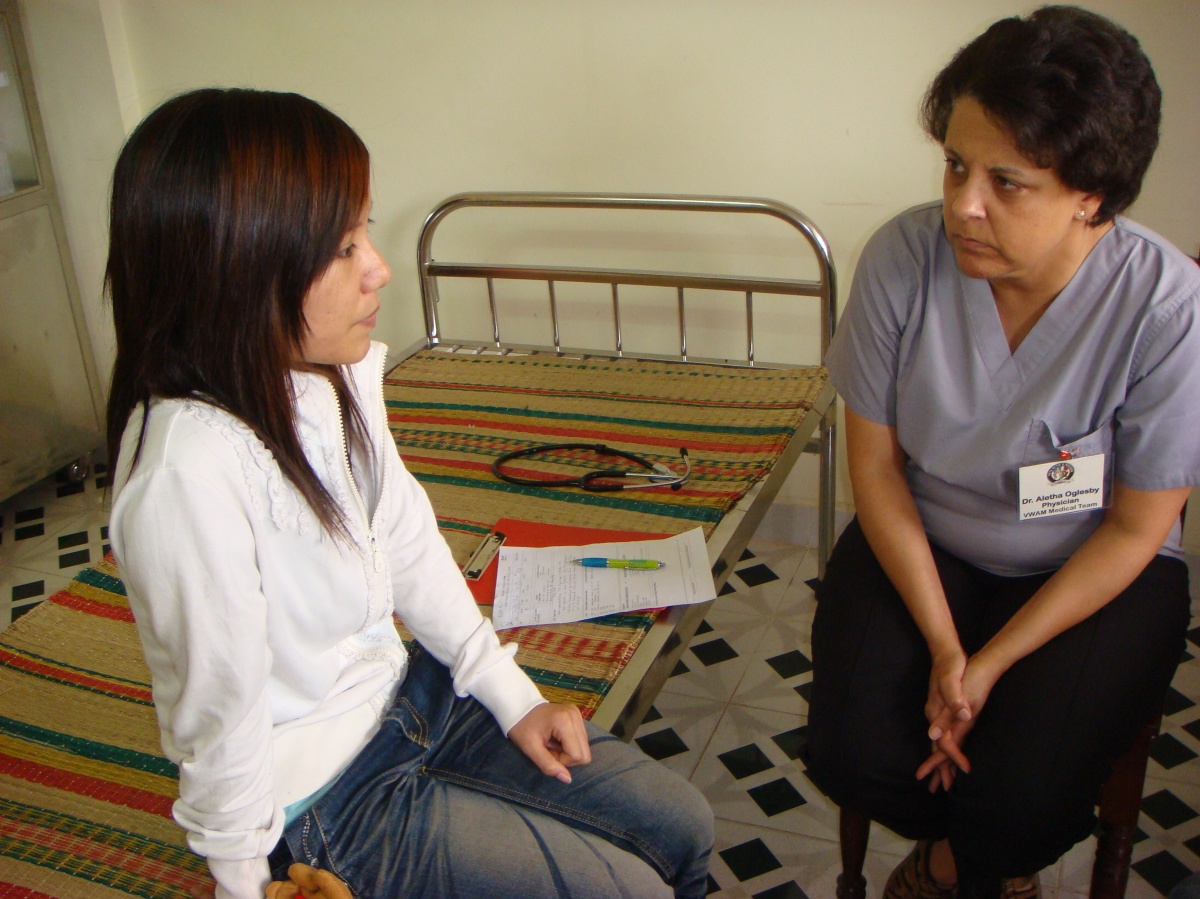
Dr. Oglesby nametag

How patients feel about communicating with doctors

Martine Ehrenclou is a patient advocate.

She is the author of Critical Conditions: The Essential Hospital Guide to Get Your Loved One Out Alive and The Take-Charge Patient.

She submitted an interesting piece on a controversial topic, that of patients recording their visits with doctors, either with or without permission.

“patients are in fact secretly recording conversations with their doctors without asking permission first.

Talk about a blow to the doctor-patient relationship.

I understand the hesitation to ask permission to record an office or hospital visit with a medical provider as I experienced it myself. But secretly recording is a violation of trust. Why would any patient surreptitiously tamper with the relationship with their doctor, something that is considered the cornerstone of quality care?’

Documenting information your doctor gives you is essential because it’s just too easy to misunderstand or forget the medical information conveyed. “

She offers these

Tips to remember what the doctor tells you.
How doctors think about treating illness

Dr. Eileen Sprys is a family physician who wants you to know

When you have a cold, why I’m not giving you an antibiotic

“I want you to know that as a physician, I feel a pang of insecurity, guilt, and sadness when a patient tells me they’re upset because I won’t write an antibiotic.  I don’t want you to be sick or miserable.

I understand how inconvenient and sometimes life altering a cold can be. I desperately, desperately wish that I had a cure for your cold, but none of us do.

I also want you to know that for every antibiotic I over-prescribe, that I run the unnecessary risk of making someone even more sick, even to the point of hospitalization or death. I went into medicine to help you and to relieve your suffering with integrity — and that by giving you antibiotics without indication, I am betraying my own purpose.”

six-facts-graphic

What doctors want you to know but don’t have time to tell you
a vision refractor
An ophthalmologist is a physician (doctor of medicine, MD, or doctor of osteopathy, DO) who specializes in the medical and surgical care of the eyes and visual system and in the prevention of eye disease and injury.

Dr. Brian C. Joondeph is an ophthalmologist and can be reached on Twitter @retinaldoctor. This article originally in the HealthZette reveals

8 things doctors secretly want to tell their patients

Number 8 is “I’m only human.”

 “We have our good days and bad days just like anyone else. We try to always have a smile on our faces, be upbeat and cheerful. But we, too, are affected by life’s challenges — work, family, finances, health, and so on. Don’t be too quick to judge and criticize!”

What doctors do away from their practice

KevinMD does have a few photos, and even some videos. I enjoyed this one by physician-comedian Brad Nieder, MD who blogs  at the The Healthy Humorist.

In this clip he explains how he learned to eat less.

sharing the HEART of health

Dr. Aletha 

Do you know the best questions to ask about your healthcare?

expectations, concerns, obstacles-medical communication #askthedoctor

I blog about healthcare communication because you need to understand your doctor better and  we doctors need to understand our patients’ expectations, concerns and obstacles.

Physicians should  use clear understandable plain language with patients. Patients should also be clear and specific when they talk to their doctor.

You may think your doctor knows exactly what you mean, but sometimes we are left trying to read between the lines of what you tell us.

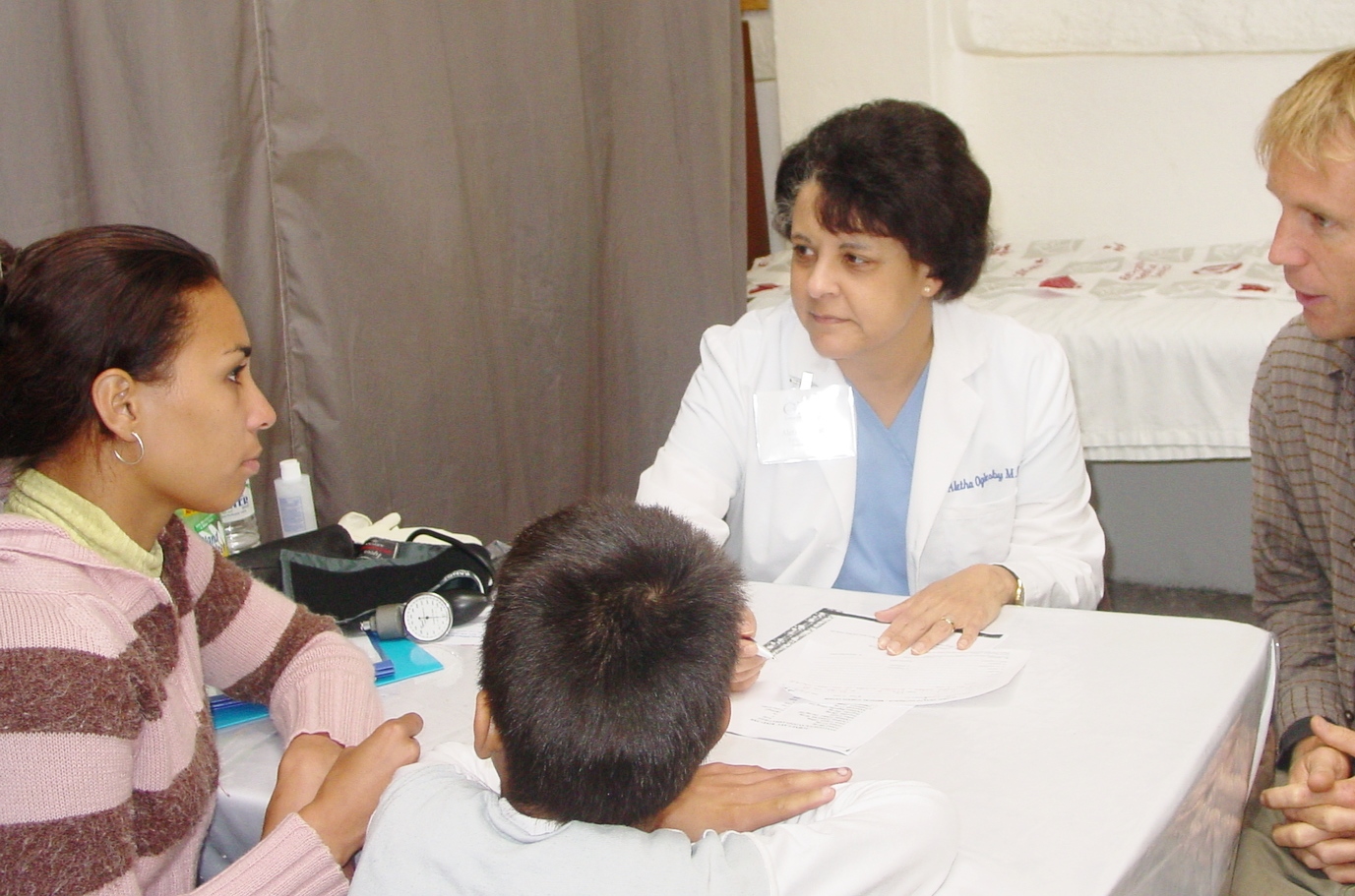
Dr. Aletha talking to a mother and her son
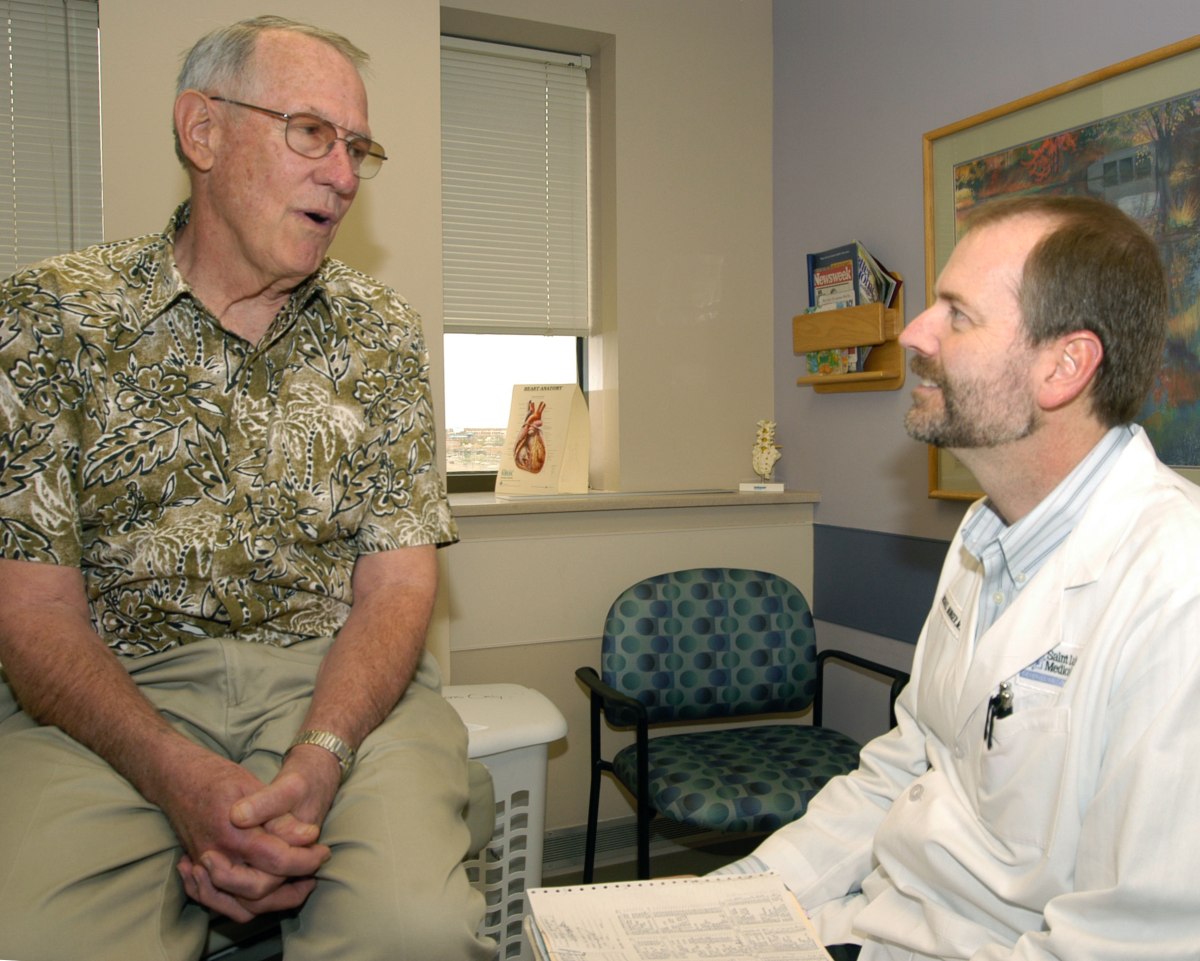
Talking to a patient through an interpreter makes communication extra challenging.

You know it’s important to tell us details of your symptoms, medical history, family history, habits, and other medical facts.   But besides medical information about you , we need to know

Your expectations about your care,

Your concerns about your care,

Your obstacles to getting care,

You may wonder, won’t or shouldn’t my doctor ask me theses questions? Sure, we can ask and probably will, but by volunteering it , you start dialogue that gets you and your doctor communicating effectively much faster. Your doctor knows about disease, but you as the patient know the experience of the illness much better. 

Let me illustrate by giving you some examples. These are all statements patients say  to me in my daily practice. The original statements aren’t bad or wrong, but by rephrasing to add some additional detail they  give your doctor valuable information that will help provide you the best care possible.

The underlined words can be substituted for others listed in parentheses.  The exact words aren’t as important as the  message they convey. 

Hello doctor, I’m here because I want my thyroid checked.

(substitute heart, lungs, cholesterol, blood sugar, kidneys, etc.)

Instead try-

Hello doctor, I’m tired a lot, and wondered if it might be a thyroid problem or something else. What testing would help us find out what’s wrong with me?

It’s better not to limit your doctor to checking just one thing, when there are many possible explanations for your symptoms. You expect a thyroid check, but you’re open to other possibilities.

tubes used to collect blood samples in a lab


Doctor, I feel terrible and think I have  pneumonia. The last time I felt like this the doctor said it was pneumonia, so it must be that again.

( sub kidney infection, strep throat, sinus infection)

But if you say this

Doctor, I feel so sick. This illness is similar to when I was diagnosed with pneumonia and I’m afraid I have it again. I am concerned it’s pneumonia again so  I’m here to find out what is wrong, as I realize it may be something else.

You’ve told the doctor your concern about pneumonia but you’re not trying to diagnose yourself.


I have a family history of cancer so I want to have a mammogram.

(sub any other cancer, heart disease, stroke and other tests)

That’s good, but this is better.

Doctor, I’m concerned about breast cancer as it runs in my family. My grandmother was diagnosed at age 45 and now my sister has been, and she is 40. Do I need a mammogram or any other testing now?

Knowing who in your family had a disease and at what ages helps the doctor make an accurate recommendation. It also tells your doctor this may be an emotional issue  (concern)  for you.

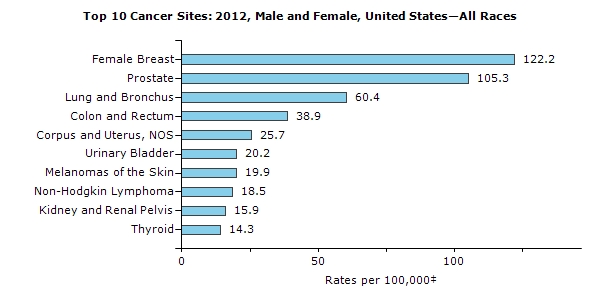
Top 10 cancers in the U.S.


I need an antibiotic (anti-inflammatory, muscle relaxer, steroid, shot )  for this; I know because my previous doctor always gave me one for this.

Please try this instead:

When I had this before my doctor prescribed an antibiotic; I wonder if that would be appropriate this time?

This tells the doctor your expectation, but also that  you are open to different  advice/recommendation. (and avoid getting a medication you don’t need.) 

6 smart facts about antibiotic use


Will my insurance pay for this? How much will this cost me? Is this an expensive drug?

Patients may expect us to know about insurance and cost, but often we don’t. We can work with you on financial issues if we know more about your obstacle. Try asking-

I need to find out if this is covered by my insurance. Can someone in your office look that up, or help me find out?

I’ve had a lot of medical bills this year that have stretched my budget. I will need to find out what my out of pocket cost will be before scheduling this test. Can your office help me with that?

If there is a generic version of this drug that will work just as well, I would like it, to minimize my out of pocket cost. If not, is there another alternative?


Is this drug safe? (effective, good, best, dangerous, harmful)  

Few things are 100% safe. But what we can discuss with you is –

What are the risks and side effects of this drug? Is the benefit I get from the drug worth the risks? Are there alternatives that would be effective and less risky?

We always should be concerned about drug use, and safety isn’t the only issue. Don’t hesitate to ask questions.

medication capsules


How long will I be off work? When can I go back to work?

Here’s what your doctor needs to know –

My job requires me to stand and walk for several hours?

(sit and type; talk on the telephone; drive long distances in my car)

And here’s what you need to ask:

How soon should I expect my stamina to return so I can work part time? Full time?

When can I safely work without interfering with my recovery?

What can I do to hasten my recovery so I can return to work sooner?

Both  you and your employer, need to know when it is safe to return to work.  We have to balance health concerns with your financial concerns and what is expected and allowed by your employer and the law. 

If you are clear  with your concerns and obstacles  and flexible in your expectations it will be easier for your doctor to make the right decision.


These are just a few examples. I’m sure you can think of others.

Whenever you have a need to consult a physician, think ahead of what your

expectations, concerns and obstacles are before you make the visit so you’ll  be

prepared to share .

Here are  more tips on talking with your doctor-

How to talk to your doctor to improve your medical care

How to tell your doctor what’s wrong with you.

I invite you to follow this blog as we explore the HEART of health together.


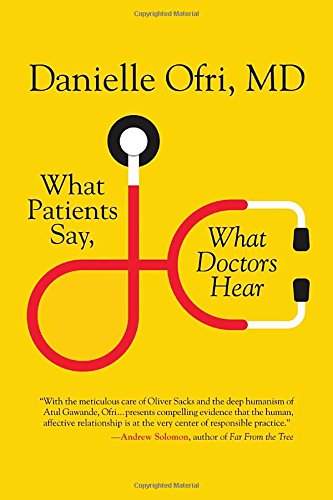
Dr. Danielle Ofri’s book  What Patients Say, What Doctors Hear,

details the reasons doctors and patients don’t communicate well

and offers ways to improve our interaction.

What Patients Say, What Doctors Hear by Danielle Ofri, MD
written by Danielle Ofri, M.D.

(this is an affiliate link)