Do you know the best questions to ask about your healthcare?

expectations, concerns, obstacles-medical communication #askthedoctor

I blog about healthcare communication because you need to understand your doctor better and  we doctors need to understand our patients’ expectations, concerns and obstacles.

Physicians should  use clear understandable plain language with patients. Patients should also be clear and specific when they talk to their doctor.

You may think your doctor knows exactly what you mean, but sometimes we are left trying to read between the lines of what you tell us.

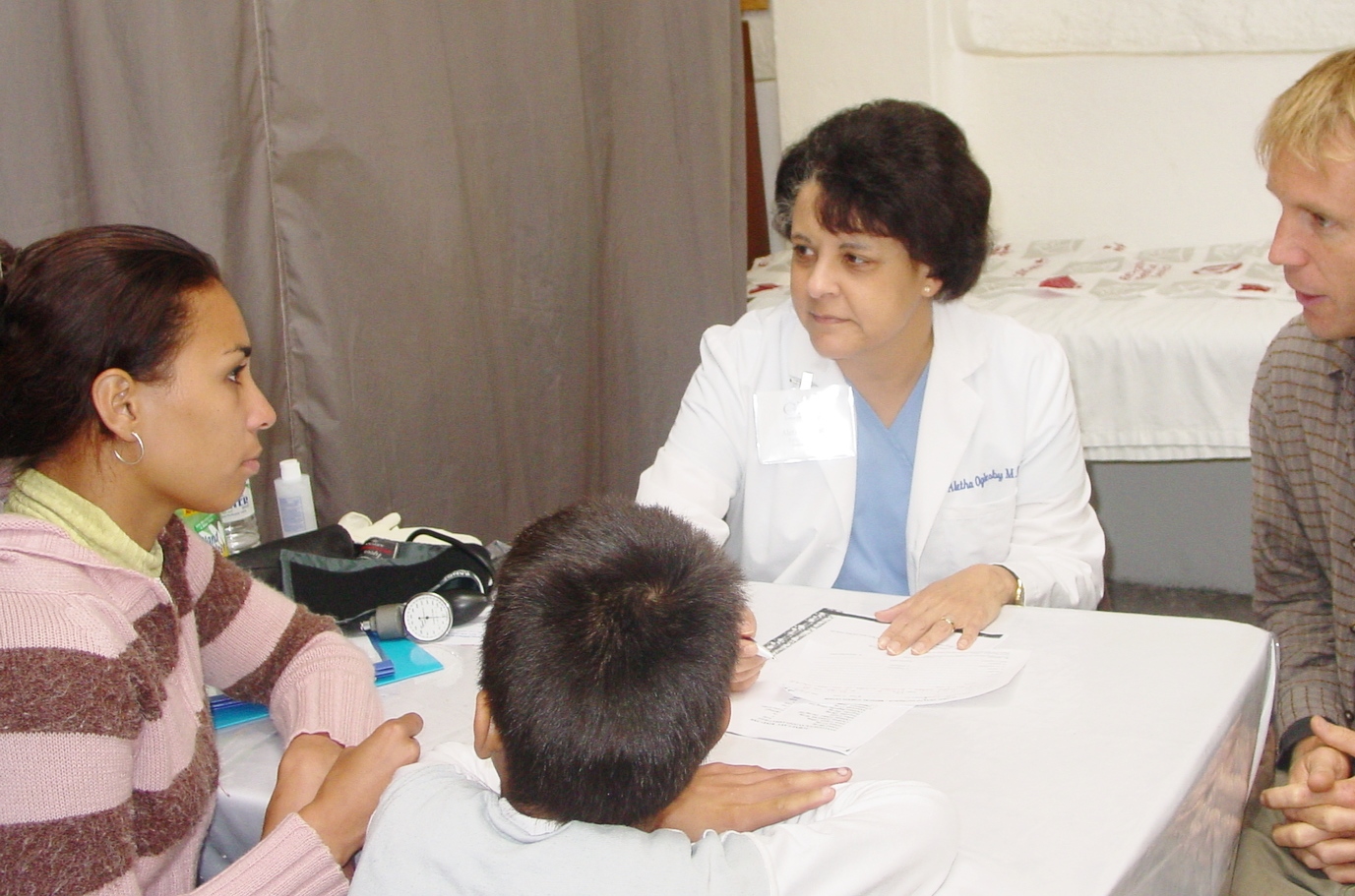
Dr. Aletha talking to a mother and her son
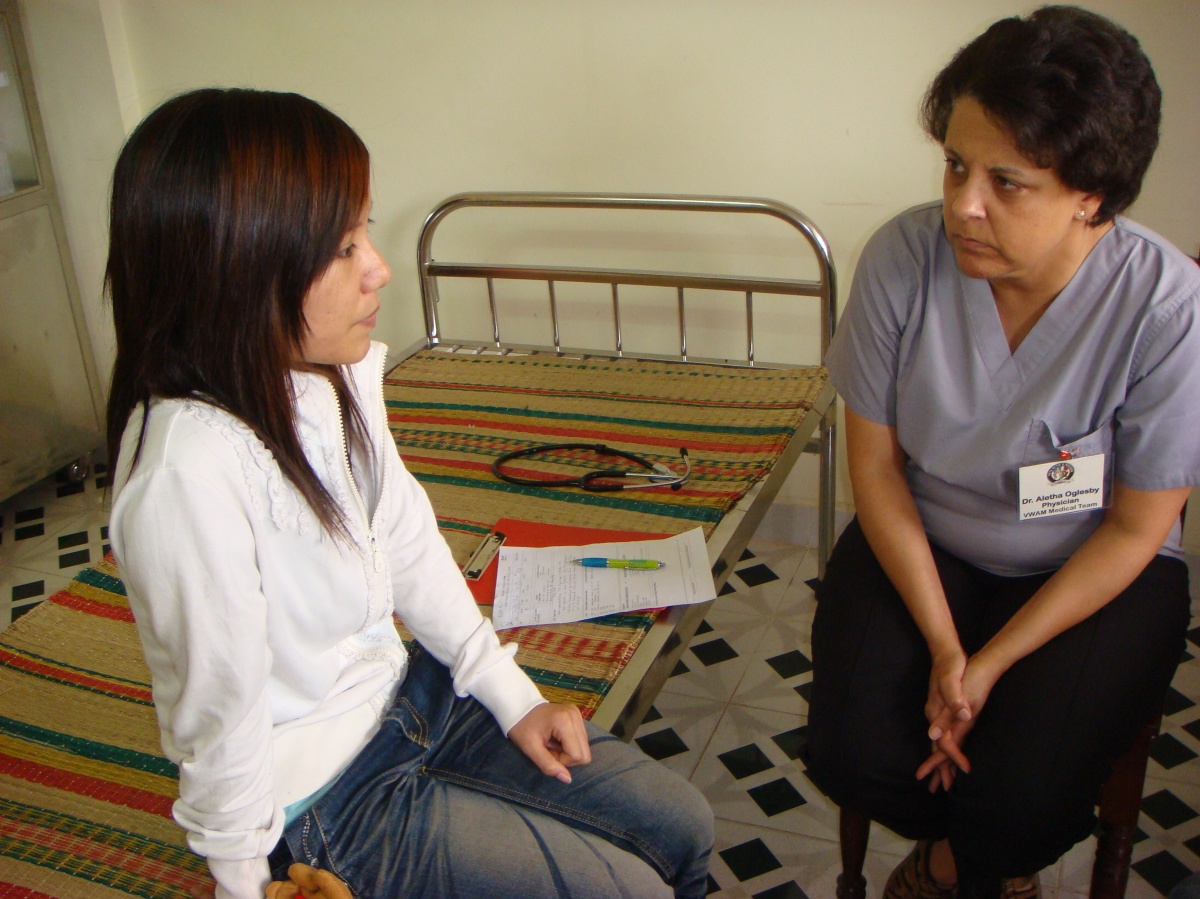
Talking to a patient through an interpreter makes communication extra challenging.

You know it’s important to tell us details of your symptoms, medical history, family history, habits, and other medical facts.   But besides medical information about you , we need to know

Your expectations about your care,

Your concerns about your care,

Your obstacles to getting care,

You may wonder, won’t or shouldn’t my doctor ask me theses questions? Sure, we can ask and probably will, but by volunteering it , you start dialogue that gets you and your doctor communicating effectively much faster. Your doctor knows about disease, but you as the patient know the experience of the illness much better. 

Let me illustrate by giving you some examples. These are all statements patients say  to me in my daily practice. The original statements aren’t bad or wrong, but by rephrasing to add some additional detail they  give your doctor valuable information that will help provide you the best care possible.

The underlined words can be substituted for others listed in parentheses.  The exact words aren’t as important as the  message they convey. 

Hello doctor, I’m here because I want my thyroid checked.

(substitute heart, lungs, cholesterol, blood sugar, kidneys, etc.)

Instead try-

Hello doctor, I’m tired a lot, and wondered if it might be a thyroid problem or something else. What testing would help us find out what’s wrong with me?

It’s better not to limit your doctor to checking just one thing, when there are many possible explanations for your symptoms. You expect a thyroid check, but you’re open to other possibilities.

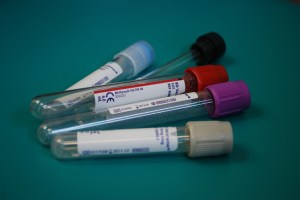
tubes used to collect blood samples in a lab


Doctor, I feel terrible and think I have  pneumonia. The last time I felt like this the doctor said it was pneumonia, so it must be that again.

( sub kidney infection, strep throat, sinus infection)

But if you say this

Doctor, I feel so sick. This illness is similar to when I was diagnosed with pneumonia and I’m afraid I have it again. I am concerned it’s pneumonia again so  I’m here to find out what is wrong, as I realize it may be something else.

You’ve told the doctor your concern about pneumonia but you’re not trying to diagnose yourself.


I have a family history of cancer so I want to have a mammogram.

(sub any other cancer, heart disease, stroke and other tests)

That’s good, but this is better.

Doctor, I’m concerned about breast cancer as it runs in my family. My grandmother was diagnosed at age 45 and now my sister has been, and she is 40. Do I need a mammogram or any other testing now?

Knowing who in your family had a disease and at what ages helps the doctor make an accurate recommendation. It also tells your doctor this may be an emotional issue  (concern)  for you.

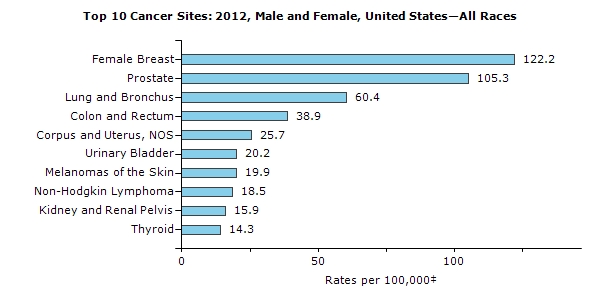
Top 10 cancers in the U.S.


I need an antibiotic (anti-inflammatory, muscle relaxer, steroid, shot )  for this; I know because my previous doctor always gave me one for this.

Please try this instead:

When I had this before my doctor prescribed an antibiotic; I wonder if that would be appropriate this time?

This tells the doctor your expectation, but also that  you are open to different  advice/recommendation. (and avoid getting a medication you don’t need.) 

6 smart facts about antibiotic use


Will my insurance pay for this? How much will this cost me? Is this an expensive drug?

Patients may expect us to know about insurance and cost, but often we don’t. We can work with you on financial issues if we know more about your obstacle. Try asking-

I need to find out if this is covered by my insurance. Can someone in your office look that up, or help me find out?

I’ve had a lot of medical bills this year that have stretched my budget. I will need to find out what my out of pocket cost will be before scheduling this test. Can your office help me with that?

If there is a generic version of this drug that will work just as well, I would like it, to minimize my out of pocket cost. If not, is there another alternative?


Is this drug safe? (effective, good, best, dangerous, harmful)  

Few things are 100% safe. But what we can discuss with you is –

What are the risks and side effects of this drug? Is the benefit I get from the drug worth the risks? Are there alternatives that would be effective and less risky?

We always should be concerned about drug use, and safety isn’t the only issue. Don’t hesitate to ask questions.

medication capsules


How long will I be off work? When can I go back to work?

Here’s what your doctor needs to know –

My job requires me to stand and walk for several hours?

(sit and type; talk on the telephone; drive long distances in my car)

And here’s what you need to ask:

How soon should I expect my stamina to return so I can work part time? Full time?

When can I safely work without interfering with my recovery?

What can I do to hasten my recovery so I can return to work sooner?

Both  you and your employer, need to know when it is safe to return to work.  We have to balance health concerns with your financial concerns and what is expected and allowed by your employer and the law. 

If you are clear  with your concerns and obstacles  and flexible in your expectations it will be easier for your doctor to make the right decision.


These are just a few examples. I’m sure you can think of others.

Whenever you have a need to consult a physician, think ahead of what your

expectations, concerns and obstacles are before you make the visit so you’ll  be

prepared to share .

Here are  more tips on talking with your doctor-

How to talk to your doctor to improve your medical care

How to tell your doctor what’s wrong with you.

I invite you to follow this blog as we explore the HEART of health together.


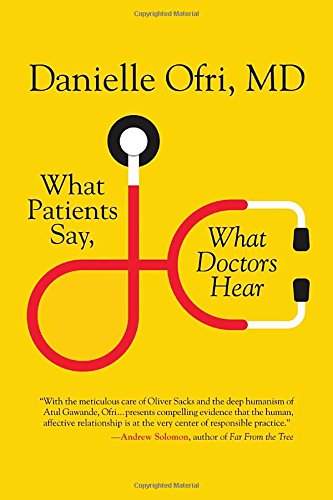
Dr. Danielle Ofri’s book  What Patients Say, What Doctors Hear,

details the reasons doctors and patients don’t communicate well

and offers ways to improve our interaction.

What Patients Say, What Doctors Hear by Danielle Ofri, MD
written by Danielle Ofri, M.D.

(this is an affiliate link)

When Breath Becomes Air- review of the memoir

Dr. Kalanithi faced his diagnosis with the same resolve, fortitude, and determination that served him well through medical school and a grueling neurosurgery residency. After his first round of treatment he was able to return to the operating room as a doctor, not a patient.


When Breath Becomes Air

by Paul Kalanithi, M.D.,

Dr. Paul Kalanithi was a 36-year-old resident physician who had, as he wrote, “reached the mountaintop” of anticipating a promising career as a neurosurgeon and neuroscientist. He had a loving wife, a supportive family and professors who respected his knowledge and skill. He seemed destined to be sought after, well paid, productive, successful, and  famous.

(note: a neurosurgeon treats  brain, spinal cord and nerve  diseases such as brain tumors that can be cured or improved with surgery,)

Unfortunately, “the culmination of decades of striving evaporated” when he was diagnosed with an aggressive form of lung cancer for which the prognosis was bleak, even with treatment. He was admitted to the very hospital where he trained as a neurosurgery resident, now  to learn what it is like to be a patient with a potentially terminal illness.

Dr. Kalanithi faced his diagnosis with the same resolve, fortitude, and determination that served him well through medical school and a grueling neurosurgery residency. After his first round of treatment he was able to return to the operating room as a doctor, not a patient.

Prior to entering medicine, Dr. Kalanithi had studied literature, earning degrees in English literature as well as human biology. He also completed a doctorate in history and philosophy of science and medicine at Cambridge.

Thus, when he realized he was facing his own death, he turned to his first love of writing to chronicle his experience and to explore “what makes human life meaningful?” And as he explored the meaning of what life is all about, he also explored the inevitability of death.

“I began to realize that coming in such close contact with my own mortality had changed both nothing and everything. Before my cancer was diagnosed, I knew that someday I would die, but I didn’t know when. After the diagnosis, I knew that someday I would die, but I didn’t know when.

But now I knew acutely. The problem wasn’t really a scientific one. The fact of death is unsettling. But there is no other way to live.”

Dr. Kalanithi passed away without completing his book, although his wife writes in the epilogue, “When Breath Becomes Air is complete, just as it is.” She and his parents kept their promise to have his book published after his death. She writes, “Paul was proud of this book, which was a culmination of his love for literature.”

Even before I finished reading this book, I felt as if I knew Paul and his wife Lucy. As someone who also enjoys writing, I can understand and appreciate his desire to preserve and share this experience.

This memoir is not so much a diary of what happened to Dr. Kalanithi as what happened within him as he confronted his own mortality and chose not to let it define the remainder of his life.

On the copyright page, “Death and Dying” is included in the list of categories for this book. However, you will not find “how to die” instructions here. Instead, you will learn how one man and his family chose to live despite knowing that he would  soon die.

His wife, Dr.Lucy Kalanithi, spoken publicly about her husband, his illness, his death, and the memories he left her and us through his book. Listen as she reflects on his legacy in this interview .

from the book

“In the end, it cannot be doubted that each of us can see only a part of the picture….Human knowledge is never contained in one person. It grows from the relationships we create between each other and the world, and still it is never complete. And Truth comes somewhere above all of them, where, as at the end of that Sunday’s (scripture) reading,

“The sowers and reapers can rejoice together. For here the saying is verified that ‘One sows and another reaps.’ I sent you to reap what you have not worked for; others have done the work, and you are sharing the fruits of their work.”

(note: the referenced scripture is from the Bible, John chapter 4, verses 36-38, precise version unidentified)

When Breath Becomes Air  was published by Random House.

Other reviews of his life and writing

exploring the HEART of life and death

Dr. Aletha