
updated February 6, 2026
February is American Heart Month . Valentine’s Day is February 14. So, let’s explore our hearts and how we can keep them healthy.
At this previous post you can learn about the HEART’S anatomy and how it works.

Heart diseases affect any and sometimes multiple parts of the heart- the atria, ventricles, the valves, the aorta, the pulmonary artery and veins, the walls and the coronary arteries (not shown in this diagram. )
In this post I reviewed common heart disorders.
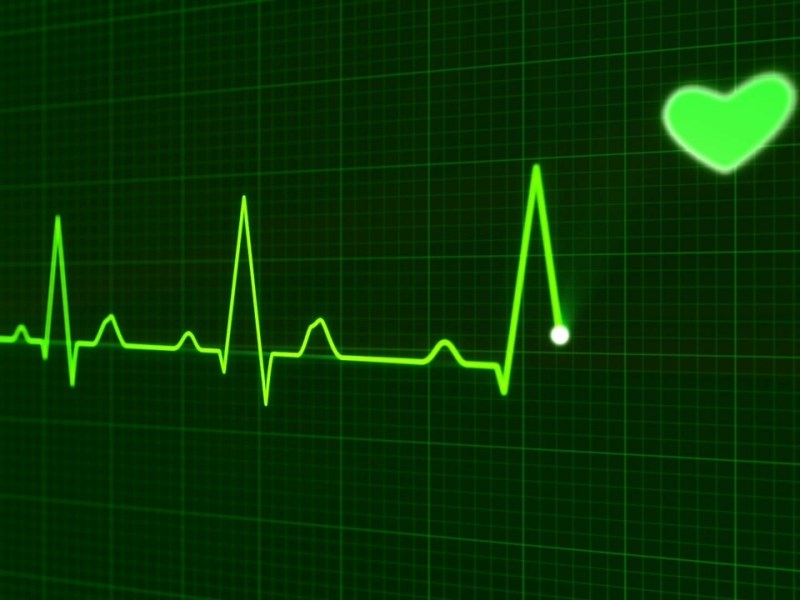
7 Major Types of HEART DISEASE.
- Congenital heart disease (problems present at birth)
- Cardiomyopathy- disease of the heart muscle
- Coronary artery disease/myocardial infarction ( heart attack)- the most common cause of death in the United States
- Congestive heart failure
- Sudden cardiac death
- Arrhythmia-irregular heart beats
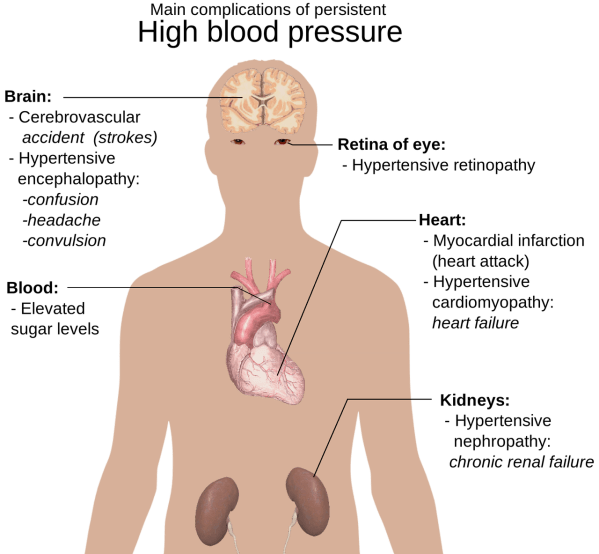
- Hypertension- high blood pressure
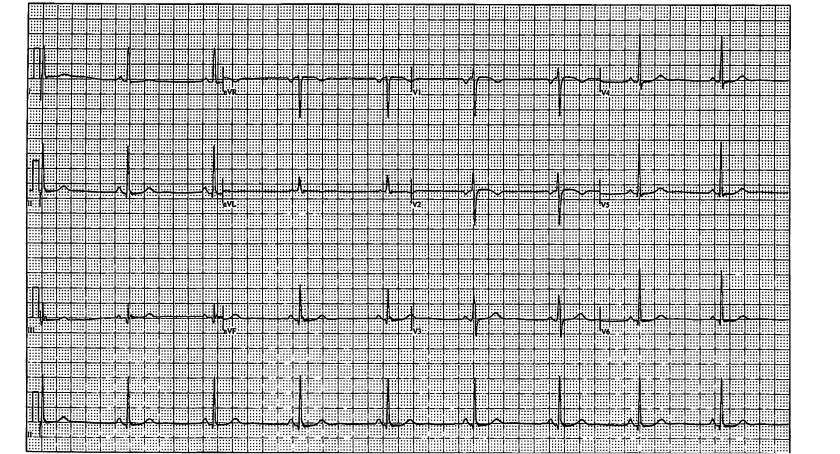
Protecting our HEARTS from Disease, Disability, and Death.
7 major risk factors for heart disease
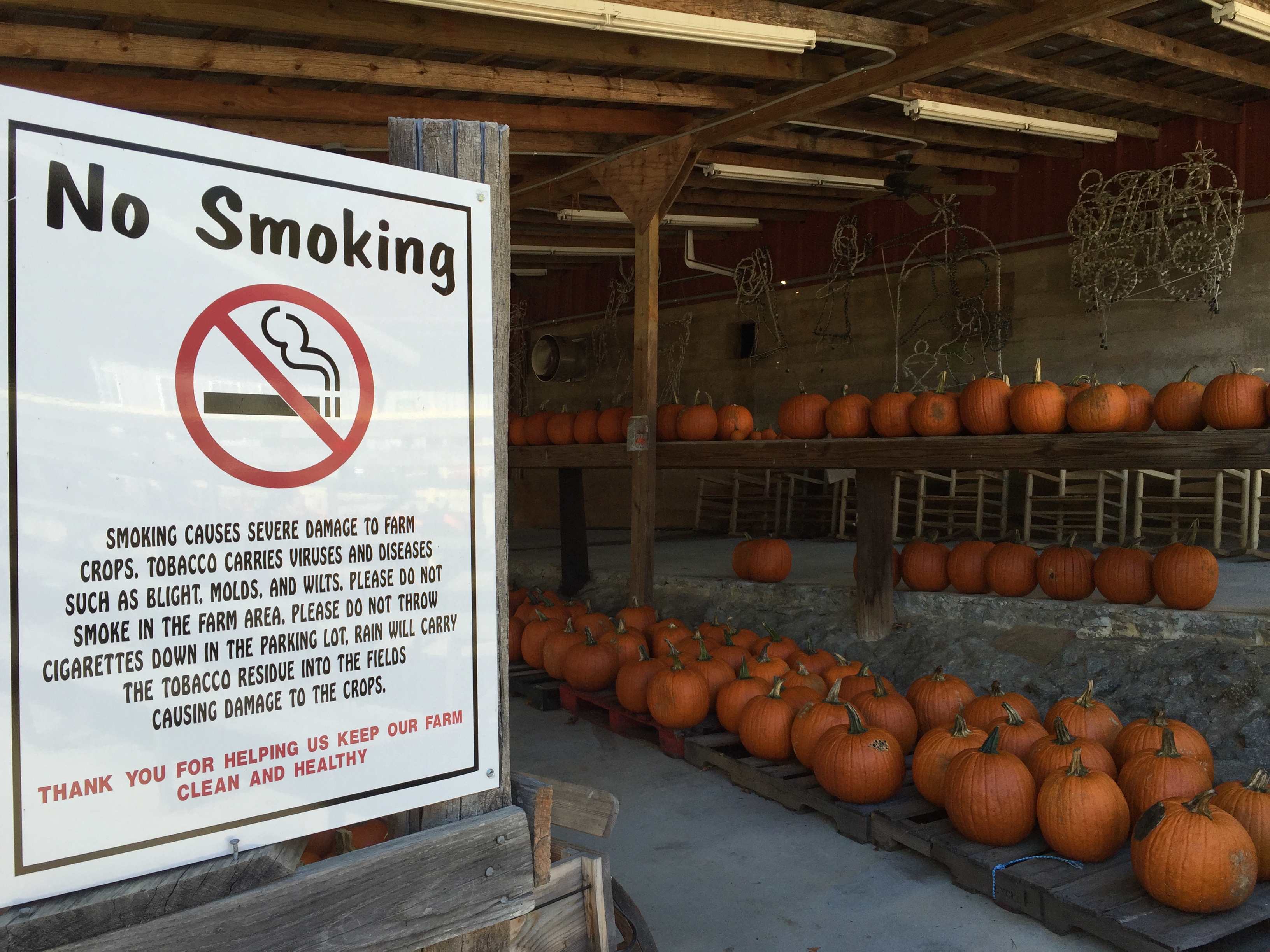
- smoking
- hypertension
- excess body weight
- sedentary lifestyle, too little physical activity
- high blood fats (cholesterol)
- high blood sugar (glucose)
- poor nutrition
Other Risk Factors
- Gender– unfortunately males are somewhat more at risk, especially at younger ages.
- Age– our risk increases as our age does.
- Ethnicity– some ethnic groups have a higher risk. In the United States these are African Americans, Native Americans, Hispanics.
- Family history– This means a close relative, like a parent or sibling, who developed heart disease young, or less than 50 years old.
Recognizing that you may have a heart problem can be the first step to getting effective treatment. Here are
7 Symptoms of a Heart Problem
- Chest pain– this is probably the most recognized heart disease symptoms, but is not unique to heart disease, nor is it always found in heart disease.
- Shortness of breath– especially if it occurs with minimal exertion, or if you find you have less tolerance for exertion.
- Palpitations– this means feeling like your heart is beating too fast, too hard, or at irregular intervals.
- Fatigue- especially if out of proportion to physical activity, if you tire more easily or quickly, or seem to have less energy than in the past
- Unexplained weight gain or swelling in the feet and legs
- Dizziness or lightheadedness when standing or walking, especially after exertion.
- Syncope, the medical term for fainting or passing out, especially if no other obvious cause (some people know they faint at the sight of blood, or with certain smells; that form of fainting is usually harmless, unless injured from falling)
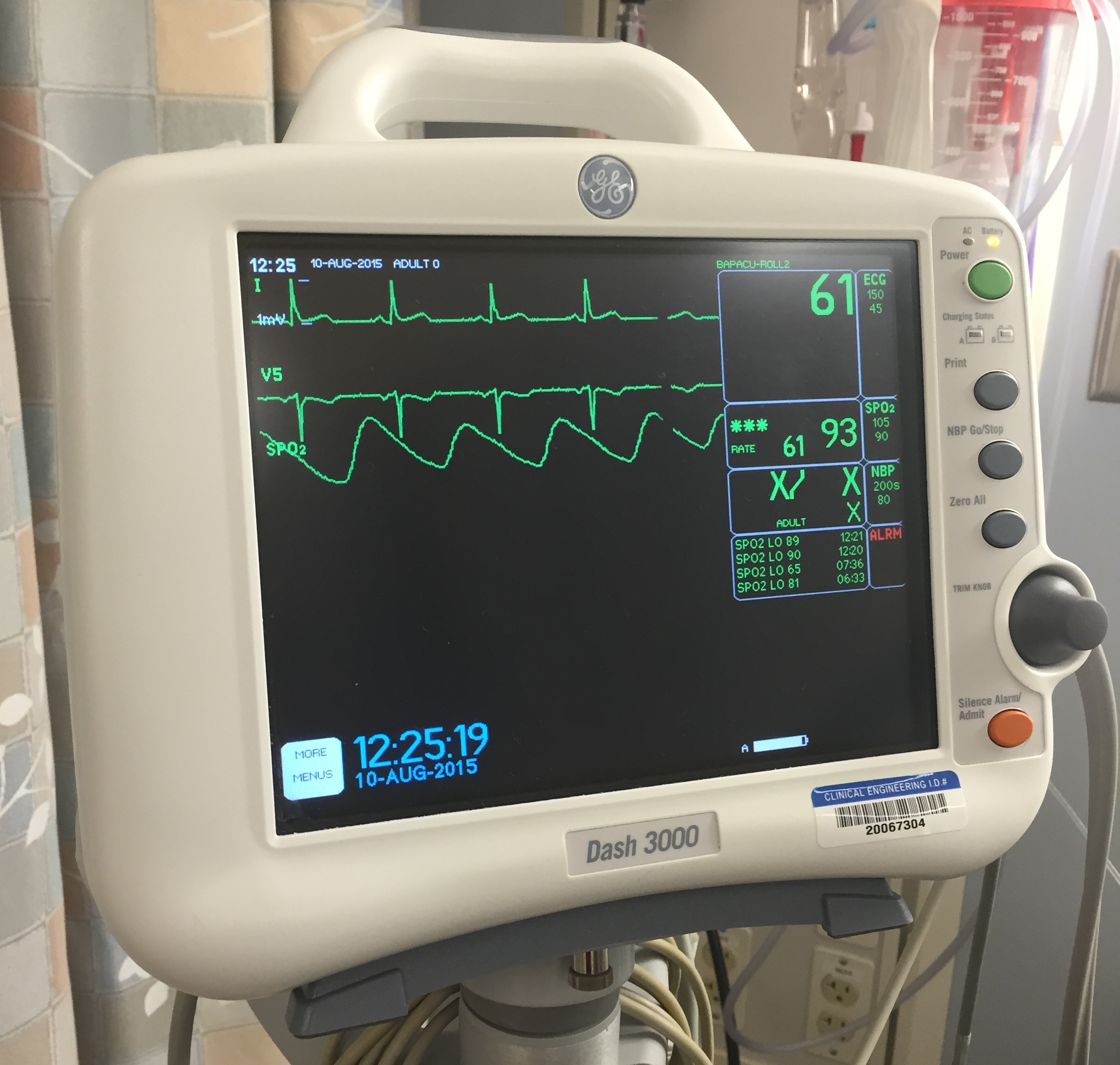


How To Keep Your HEART Healthy
Keeping our hearts healthy involves changing the first 7 risk factors I mentioned, which doctors often call modifiable risk factors.
- Stop smoking– consider these 7 surprising reasons to be smoke free
- Control your weight– achieve and stay at a healthy weight.6 steps to losing weight and gaining hope
- Be screened for diabetes and high cholesterol; if found, manage with your doctor’s supervision .10 Silent Signs of Diabetes
- Get more active, do some physical activity on a regular basis.Health lessons from the Women’s World Cup
- Eat less junk food, make healthier food choices.
- Have your blood pressure checked regularly (ask your doctor how often). If you have hypertension, follow your doctor’s management plan, which may include medication. Learn more from FamilyDoctor.org
- Control and manage stress. Medical studies suggest that emotional stress can bring on cardiovascular disease. You can learn more from Dr. James Marroquin’s fascinating post.
Always Exploring the HEART of Health
Please share this post on your social sites, your friends will thank you for caring about their hearts.
I’d love for you to follow this blog. I share information and inspiration to help you transform challenges into opportunities for learning and growth.
Add your name to the subscribe box to be notified of new posts by email. Click the link to read the post and browse other content. It’s that simple. No spam.
I enjoy seeing who is new to Watercress Words. When you subscribe, I will visit your blog or website. Thanks and see you next time.
Dr. Aletha
- About Dr. Aletha
- How to Use this Site
- Make Your Life Easier
- Search by Category
- Share the HEART of health
- my Reader Rewards Club
- RoboForm Password Manager
This information is current as of the date of original publication or update but may have changed by the time you read this. Do not use this information for diagnosis or treatment purposes. Before making health decisions, discuss with a qualified healthcare professional.








 watercress words by Dr Aletha