
Repatha. Breztri. Caplyta.Vyvgart. Hytrulo. Eylea HD.Izervay. Entyvio.
Does it look like I’m writing in a language other than English? Are these the names of rock bands you’ve never heard of? Or characters in a video game featuring superheroes and villains?
These are the brand names of prescription drugs that I saw advertised in just one evening of television. And they are not all of the ones aired. Added to these are ads for OTC meds, vitamins, supplements, and other health care products.
When I was practicing medicine, occasionally a patient would ask for a specific drug they heard about from a friend, read about, or saw on television. Usually it was a drug that did not require close surveillance, like a seasonal allergy or heartburn medication.
Instead, all of these drugs treat serious conditions, including several cancers, inflammatory bowel disease, heart disease, schizophrenia, myasthenia gravis, and macular degeneration, conditions for which regular medical surveillance is key to treatment.
One of them caught my attention because my husband receives it. It is an injection that his physician administers in the office every 1-2 months. The physician’s office orders it and bills our insurance for the cost. It is delivered directly to the physician’s office. So, I wonder why it’s marketed to patients?
You may not remember that at one time, in the United States, direct-to-consumer advertising of prescription drugs was not done, although was not specifically banned. Starting in the late 1990s, prescription drug ads began appearing in magazines and then on television.
Direct-to-consumer or DTC, marketing of presciption drugs has its proponents and its critics. So I am sharing with you this article from KFF that presents both sides.
KFF Health News is a national newsroom that produces in-depth journalism about health issues and is one of the core operating programs at KFF — the independent source for health policy research, polling, and journalism.
Should Drug Companies Be Advertising to Consumers?
By Paula Span February 20, 2026
Tamar Abrams had a lousy couple of years in 2022 and 2023. Both her parents died; a relationship ended; she retired from communications consulting. She moved from Arlington, Virginia, to Warren, Rhode Island, where she knew all of two people.
“I was kind of a mess,” recalled Abrams, 69. Trying to cope, “I was eating myself into oblivion.” As her weight hit 270 pounds and her blood pressure, cholesterol, and blood glucose levels climbed, “I knew I was in trouble health-wise.”

What came to mind? “Oh, oh, oh, Ozempic!” — the tuneful ditty from television commercials that promoted the GLP-1 medication for diabetes. The ads also pointed out that patients who took it lost weight.
Abrams remembered the commercials as “joyful” and sometimes found herself humming the jingle. They depicted Ozempic-takers cooking omelets, repairing bikes, playing pickleball — “doing everyday activities, but with verve,” she said. “These people were enjoying the hell out of life.”
So, just as such ads often urge, even though she had never been diagnosed with diabetes, she asked her doctor if Ozempic was right for her.
Small wonder Abrams recalled those ads. Novo Nordisk, which manufactures Ozempic, spent an estimated $180 million in direct-to-consumer advertising in 2022 and $189 million in 2023, according to MediaRadar, which monitors advertising.
By last year, the sum — including radio and TV commercials, billboards, and print and digital ads — had reached an estimated $201 million, and total spending on direct-to-consumer advertising of prescription drugs topped $9 billion, by MediaRadar’s calculations.
Novo Nordisk declined to address those numbers.
Should it be legal to market drugs directly to potential patients?
This controversy, which has simmered for decades, has begun receiving renewed attention from both the Trump administration and legislators.
The question has particular relevance for older adults, who contend with more medical problems than younger people and are more apt to take prescription drugs.
“Part of aging is developing health conditions and becoming a target of drug advertising,” said Steven Woloshin, who studies health communication and decision-making at the Dartmouth Institute.
The debate over direct-to-consumer ads dates to 1997, when the FDA loosened restrictions and allowed prescription drug ads on television as long as they included a rapid-fire summary of major risks and provided a source for further information.
“That really opened the door,” said Abby Alpert, a health economist at the Wharton School of the University of Pennsylvania.
The introduction of Medicare Part D, in 2006, brought “a huge expansion in prescription drug coverage and, as a result, a big increase in pharmaceutical advertising,” Alpert added. A study she co-wrote in 2023 found that pharmaceutical ads were much more prevalent in areas with a high proportion of residents 65 and older.
Do prescription ads benefit patients?
Industry and academic research have shown that ads influence prescription rates. Patients are more apt to make appointments and request drugs, either by brand name or by category, and doctors often comply. Multiple follow-up visits may ensue.
But does that benefit consumers? Most developed countries take a hard pass. Only New Zealand and, despite the decade-long opposition of the American Medical Association, the United States allow direct-to-consumer prescription drug advertising.
Public health advocates argue that such ads encourage the use and overuse of expensive new medications, even when existing, cheaper drugs work as effectively. (Drug companies don’t bother advertising once patents expire and generic drugs become available.)
In a 2023 study in JAMA Network Open, for instance, researchers analyzed the “therapeutic value” of the drugs most advertised on television, based on the assessments of independent European and Canadian organizations that negotiate prices for approved drugs.
Nearly three-quarters of the top-advertised medications didn’t perform markedly better than older ones, the analysis found.
“Often, really good drugs sell themselves,” said Aaron Kesselheim, senior author of the study and director of the Program on Regulation, Therapeutics, and Law at Harvard University.
“Drugs without added therapeutic value need to be pushed, and that’s what direct-to-consumer advertising does,” he said.
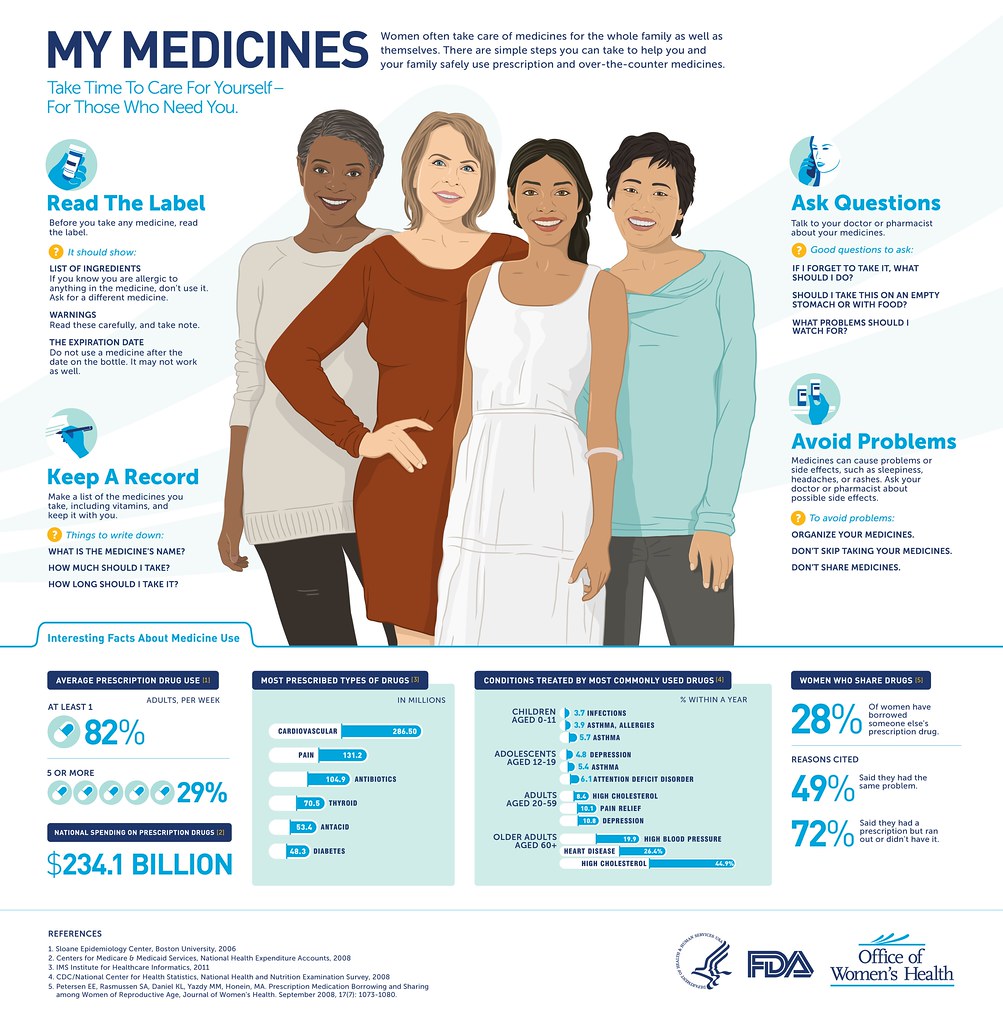
Prescription drug ads-pros vs cons
Opponents of a ban on such advertising say it benefits consumers.
“It provides information and education to patients, makes them aware of available treatments and leads them to seek care,” Alpert said. That is “especially important for underdiagnosed conditions,” like depression.
Moreover, she wrote in a recent JAMA Health Forum commentary, direct-to-consumer ads lead to increased use not only of brand-name drugs but also of non-advertised substitutes, including generics.
The Trump administration entered this debate last September, with a presidential memorandum calling for a return to the pre-1997 policy severely restricting direct-to-consumer drug advertising.
That position has repeatedly been urged by Health and Human Services Secretary Robert F. Kennedy Jr., who has charged that “pharmaceutical ads hooked this country on prescription drugs.”
At the same time, the FDA said it was issuing 100 cease-and-desist orders about deceptive drug ads and sending “thousands” of warnings to pharmaceutical companies to remove misleading ads. Marty Makary, the FDA commissioner, blasted drug ads in an essay in The New York Times.
“There’s a lot of chatter,” Woloshin said of those actions. “I don’t know that we’ll see anything concrete.”
This month, however, the FDA notified Novo Nordisk that the agency had found its TV spot for a new oral version of Wegovy false and misleading. Novo Nordisk said in an email that it was “in the process of responding to the FDA” to address the concerns.
Meanwhile, Democratic and independent senators who rarely align with the Trump administration also have introduced legislation to ban or limit direct-to-consumer pharmaceutical ads.
Last February, independent Sen. Angus King of Maine and two other sponsors introduced a bill prohibiting direct-to-consumer ads for the first three years after a drug gains FDA approval.
King said in an email that the act would better inform consumers “by making sure newly approved drugs aren’t allowed to immediately flood the market with ads before we fully understand their impact on the general public.”
Then, in June, he and independent Sen. Bernie Sanders of Vermont proposed legislation to ban such ads entirely. That might prove difficult, Woloshin said, given the Supreme Court’s Citizens United ruling protecting corporate speech.
Advertising or Education?
Moreover, direct-to-consumer ads represent only part of the industry’s promotional efforts. Pharmaceutical firms actually spend more money advertising to doctors than to consumers.
Although television still accounts for most consumer spending, because it’s expensive, Kesselheim pointed to “the mostly unregulated expansion of direct-to-consumer ads onto the web” as a particular concern. Drug sales themselves are bypassing doctors’ practices by moving online.
Woloshin said that “disease awareness campaigns” — for everything from shingles to restless legs — don’t mention any particular drug but are “often marketing dressed up as education.”
He advocates more effective educational campaigns, he said, “to help consumers become more savvy and skeptical and able to recognize reliable versus unreliable information.”
For example, Woloshin and Lisa Schwartz, a late colleague, designed and tested a simple “drug facts box,” similar to the nutritional labeling on packaged foods, that summarizes and quantifies the benefits and harms of medications.
For now, consumers have to try to educate themselves about the drugs they see ballyhooed on TV.

Abrams read a lot about Ozempic. Her doctor agreed that trying it made sense.
Abrams was referred to an endocrinologist, who decided that her blood glucose was high enough to warrant treatment. Three years later and 90 pounds lighter, she feels able to scramble after her 2-year-old grandson, enjoys Zumba classes, and no longer needs blood pressure or cholesterol drugs.
So Abrams is unsure, she said, how to feel about a possible ban on direct-to-consumer drug ads.
“If I hadn’t asked my new doctor about it, would she have suggested Ozempic?” Abrams wondered. “Or would I still weigh 270 pounds?”
The New Old Age is produced through a partnership with The New York Times.
KFF’s website content is licensed under a Creative Commons Attribution-NonCommercial-NoDerivatives 4.0 International (CC BY-NC-ND 4.0) license that allows for the sharing of their content with attribution.
This information is current as of the date of original publication or update but may have changed by the time you read this. Do not use this information for diagnosis or treatment purposes. Before making health decisions, discuss with a qualified healthcare professional.
Review and Reflect
One person quoted in this article suggests that “more effective educational campaigns can help consumers become more savvy and skeptical and able to recognize reliable versus unreliable information.”
When you see health and medical information online, on television, or in print, are you quick to believe or skeptical?
How do you distinguish between reliable and unreliable information?
Have you ever made a healthcare decision you regret? If so, what will you do differently next time?
Where or from whom will you seek information for your next personal health decision?
Images
The images used in this post are for illustration and are not from the KFF article.
Exploring the HEART of Health
I’d love for you to follow this blog. I share information and inspiration to help you transform challenges into opportunities for learning and growth.
Add your name to the subscribe box to be notified of new posts by email. Click the link to read the post and browse other content. It’s that simple. No spam.
I enjoy seeing who is new to Watercress Words. When you subscribe, I will visit your blog or website. Thanks and see you next time.
Use this search box for related posts on this blog or other topics of interest to you.
Dr. Aletha
- About Dr. Aletha
- How to Use this Site
- Make Your Life Easier
- Search by Category
- Share the HEART of health
- my Reader Rewards Club
- RoboForm Password Manager








 watercress words by Dr Aletha