

Subscribe to continue reading
Subscribe to get access to the rest of this post and other subscriber-only content.
In this post I review the book Labor Day by Joyce Maynard . It explores an unexpected and transformative weekend for a 13-year-old boy named Henry, his emotionally fragile mother Adele, and a mysterious man named Frank.
Subscribe to get access to the rest of this post and other subscriber-only content.

How to know when an ER visit is needed for a medical problem
During the fall and winter, hospitals see an increase in patients with respiratory illnesses due to influenza, COVID-19, and pneumonia, as well as disorders due to cold exposure and injuries due to ice and snow.
One shouldn’t go to an emergency room unless they truly need to.
But what is an emergency?
However, a more specific definition is
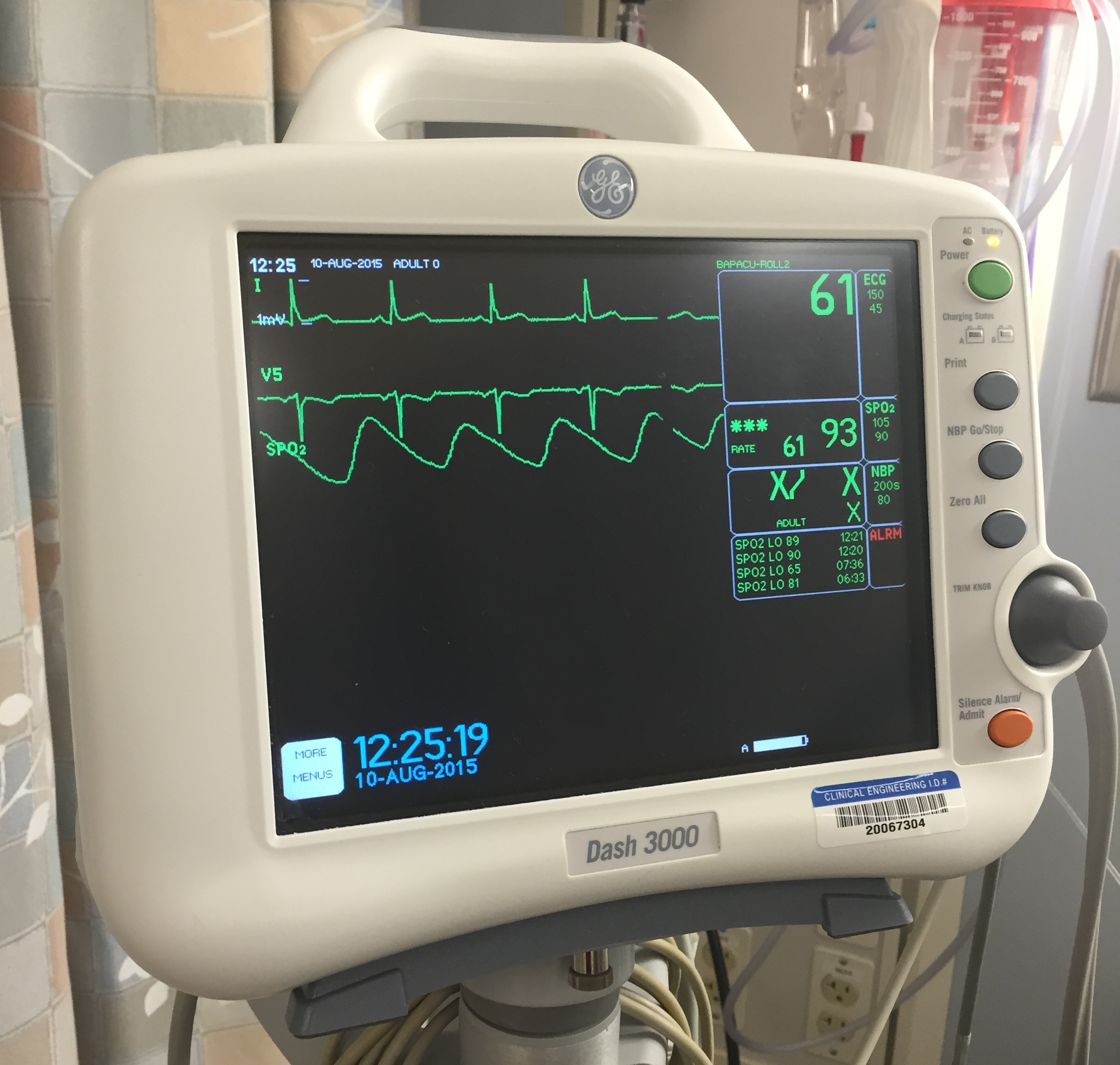
In the United States, a federal law known as EMTALA defines a medical emergency as
“a condition manifesting itself by acute symptoms of sufficient severity (including severe pain) such that the absence of immediate medical attention could reasonably be expected to result in placing the individual’s health [or the health of an unborn child] in serious jeopardy, serious impairment to bodily functions, or serious dysfunction of bodily organs.”
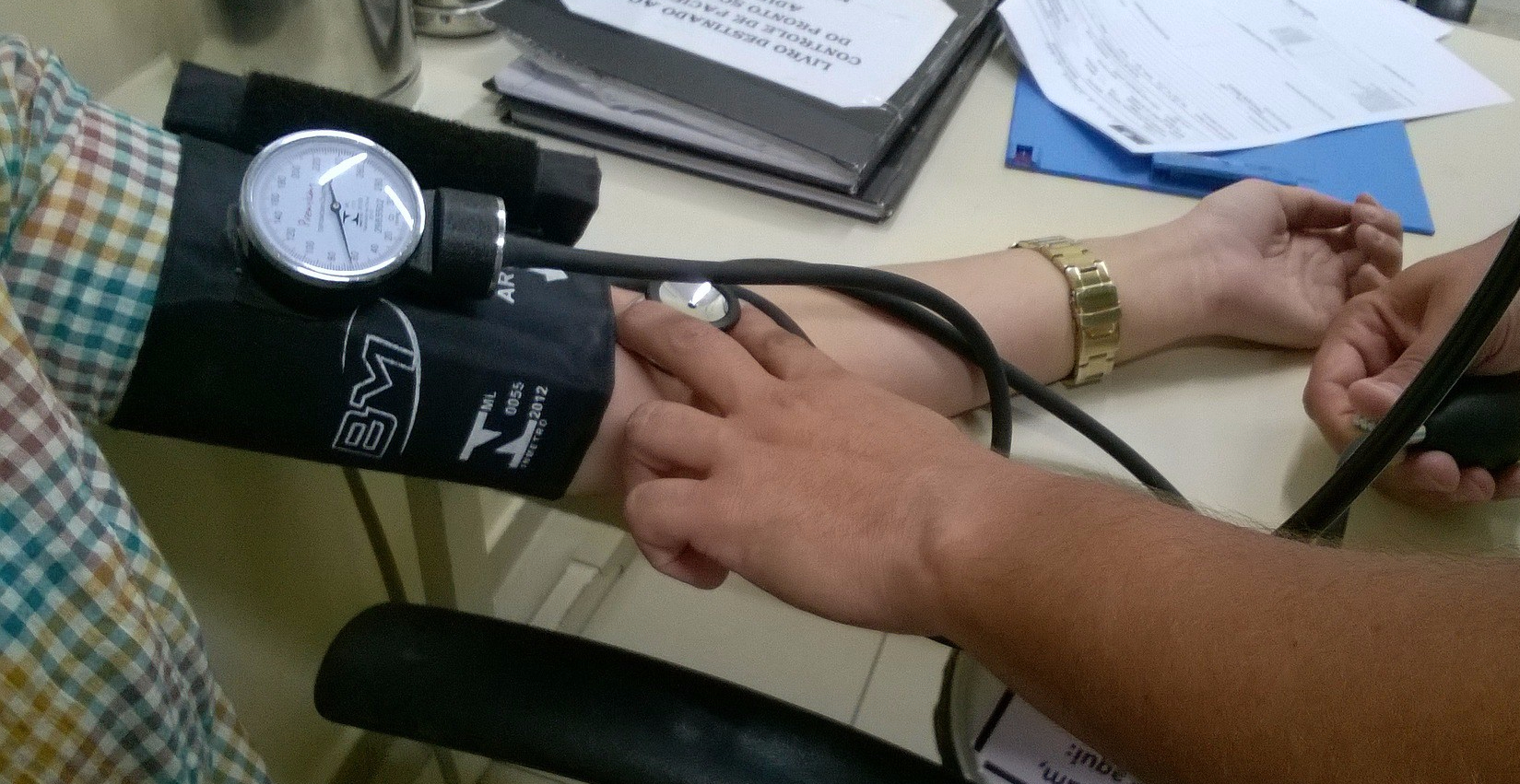
Certain groups of people are more at risk of significant illness with any of these symptoms, so emergency care should be sought sooner rather than later. They include
Although in persons under 40 years old it is less likely due to a heart attack, there are other life threatening conditions that can occur in this age group. Again, especially if it is associated with any of the other symptoms, it is emergent.
Learn more about common heart diseases at this previous post


You should not call your doctor’s office, your mother, your best friend, or post a question on social media (which I have seen done!)
If it’s not an emergency but is urgent, then the next best options are calling your doctor’s office or going to an urgent care clinic. Posting on social media is still a bad choice. Do you really want your “friends” giving you medical advice about something they know nothing about?
We doctors don’t expect you to diagnose your condition before coming to the ER or the office, and insurance companies shouldn’t either. With using the above guidelines, if you even suspect your problem is an emergency, you are wise to seek help.
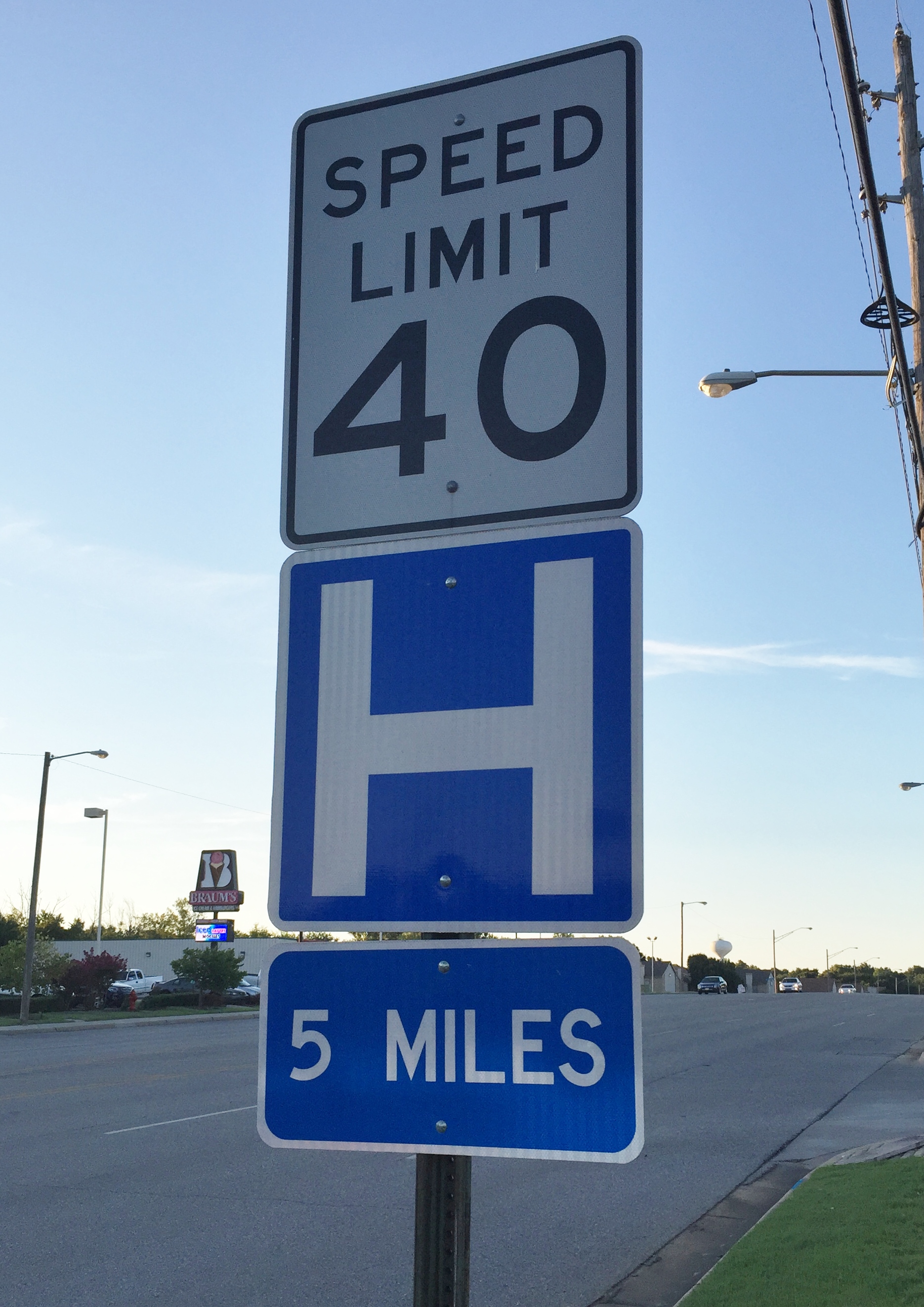
Your definition of an emergency and your insurance company’s definition may differ-and that difference may cost you money. Read why here.


 watercress words by Dr Aletha