Surprising myths and truths about dental care

Why people neglect dental care and why they should not

I notice more  television commercials for dental care products and services, and most of them follow a theme. In the past most advertisements were for toothpaste for preventing cavities. Now they focus on whitening, stain removal, straightening, dentures and dental implants.

There is a series of ads for dental clinics that promise “not to rob you” featuring skits portraying people afraid that dentists will demand huge amounts of money for dental care.
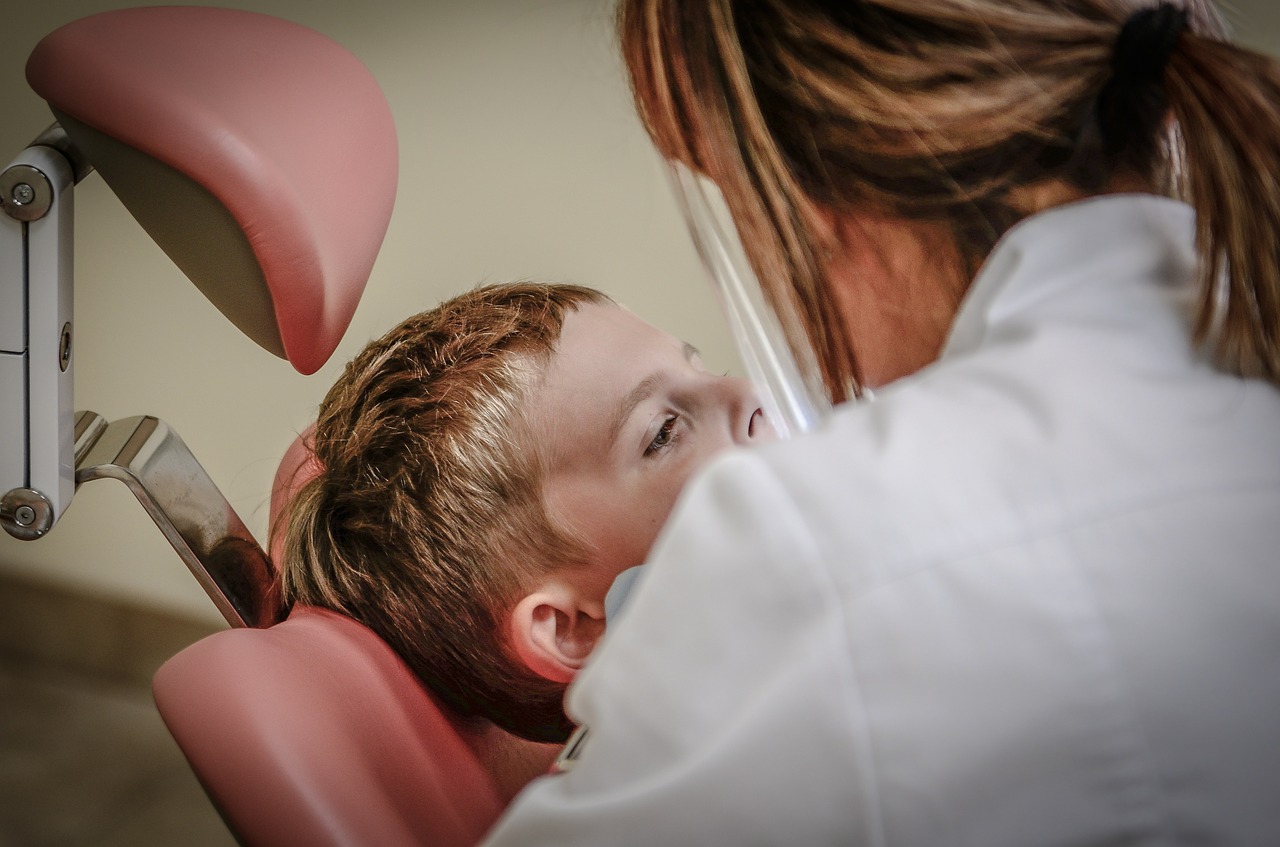
woman dentist with a patient

Myths about dental care

I think these ads reflect  myths about dental care that many of us believe and unfortunately base our behavior  on. We need to dispel these myths with some truths about oral health, which includes our teeth and mouth.

These myths include

  • Care of our teeth is mainly a cosmetic concern, affecting our appearance only.
  • Dental care is a luxury, nice but optional, not a necessity, it can be ignored.
  • Dental care is expensive and out of reach without insurance or a high income.
  • Tooth disease and loss is inevitable, so we might as well just accept it.
  • Dental care is low priority, behind food, housing, and medical care in importance.
Surprising myths and truths abut

Truths about dental care  

But the truth, based on recommendations from experts in oral and dental health, tells us differently.

  • Care of our teeth is functional- we need a healthy mouth for eating, drinking, breathing, and talking. Our mouths also help us interact with other people emotionally- frowning, smiling, kissing, singing.
  • Oral care is a basic component of health care, vitally important to overall health. I’ll say more about this later.
  • Dental care can be affordable; it’s probably more costly if neglected.
  • Loss or disease of teeth and other mouth disorders are preventable and treatable.
  • Dental and oral care is vital to overall good health, and ultimately can be cost effective.

Family of 4 sitting at a dining table.
Our mouth- eating, talking, smiling-connects us with our family and friends.

Our teeth and oral cavity, the “window to general health”

The oral cavity, or simply called the mouth ,includes the teeth and gums, as well as the lips, the tongue, the palate (roof of the mouth), and the mucosa (sides of the mouth).

diagram of the mouth from the National Cancer Institute
The underside of the tongue and nearby structures (lip, tongue, salivary glands, and floor of the mouth) are identified. Alan Hoofring (Illustrator) public domain


Why  dental care improves our overall health.

Over 100 diseases and at least 500 medications can affect our teeth and mouths. Regular dental care can monitor for these effects and prevent them from progressing into tooth disease.

Our mouths contain over 500 species of bacteria and other organisms, some of which are protective and some destructive to our teeth. Good oral care can keep these in proper balance to prevent tooth and gum disease.

People with poor dental health have a higher incidence of heart attacks and stroke. Experts have not determined if this is direct cause and effect or coincidence, but believe it may be due to increased atherosclerosis (hardened arteries from cholesterol) due to the chronic inflammation of gingivitis.

Bacteria from the mouth can lead to  pneumonia in susceptible persons, like those with emphysema or those hospitalized with critical illnesses or injuries.

Diabetes, when the blood sugar is not controlled, negatively impacts periodontal health, and periodontitis makes glucose control more difficult. Periodontitis is inflammation and infection of the ligaments and bones that support the teeth.

Poor oral health during pregnancy increases the risk for miscarriage, low birth weight, preeclampsia, and stillbirth.


Resources for understanding different types of dental and oral disease.

Gum Disease-Also called: Periodontal disease

Tooth disorders

Oral Cancer from the American Dental Association

Paying for dental care

Dental care should not be a luxury, and can be within financial reach with some research into available options. These sites can help you discover what you may quality for.

When You Don’t Have Dental Insurance

Free/Low-Cost/Sliding Scale Dental Clinics


The importance of dental care for children

Health teeth in adults ideally starts with dental care in childhood. Jenny Silverstone, blogger at Mom Loves Best, has created this  infographic about caring for children’s teeth. I suggest you also read her in depth article about helping children have healthy teeth. 
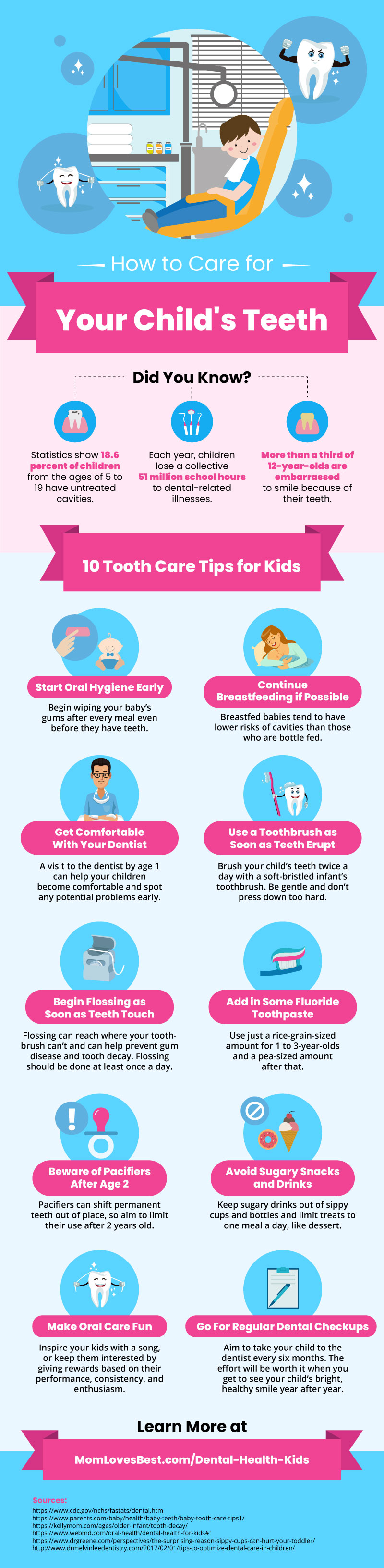
How to care for your child's teeth


Don’t neglect adult dental care

Continuing good mouth and tooth care as an adult can help you avoid tooth loss, painful gums, or other problems. If you have any problems with your teeth or concerns about your mouth, see your doctor or dentist right away.
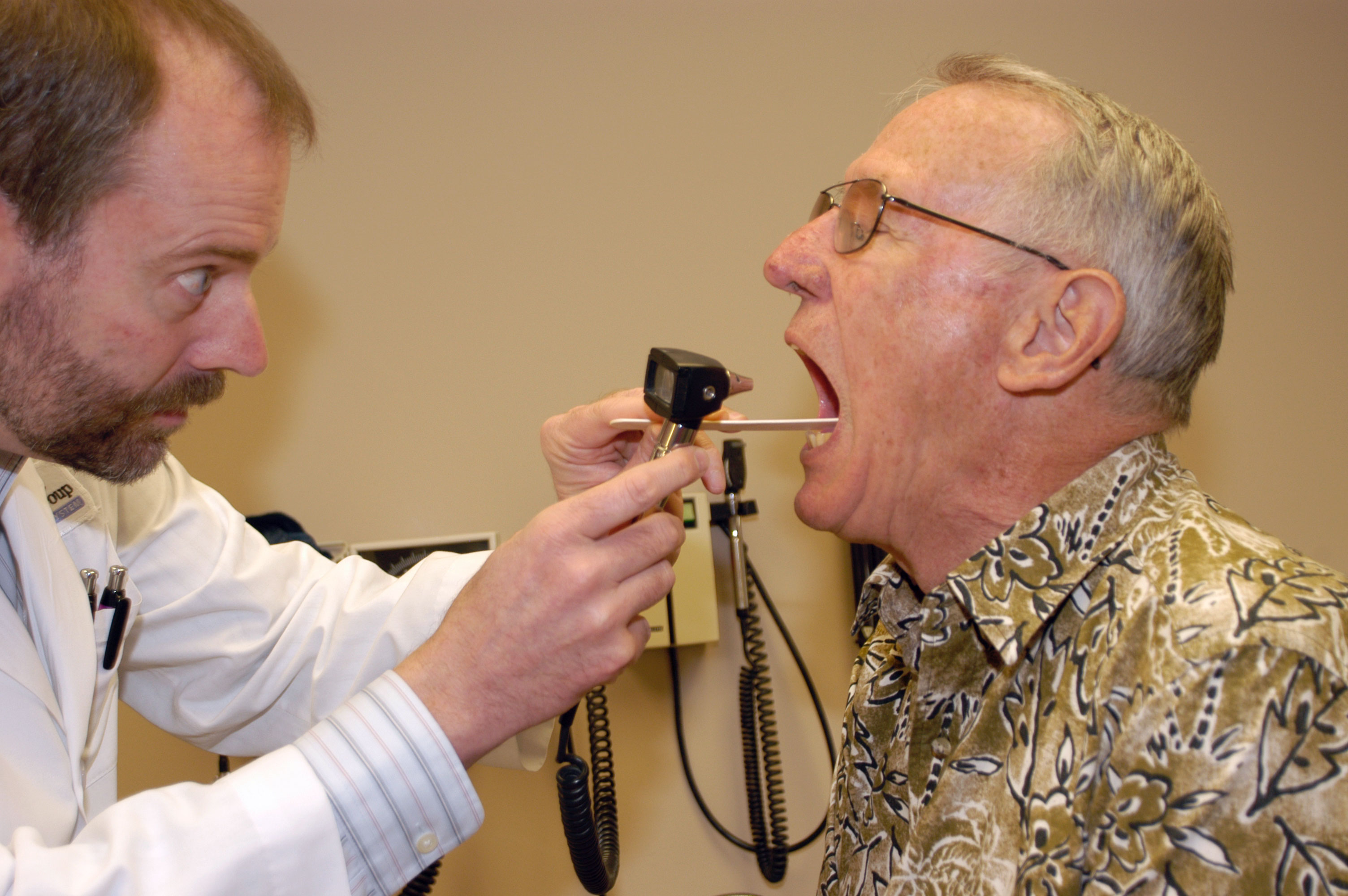
a doctor looking into a patient's mouth
Michael Munger, M.D., examines a patient at his medical office in Overland Park, Kan. courtesy American Academy of Family Physicians


Here are some helpful things you can do:

  • Brush your teeth at least twice a day with a fluoride toothpaste.
  • Floss your teeth at least once a day.
  • Don’t smoke or chew tobacco.
  • Ask your doctor if your medicines have side effects that might damage your teeth.
  • Look inside your mouth regularly for sores that don’t heal, irritated gums, or other changes.
  • See your dentist every 6 months for regular check-ups and cleanings. 

(source: familydoctor.org)

Using a power toothbrush may keep your teeth healthier, especially if you have any difficulty using a manual brush.I use an Oral-B Rechargeable Toothbrush by Braun.

(This is an affiliate link. )

Oral B Rechargeable Toothbrush

I appreciate your reading and sharing  this post on your social media pages.

And please follow Watercress Words for more information and inspiration to help you explore the HEART of HEALTH.

Thank you for  viewing  the advertisements and using the affiliate links  that fund this blog; with your  help, we can grow, reach more people, and support worthy causes that bring health and wholeness to people around the world.

Dr. Aletha  , sharing the HEART of health 
stethoscope with a heart

Is there an increase in autism?

The article discusses the rising awareness and diagnosis rates of autism spectrum disorders, noting that 1 in 68 children are now identified as autistic. It highlights changing diagnostic criteria and increased understanding of autism. Additionally, the portrayal of autism in media, like “The Good Doctor,” influences public perception and interest in the condition.

This information is current as of the date of original publication or update. It may have changed by the time you read this. I invite you to fact-check what you read here.

This information is not intended for diagnosis or treatment. Before making health decisions, discuss with your physician or other qualified healthcare provider to decide what is right for you.

You’ve heard and read much about autism recently. The top new TV drama this season , The Good Doctor, has a major character with autism (although the actor himself is not).

This illustrates the interest in autism spectrum disorders, and the controversy. We are not certain of the cause, and wonder why the condition is diagnosed more frequently.

Perhaps that explains why this was the most viewed post on this blog in 2017.

Light it up blue-autism speaks

Like other physicians and families of people with autism, I puzzle over the increased number of children and adults diagnosed with autism. Most of us have theories about why we now believe 1 in 68 children have autism spectrum disorders.

People point out that “when they were children” they never knew of anyone with autism. There are those who are absolutely convinced that the increased numbers of autism followed the introduction of the measles-mumps-rubella vaccine, MMR. Others implicate genetics, environmental toxins, diet, and intrauterine brain trauma.

I found an article that offers a sound, well thought out and expressed explanation. It contains several points that I have identified and some I had not.

The article was published in Spectrum whose commitment is “to provide accurate and objective coverage of autism research.” Spectrum is funded by the Simons Foundation Autism Research Initiative. Senior News Writer Jessica Wright, Ph.D. in biological sciences from Stanford University, wrote the report. (Scientific American also published the article by permission.)

In the article, Dr.Wright concludes,

“The bulk of the increase (in autism rates) stems from a growing awareness of autism and changes to the condition’s diagnostic criteria.”

First , let’s consider some terminology. Prevalence is an estimate of how common a disease or condition is in a particular population of people at any given time.

So the prevalence of autism in children would be

the number of children identified as autistic at any given time

divided by  the total number of children alive at that time .

The currently accepted rate of autism is 1 in 68 children, or 1.4 %.

So  autism prevalence depends on children being correctly identified as autistic. At any given time, some autistic children may not be identified, and some may be  incorrectly identified.

We do not have any totally objective tests available for autism yet. There is no blood test, scan, culture, imaging study, DNA test, or  monitor to definitely conclude that autism is or is not present.

The definition of and criteria for autism have changed substantially since “infantile autism” was first identified by Leo Kanner over 70 years ago. Since 1980, the diagnosis is based on applying the criteria outlined in the Diagnostic and Statistical Manual of Mental Disorders (DSM). In the most recent version, DSM-5, released in 2013, autism, Asperger syndrome, and pervasive developmental disorder, formerly separate, are now a single diagnosis.


Autism Spectrum Disorder is characterized by

  • Persistent deficits in social communication and social interaction across multiple contexts
  • Restricted, repetitive patterns of behavior, interests, or activities
  • Symptoms must be present in the early developmental period (But may not yet be fully expressed or may be modified by learned behavior in later life)
  • Symptoms cause clinically significant impairment in social, occupational, or other important areas of current functioning.
  • These disturbances are not better explained by intellectual disability (intellectual developmental disorder) or global developmental delay.


At this link you may read the full detailed criteria from DSM-5

Diagnostic Criteria for 299.00 Autism Spectrum Disorder

When the diagnostic criteria for other diseases change, the prevalence also changes. Examples include diabetes, high cholesterol, high blood pressure, migraine, obesity, depression , even some cancers. So autism is not unique in this regard.

The currently accepted rate of autism, 1 in 68, comes from the Autism and Developmental Disabilities Monitoring Network, established by the CDC in 2000. Children are identified by reviewing health and school records of 8 year olds in selected counties. So possibly some children get missed, and some assigned incorrectly.

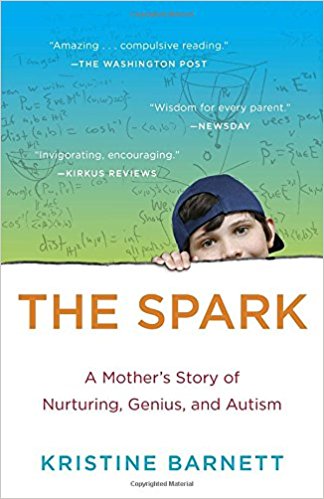
THE SPARK, a book cover; a mother's story of nurturing, genius, and autism
THE SPARK

Another major milestone in autism awareness occurred in 1991 when the U.S. Department of Education ruled that autistic children qualify for special education services.

Parents of children with developmental and intellectual disabilities  have an incentive to secure accurate diagnosis, to qualify their child for services they otherwise might not  have access to.

Since 2006, the American Academy of Pediatrics recommends routine screening of all children for autism at 18 and 24 months old. Many physicians, psychologists, and therapists believe early intervention improves these children’s chances to do well intellectually and socially.

If we could go back and review records of children 10, 20, or 30 years ago, and apply current diagnostic criteria, would we find less autism than we do today? Perhaps. But such records would likely reflect the understanding of autism at the time, so might still fail to recognize autism, even when present by today’s standards.

The apparent increased number of children with autism seems alarming-some call it an epidemic. It may represent our increased awareness, recognition, and knowledge about this disorder. And while this increase should raise concern, it can lead to increased research, treatment options, and more effective care for autistic persons.

Here is a link to the original article

Autism Rates in the United States Explained

How The Good Doctor became such a hit

The premise is simple: Shaun Murphy, played by Highmore, is an autistic surgeon with savant syndrome. His stream of consciousness speaks the language of anatomy, and when the show’s particularly keen on calling attention to his genius, organs and veins and glands float above his head like illustrations ripped from a med-school textbook. “He’s not Rain Man,” says his main advocate at the prestigious St Bonaventure hospital in an attempt to convince the board that Murphy is hirable and high-functioning. To those in the autism community, the show has deftly done just that. “The Good Doctor does a fine job of navigating this razor’s edge,” wrote Kerry Magro on the website Autism Speaks, noting that it shows “several characteristics that can accompany an autism diagnosis such as social awkwardness, lack of eye contact, playing with his hands during stressful situations”. He adds: “Freddie’s take will resonate with many in the community.”

Jake Nevins, The Guardian

Exploring the HEART of Health

I’d love for you to follow this blog. I share information and inspiration to help you turn health challenges into health opportunities.

Add your name to the subscribe box to be notified of new posts by email. Click the link to read the post and browse other content. It’s that simple. No spam.

I enjoy seeing who is new to Watercress Words. When you subscribe, I will visit your blog or website. Thanks and see you next time.

Dr. Aletha