Have you wondered how they know the current cyclospora outbreak in the United States may have started with lettuce at a Taco Bell restaurant?
This article from KFF Health News explains how. Nurses from the local public health department call infected people and ask them about their eating habits.
Can you remember what you ate two weeks ago, the brand name on the package, and where it came from? What restaurant did you go to two weeks ago? If you didn’t order on an app or save your receipt, you might not remember.
Fortunately for the sake of disease tracing, some people do.
Nurses Chase Cyclospora, Aided by Interviews, Fast-Food Receipts — And the Messy Details
By Kate Wells, Aug 4, 2026

More than 900 people in Washtenaw County, Michigan, have been sickened with cyclosporiasis since mid-June. Linda Kim, a public health nurse, has called more than 100 of them. Almost everyone has said the same thing: It’s excruciating, and one of the worst illnesses they’ve experienced.
But on a Wednesday in July, she called one man who said he wouldn’t mind having it again, actually.
“You’re enjoying the weight loss?” Kim said, laughing as she took notes in a small conference room at the Washtenaw County Health Department building, just outside Ann Arbor. “Well, I’m glad to hear that. At least you got something good out of it!”
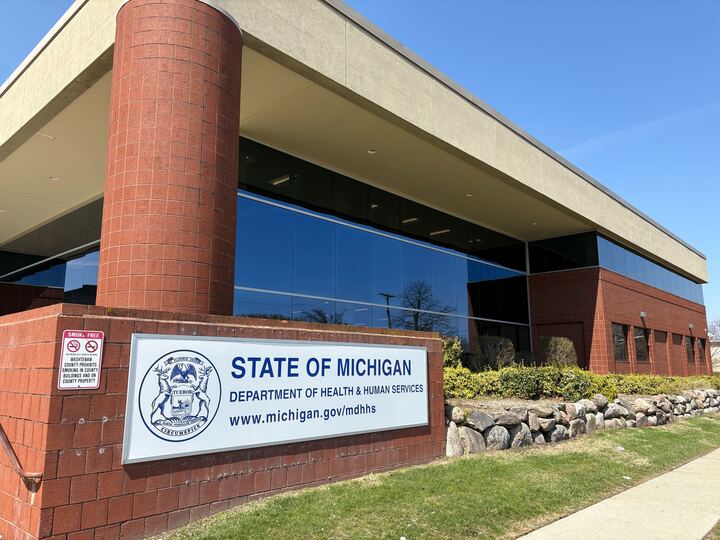
Normally, Kim’s supposed to be working downstairs in the clinic, where families wait in gray plastic chairs in the lobby for free or low-cost immunizations. But she hasn’t been there in months.
First, a Measles Outbreak
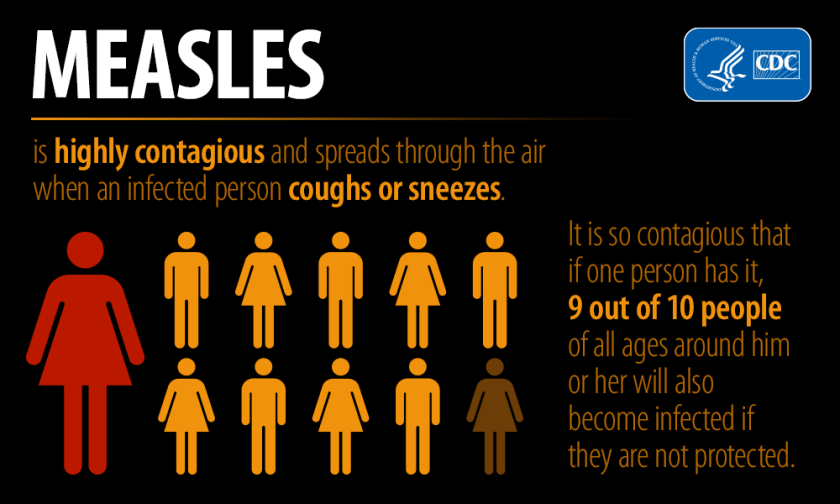
In March, Kim was transferred to a different department to help deal with a measles outbreak that sickened seven people in the county, five of them children. It was an all-hands-on-deck situation; everyone worked overtime. The state issued an advisory urging families in Washtenaw and surrounding counties to get babies 6 months or older vaccinated ahead of schedule, if possible.
The contact-tracing calls for measles could be contentious, Kim said. People were suspicious, asking her how she knew they had tested positive, or why they should give her any information.
“People were like, ‘Oh, you’re just trying to restrict my life,’ or ‘You’re just trying to get information out of me and get me in trouble,’” she said. “It’s like, no, we’re actually not doing that at all.”
As she tried to explain to them, tracing the spread of the highly contagious virus and publicizing possible exposure sites was an effort to “keep it contained, so it doesn’t become something huge.”
Then, Cyclospora “Exploded”
The county’s measles outbreak ended in late May. Then in June, reports of cyclosporiasis cases started pouring in — more than 11,000 so far in Michigan, including two deaths. Both people who died had “significant underlying health conditions that may have been impacted by cyclosporiasis and dehydration,” the state health department said on its website Aug. 3.
Health officials aren’t providing more details, department spokesperson Lynn Sutfin said in an email, but are stressing that cyclosporiasis generally isn’t life-threatening and that deaths from it are uncommon in the U.S.
Kim said the cyclosporiasis surveillance has been very different from her experience with the measles outbreak.
Now, people seem eager to divulge even the most graphic details, such as “pooping their beds, and, like, putting down towels and it’s not enough.”
Linda Kim, public health nurse
Since she’s a nurse, such confessions don’t faze her, she said. Still, staffers have hundreds of these calls to make, so they try to keep each conversation under an hour.
“Crunchy or Soft?”
But foodborne illness investigations are complex. Especially for this parasite, cyclospora. Symptoms can take as long as two weeks to appear after people have eaten contaminated food. And no one remembers what they ate two weeks ago, public health staffers said.
The interview process can be extremely detailed. Kim and her colleagues ask people to pull up their restaurant receipts, scroll through purchases on their grocery store apps, even try to recall details such as the exact brand of bagged salad mix they bought, or the type of taco they got at Taco Bell.
“Is that the crunchy one or the soft one?” Kim asked on a recent call, typing on a laptop decorated with cat and vaccine-themed stickers.
Kim has been working with the health department for two years, a period defined by federal funding cuts.
Federal Funding Cuts Hurt
Laina Stebbins, a spokesperson for the Michigan Department of Health and Human Services, said the Trump administration’s sweeping cuts to public health grants eliminated a contract between the state health department and 44 of the state’s 45 local departments that funded 123 full-time employees.
Those cuts also affected the state’s disease surveillance labs, “reducing funding for equipment maintenance contracts, data modernization, and the ability to innovate laboratory processes during emerging disease response,” Stebbins said.
Some of that funding was restored after Michigan won a temporary restraining order against the Trump administration. But Washtenaw’s health department still had to scale back some disease surveillance and outbreak response work. Currently, employees who leave or retire aren’t replaced, except for those on the nursing team, which is hiring but still understaffed.
The county’s Health Equity Council, which aims to reduce health disparities, including in mental health, was shuttered suddenly in early 2025. Nearly a year later, it resumed its work, with funding at least through this September.
Slow Response from Federal Public Health
An employee from the Centers for Disease Control and Prevention had been stationed at the department. During the funding chaos, the worker was fired, then rehired, then furloughed.
The federal response to cyclosporiasis has felt frustratingly slow, according to Christina Zilke, a nursing supervisor at the Washtenaw health department.
“It took them forever to say that this was lettuce, and fast-food restaurants were taking it off the shelves before the CDC ever said what it was,” she said.
During a July 14 press call, the deputy director of the CDC’s Division of Foodborne, Waterborne, and Environmental Diseases, Gwen Biggerstaff, said it’s not unusual for it to take a long time to identify a specific source for cyclosporiasis — if it’s identified at all. That’s partly due to the lag time between exposure and the appearance of symptoms, and the complexity of tracing this particular parasite.
Meanwhile, Zilke’s been stocking the coffee station and bringing in pizza, trying to keep up staff morale. It’s not a reward, she said. “It’s more like: ‘Here’s some food for survival. Here’s a break so you don’t quit.’”
Kim, for her part, remains enthusiastic about the job but said it’s been a surreal introduction to a public health career — first measles, now cyclospora.
“If nationally they don’t know what’s going on, how are we locally expected to know what’s going on?” she said. “And also just frustrating to be, like, ‘Wow, I don’t think even our government knows how important public health is.’”
But there’s no time to dwell. She has to move on to the next call, as soon as she can wrap up this one. She gives each person her work number, so people can call or text with any follow-up questions.
KFF Health News is a national newsroom that produces in-depth journalism about health issues and is one of the core operating programs at KFF—an independent source of health policy research, polling, and journalism. Learn more about KFF.
This article first appeared on KFF Health News and is republished here under a Creative Commons Attribution-NonCommercial-NoDerivatives 4.0 International License.
Underlying Health Conditions Explained
One term used in this story you’ve heard before –“people with significant underlying health conditions.” During COVID, these people were known to be at increased risk of severe disease, complications, and death. That’s true of many acute illnesses, not just COVID, cyclospora, or other infections.
What exactly is a significant underlying health condition? Simply put, any medical condition that involves a critical body organ or system-heart, lungs, kidneys, brain. An official definition of “significant underlying health conditions” is
long-term or chronic medical issues that last for more than one year, require ongoing medical care, and can increase the risk of severe complications from infections like COVID-19. Examples are
Heart Conditions: Heart failure, coronary artery disease, and cardiomyopathies.
Chronic Lung Diseases: COPD, moderate-to-severe asthma, and pulmonary fibrosis.
Diabetes: Type 1 and Type 2 diabetes, particularly with complications.
Obesity: Having a high body mass index (BMI) that strains organ function.
Chronic Kidney and Liver Disease: Stage-based kidney disease or chronic liver failure/cirrhosis.
Immunocompromised States: Active cancer treatments, organ transplants, or HIV.
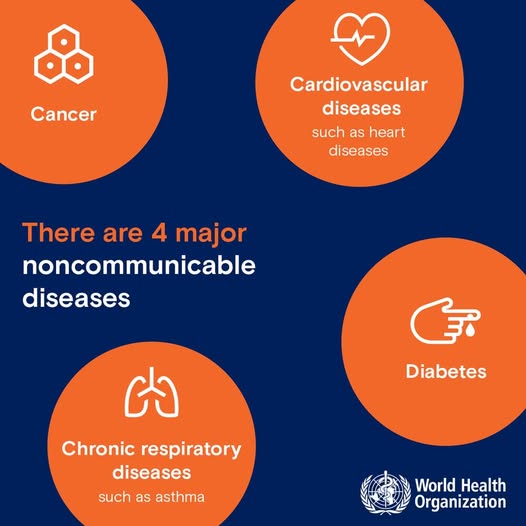
The “one-year” means they are expected to last at least that long, not that we wait a year before considering them significant. Most of the ones listed become lifelong concerns.
Other significant medical conditions include age-the very young or old, pregnancy, neurological dysfunction, homelessness, and substance abuse.
These are also referred to as Chronic Diseases. However, some chronic diseases do not necessarily increase one’s risk of serious illness.
How do you know if you have one of these conditions? Usually, they are diagnosed when symptoms prompt someone to seek medical attention and undergo an appropriate exam and testing. But sometimes people walk around for years ignoring “minor” symptoms until they become major. By this time, heart, lung, or kidney disease can be in advanced stages, as can cancer.
But that doesn’t mean people without serious underlying conditions are not at risk of getting seriously ill or dying from COVID, measles, cyclospora, influenza, pneumonia, or any other unexpected disease or injury. We all need to be vigilant to protect our health.
Next Steps
If you have a serious chronic disease, how do you protect yourself from acute illnesses that might become severe or life-threatening?
What else do you need to know, and where will you get this information?
If you don’t have a chronic disease now, what do you do to prevent one? Do you wonder what more you could do?
Your physician can help you. Consider asking about screening for the chronic diseases mentioned above.
Review your family medical history. If a close relative has a chronic disease, you may be at increased risk.
Review your use of tobacco, alcohol, and other substances.
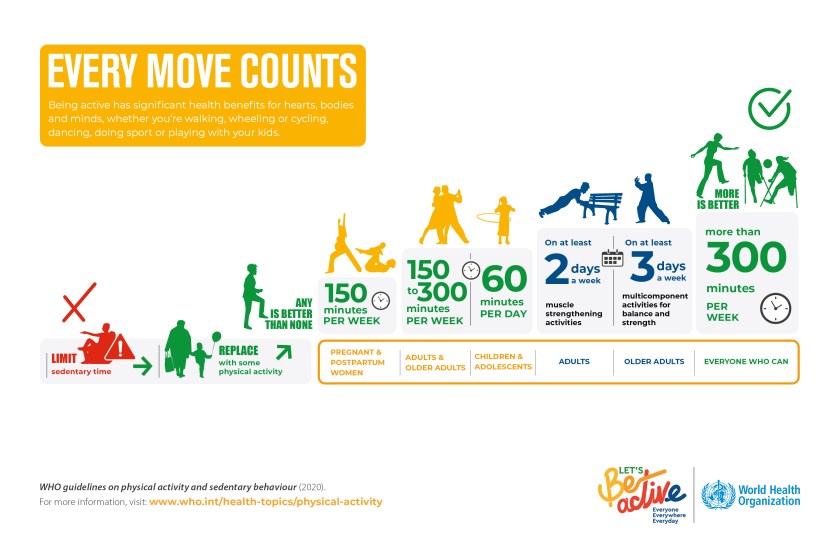
Last but not least, we all need to monitor our daily activities-what we eat, how much we sit, how much we move, and our sleep. These are all vitally important to good health, but often ignored.
Exploring the HEART of Health
Thanks to KFF Health News and NPR for this report. The cover photo is by Photo by SpotOn POS on Pexels.com.
You’ve made it through a long post with much information to digest. Take it one step at a time. One can get fatigued with too many good intentions.
Thank you for reading this post. Please follow this blog and me on social media.
I share information and inspiration to help you transform challenges into opportunities for learning and growth.
Add your name to the subscribe box to be notified of new posts by email. Click the link to read the post and browse other content. It’s that simple. No spam.
I enjoy seeing who is new to Watercress Words. When you subscribe, I will visit your blog or website. Thanks and see you next time.
Dr. Aletha
- About Dr. Aletha
- How to Use this Site
- Make Your Life Easier
- Search by Category
- Share the HEART of health
- my Reader Rewards Club
- RoboForm Password Manager