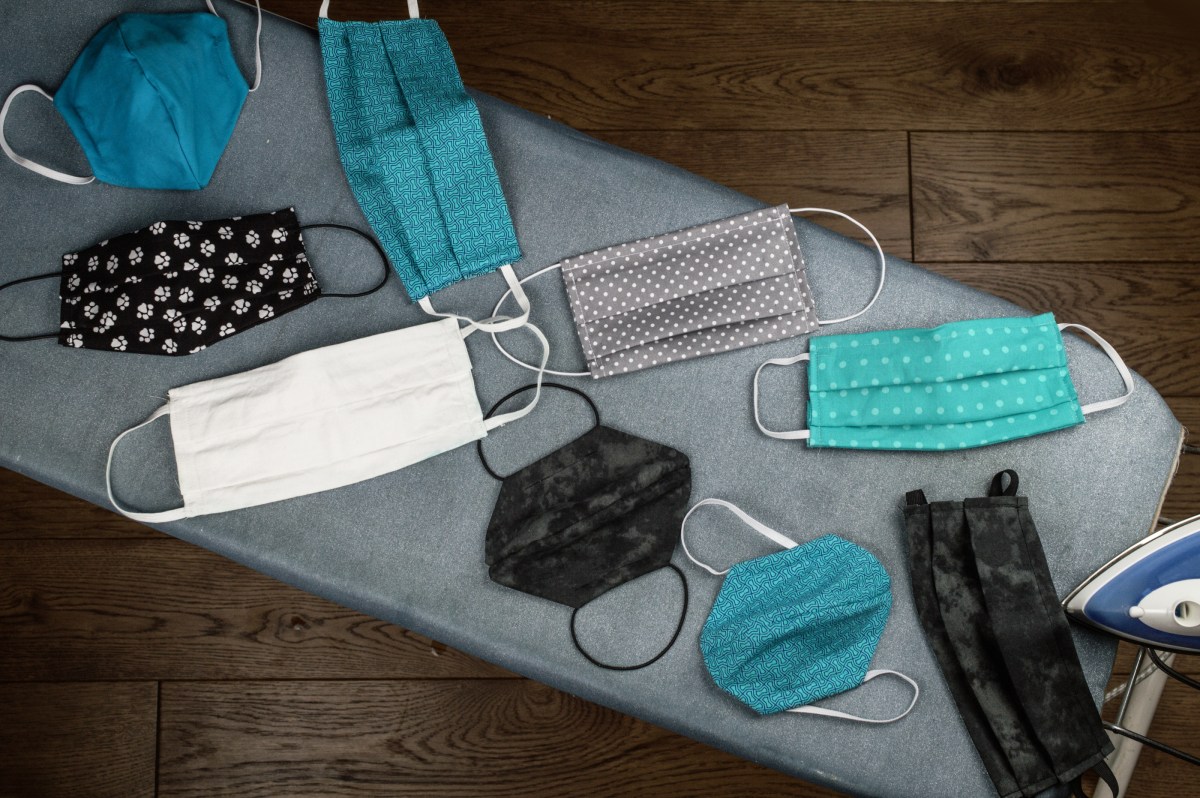
Answers to your questions about COVID-19

The post discusses COVID-19, summarizing key information from the CDC and other health agencies. It outlines symptoms, preventive measures like hand washing, and emphasizes community efforts to combat the virus. It also addresses managing anxiety and the importance of seeking support during these challenging times, highlighting the disease’s significant impact on daily life.

update February 11, 2025

The CDC website has moved all articles about COVID-19, SARS-CoV-2, into its archives. This post may have CDC links that are no longer active, or have moved. You may be directed to the new link at the CDC website.

I’ve been posting about COVID-19 regularly on Facebook and Instagram and I hope you’ve been following. If so, this post will be a re-cap; if not, I hope you learn something. Most of this information comes from the CDC, Centers for Control and Prevention, and some from state, local, and private health agencies.

You may want to proceed to this updated review of COVID-19.

Fighting COVID-19 in 2021-it’s not over yet

In this post, I’m offering a graphic review of COVID-19 and what we can still do to prevent infections IN ADDITION TO getting vaccinated. Until we achieve wide spread immunity through vaccination the risk of infection and death are still present and still just as real.

what are the symptoms of covid-19?

symptoms of COVID-19-fever, cough, shortness of breath
COVID19_SYMPTOMS

how can i keep myself and my family from being infected with covid-19?
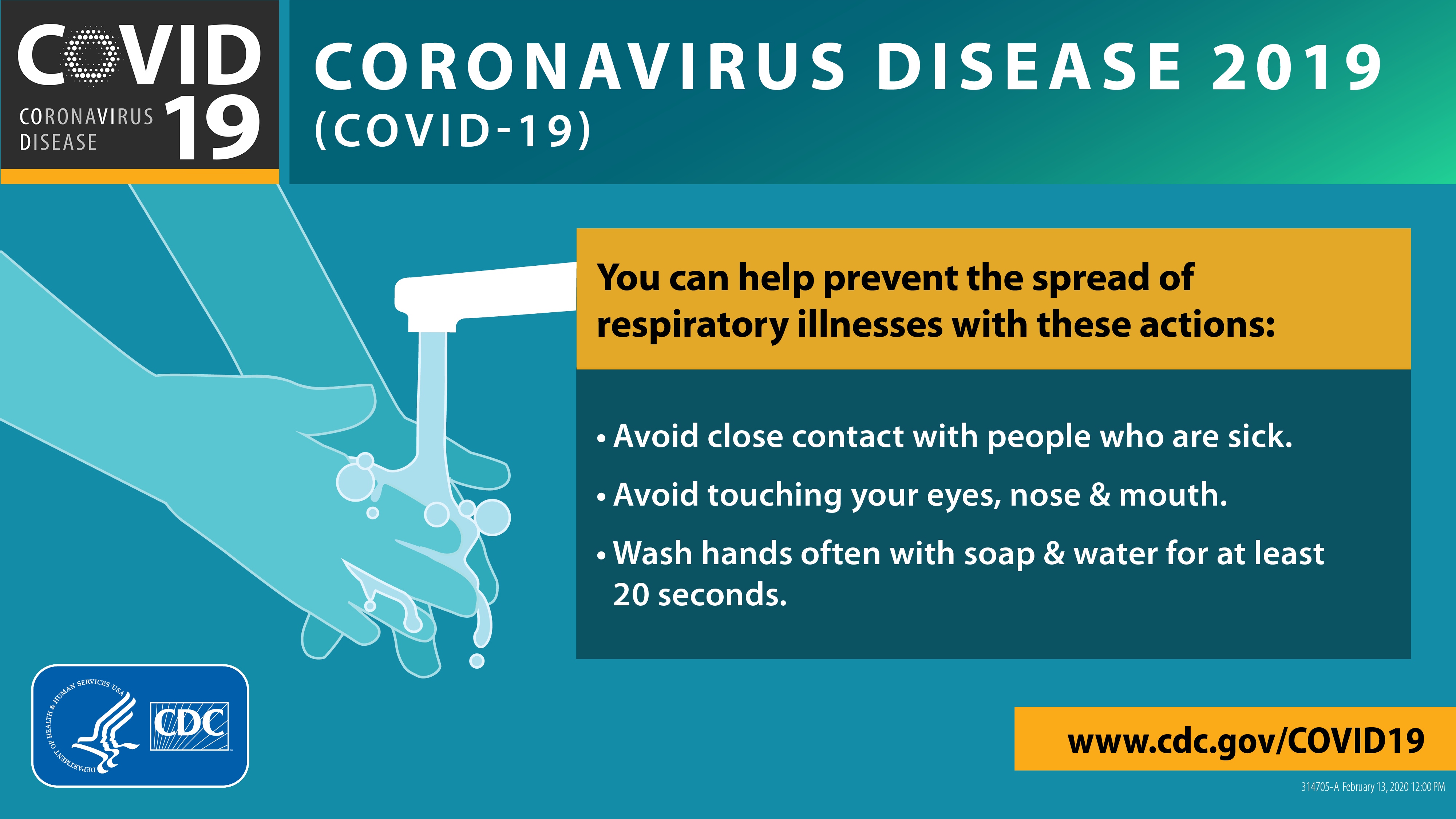
avoid contact with sick people, do not touch your eyes, nose, mouth; wash hand often
Until we have a vaccine, the single most important prevention is frequent hand washing.

how is covid-19 different from colds, flu, and allergies?
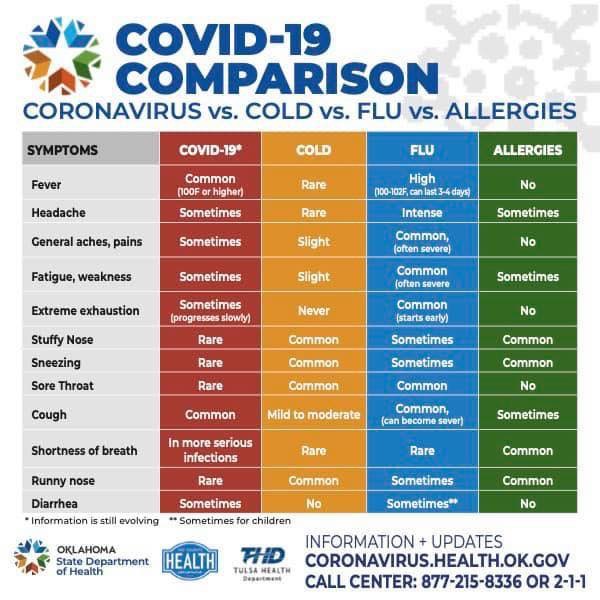
covid-19 vs other respiratory illnesses

What else can we do to stay safe from covid-19?

should we be afraid of covid-19?
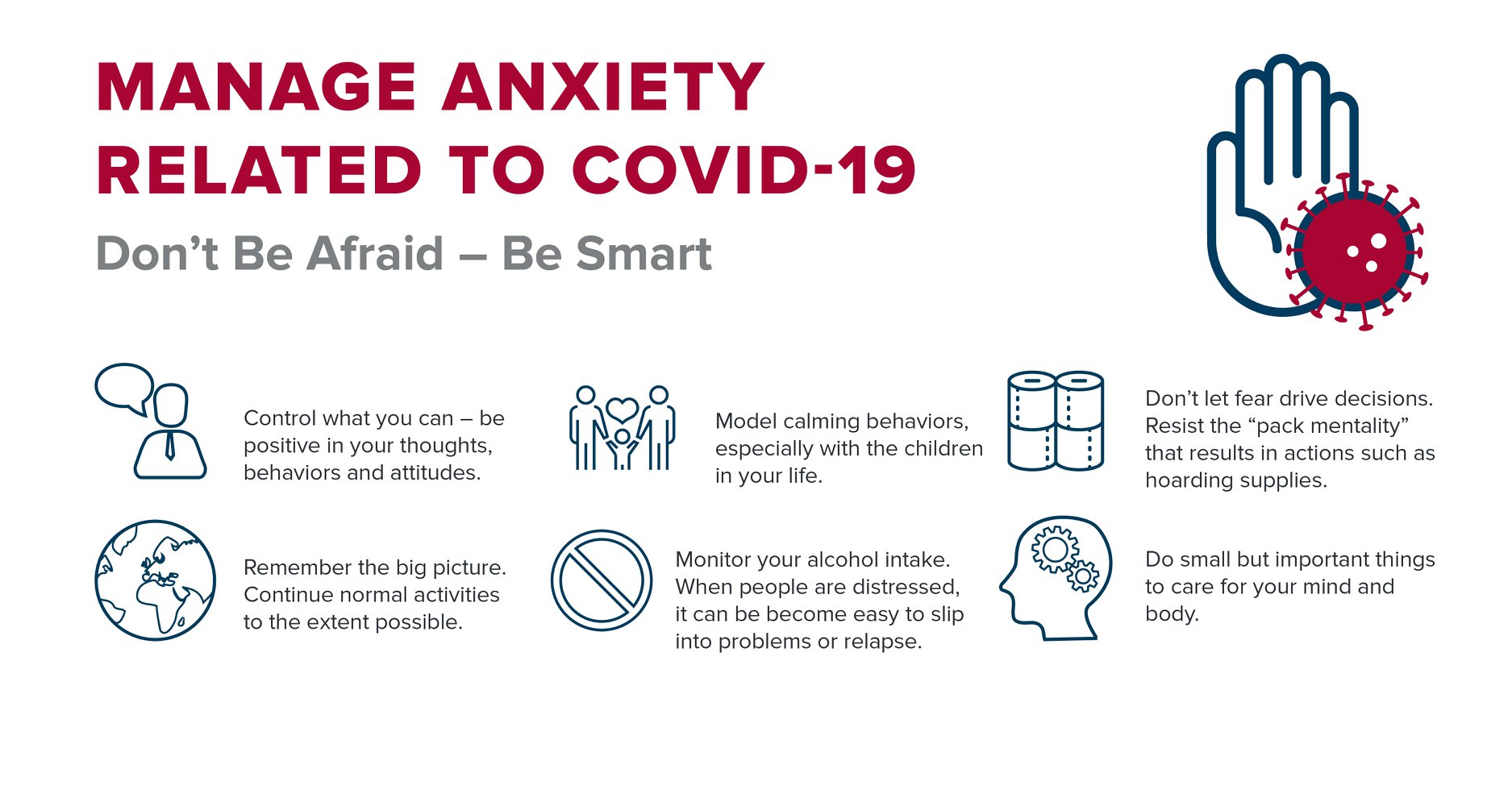
MANAGE ANXIETY-DON'T BE AFRAID-BE SMART
managing covid-19 anxiety

exploring the HEART of health by understanding COVID-19

Thanks for reviewing this outline of this new disease that we are all learning about and that has changed our lives so drastically. I appreciate the CDC and other sources for making these easy to understand graphics available.

COVID-19 is a new, serious, contagious health risk that concerns the medical community as well as government, schools, business, religious groups, charities, and private citizens. These communities have banded together quickly to develop plans to manage this threat effectively.

Just like other challenges we face, it can be daunting and sometimes scary; but sometimes that’s when we accomplish the greatest good in the long run.

At times you may feel stressed, anxious, have trouble sleeping, or feel afraid. Seek the support of family, friends, clergy, and health professionals.

And if you find your anxiety becoming overwhelming, don’t hesitate to contact someone you trust for help. No one of us has to go through alone.

Dr. Aletha
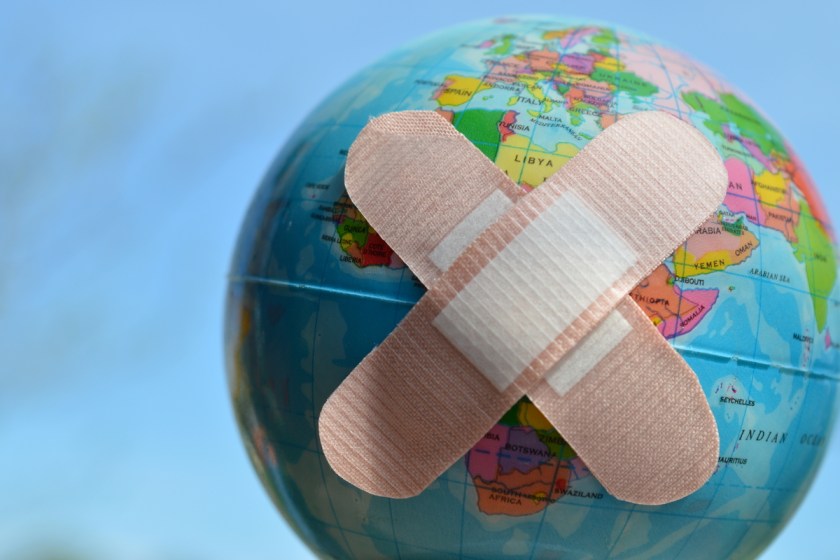
2 bandaids crossed on a world globe
photo from the Lightstock collection (affiliate link)

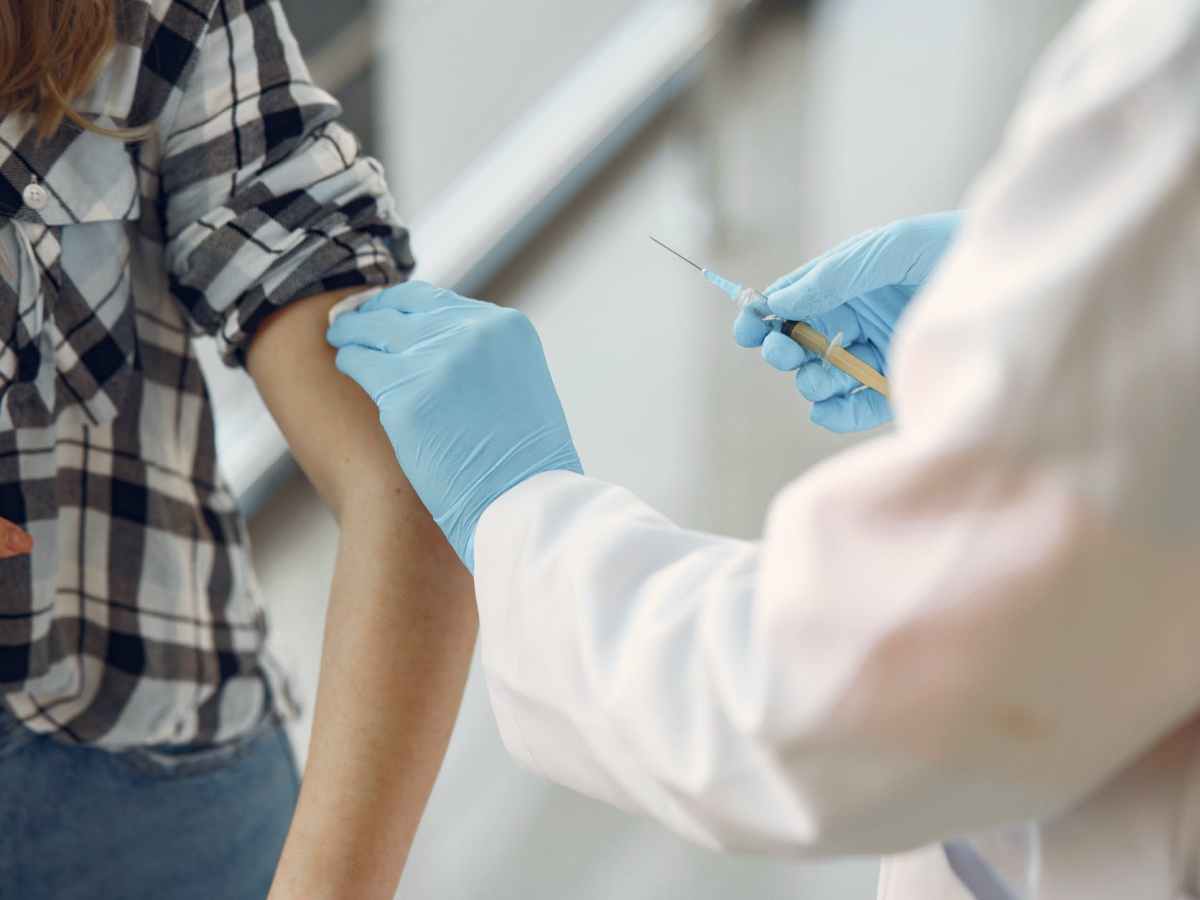
Should your family receive vaccinations? YES

This coronavirus pandemic is serious. We don’t yet have a vaccine or effective treatments. To protect ourselves, our familes, and our entire communities we should all be practicing social distancing until advised otherwise. Please review these guidelines to prevent spead of this disease.

2020 vaccination recommendations from the CDC

There is a related and updated version of this post at this link

Vital questions you should ask about immunization

This coronavirus pandemic is serious. We don’t yet have a vaccine or effective treatments. To protect ourselves, our familes, and our entire communities we should all be practicing social distancing and other hygiene measures as we wait for a safe, effective vaccine and treatments.

With a few exceptions for medical reasons I believe all adults should discuss vaccination with their physician and be immunized for any diseases for which they are at risk.

And I recommend that parents do the same for their children and adolescents.

questions to ask about vaccines and the immunization process include.

  • What contagious diseases is a person likely to be exposed to?
  • What are the risks of those diseases?
  • What are the risks of a particular vaccine for that person?
  • What are the risks versus benefits to other people?
  • What else can we do to prevent an infection?

Infectious disease control methods

The  developed countries  have eliminated or controlled many of the environmental sources of contagious disease by manipulating our environment.

  • indoor plumbing
  • water treatment facilities
  • screens on windows
  • air purification
  • wear gloves to prepare food
  • inspect restaurants
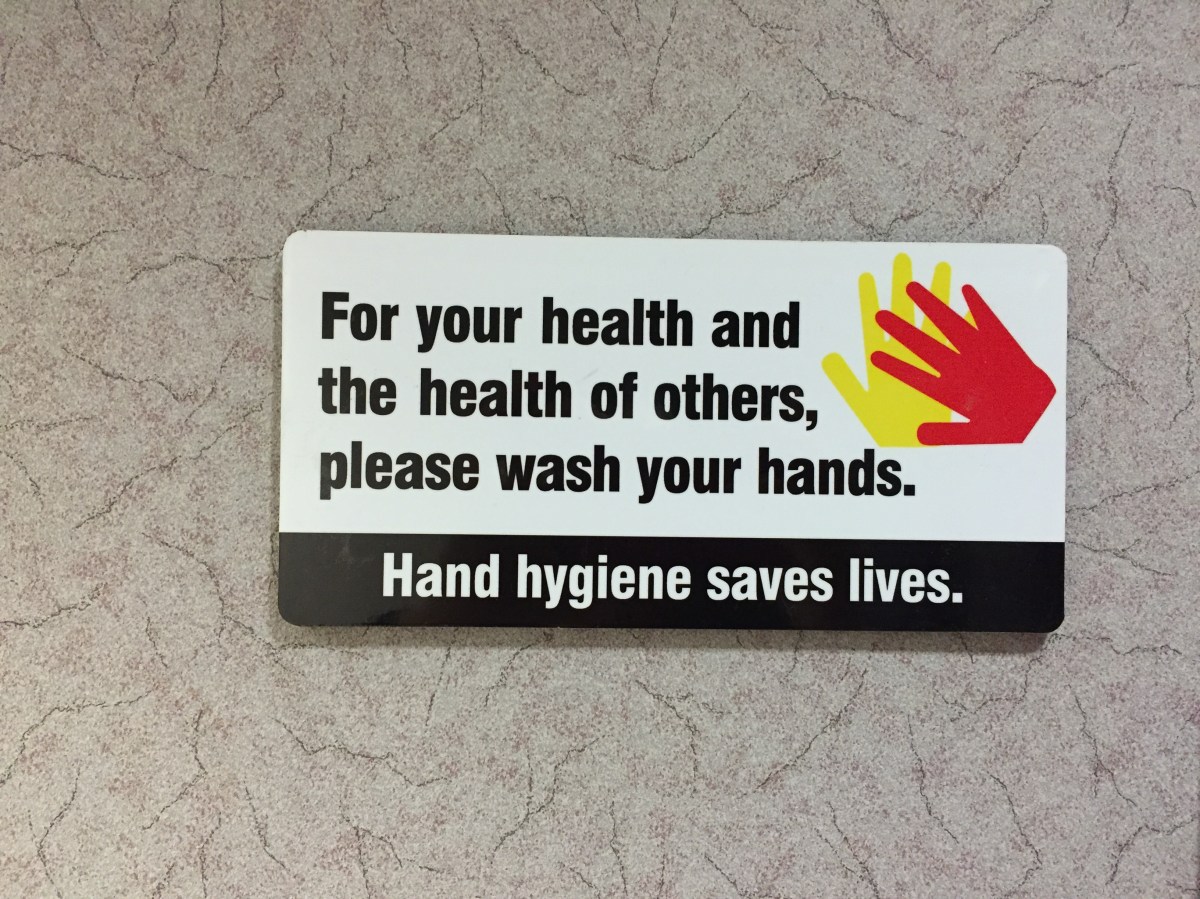
  • signs in public restrooms reminding us to wash our hands.
Hand hygiene saves lives.
Hygiene remains vital to infection prevention even when immunizations are given.

However, we haven’t eliminated another source of infectious disease- other humans.

Rarely do we isolate or quarantine people with infections. Most of us have gone to work, school or social events with symptoms suggestive of infection- a cough, runny nose, upset stomach- putting our friends and colleagues at risk.

This coronavirus pandemic is serious. We don’t yet have a vaccine or effective treatments. To protect ourselves, our familes, and our entire communities we should all be practicing social distancing until advised otherwise. Please review these guidelines to prevent spead of this disease.

15 DAYS TO SLOW THE SPREAD

RESOURCES FOR understanding COVID-19

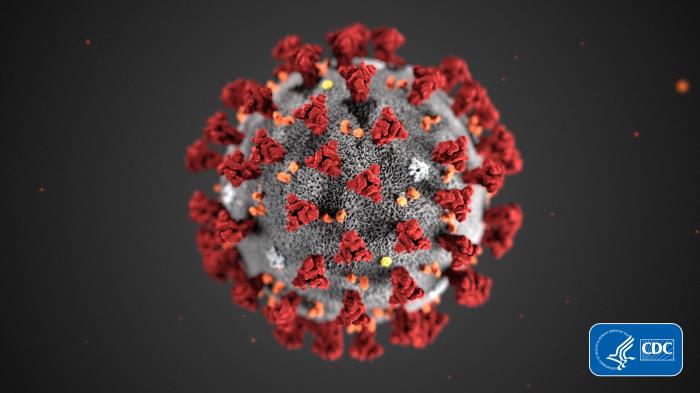
an electron microscope image of the coronavirus
used with permission, CDC.GOV

Tips from your Family Doctor

CDC-Coronavirus Disease 2019

exploring and sharing the HEART of health

Thanks for reading and sharing this important information about protecting the HEART of health.

Dr.  Aletha 

These may be good options as long as we need to stay in our homes.

a way to exercise at home

a way to get medical supplies delivered

a source for food if you don’t have local delivery

homeschool resources