Simple and effective ways to manage chronic pain -part 2 of a series

The most important ingredient in managing a chronic or persistent condition is having a therapeutic relationship with your physician and other healthcare professionals- physical therapist , mental health counselor, nutritionist.

In a previous post I talked about non-drug methods to manage pain in the spine-neck and back. You may want to review it now, but reading  this one first is fine. This post will focus on other painful conditions.

While people often discover methods to relieve pain that work for them, I am focusing here on treatments that are supported in the medical literature or recommended by knowledgeable professionals. For this post, I reviewed many articles which summarized current studies.

Finding trustworthy medical information

How do doctors know what works and what doesn’t? Since medical knowledge has changed since we went to medical school , how do we know what is current information?

We read literature pertinent to our fields on a regular basis, attend conferences, and talk to other doctors. But when we need a specific question answered , we do what you do-we Google it.

shelves in a library with adjacent computers
the Centers for Disease Control and Prevention (CDC) Library, located on the organization’s campus, in Atlanta, Georgia. The CDC collections span the field of public health. Print and electronic resources cover such topics as disease prevention, epidemiology, infectious diseases, global health, chronic diseases, environmental health, injury prevention, and occupational safety and health. The main library in Atlanta and selected branch libraries are open to the public. used courtesy CDC/ Emily Weyant; MSLIS; ORISE Fellow

One of the most frequently reviewed is PubMed listing  more than 28 million citations for biomedical literature from MEDLINE, life science journals, and online books. The service is free and anyone can use it. PubMed is a service of  the National Library of Medicine, the largest biomedical library in the world ,located in Bethesda, Maryland,

Another major reference is the Cochrane Library, a collection of databases in medicine and other healthcare specialties ; a fee is charged to use this service.

Basic points about complementary treatments for pain management

We should use medication and surgery when appropriate, but when these can’t be used or are not helpful, we can consider alternative methods, or what I and other doctors prefer to call complementary or integrative treatment.

This post focuses on symptom relief, not necessarily curative treatment.

Herbals and supplements are drugs and can be effective for certain conditions, but this post will discuss non-drug treatments only.

Many cases of pain improve spontaneously with no specific treatment.

Almost everything works sometimes.

There are few if any down side to any of these treatments. Used under supervision they are unlikely to have adverse side effects or result in long term complications.

The most important ingredient in managing a chronic or persistent condition is having a therapeutic relationship with your physician and other healthcare professionals- physical therapist , mental health counselor, nutritionist.

SIMPLE AND EFFECTIVE WAYS TO MANAGE CHRONIC PAIN-WATERCRESSWORDS.COM

Migraine

Migraine is more than just a bad headache; it is a disorder of the brain which causes pain as well as other common symptoms including nausea, vomiting, and sensitivity to light and noise.  Dizziness, numbness, and  loss of vision occur less frequently.

diagram of the human brain.
The major parts of the brain, including the pineal gland, cerebellum, spinal cord, brain stem, pituitary gland, and cerebrum are labeled. I photo courtesy of Source: National Cancer Institute Creator: Alan Hoofring (Illustrator)

Most people with migraine require some type of medication for relief, but non-drug treatments can supplement meds and can be helpful for prevention. Integrative treatments that work according to studies include

  • acupuncture
  • biofeedback
  • CBT-cognitive behavioral therapy
  • exercise
  • meditation
  • relaxation training
  • yoga

Fibromyalgia

I mentioned fibromyalgia in my post about back and neck pain, but  include it here  since it causes pain in other body areas.

Fibromyalgia seems to be a disorder of nerves which makes them super sensitive, leading to diffuse muscle and joint pain that can become disabling. Complementary treatments recommended include

  • Mind-body-guided imagery, hypnosis, biofeedback, mindfulness meditation , relaxation
  • Tai chi
  • Hydrotherapy, balneotherapy

Osteoarthritis of the knees (degenerative arthritis)

It is likely that arthritis in other joints responds to these therapies but there aren’t enough large studies to confirm.

  • Acupuncture,
  • tai chi
  • walking and  strengthening exercises
  • Balneotherapy-bathing in hot water mineral baths

people in a gym exercising
photo courtesy Amanda Mills, CDC.gov, Public Health Image Library


Tessa Frank  discusses how she became frustrated when increasing doses of opioids didn’t relieve her chronic pain, and what she’s doing now to manage her pain.

How I’m Managing My Chronic Pain Without Opioids

“While I no longer use opioids, I do use non-opioid prescription medications and a spinal cord stimulator to provide pain relief for my CRPS, complex regional pain syndrome, a chronic, debilitating neuropathic pain condition.

I’m also hyperaware of how stress triggers my increased feelings of pain, so to mitigate stress, I personally have found relief in meditation, relaxation and yoga among other approaches.” (excerpt)


If you didn’t read it earlier, here’s a link to the previous post about treating pain, along with a brief excerpt.

Surprising effective ways to relieve back pain

“Pain in the spine results from many medical conditions, ranging from minor to life threatening. Most cases are due to routine or excessive physical activity or a minor injury causing strain of the muscles, tendons, and ligaments, and will go away with no or minimal intervention in less than 12 weeks.”


The affiliate product links in this post are for illustration and information only, and do not imply endorsement.

I am grateful when you like and share this post on social media.

Please consider helping support this blog by using my affiliates. You’ll find links in the side bars, on the home page, and on the resource page.

In a future post I will talk about  non-drug treatments for other conditions.

always exploring the HEART of health with you.

                       Dr. Aletha  WATERCRESSWORDS.COM-exploring the HEART of health

7 underused medications

Here are 7 medications we should use more often

This week I discuss 7 groups of medications that are underused. ( A previous post discussed 7 that are overused. ) Both of these posts contain a lot of information and several links; you may want to bookmark to review later. (This post also has affiliate links, which when used to make a purchase, help fund this blog. )

I call these drugs underused.  However, I do not mean

  • That you should always take them
  • That you should start using them
  • That your doctor should prescribe them
  • That you should take them even  if your doctor recommends against them
  • That they are good or perfect drugs

We should think more about when, why and how to use these drugs.

By drugs and medications, I consider any substance we put into our bodies to treat or prevent a disease or symptom, whether prescribed or over-the-counter (OTC), synthetic or “natural”. I’m not considering foods nor any substance that is illegal or mostly recreational in this discussion.

I picked classes of drugs that I am familiar with as a family physician, excluding highly specialized medications like cancer chemotherapy, cardiovascular drugs, anti-rheumatics and neurological drugs.

I based my assessment on my experience as well as medical literature and the opinions of other physicians. As always, your best source of information about the right drugs for your conditions is your personal physician.

I easily came up with the list of 7 overused drugs but this list was harder. I tend to be a minimalist in using drugs, both in prescribing them for patients and in using medication myself. But once I started considering the issue, I realized there are helpful meds that can be better utilized.

No smoking sign
Smoking cessation meds are available and effective.

Smoking cessation medications

I suggest  reviewing 7 surprising reasons to be smoke free 

Many people use e-cigarettes as a way to stop smoking cigarettes. But other smoking cessation aids are available and effective. There are several types of nicotine replacement products as well as non-nicotine pills which help with the craving for cigarettes. Patients sometimes complain about the cost of these products but if you are already paying for cigarettes, what’s the difference? And you may qualify to get them free through the smoking hot line www.quit.com.

Allergy medication

Many people suffer from seasonal or year round allergy symptoms-sneezing, itching, runny nose, itchy/watery eyes. Once you get the diagnosis confirmed, effective medications available without a prescription  can manage the symptoms.  The key is using them soon enough and consistently enough. Sometimes finding the right ones is trial and error. I see people give up too quickly.

Asthma control medications

In the last post I talked about the overuse of rescue inhalers. Persistent wheezing and shortness of breath indicate uncontrolled asthma that will not be completely controlled by using a rescue inhaler over and over.  You should check with your doctor as to if and  when it is wise to  start or stop an asthma maintenance medication.

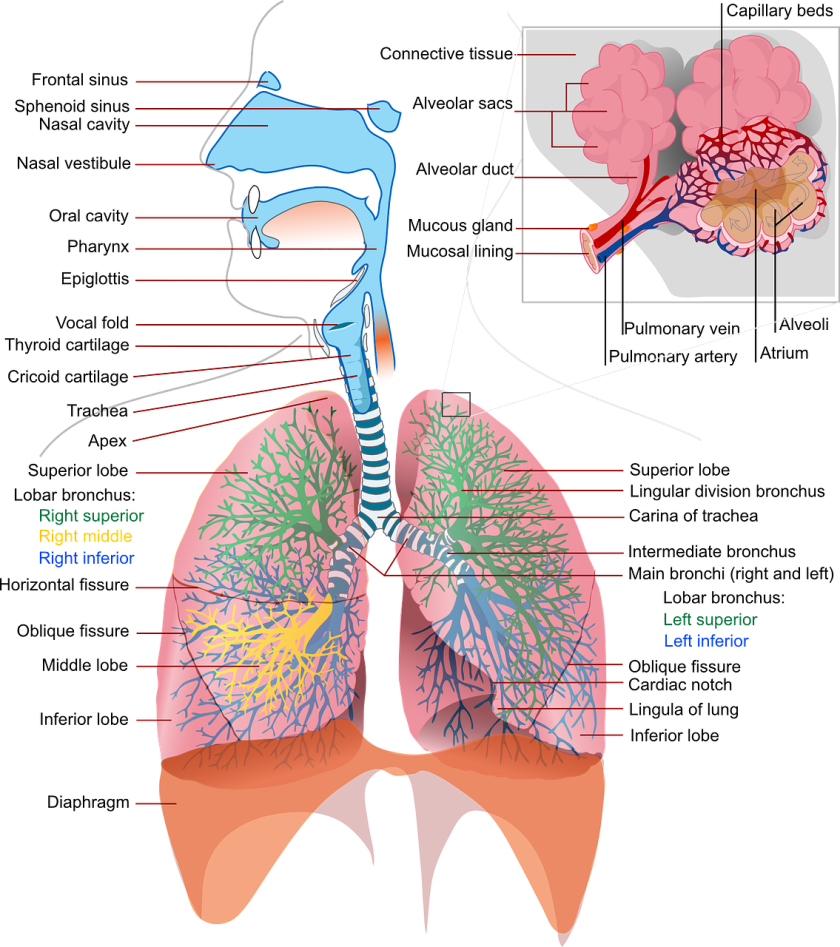
The human respiratory system
Respiratory allergies and asthma involve the breathing tract from the nose all the way down to the lungs. (photo complimentary from Pixabay)

Migraine medication

Most people with “sinus headaches” have migraine, a complex disorder that involves more than a headache. While many sufferers get relief with OTC pain relievers, many do not. Opioid pain medication does not work well for migraine but there are other prescription options, mainly the triptan drugs. I find that many patients with migraine have never tried these, or the various preventive drugs available. It’s worth talking to your doctor about these options.

Psychotropic medications

While milder forms of depression and anxiety can be managed without drugs, the more severe forms often require medication to achieve remission. In cases where one’s personal life and work suffer due to a mental illness such as severe depression, mania, panic disorder, PTSD, and alcoholism,  medication may restore control and function. Unfortunately, many of these people quit medication once they feel better, and ultimately relapse.

Anti-viral medications

In my last post I told you we use too many antibiotics, drugs used for bacterial infections. We mistakenly use them for viral infections like colds and bronchitis even though they don’t help. We don’t have anti-viral drugs for colds, but we do have some for other viruses. You may already be familiar with the use of oseltamivir, Tamiflu, used both for prevention and treatment of influenza (flu). 

Here are 6 things you need to know to get through the flu season

Antiviral meds  are available for these infections- 

  • HIV-human immunodeficiency virus
  • HBV, HCV- hepatitis B and hepatitis C 
  • HSV, HZ – herpes simplex virus and herpes zoster (shingles).

For many of these, treatment needs to be started very soon after onset of symptoms, within a few days, for maximum effectiveness.

Supplements

This class made both lists. While there is little evidence that supplements in general are helpful, medical studies suggest some specific ones may be effective.  

Folic Acid, also known as folate a B vitamin (B9) . The USPSTF recommends folate intake for women who may become pregnant. Medical studies suggest that taking folic acid during pregnancy decreases the risk of neural tube defects such as anencephaly-impaired brain formation and spina bifida- spinal cord malformation. All women with childbearing potential should take 400 to 800 micrograms daily. Learn more at this link 

Fish oil lowers blood triglyceride (fats) levels. Triglycerides contribute to heart attack risk but we don’t know if lowering them with fish oil  decreases the risk. It is available as both OTC and prescription versions.

The herb ginkgo biloba improves mental and behavioral function in people with dementia, including Alzheimer’s patients. Results were similar to those for the prescription Alzheimer drugs.

Probiotics, such as Lactobacillus, Bifidobacterium and Saccharomyces can prevent or limit diarrhea from antibiotics. They should be started within three days of starting  the antibiotics and continued for one week after.

St. John’s  Wort (Hypericum perforatum) shows effectiveness for treating mild to moderate depression.

This information is presented for your information only and should not be considered a recommendation for treatment or prevention of any condition.

Discuss the use of these medications with your personal physician if you think they may be helpful for you. 

Please follow this blog for future discussion of non-drug treatments for several common conditions, including allergies, colds, migraine, insomnia, pain, depression, and anxiety.