How a woman doctor finds joy in an unexpected way

I’m sharing with you a guest post from another woman doctor who faced a similar dilemma (most of us do) . She solved her problem in an unconventional creative way. I think you will enjoy meeting Dr. Joanne Jarrett

When I finished my family medicine residency many years ago, I was excited to start practicing medicine for real. I joined the staff of a small town hospital (the only female doctor by the way) and soon was busy treating patients in the clinic, rounding on hospital patients, delivering babies, and covering the emergency room.  I enjoyed doing what I had dreamed of and trained for, but eventually found I spent more time there than with my husband and toddler son.

Since we were planning on adding a second child, I knew I could not sustain that pace. Fortunately I found a position with a medical group in a nearby city where my schedule would be more predictable, with no obstetrics or ER responsibility.

I’m sharing with you a guest post from another woman doctor who faced a similar dilemma (most of us do) . She solved her problem in an unconventional creative way. I think you will enjoy meeting Dr. Joanne Jarrett, who blogs at Creating Cozy Clothes .

My Unexpected, Crazy Journey from Medicine to Fashion

By Joanne Jarrett MD

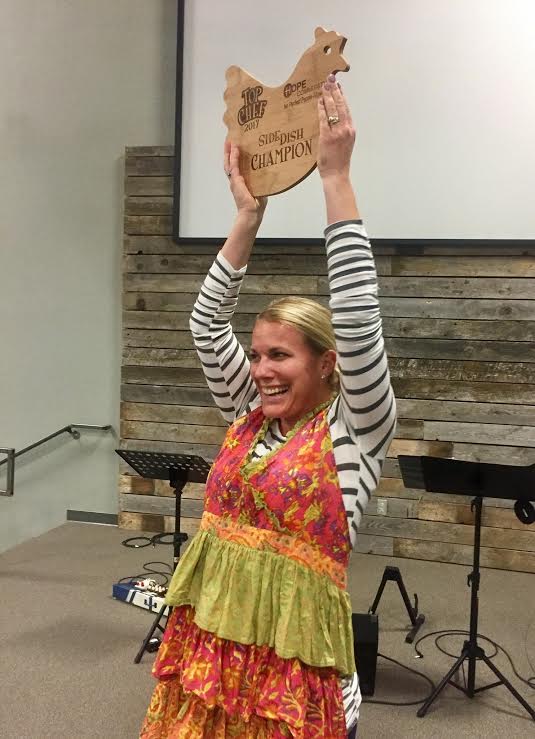
woman in an apron holding a wooden sign-
Dr. Jarrett enjoys cooking too.


Hi! My name is Joanne Jarrett, and I am a retired family physician. Not the “golden years” kind of retired, but rather the “retired sounds better than I quit” kind.


a career in the making

If you’d told me in my twenties that I would be designing loungewear for women and preparing to move to a farm in rural Montana in my mid-forties, I’d have said you had the wrong girl. I was a determined, sharp, ambitious, successful medical student and resident, and I was planning to have it all.

My husband and I wanted kids, but that would have to wait until all of our training was complete. We took turns going through our residency programs, and we moved home to Reno, Nevada from a two year stint in Lincoln, Nebraska with 24 weeks of my first pregnancy under our belts and a new practice to run.

Needless to say, my being a stay-at-home mom was not plan A for our family.


a fast track career

When I became pregnant, I was working a full time family practice, seeing patients at 3 hospitals before and/or after my full day, doing urgent care some nights and weekends, and taking call for our large group a week at a time every 7 weeks. I knew that schedule was completely incompatible with motherhood, but we thought I’d work 2 or 3 days a week and have my mom nanny while I worked.

Then Delaney was born, and reality set in.

I realized that I didn’t have room inside of me to be the physician my patients deserved and to be the wife and mother I wanted for my family. I already knew that during those 6 years of marriage before kids I worked hard all day, gave every bit of myself away piece by piece, and then came home and offered my husband the crappy leftovers. He knew how hard I was trying and didn’t complain much.

It worked, but a baby tipped the scales. We couldn’t both work jobs where emergencies make the schedule predictably unpredictable. I was exhausted and knew there was no way I could face the emotional lability and intellectual demand of being a physician in my state. And I loved being with that baby girl. When I was away from her I felt an undeniable tug back.

Then Bailey arrived less than 2 years later and it was decided. I was staying home. For good.

a career crossroads

At first, I was in survival mode and didn’t care about the changes I saw in myself. I just wanted sleep and ice cream. But eventually I started to wonder if who I used to be would ever matter again and how to find her.

Over a decade in, that woman is back. But she’s better than she used to be. More patient. More settled. More fulfilled. Less scared. Looking back, I’ve transitioned from professional to harried new mom to seasoned household CEO, self respect and vigor for life mostly intact!

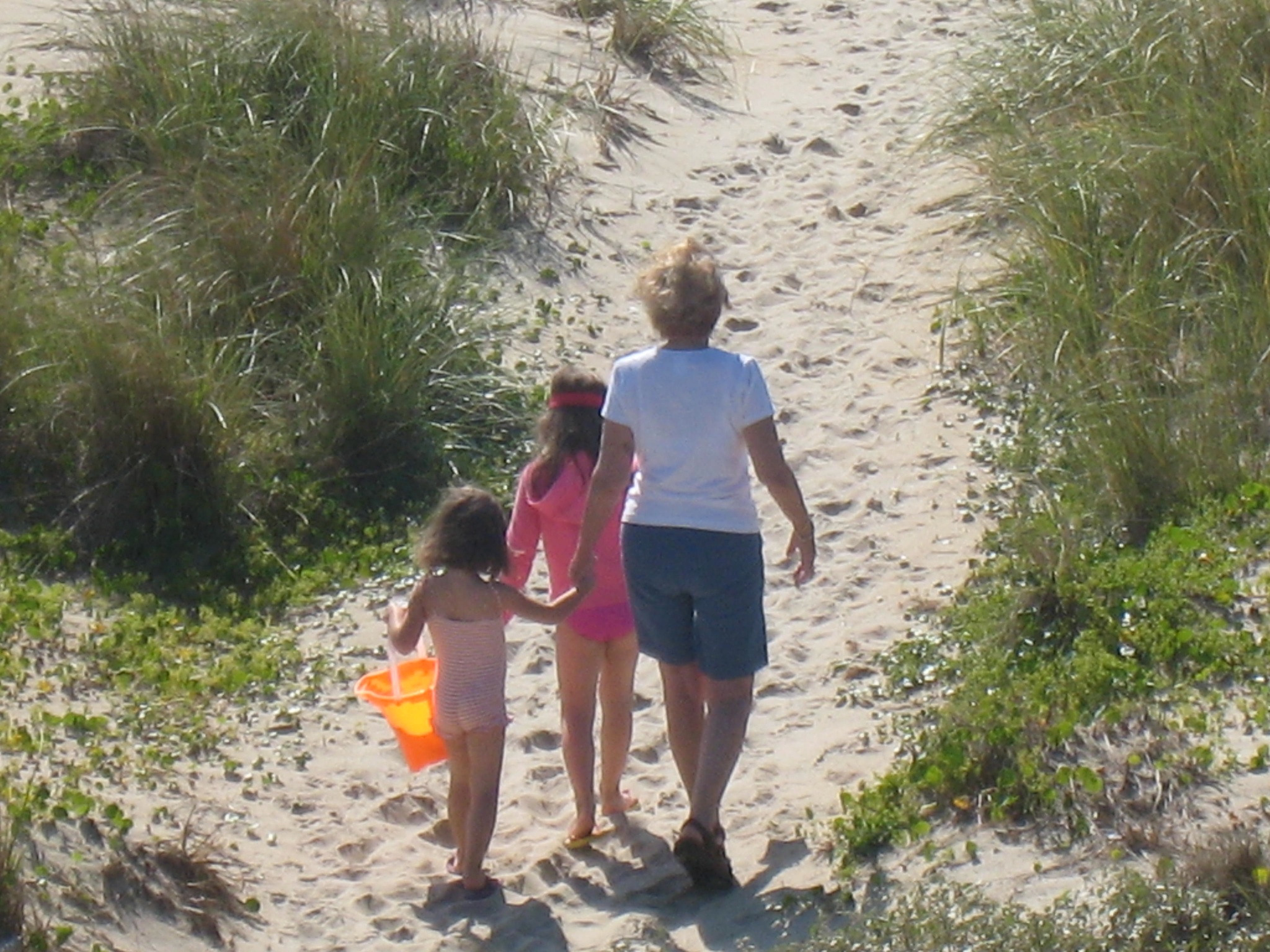
a woman walking with two girls on sand
Dr. Joanne’s grand mother  with her daughters


Running my family has been pretty much all consuming, but I’ve always had a creative side and, through the years, I have developed hobbies that foster that. Scrapbooking made sense when the kids were babies. Combining creativity with a means of wrangling the millions of photos we were taking was a win win.

A limited decorating budget and a very picky décor taste lead to me borrowing my mom’s sewing machine and making an entire house worth of curtains, learning on the fly.


And I have always had a thing for wrapping a beautiful gift. To the point where I have a whole wall full of paper, ribbons, and other do-bobs to help me wrap a stunner at a moment’s notice.

Sewing flat, square things like curtains and pillow covers slowly evolved into kids’ costumes and then street clothes. I have a thing for fabric, and the combination of creativity and precision that following a pattern requires satisfies my creative flair and my bent towards the analytical.

I began altering clothes in my closet to better fit my (ever varying, eye roll!) shape and began seeing the potential in clothes instead of the mere reality of what was on the hanger.

I also have a passion for downtime. This wasn’t always the case. Scott and I have been married 20 years, and at first I had no idea how to relax. Saturday would come and I’d say, “What do you want to do today?”

From the couch, he’d say “this!”

My skin would crawl .I just didn’t know how to have a recovery or leisure day.

Well, I’ve learned well! You’ll never catch me hanging around at home in my jeans and underwire bra. Huh-uuuuh! As soon as I get home at the end of the day, I head straight to my closet to get into my cozy clothes. I live in them when I’m home. Even if I’m busy with this and that, I like the psychological change triggered by putting on those comfy clothes.

But those clothes aren’t perfect. I’m setting out to change that! We need a little coverage and support despite that fact that the bra is off the team at home. I discovered shelf-bra camis and began wearing them as loungewear and pajamas. I could never figure out why this concept wasn’t expanded into other pieces.


a career changes directions

After years of googling “shelf bra pajamas” and “shelf bra nightgown” and coming up with nothing except slinky lingerie (get real!!), I decided to design a line of cozy loungewear for women who want to be comfortable at home in something soft, cute, flattering and supportive. Something that feels and looks great to wear in the “no bra zone” but that is fit for public consumption should the need arise. I figured if I couldn’t find them, I’d make them and maybe other ladies will like them too.

And not all shelf bras are created equally, if you know what I mean. I set out to design the perfectly soft but flattering shelf that has enough thickness for coverage and enough separation to look great. I embarked upon a know-nothing journey into apparel production and have learned an entirely new industry over the last year.

I call the line “Shelfies.” Shelfie Shoppe launched on May 8th , taking preorders as part of a Kickstarter campaign to fund the first production run. I’d be honored if you’d click the link and check it out!

And because life is crazy, on June 20th my entire extended family is making a northerly migration from Reno to rural Montana. We are moving to the town of Huson, 20 miles outside of Missoula, to a farmhouse on 20 acres with a river running through it (no, really!). The four of us will live in the house, my parents and two aunts are building a barn residence next to the house, and my sister and her family have purchased a home a few miles away.

So we don’t have much going on!

What are you doing with your life that you could never have predicted a decade or two ago? Leave a comment and let me know!

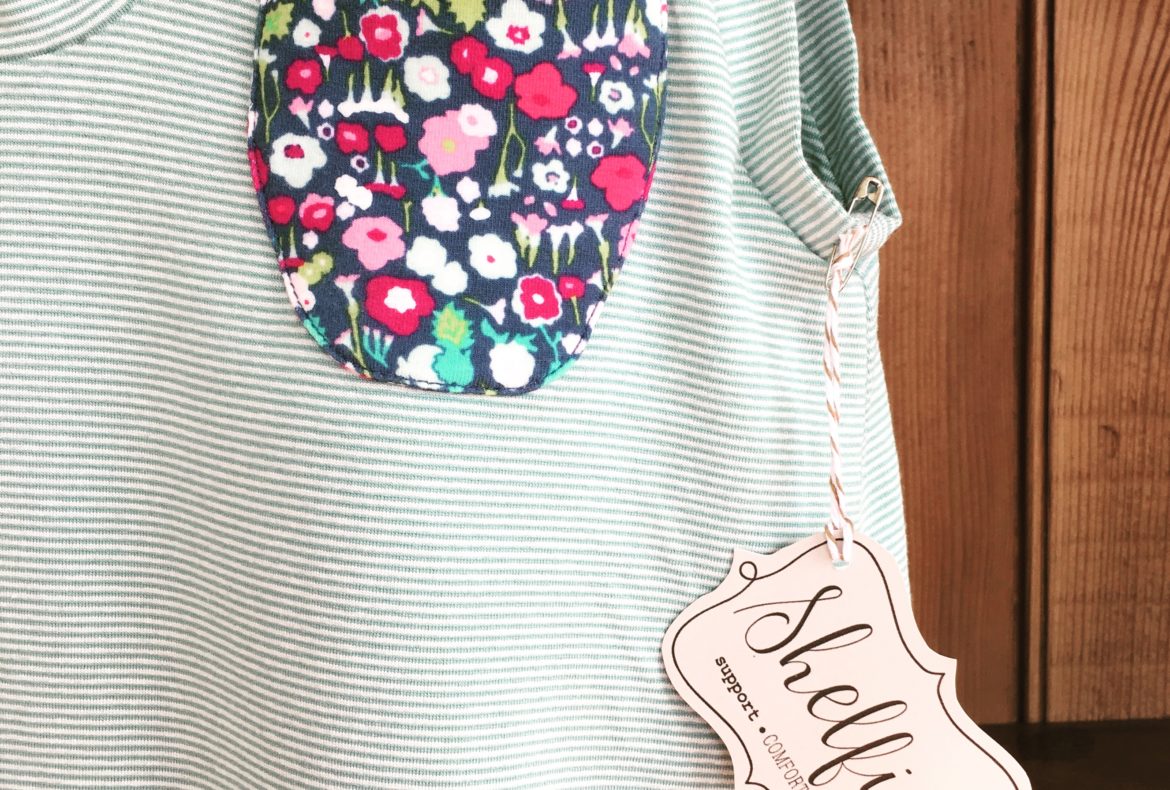
a shirt with a tag-shelfie


update June 15, 2018

I’m happy to report that Joanne’s Kickstarter campaign is complete and Shelfie Shoppe is fully funded! I committed and will receive one of her “cozy” dresses as my reward.


Whether  you need “cozy clothes” or not, I think we can all learn a lesson from Joanne’s life.

When the circumstances of life leave us feeling

  • impatient

  • unsettled

  • unfulfilled or

  • scared

 we may need to evaluate if change is necessary.

It may not be as drastic a change as she made, but even small steps can get us to a place where we can use our talents and passions to create a life that satisfies us and blesses others.

Please  spend some time on Joanne’s blog. She has a variety of posts on health, family, kids, food, and humor. Here’s a sample of a hilarious but thoughtful post about

Why I’m glad I got toilet paper stuck to the seat of my pants


a wooden door with a heart shaped hold


And please follow watercress words and me on social media, and explore the

                   HEART of health with me.                 Dr. Aletha stethoscope with a heart

The surprising new doctors caring for you

Who will be your next doctor? What will your future doctor look like?

Your doctor within the next 10-20 years is likely in medical school or a residency program in a United States medical center right now. Within 1-10 years, they will join the ranks of practicing physicians, while some currently in practice will change to a non-clinical job, retire, or die.

Who will be your next doctor? What will your future doctor look like?

Find out at the updated version of this post-here is the link.

Meet the new doctors caring for you soon

Your doctor within the next 10-20 years is likely in medical school or a residency program in a United States medical center right now. Within 1-10 years, they will join the ranks of practicing physicians, while some doctors currently in practice will change to a non-clinical job, retire, or die.

More women physicians are coming

For the academic year 2016-2017,  83,000 students, attended United States medical schools ,  slightly more males than female. However, in 2017, the entering class of medical students was slightly over 50% female, for the first time ever.

CELEBRATE WOMEN IN MEDICINE MONTH#WIMmonth

According to the Association of American Medical Colleges, since 2015 the number of women students has increased by 9% while the number of men has decreased by 2 %.

And already, the majority of  young practicing physicians-under age 40 years old-are female.

So you are likely to be treated by a female physician eventually, if you haven’t already,  especially if you go to a primary care doctor. Gynecology and pediatrics  residency programs are now overwhelmingly comprised of female residents.

Ethnic diversity is still low but is improving

Entering classes at the nation’s medical schools continue to diversify.

From 2015 to 2017, black or African American students increased by 12.6%, and those  who were Hispanic, Latino, or of Spanish origin rose by 15.4%.

a male doctor holding a tablet

However,  medical students and residents, both male and female, are still predominantly white. The ethnic percentages of most other students is far below their representation in the general population. Based on self-identification, race and ethnic origin of medical residents includes

  • White-60%
  • Black- 7%
  • Hispanic(any race)- 6%
  • Asian-26%
  • Multiracial- 3%
  • Unknown/other-7%
  • Native American/Alaskan/Pacific Island -less than 1%

How many U.S. physicians are foreign born ?

Will your physician come from another country?

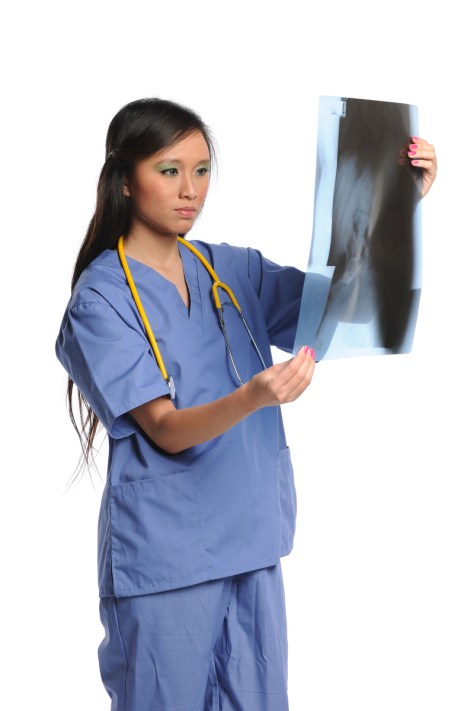
Female doctor looking at an xray

70% of  U.S. medical residents are native citizens,  8% are naturalized citizens and 6% are permanent residents. ( adds to less  than 100% due to some status’ unknown.) 

Credentials of today’s physicians

The average grade point of entering medical students was 3.56.

77% had done some type of volunteer medical service .

77% have experience in medical research.

These statistics gleaned from JAMA, December 19, 2017 

Goals of new physicians

An Association of American Medical Colleges  annual survey of entering medical students found:

  • More students indicated that having a work-life balance rather than a “stable, secure future” or the “ability to pay off debt” was an “essential consideration” in their career paths after medical school.
  • Nearly 30% of new medical students indicated plans to eventually work in an underserved area.

The specialization of medical care- the good and the bad

March 16 was Match Day. Not a match as in color choice for an outfit nor a match as in finding a spouse, but the concept is similar.

On Match Day,  graduating medical students learn which  residency program they will enter through the National Resident Matching Program , which “matches” them with available positions in residencies at medical centers all over the United States. A kind of medical “matchmaking” you could call it.

Why should you care? This matching process determines who will care for our medical needs in the next 30-40 years; our family physicians, internists, pediatricians, general surgeons, obstetricians, and the multitude of other medical specialties. Most doctors will continue in the same speciality their entire career, although some  switch after a few or many years.

doctor talking to a woman
Ted Epperly, M.D., consults a patient at his practice in Boise, Idaho.photo compliments American Academy of Family Physicians

Some medical students know what speciality they want to pursue before they enter medical school, while others decide after trying the different types of medicine while students. We still have the traditional specialities that most students enter- (there are also many subspecialities under each of these categories.)

Primary care 

  • Family medicine
  • Internal medicine -(adult medicine)
  • Pediatrics-children and adolescents
  • Obstetrics/Gynecology- care of women’s health and pregnancy

Surgical specialities

  • General Surgery-  surgery on skin and internal organs
  • Orthopedics-bones and joints
  • Otorhinolaryngology- ear, nose, throat
  • Ophthalmology-eyes
  • Neurosurgery-the brain, spine, nerves
  • Plastic and Reconstructive surgery
  • Cardiac and vascular surgery

Others 

  • Dermatology-skin
  • Psychiatry-mental health
  • Anesthesiology-surgical sedation and pain relief
  • Emergency medicine- emergencies and trauma
  • Radiology- xrays and other imaging-CT, MRI, US
  • Pathology-laboratory medicine
  • Allergy
  • Physical medicine and rehabilitation
  • Oncology-treatment of cancer
  • Integrative and complementary medicine

As medical care has become more complex and technological, so have the specialties of physicians. This has produced a plethora of new highly specialized fields of practice.

  • Sleep medicine
  • Medical genetics and genomics
  • Pain management
  • Geriatrics- care of the elderly
  • Palliative care-managing diseases that cannot be cured and are likely terminal
  • Hospital medicine-care of patients admitted to a hospital
  • Critical care medicine-care of patients in an ICU (intensive care unit)
  • Aerospace medicine
  • Wound management
  • Medical informatics – use of computers and medical software in medicine
  • Bariatrics- treatment of obesity with or without surgery
  • Sports medicine-treatment of athletic injuries and fitness training
  • Transplant medicine- surgery to transplant organs and after care
  • Addiction medicine

A recent viewpoint in JAMA suggested that we need a new specialty, virtual medicine, to describe physicians who treat patients through a virtual medium, telemedicine or  web based, on a computer or a mobile app.

Consider that in the early 1970s, there were only 20 medical specialties !

THE SURPRISING NEW DOCTORS CARING FOR YOU
photo from Lightstock.com(affiliate link) graphic created with Canva

What this means for you as a patient

According to the New England Journal of Medicine,

“the progress of biomedical science is a major factor in the emergence of new subspecialities. There are some patients who benefit from highly focused knowledge and skills.”

All of these specialities mean more medical  knowledge and experience will be  available to both treat and prevent a diverse and growing  variety of disorders.

Today’s new specialist will have a high degree of expertise in their field, making them better able to treat your problem in the most efficient, effective, safest way.

You may find your doctor recommends more testing which may lead to more treatment than might otherwise have happened; some of which may not necessarily improve outcomes. More specialized testing and treatments may increase the cost of medical care.

Dr. Sandeep Jauhar addresses this issue in this article

One Patient, Too Many Doctors: The Terrible Expense of Overspecialization

With a more narrow focus of experience, that doctor may be less familiar with other aspects of your medical status.

So, to close this gap, primary care physicians have become increasingly important to oversee and coordinate care, especially for complex patients.

So there was good news in the Match this year. The upward trend in students matching into family medicine continued for the ninth consecutive year . In 2018 more students matched into family medicine than in any  previous year, 3,535 compared to 3,237 in 2017. 

“The number and proportion of U.S. medical graduates going into family medicine is the strongest indicator of the future of the primary care workforce because family medicine is the only specialty completely devoted to primary care,”

said Michael Munger, MD, president of the American Academy of Family Physicians.

Michael Munger, M.D., consults a patient at his medical office in Overland Park, Kan.
Michael Munger, M.D., consults a patient at his medical office in Overland Park, Kan. Photo compliments of American Academy of Family Physicians

My specialty-Family Medicine

I’ve often been asked ,”Why didn’t you specialize?” My answer, “I did. I specialize in Family Medicine.”

Once called “general practice”, Family Medicine is now a recognized specialty, requiring a residency and certification by  the American Board of Family Medicine.

Dr. Sandeep Jauhar wrote about his first year as a resident in

Intern: A Doctor’s Initiation

“In Jauhar’s wise memoir of his two-year ordeal of doubt and sleep deprivation at a New York hospital, he takes readers to the heart of every young physician’s hardest test: to become a doctor yet remain a human being.” ― Time

Lightstock photos

Unless otherwise stated, the doctor photos in the post are from the Lightstock.com collection . Get 5 free downloads at this affiliate link. (This blog can earn a commission if you buy photos which helps support the mission of Watercress Words.)

Thank you for joining me to explore the surprising new doctors caring for you. I hope you’ve learned something. Please contact me about topics you want to read about.

Please share this and other posts on social media and consider my affiliates and ads that help fund this blog and support projects to deliver the HEART of health around the world.

my regards, Dr. Aletha