Reliable keys to recognize a medical emergency

How to know when an ER visit is needed for a medical problem

updated January 17, 2024

During the fall and winter, hospitals see an increase in patients with respiratory illnesses due to influenza, COVID-19, and pneumonia, as well as disorders due to cold exposure and injuries due to ice and snow.

One shouldn’t go to an emergency room unless they truly need to.

But what is an emergency?

An emergency can be a medical condition which 

  • is new, sudden, and/or unexpected,
  • worse than usual or uncontrolled,
  • of unknown origin,
  • not responding to treatment,
  • not improving or resolving,
  • interrupts normal life.

However, a more specific definition is

An emergent medical condition is one that, if not treated promptly 

  • Threatens life
  • Threatens one or more limbs
  • Threatens vision/hearing/speech/mental function/ function of any major internal organ or organ system
  • Threatens long term and/or permanent bodily harm
Minutes matter with heart emergencies

Emergency Medical Treatment and Labor Act (EMTALA). 

In the United States, a federal law known as EMTALA defines a medical emergency as

“a condition manifesting itself by acute symptoms of sufficient severity (including severe pain) such that the absence of immediate medical attention could reasonably be expected to result in placing the individual’s health [or the health of an unborn child] in serious jeopardy, serious impairment to bodily functions, or serious dysfunction of bodily organs.”

Examples of emergent conditions include 

  • Sudden or new  changes in heart function, like a myocardial infarction (heart attack), arrhythmia (abnormal heart rate or rhythm) or congestive failure (poor pumping capacity)
  • Brain conditions including stroke, head trauma, seizure, psychosis
  • Pulmonary (breathing) dysfunction including pulmonary embolus (blood clot), severe pneumonia, asthma or COPD
  • Multiple trauma, including extensive burns , multiple fractures, or trauma to any major organ like the liver or kidneys
  • Chemical changes in the blood; for example high /low blood sugar, low blood potassium, low platelets,
  • Severe depression and/or anxiety
  • Drug and alcohol overdoses
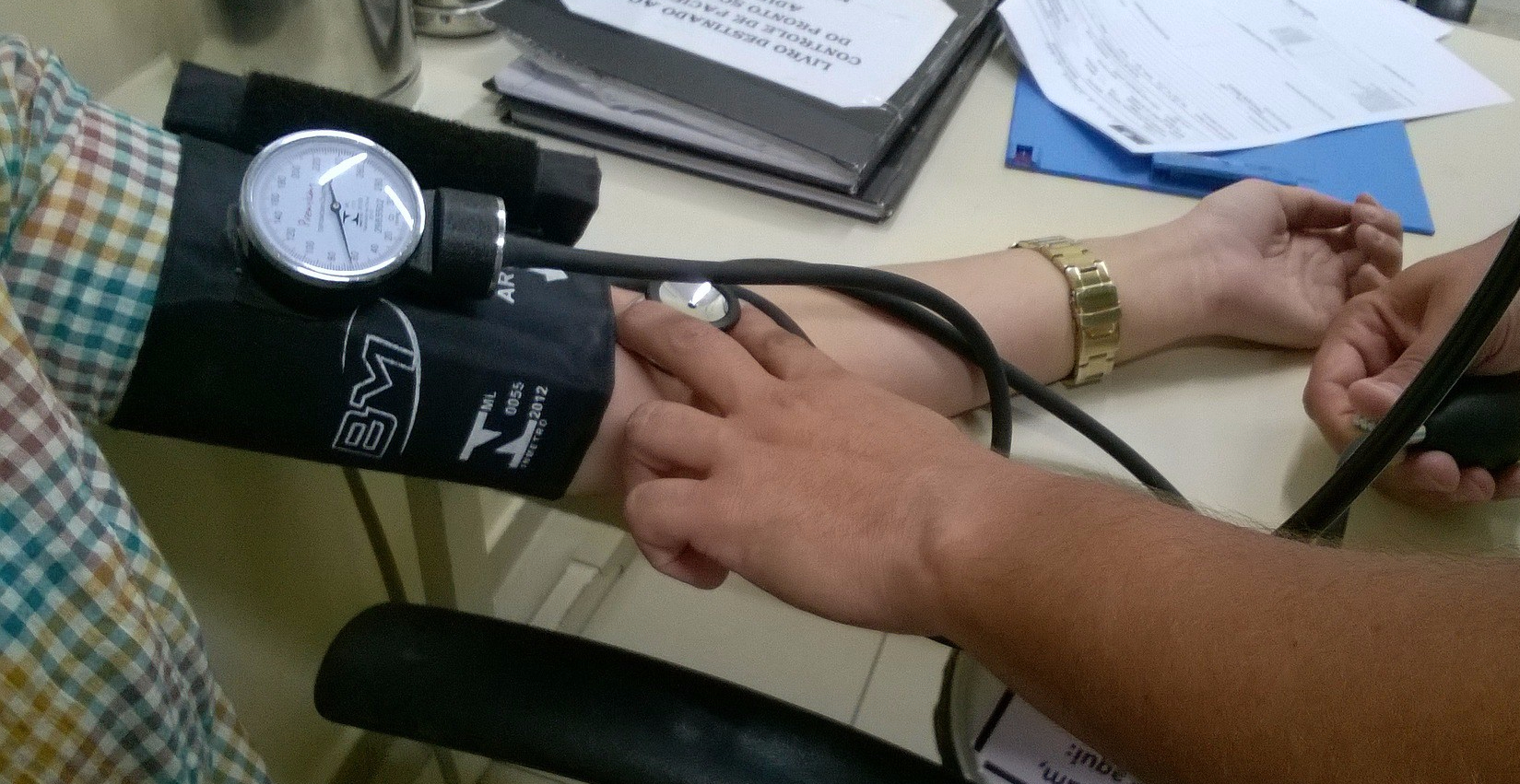
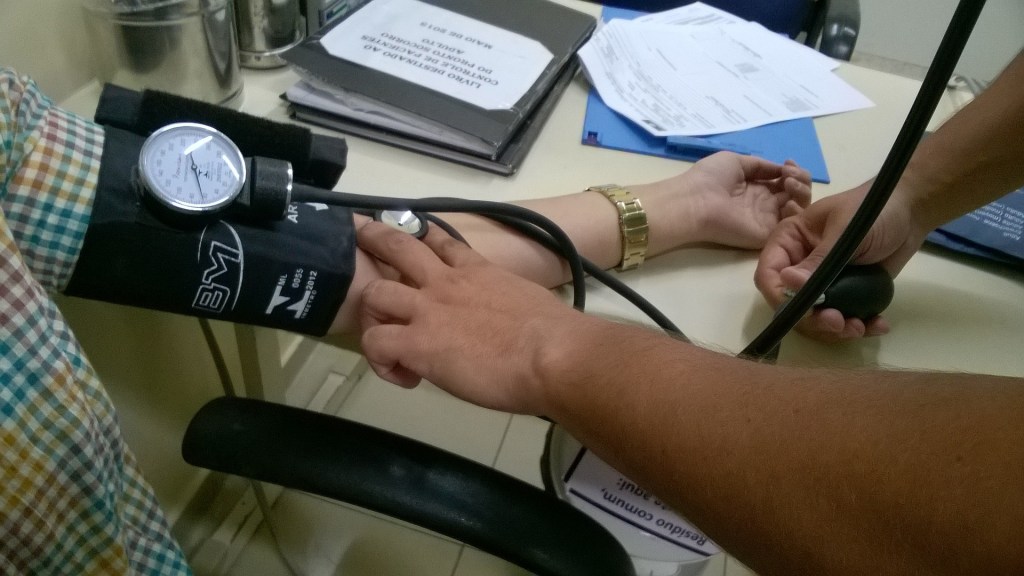
a person having blood pressure measured

SYMPTOMS of an emergency  include

  • Shortness of breath, or difficulty breathing, especially if not associated with exertion
  • Uncontrollable bleeding
  • A seizure, especially in a person with no previous diagnosis of seizures
  • Sudden or severe loss or difficulty with vision, hearing , speech, or other functions such as swallowing, thinking, walking, passing urine or stool
  • Fainting, passing out, loss of consciousness, severe dizziness
  • Hallucinations, confusion, thoughts or threats of harm to self or others
  • In a pregnant woman- any of the above plus loss of fetal movement
  • Persistent/severe nausea/vomiting/diarrhea
  • Severe pain, especially if it prevents or inhibits body function

Persons at risk

Certain groups of people are more at risk of significant illness with any of these symptoms, so emergency care should be sought sooner rather than later. They include

  • infants up to age 2
  • elderly-most medical references still call this over age 65
  • pregnant women
  • people with suppressed immune systems as from cancer chemotherapy, HIV, malnutrition, other drugs

Chest pain must always be taken seriously, even if mild.

Although in persons under 40 years old it is less likely due to a heart attack, there are other life threatening conditions that can occur in this age group. Again, especially if it is associated with any of the other symptoms, it is emergent.

Learn more about common heart diseases at this previous post

Exploring -when HEARTS break
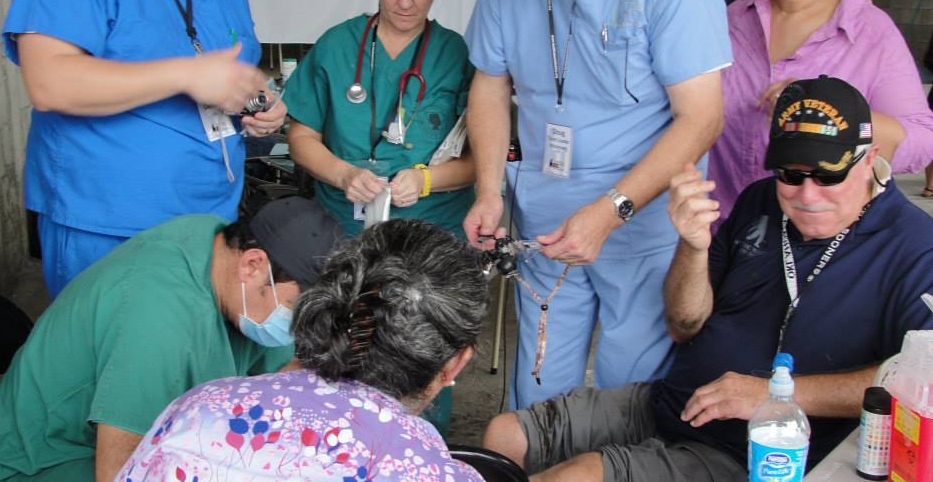
While on a mission trip to Panama, my husband had a near emergency when a board flew into his leg causing a deep gash; our medical team members took care of the injury right on the clinic site, and he recovered without permanent damage
While on a mission trip to Panama, my husband had a near emergency when a board flew into his leg causing a deep gash; a local surgeon was working with our medical team , and with their help he sutured the wound at the small rural church where we were holding clinic; his leg has healed well, just a scar to remind us of the adventure.

IN AN EMERGENCY  CALL 911!

Helicopters transport of emergency patients can make the difference between life and death.

You should not call your doctor’s office, your mother, your best friend, or post a question on social media (which I have seen done!)

If it’s not an emergency but is urgent, then the next best options are calling your doctor’s office or going to an urgent care clinic. Posting on social media is still a bad choice. Do you really want your “friends” giving you medical advice about something they know nothing about?

We doctors don’t expect you to diagnose your condition before coming to the ER or the office, and insurance companies shouldn’t either. With using the above guidelines, if you even suspect your problem is an emergency, you are wise to seek help.

Dr. Esther Choo, an emergency physician shares

6 Tips for Getting the Most Out of Your Emergency Room Visit
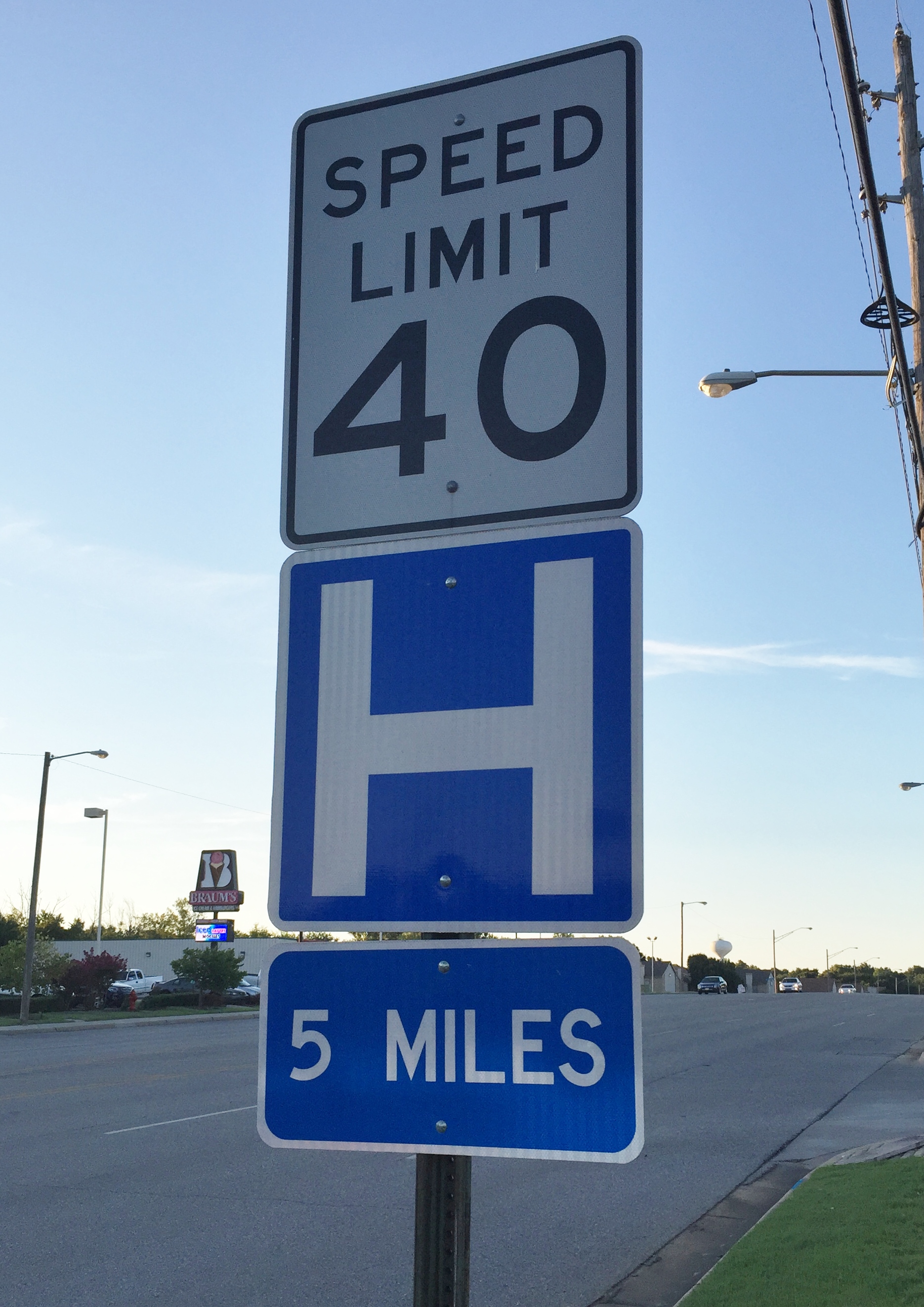
a speed limit sign with an H for hospital , 5 miles
A hospital will have a full-service emergency room, although the level of services differs based on the size of the hospital.
Dr. Deborah Burton, pediatric ear, nose, and throat physician gives

5 Top Tips to Best Use Urgent Care Centers

a sign on a building -"express-urgent care"
Don’t expect an urgent care clinic to offer all the services of an emergency room.

Your definition of an emergency and your insurance company’s definition may differ-and that difference may cost you money. Read why here.

Is it an emergency? Insurer makes patients question ER visit

exploring the HEART of emergencies

Dr. Aletha
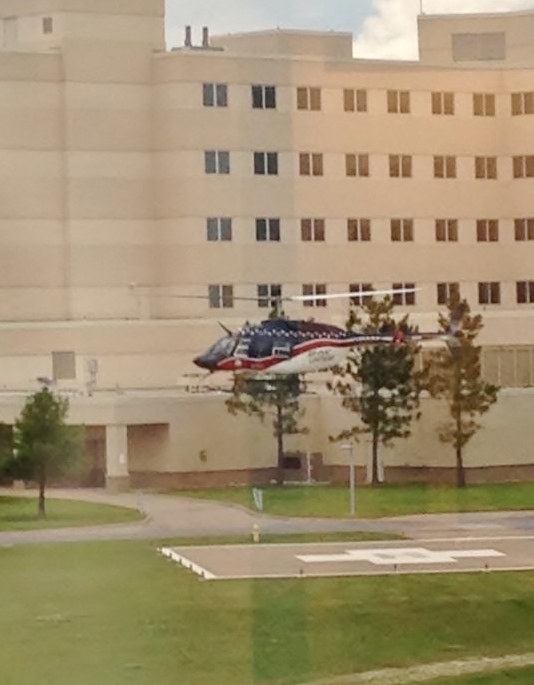
Helicopter landing at a hospital to deliver a critically ill person.

7 Steps to a Healthy Heart

This post is part of a series on heart health, covering heart anatomy, diseases, risk factors, symptoms, and ways to maintain heart health. It discusses types of heart disease, risk factors including genetics and lifestyle, symptoms indicating heart problems, and preventative measures such as quitting smoking, managing weight, and controlling stress.

This post is part of my HEART HEALTH series.

In the first post, I introduced you to the HEART, its anatomy, and how it works.

diagram of the human heart
Heart diseases affect any and sometimes multiple parts of the heart- the atria, ventricles, the valves, the aorta, the pulmonary artery and veins, the walls and the coronary arteries (not shown in this diagram. )

In the second post, we looked at ways the HEART can “break”.

7 important forms of HEART DISEASE.

  1. Congenital heart disease
  2. Cardiomyopathy
  3. Coronary artery disease/myocardial infarction ( heart attack)- the most common cause of death in the United States
  4. Congestive heart failure
  5. Sudden cardiac death
  6. Arrhythmia
  7. Hypertension
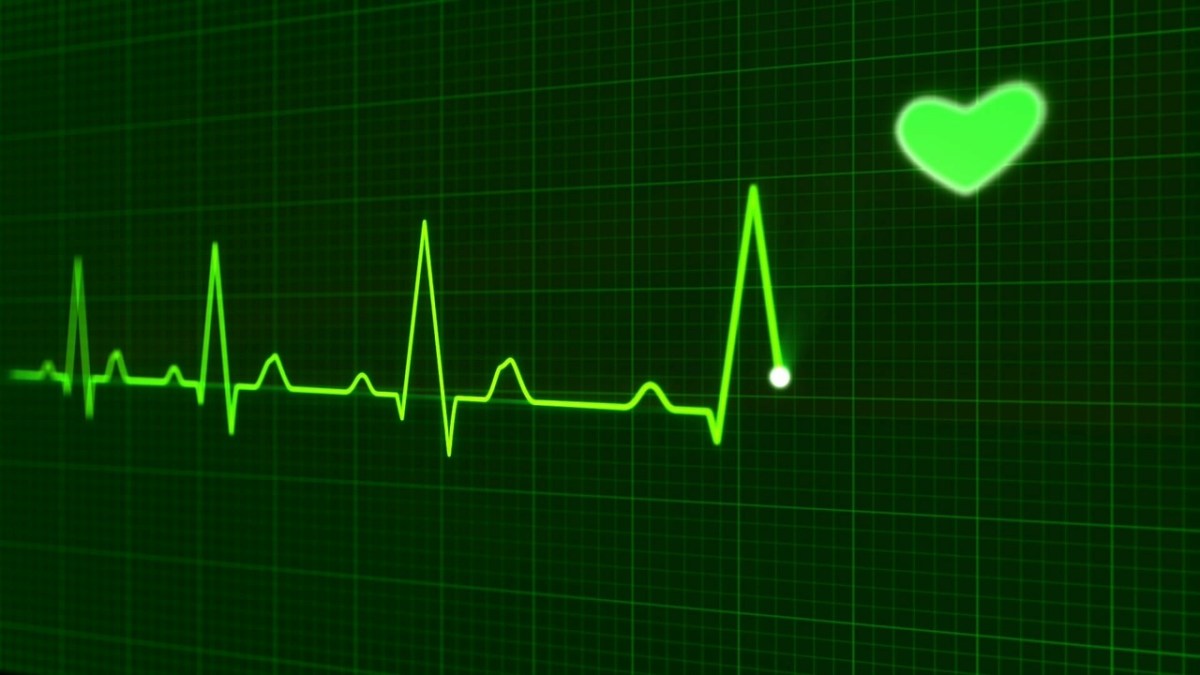
EKG tracing
In sudden cardiac death, the heart stops beating abruptly

In this post, we look at protecting our HEARTS from disease, disability, and death. 

What increases your risk of developing HEART disease?

There are 7 important risk factors for heart disease 

  1. smoking
  2. hypertension
  3. excess body weight
  4. sedentary lifestyle, too little physical activity
  5. high blood fats (cholesterol)
  6. high blood sugar (glucose)
  7. poor nutrition
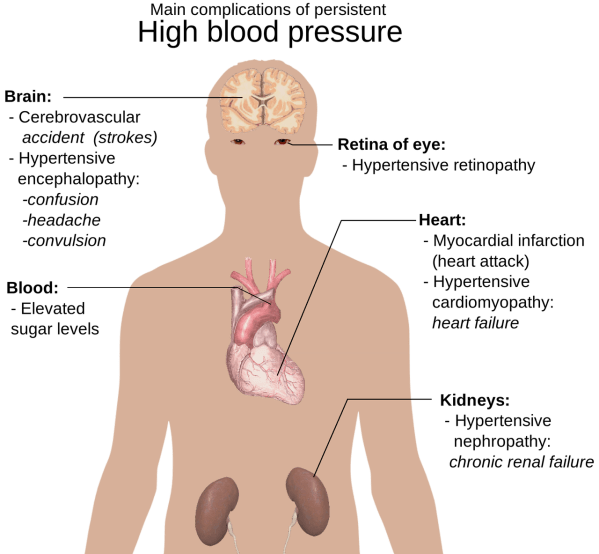
complications of high blood pressure

Other risk factors cannot be changed. These include

gender– unfortunately males are somewhat more at risk, especially at younger ages.

age– our risk increases as our age does.

ethnicity– some ethnic groups have a higher risk. In the United States these are African Americans, Native Americans, Hispanics. These may be due to genetics, and/or social determinants of health.

Family history– This means a close relative, like a parent or sibling, who developed heart disease young, or less than 50 years old.

7 symptoms that may indicate a heart problem

  1. Chest pain– this is probably the most recognized heart disease symptoms, but is not unique to heart disease, nor is it always found in heart disease.
  2. Shortness of breath– especially if it occurs with minimal exertion, or if you find you have less tolerance for exertion.
  3. Palpitations– this means feeling like your heart is beating too fast, too hard, or at irregular intervals.
  4. Fatigue- especially if out of proportion to physical activity, if you tire more easily or quickly, or seem to have less energy than in the past
  5. Unexplained weight gain or swelling in the feet and legs
  6. Dizziness or lightheadedness when standing or walking, especially after exertion.
  7. Syncope, the medical term for fainting or passing out, especially if no other obvious cause (some people know they faint at the sight of blood, or with certain smells; that form of fainting is usually harmless, unless injured from falling)

How to keep our hearts healthy

  1. Stop smoking– consider these  7 surprising reasons to be smoke free
  2. Control your weight– achieve  and stay at a healthy weight.6 steps to losing weight and gaining hope
  3. Be screened for diabetes and high cholesterol; if found, manage with your doctor’s supervision .10 Silent Signs of Diabetes
  4. Get more active, do some physical activity on a regular basis.Health lessons from the Women’s World Cup
  5. Eat less junk food,make healthier food choices. Learn easy ways to shop healthier from the American Heart Association
  6. Have your blood pressure checked regularly (ask your doctor how often). If you have hypertension,  follow your doctor’s management plan, which may include medication. Learn more from FamilyDoctor.org 
  7. Control and manage stress. Medical studies suggest that emotional stress can bring on cardiovascular disease. You can learn more from Dr. James Marroquin’s fascinating post.
PROVERBS 4:23- GUARD YOUR HEART
a wise saying, in more ways than one thanks to TriciaGoyer.com

Exploring the HEART of Health

I’d love for you to follow this blog. I share information and inspiration to help you turn health challenges into health opportunities.

Add your name to the subscribe box to be notified of new posts by email. Click the link to read the post and browse other content. It’s that simple. No spam.

I enjoy seeing who is new to Watercress Words. When you subscribe, I will visit your blog or website. Thanks and see you next time.

Medical stethoscope and heart on a textured background

Dr Aletha