Answers to your questions about COVID-19

The post discusses COVID-19, summarizing key information from the CDC and other health agencies. It outlines symptoms, preventive measures like hand washing, and emphasizes community efforts to combat the virus. It also addresses managing anxiety and the importance of seeking support during these challenging times, highlighting the disease’s significant impact on daily life.

update February 11, 2025

The CDC website has moved all articles about COVID-19, SARS-CoV-2, into its archives. This post may have CDC links that are no longer active, or have moved. You may be directed to the new link at the CDC website.

I’ve been posting about COVID-19 regularly on Facebook and Instagram and I hope you’ve been following. If so, this post will be a re-cap; if not, I hope you learn something. Most of this information comes from the CDC, Centers for Control and Prevention, and some from state, local, and private health agencies.

You may want to proceed to this updated review of COVID-19.

Fighting COVID-19 in 2021-it’s not over yet

In this post, I’m offering a graphic review of COVID-19 and what we can still do to prevent infections IN ADDITION TO getting vaccinated. Until we achieve wide spread immunity through vaccination the risk of infection and death are still present and still just as real.

what are the symptoms of covid-19?

symptoms of COVID-19-fever, cough, shortness of breath
COVID19_SYMPTOMS

how can i keep myself and my family from being infected with covid-19?
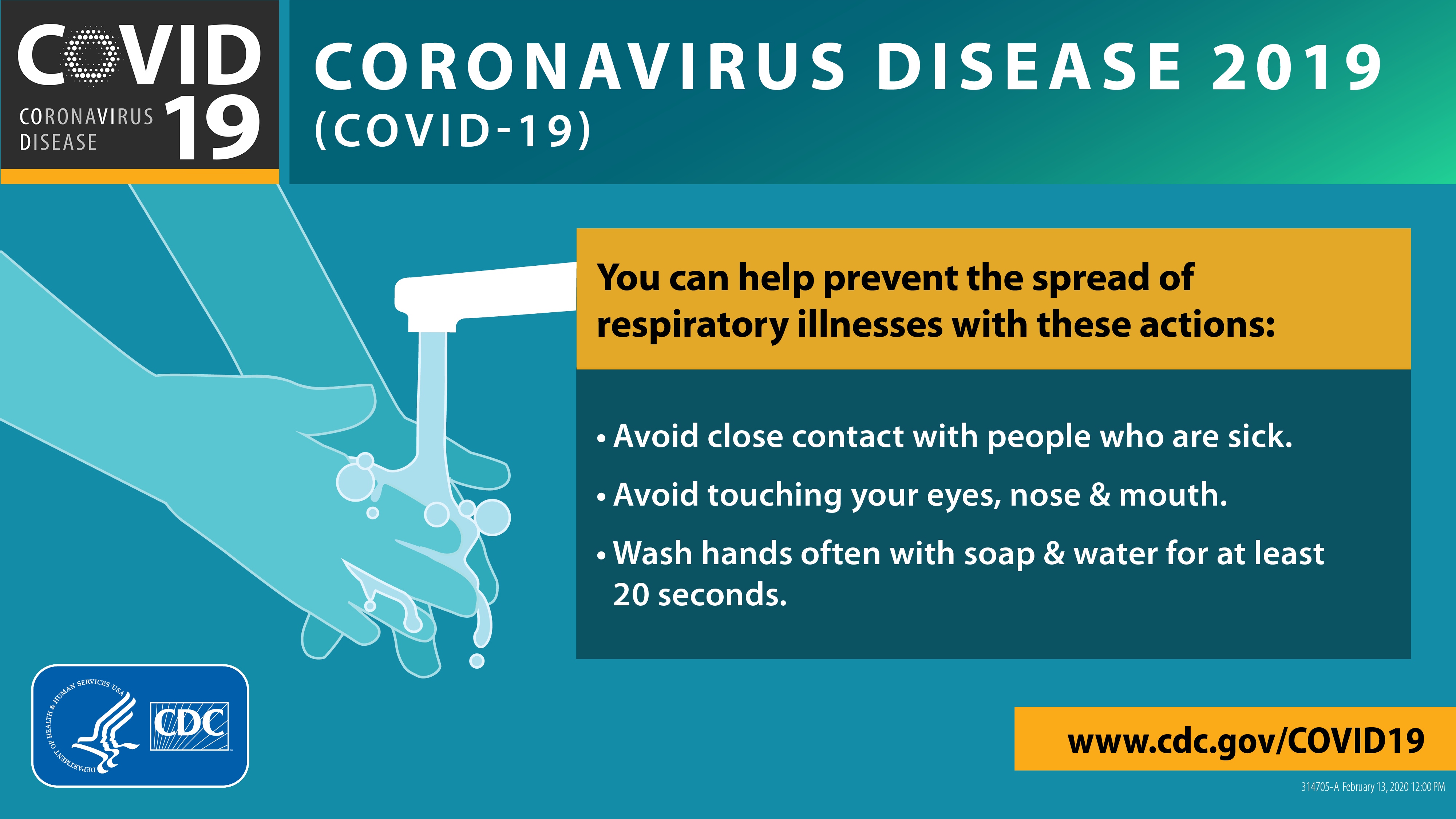
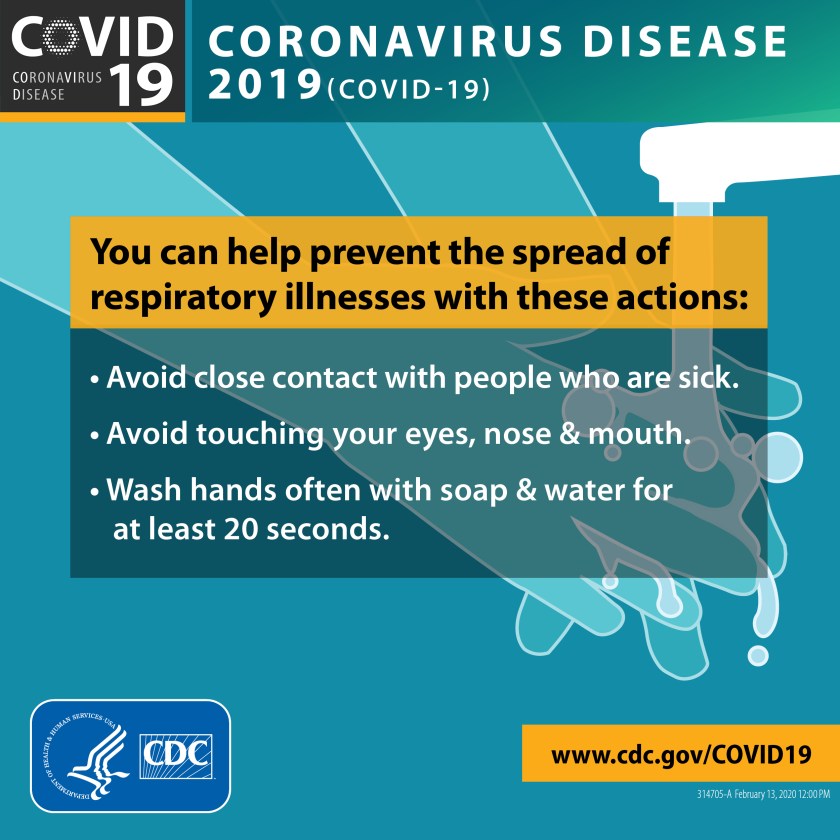
avoid contact with sick people, do not touch your eyes, nose, mouth; wash hand often
Until we have a vaccine, the single most important prevention is frequent hand washing.

how is covid-19 different from colds, flu, and allergies?
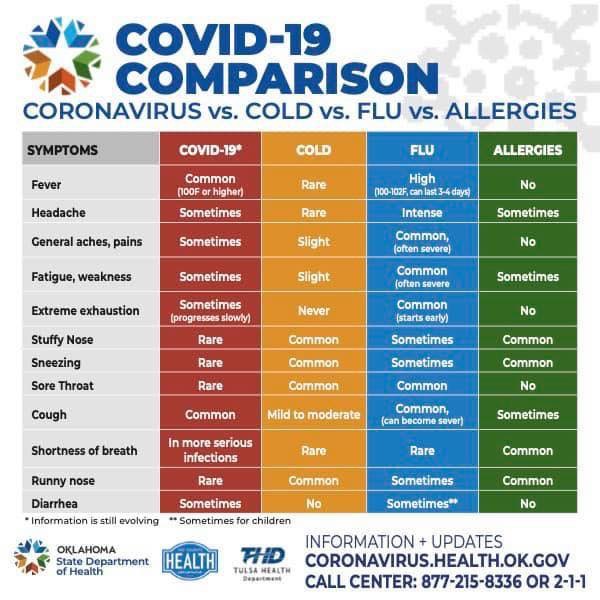
covid-19 vs other respiratory illnesses

What else can we do to stay safe from covid-19?

should we be afraid of covid-19?
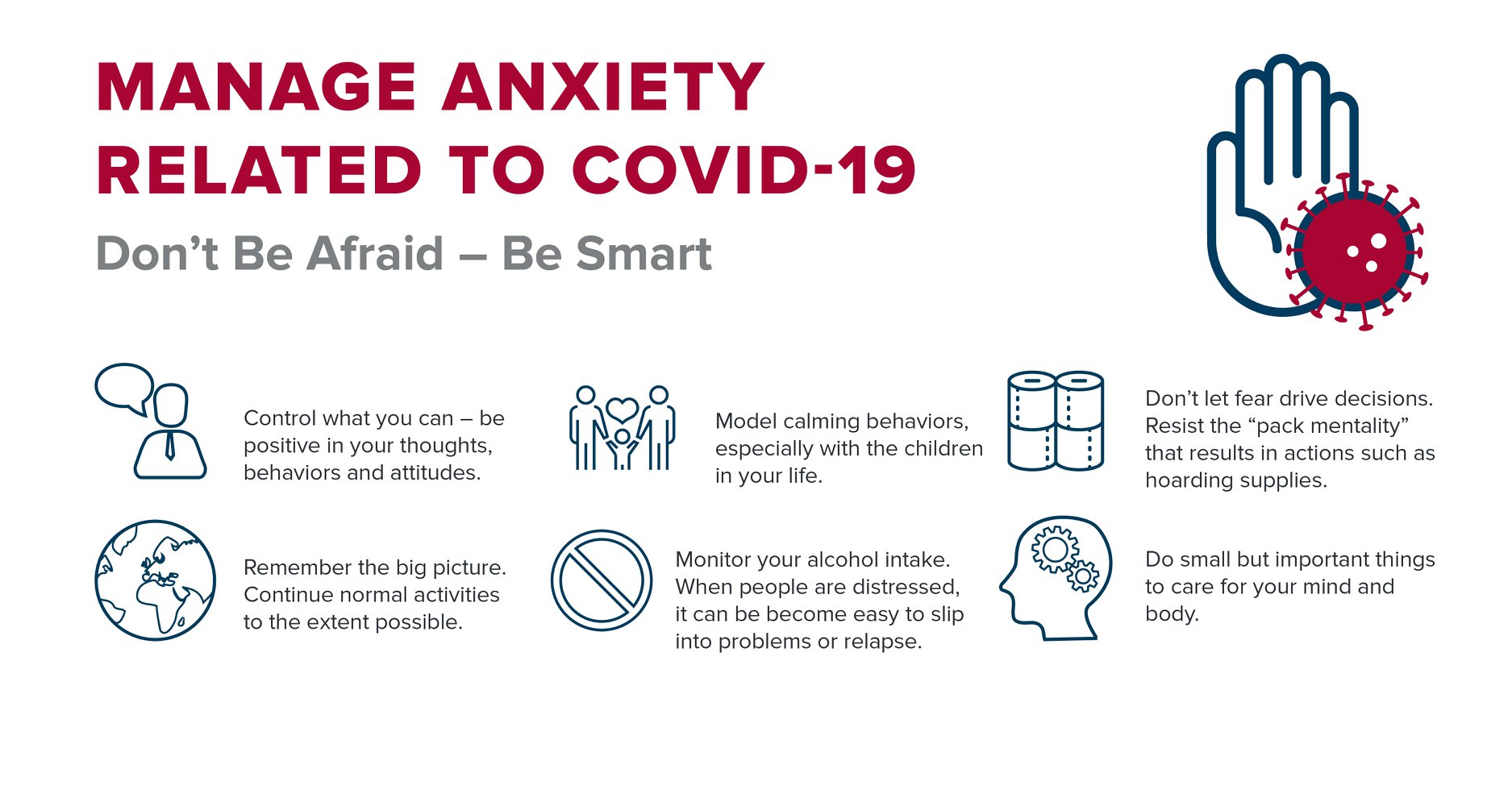
MANAGE ANXIETY-DON'T BE AFRAID-BE SMART
managing covid-19 anxiety

exploring the HEART of health by understanding COVID-19

Thanks for reviewing this outline of this new disease that we are all learning about and that has changed our lives so drastically. I appreciate the CDC and other sources for making these easy to understand graphics available.

COVID-19 is a new, serious, contagious health risk that concerns the medical community as well as government, schools, business, religious groups, charities, and private citizens. These communities have banded together quickly to develop plans to manage this threat effectively.

Just like other challenges we face, it can be daunting and sometimes scary; but sometimes that’s when we accomplish the greatest good in the long run.

At times you may feel stressed, anxious, have trouble sleeping, or feel afraid. Seek the support of family, friends, clergy, and health professionals.

And if you find your anxiety becoming overwhelming, don’t hesitate to contact someone you trust for help. No one of us has to go through alone.

Dr. Aletha

2 bandaids crossed on a world globe
photo from the Lightstock collection (affiliate link)

INFLUENZA-not “just a virus”

the majority of physicians and other health professionals recommend vaccination as the most effective way to lower one’s risk of getting influenza. No matter how many people would like to believe otherwise, for most people the risk of influenza is greater than the risk of the influenza vaccine.

updated 10/29/2020

(This post has affiliate links; I hope they help you find information and inspiration and help me fund this blog by the commission they will generate. )

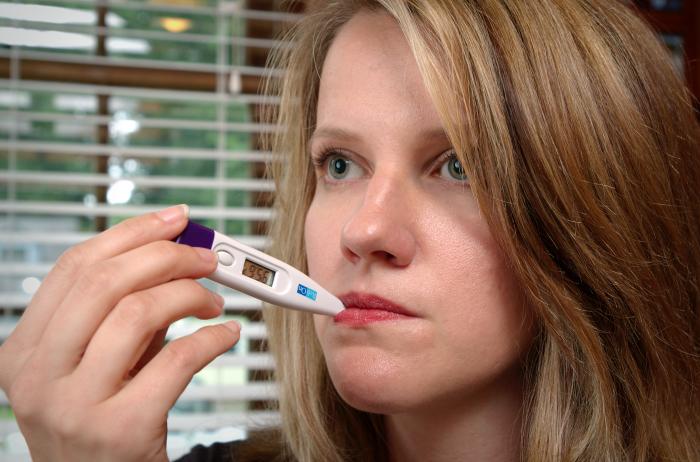
a woman taking her temperature
This photograph depicted a woman who was using a modern, battery-powered oral thermometer, in order to measure her body temperature. In order to return an accurate reading, this particular type of thermometer needed to be placed beneath the user’s tongue, for a set amount of time, beeping when the ambient, sublingual temperature was reached. Photo credit-James Gathany, CDC, public domain

Influenza

In this part of the world the influenza season is starting, even though influenza can occur year round. Once again, the majority of physicians and other health professionals recommend vaccination as the most effective way to lower one’s risk of getting influenza. No matter how many people would like to believe otherwise, for most people the risk of influenza is greater than the risk of the influenza vaccine.

I recommend you read Dr. Gretchen LaSalle’s thorough review

FLU VACCINE 101

FLU VACCINE: We all have a role in protecting each other.
used with permission CDC

Managing influenza and other winter illness

Most of the winter respiratory illnesses are not influenza, but can still make us feel miserable. Most of the time most of us recover uneventfully, but these diseases can cause more severe disease in certain people, like infants, elderly, and those with compromised immune systems. Here are some previous posts with info you need to know about keeping you and your family well and safe.

6 tips to cope during a flu epidemic

How you can cope with winter illness

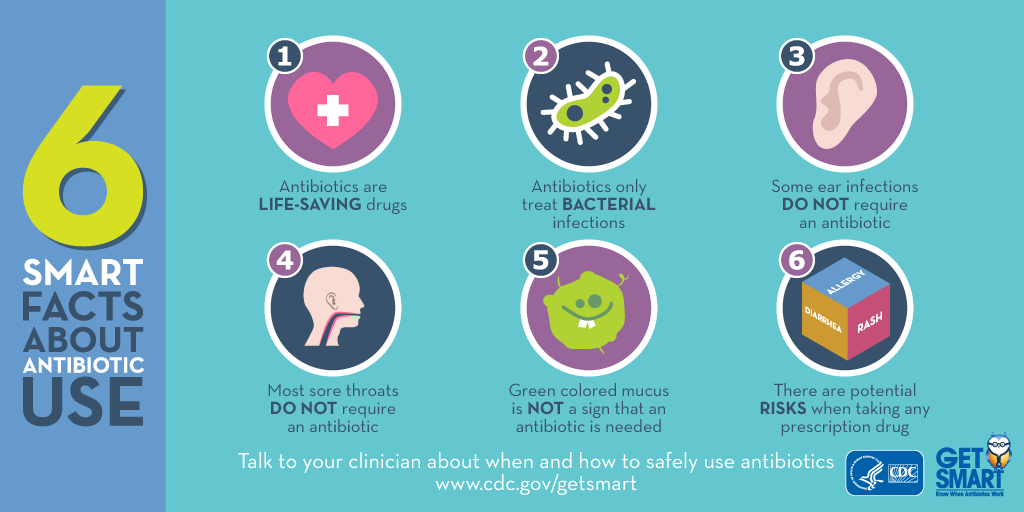
6 smart facts about antibiotic use
graphic created by the Centers for Disease Control, http://www.cdc.gov

And here is how to know when to seek emergency medical help.

When should you call 911?

One of the most effective ways to prevent and stop the spread of infectious disease.

sharing the HEART of health

Dear friends, I hope all is well with you and that you are as healthy in body as you are strong in spirit. 

3 John 2 , NLT

Stay well this winter, or what ever season you are enjoying now.

Dr. Aletha
myReader Rewards club- photo of woman on a bench reading a book

My Reader Rewards Club is a great way to earn free books and Bibles for yourself, friends, and family! Your journey to earning free faith-based products starts HERE.
(When you sign up through these links, I can earn free books too.)

As a member, you’ll have access to inspiring literature, Bibles, special promotional offers, and much more. Earning points is easy—you’ll receive 25 points just for signing up!