The post discusses COVID-19, summarizing key information from the CDC and other health agencies. It outlines symptoms, preventive measures like hand washing, and emphasizes community efforts to combat the virus. It also addresses managing anxiety and the importance of seeking support during these challenging times, highlighting the disease’s significant impact on daily life.
update February 11, 2025
The CDC website has moved all articles about COVID-19, SARS-CoV-2, into its archives. This post may have CDC links that are no longer active, or have moved. You may be directed to the new link at the CDC website.
I’ve been posting about COVID-19 regularly on Facebook and Instagram and I hope you’ve been following. If so, this post will be a re-cap; if not, I hope you learn something. Most of this information comes from the CDC, Centers for Control and Prevention, and some from state, local, and private health agencies.
You may want to proceed to this updated review of COVID-19.
In this post, I’m offering a graphic review of COVID-19 and what we can still do to prevent infections IN ADDITION TO getting vaccinated. Until we achieve wide spread immunity through vaccination the risk of infection and death are still present and still just as real.
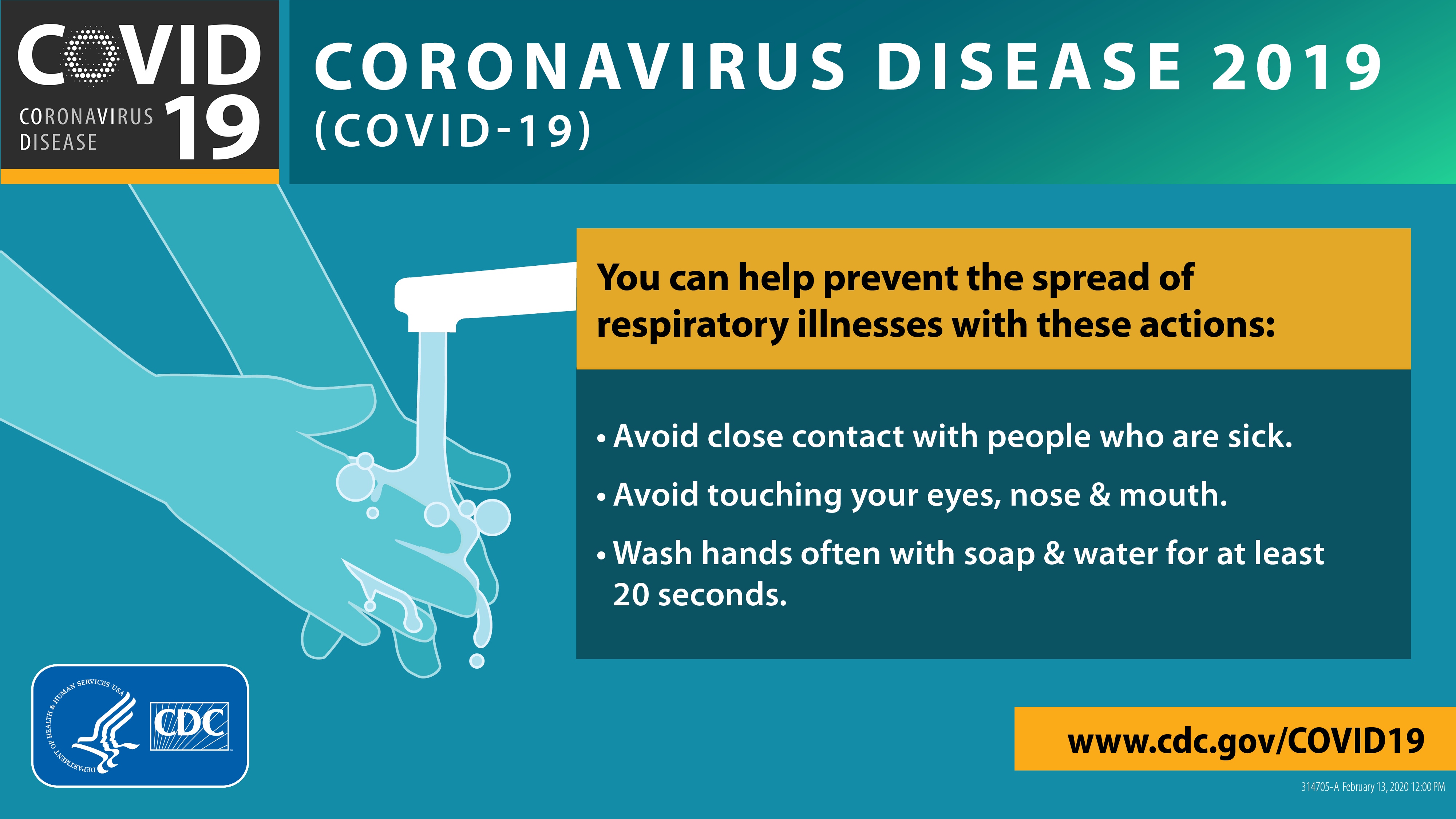
how can i keep myself and my family from being infected with covid-19?
Until we have a vaccine, the single most important prevention is frequent hand washing.
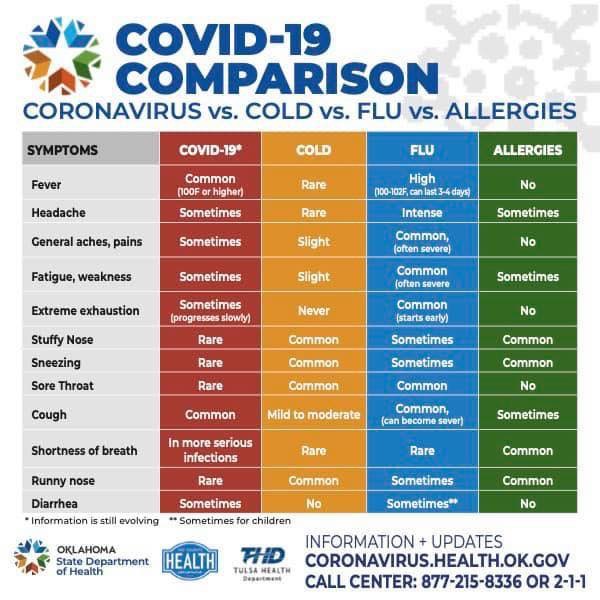
how is covid-19 different from colds, flu, and allergies?
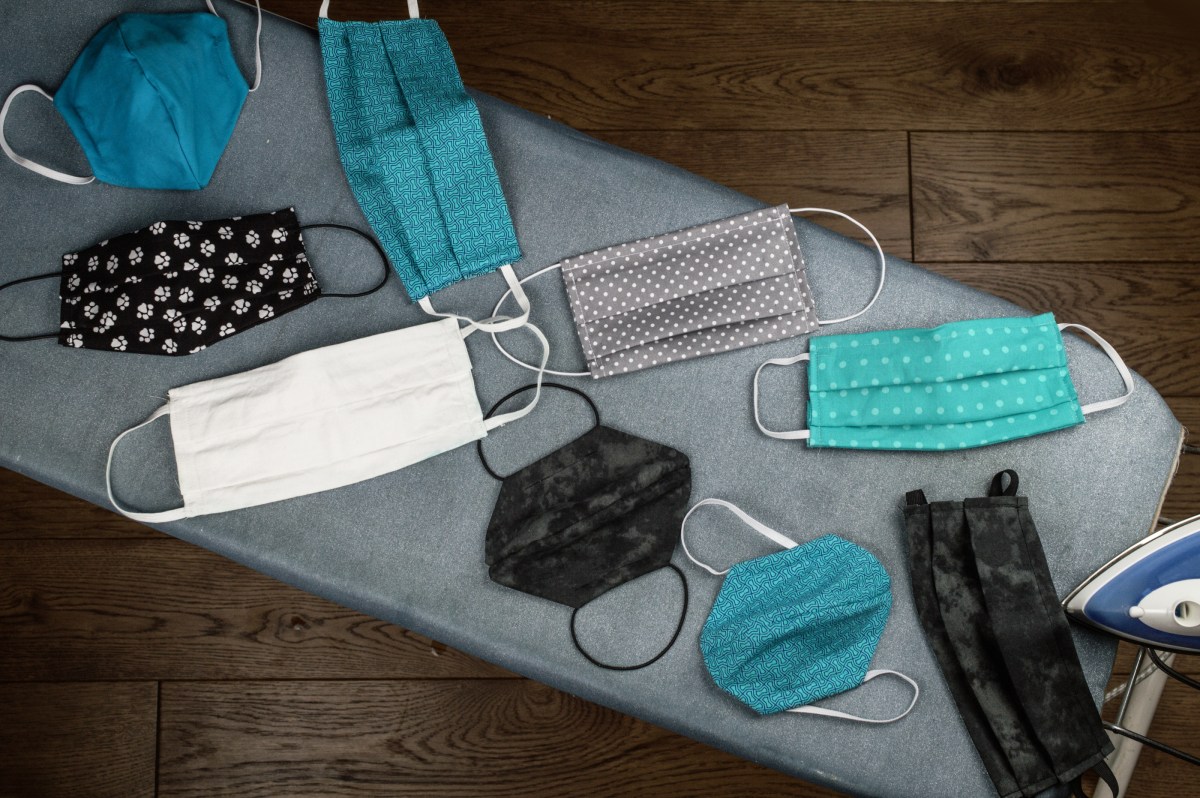
What else can we do to stay safe from covid-19?
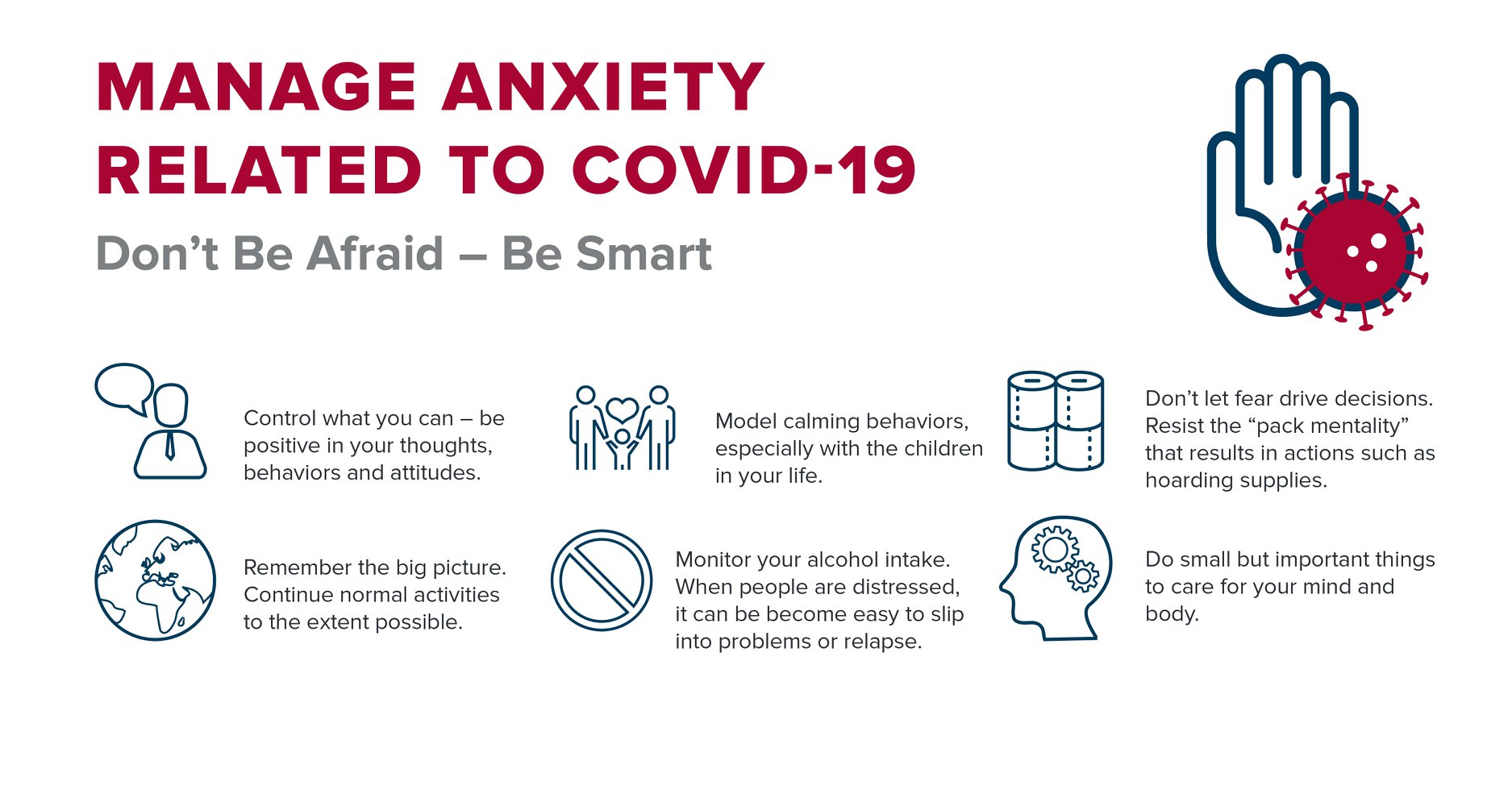
should we be afraid of covid-19?
managing covid-19 anxiety
exploring the HEART of health by understanding COVID-19
Thanks for reviewing this outline of this new disease that we are all learning about and that has changed our lives so drastically. I appreciate the CDC and other sources for making these easy to understand graphics available.
COVID-19 is a new, serious, contagious health risk that concerns the medical community as well as government, schools, business, religious groups, charities, and private citizens. These communities have banded together quickly to develop plans to manage this threat effectively.
Just like other challenges we face, it can be daunting and sometimes scary; but sometimes that’s when we accomplish the greatest good in the long run.
At times you may feel stressed, anxious, have trouble sleeping, or feel afraid. Seek the support of family, friends, clergy, and health professionals.
And if you find your anxiety becoming overwhelming, don’t hesitate to contact someone you trust for help. No one of us has to go through alone.
Prioritizing essential health habits like quality sleep, nutritious eating, meaningful connections, giving, physical and mental activity, and authentic conversation promotes well-being. Implementing these strategies fosters a fulfilling and healthier lifestyle.
updated October 29, 2025
Do you spend more time than you want dealing with clutter? Do you organize only to find you still don’t have enough room for your belongings?
If so, maybe you need to discard stuff, not organize it better. This process goes by different names—decluttering, simplifying, minimalism—with the goal of less stress, more peace, and more time to enjoy activities that truly give us pleasure and satisfaction.
Sometimes we need to simplify our daily habits. Do you ever feel you’ve been busy all day, and didn’t accomplish anything you really wanted to do? Maybe decluttering, simplifying, and changing our daily routine will create a more satisfying -and healthier- life.
7 Health Habits We Need
Here are some habits we often neglect or fail to prioritize, but medical professionals recognize as vital to optimal health and well-being. I’ve illustrated each with a link to an affiliate service or product that you might find helpful (and through which you can help support this blog), but feel free to develop your own ideas on how to make these a consistent part of your life.
Sleep
Too many of us treat sleep like a luxury or a waste of time rather than as the necessity that it is. Some of us need more quality sleep; many people are chronically tired due to undiagnosed sleep disorders such as obstructive sleep apnea which aren’t recognized without medical evaluation.
Eating
We need to eat nutritious food- a whole food, plant-based diet with fresh vegetables and fruits, beans, legumes, whole grains, lean meats, dairy- anything that isn’t processed or full of unnecessary sugar or excessive fat.
In this post I review Dr. George E. Guthrie’s book, “Eat Plants Feel Whole,” where he highlights the transformative power of a whole-food, plant-based diet in combating chronic diseases. Dr. Guthrie, a renowned family physician, emphasizes the addictive nature of processed foods and advocates for a shift towards plant-powered nutrition to improve overall health and…
We need to spend more time with our family and friends, keeping in touch physically and emotionally. Parents and children connect when they read together. Family vacations create connections through shared activities and memories. Children benefit when grandparents actively participate in their lives.
Visiting this local museum with my toddler grandson was a treat for both of us.
I talk about my visit to WOW! Children’s Museum dedicated to engaging children and families in creative learning experiences. This bright, colorful interactive museum is in Lafayette, Colorado, near Denver .
“We specialize in highly interactive programs for small groups that give each child an opportunity to explore art, science, and culture.”
Giving
We need to cultivate generosity and give more, whether it’s our money, time, talent, or possessions. Every community offers ample opportunities to volunteer and serve others.
My husband and I have supported children through ONE CHILD for 30 years.
Physical activity
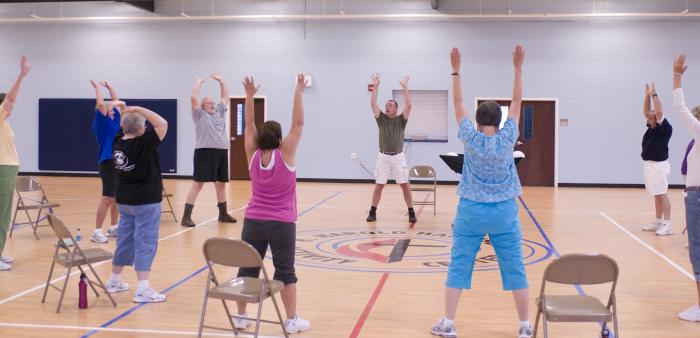
We need to move more often, including sports, exercise, chores, walking, even standing up more than we sit.
We believe bookstores are essential to a healthy culture and they are dedicated to the common good.
Bookshop.org donates a portion of every sale to independent bookstores.
photo by Dr. Aletha, in a bookstore
Conversation
We need to communicate with others often and authentically. Social media, phone calls, text, and email messages substitute when necessary, but they shouldn’t replace face-to-face time with others.
Book clubs, hobby groups, classes, and church groups offer safe spaces to share ideas and learn from one another.
Conversation over coffee can be therapeutic. graphic from the Lightstock collection of stock photos, graphics, and other media, an affiliate link
In this post I review the book “How to Listen So People Will Talk” by Becky Harling. She emphasizes the importance of listening in effective communication. The author, a certified John Maxwell speaker and coach, provides practical tips, including asking questions, showing empathy, and using body language. The book addresses listening through conflict and enhancing…
What will you gain by including _____ habit in your life? What will you lose if you don’t?
What is your next step to getting there? How will you know you have arrived?
Come back to this post and leave a comment anytime.
Exploring the HEART of healthy habits
Another healthy habit suggestion-follow this blog!
Thank you for reading this post. Please follow this blog and me on social media.
I share information and inspiration to help you transform challenges into opportunities for learning and growth.
Add your name to the subscribe box to be notified of new posts by email. Click the link to read the post and browse other content. It’s that simple. No spam.
I enjoy seeing who is new to Watercress Words. When you subscribe, I will visit your blog or website. Thanks and see you next time.