
What would you say to your doctor on your deathbed?
Would you remind them of the times you waited weeks for an appointment or sat in the waiting room long past your scheduled appointment time?
Would you ask them why they didn’t try harder to cure you? Would you ask why all the tests and medicines they ordered didn’t work to save your life?
Or would you ask, “How was your vacation?”
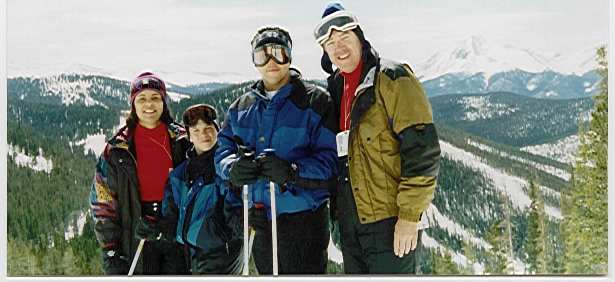
A patient named Rosemary
One woman did. In a JAMA essay (Journal of the AMA), Dr. Wendy Stead , an internal medicine physician, described her patient, Rosemary, who “never had a bad interaction with any of her health professionals. After a clinic visit, or hospital stay, she will rave about the excellent care she received from the many teams involved.”
“This is not because we are all such exceptional caregivers.” she admitted. “It is because of the kind of patient she is..the kind who probes for the person behind the doctor.”
When Rosemary was terminally ill, Dr. Stead left on a family vacation, fearing that her patient would die while she was gone. As soon as she returned, she went to Rosemary’s home to visit one last time.
Now so weak, Rosemary was confined to bed, and could barely speak. As Dr. Stead leaned over the bed straining to hear her, Rosemary asked, “How was your vacation?”
Probe for the person behind the doctor

Do you know if your doctor has children or grandchildren?
What hobbies they pursue?
Who is their favorite sports team?
My husband and his eye doctor share an interest in the Oklahoma City Thunder basketball team. At each visit, he and Dr. Nanda spend a few minutes discussing the team’s progress, good or bad. It makes what otherwise would be a dry, routine visit into a special occasion. I think Dr. Nanda enjoys it as much as Raymond does.

When I was expecting my second son, William and Audrey became my patients. William had multiple serious health conditions but he was always positive and never complained.
During his frequent office visits, they never failed to inquire about the progress of my pregnancy. After I delivered they always asked about my new baby boy.
When I walked into the exam room, William’s first words were always, “How are you Doc?” And the next words were, “How’s the baby?”- even though by the time William passed away, my “baby” was in kindergarten.
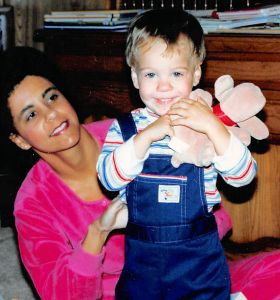
Seeing doctors and patients as people
For physicians, our patients’ “social histories” help us understand factors in your life that impact your health -where you live, your job, your family, your hobbies . Besides that, we enjoy getting to know you, especially the things that make you and your life unique and interesting. Dr. Stead points out that when our patients learn our social history we “build an even stronger bridge that goes both ways.”
Now you probably won’t have the time or interest to “probe” every doctor you see, maybe just those you see regularly . Exchanging a few social words can make the encounter more satisfying for both of you. Some of us will be more open about sharing our personal lives, and some subjects may be off limits. But I don’t think any of us will object to honest, caring interest in our lives outside of medicine.
“As healthcare professionals we like to think of compassion as a limitless resource, but some days even the deepest well can feel like it’s running dry. Patients like Rosemary refill the well. They make us better doctors for all our patients.” Dr. Stead
Burnout- bad for doctors and patients
Leaders in the medical community recognize the high and increasing rate of burnout in physicians. In burnout, physicians feel exhausted, lack enthusiasm about work, lose motivation, and feel cynical about the value of the medical profession. Some estimate as many as 50% of physicians in the United States experience burnout.
Perhaps even more common among physicians is compassion fatigue, which can affect anyone involved intensely in helping others. Compassion fatigue occurs when a helper begins to feel overwhelmed and stressed from their efforts to relieve the pain and suffering of those they help. As they give more of themselves and neglect self care, they in turn become traumatized by their own efforts.
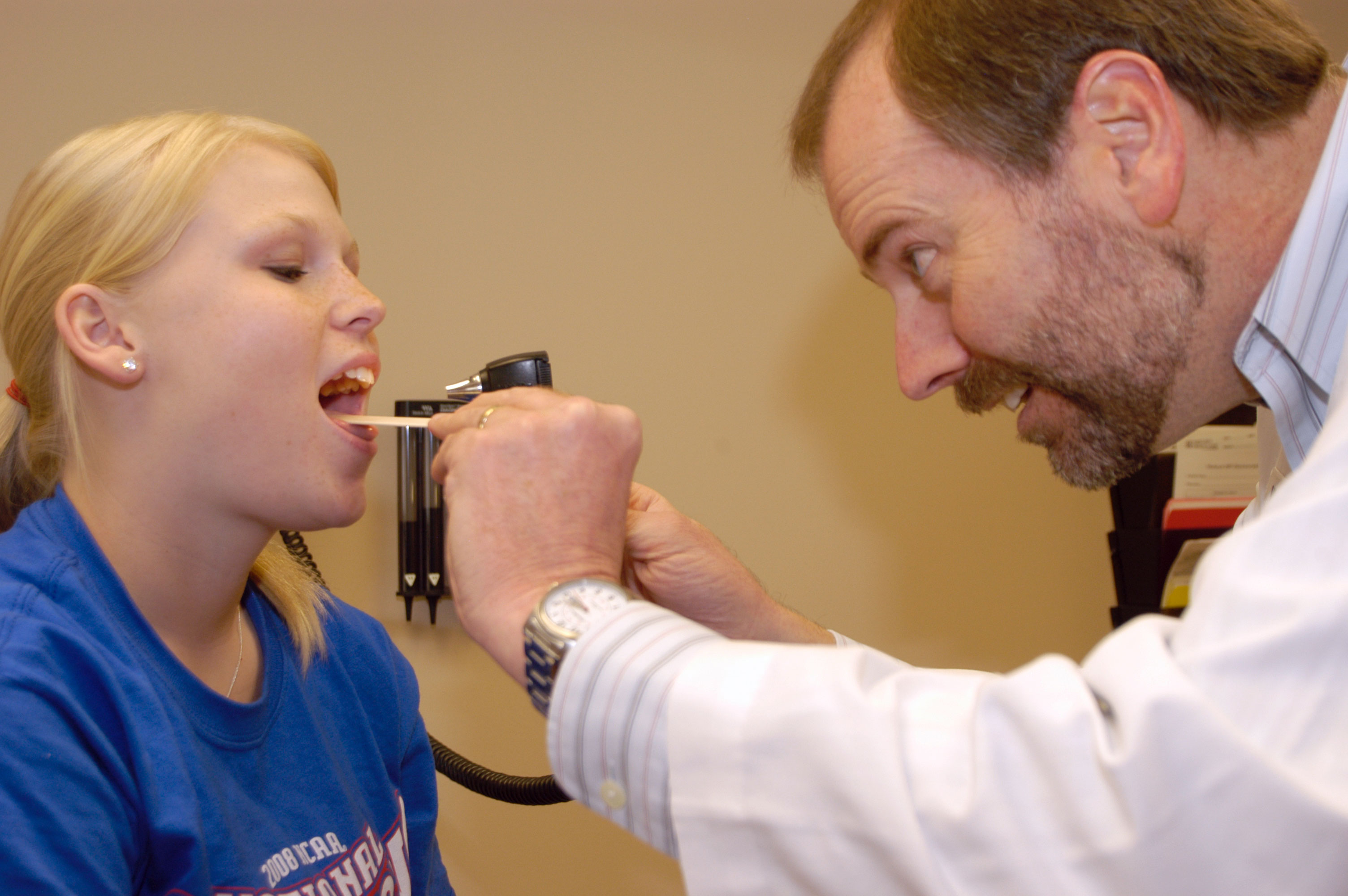
(Photo credit-American Academy of Family Physicians)
Doctors on the “front lines” of medicine -family physicians, emergency physicians, internists, pediatricians, psychiatrists- are especially vulnerable to burnout and compassion fatigue as are other health care workers, police, social workers, teachers and disaster workers.
Why should you care about physician burnout and compassion fatigue?
Factors causing physician burnout include the technological and bureaucratic hassles in medical practice that hinder doctors from spending adequate and quality time with patients and interfere with our ability to care for patients in the way we believe is best.
Studies suggest that burnout causes physicians to spend less time providing direct care to patients, and that care may be less efficient and effective.
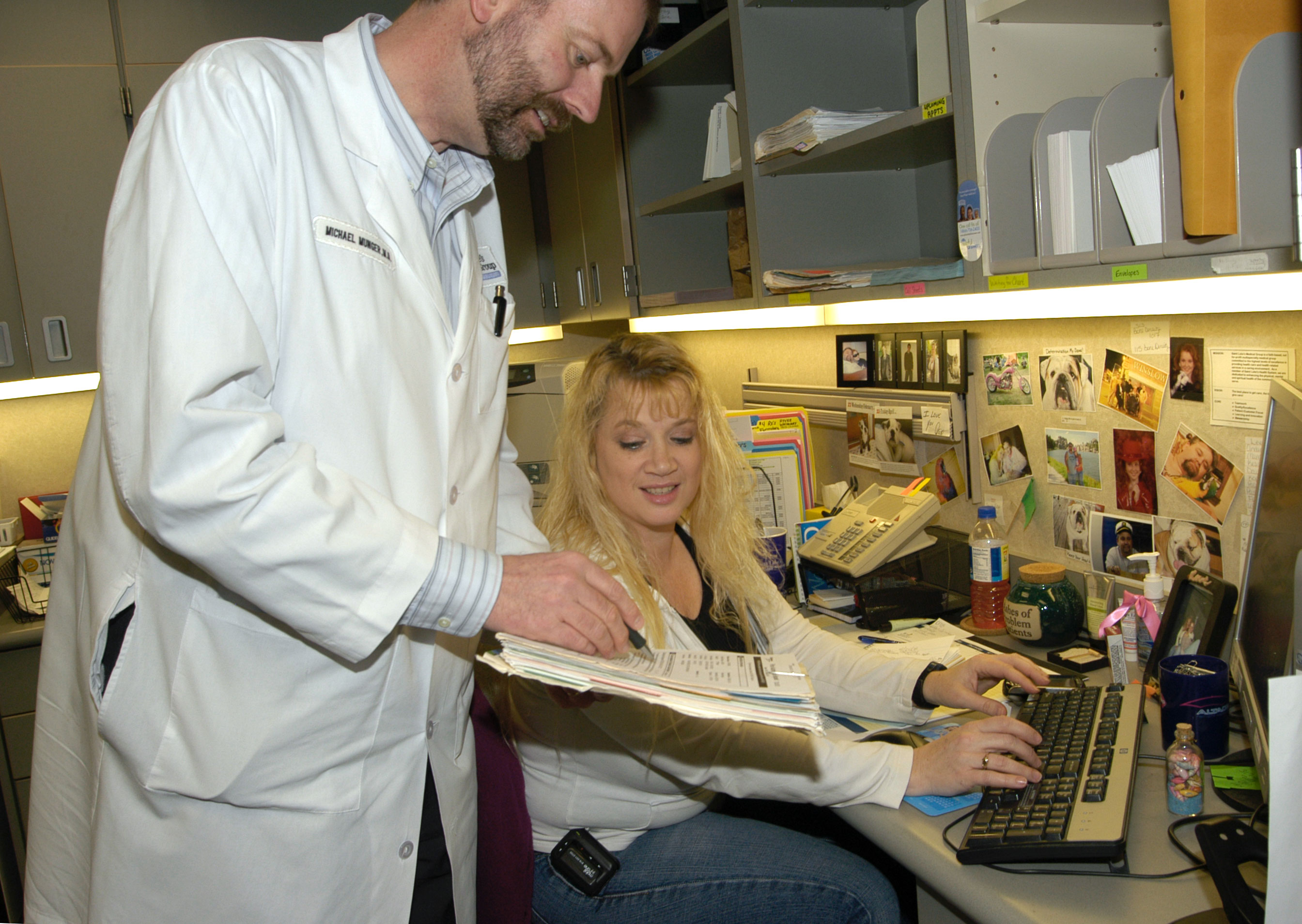
According to observational studies of physicians at work, we spend 50% of our time doing paper/computer work about the care we provide the other 50% of the time. (photo credit- American Academy of Family Physicians)
March 30 is National Doctor’s Day, a day designated by Congress to honor doctors.
One way you can honor your doctor is by trying to connect personally next time you visit. By doing so, you may get a glimpse of the “person behind the doctor” ; empathy can go both ways. If you see your doctor as a person with a life not that different from yours, you may see your interaction as a partnership and find it easier to communicate .
And better communication can lead to better care for you. See my previous post
3 keys to effective communication with your doctor
Why patients sue their doctors

Read here about how government regulations contribute to physician stress
And here about efforts to reverse and prevent physician burnout
Thanks for exploring the HEART of health with me. Please consider these affiliates which help this blog inform and inspire wellness and wholeness throughout the world.
Dr.Aletha 




 watercress words by Dr Aletha