September is Women in Medicine Month, so in this post I’m introducing you to some women physicians who promote health in creative ways-writing, speaking, coaching, and advocating.
September is Women in Medicine Month, so in this post I’m introducing you to some women physicians who promote health in creative ways-writing, speaking, coaching, and advocating.
At Dr. Momma Says,Dr. Deborah Burton, pediatric ENT surgeon reviews her reasons for recommending vaccination.
“The growing antivaccination (anti-vax) movement has me confused. I think it is a developed world thing to celebrate where we are, but we forget where we came from.
As an ENT surgeon who has studied and worked in the healthcare field for about 30 years, I have borne witness to the miracles that vaccines have done. There is no question in my mind that vaccines work.” She goes on to describe
“Anxiety is a treatable condition. Depending on the intensity, some people can get better on their own and others need therapy and/or medications to help with anxiety. Either way, recovering from anxiety is possible! There are great self-help options available to assist with the treatment of anxiety which includes websites, apps, and books on overcoming anxiety.” Find her list at this post-
From Charmaine Gregory, M.D., an ER doctor and fitness coach blogs at Fervently Fit with Charmaine with nutrition and fitness tips.
“Trips to the grocery store are almost as crucial as trips to work. We all need to eat. Some people have stress when they try and go in without a plan. Creating a routine is a good step. Following a few helpful hints can make your shopping easier on you.” Read her tips at
Will you commit to buying, preparing, and eating more fruits and vegetables? image from LIGHTSTOCK.COM, stock photo site, an affiliate
Dr. Aletha Maybank , a pediatrician, served as deputy commissioner for the New York City health department and now is the first chief health equity officer for the American Medical Association. ( Sharing our first names is a coincidence.) She believes
“Health is created outside of the walls of the doctor’s office and at the hospital. What are patients’ jobs and employment like? The kind of education they have. Income. Their ability to build wealth. All of these are conditions that impact health. “
The Frugal Physician, Dr. D. writes about finances, specifically how to live debt free. Her main audience is other physicians but she offers advice to patients too.
“Take note of the deductible for your plan and whether your employer chips in. High deductible plans can be alluring because of their low cost and the option to enroll in a Health Savings Account (HSA). But, if you sign up for one of those, make sure you have the cash to spend the deductible during the year. ” Read the other 9 tips at this link-
“I want you to know that as a physician, I feel a pang of insecurity, guilt, and sadness when a patient tells me they’re upset because I won’t write an antibiotic. I don’t want you to be sick or miserable.
I understand how inconvenient and sometimes life altering a cold can be. I desperately, desperately wish that I had a cure for your cold, but none of us do.
I also want you to know that for every antibiotic I over-prescribe, that I run the unnecessary risk of making someone even more sick, even to the point of hospitalization or death. I went into medicine to help you and to relieve your suffering with integrity — and that by giving you antibiotics without indication, I am betraying my own purpose.”
Emergency medicine physician K. Kay Moody, M.D. wants you to know she is not a “provider” (and neither am I).
“Hi, my name is Dr Moody and I’m NOT a “provider.”
.
Here’s why your doctor isn’t your “provider”.
“The term “provider” levels distinctions and implies a uniformity of expertise and knowledge among health care professionals. The term diminishes those distinctions worthy of differentiation such as education, scope and range of ability.
Generic terminology implies an interchangeability of skills that is inappropriate and erroneous, as well as conferring legitimacy on the provision of health services by non-physician providers that are best performed by, or under the supervision of, physicians.”
I appreciate my female colleagues who share their knowledge and experience through writing in addition to caring for patients. I am honored to share their insights here.
A couple of months into medical school, Dr. Weinkle interviewed a distressed patient in acute alcohol withdrawal. He tried to develop empathy for the man as he unraveled his long history of alcohol abuse and explored his reasons for trying to quit. However,as he proceeded to examine the patient, his empathy evaporated when the man rolled up his sleeve for a blood pressure check- revealing a huge tattoo of a Nazi swastika.
Creating Authentic Relationships in Modern Healthcare.
This post has been updated October 2020.
In HEALING PEOPLE,NOT PATIENTS Dr. Weinkle describes ways he believes the current healthcare system in our country fails to meet the needs of both patients and physicians. Reading it, I thought of a television medical drama in which a determined, idealistic young doctor fights a bureaucratic system to care for disenfranchised patients. Critics call the show unrealistic, but if they read Dr. Weinkle’s book, they may decide it’s not so far fetched.
The author, Jonathan Weinkle, M.D. , FAAP
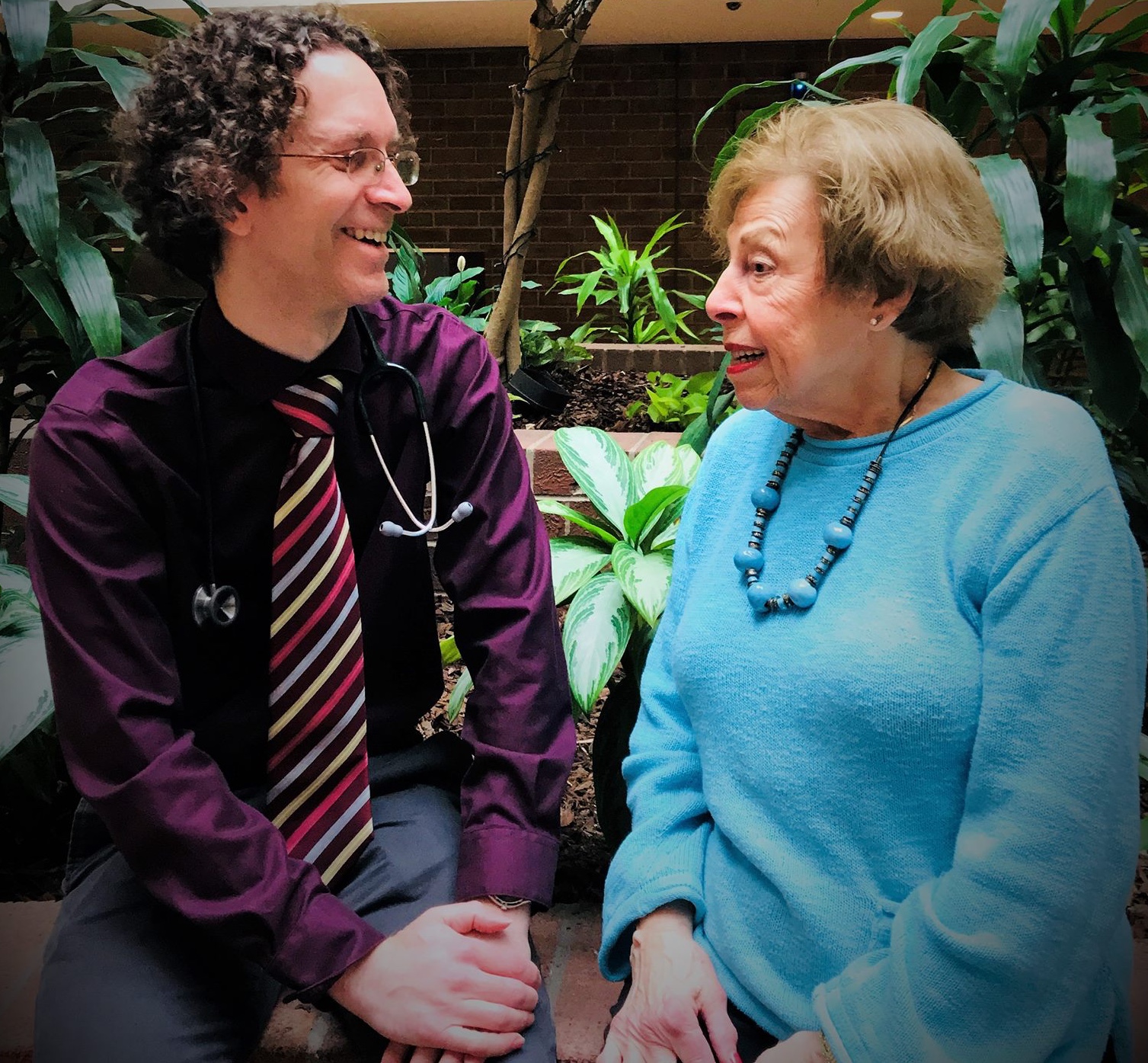
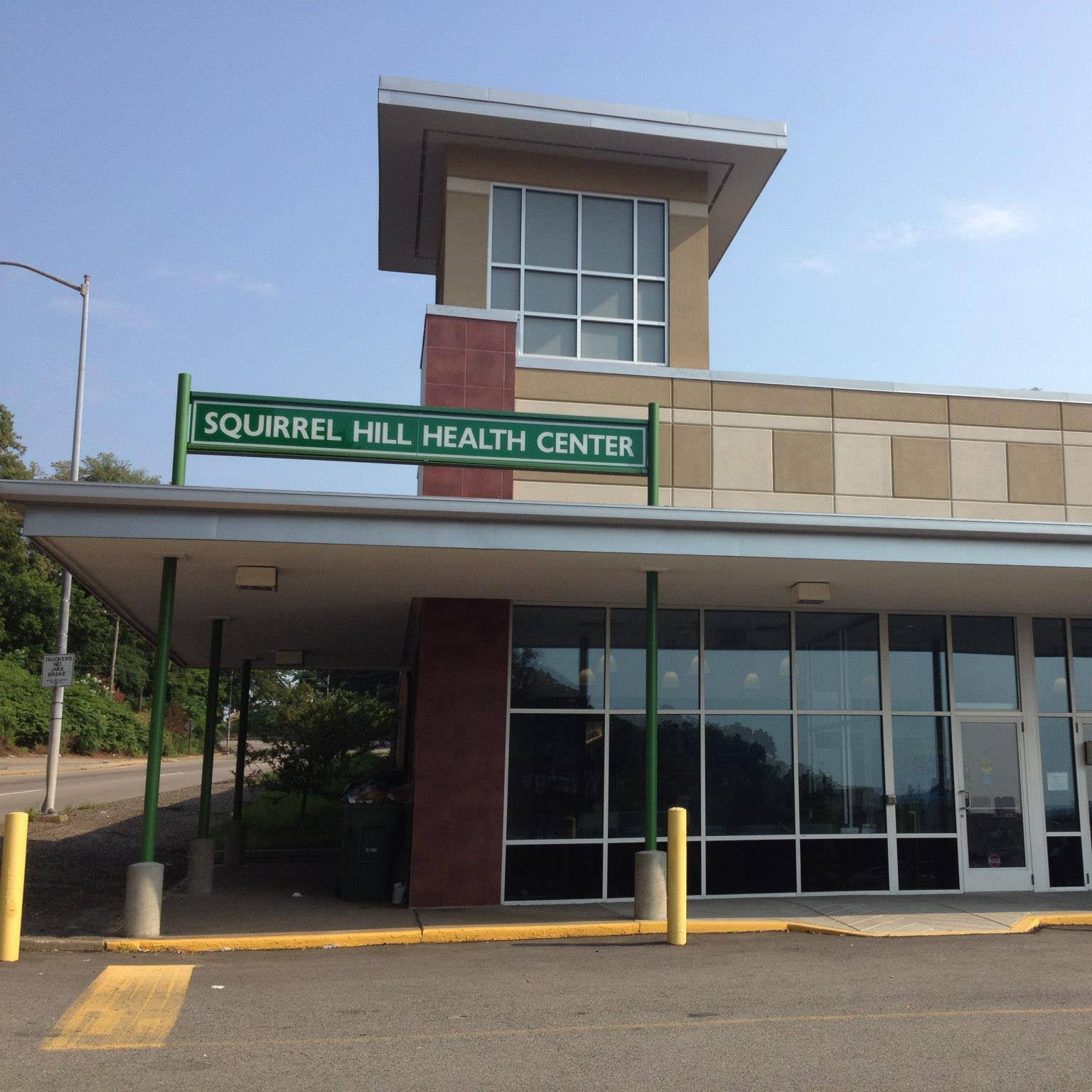
Dr. Weinkle practices primary care medicine at Squirrel Hill Health Center, a federally qualified health clinic in Pittsburgh Pennsylvania. He serves as Clinical Assistant Professor of Pediatrics and Family Medicine at the University of Pittsburgh, where he also attended medical school. He lives with his wife and three sons.
Dr. Weinkle contacted me after reading my review of a book by Dr. Danielle Ofri. He asked if I would consider reading and reviewing his book also. I agreed, and he provided a complimentary PDF copy.
That was 2 years ago. Little did we know or imagine how different medicine, and everything else in our world would be by late 2020. In a blog post, Dr. Weinkle reflected on how the SARS-CoV-2 pandemic has changed his approach to his medical practice and to his faith.
Two years ago that doctor (himself) had just published a new book about listening to people, finding the person within the patient, and overcoming systems and stigmata to provide them with kind, respectful, compassionate and excellent care. That doctor had no idea that over the next two years, the world would fall apart again, and again, and again. That doctor has changed, because he is exhausted.
Unfortunately, that’s how most of the world is feeling these days, and how a lot of the people I care for feel much of the time. Shocked and confused. “Why me?” God created a universe, and it is going to pieces around me. God gave me a body and it’s going to pieces on me.
Dr. Weinkle
Why our healthcare system is broken
In the book, he identifies the EHR -electronic health record, as part of the problem, because it doesn’t allow him to express himself the way he would like. He prefers to
open a patient’s (paper) chart,(so it) tells me a story about the patient much like he might tell himself, almost as if I am reading a medical memoir
Although he calls this book a “how to”- how to restore the sacredness of the doctor-patient relationship– it also reads like the “medical memoir” he prefers for a patient. It’s his memoir, a telling of his journey from a medical student entering the “adventure” of medicine to a graduate physician who believes
“Practicing medicine is a privilege, a gift- a sacred trust.
He illustrates several issues plaguing modern medicine using anecdotes about patients from his practice (with details changed to preserve privacy and confidentiality). Our current medical system sabotages healing by
Fractured communication
Muddled priorities, where paper work takes precedence over patients
Procedures valued over counselling
Volume incentivized over value
Turning humans in pain into consumers, “as if they were buying televisions”
A turning point and lesson learned
A couple of months into medical school, Dr. Weinkle interviewed a distressed patient in acute alcohol withdrawal. He tried to develop empathy for the man as he unraveled his long history of alcohol abuse and explored his reasons for trying to quit.
However,as he proceeded to examine the patient, his empathy evaporated when the man rolled up his sleeve for a blood pressure check- revealing a huge tattoo of a Nazi swastika.
Dr. Weinkle is Jewish.
“I am not a vindictive person, but all I could think was, “Well, it serves him right. This is poetic justice.”
He excused himself, never telling his preceptor how ill it (the tattoo) made him feel, or the malicious thoughts it triggered in his mind.
In HEALING PEOPLE, NOT PATIENTS, Dr. Weinkle explains how he learned to change those kinds of encounters into ones with
Open, honest communication, mutual respect, and shared purpose, even when systemic problems push them into adversarial positions.
But it’s not easy.
even when everyone has the best of intentions, building a covenantal relationship in the current healthcare system is about as easy as building a house on the Carolina coast and not having it destroyed by a hurricane.
A FQHC is the closest thing we in the U.S. have to “socialized medicine.” Dr. Weinkle has worked in one for 10 years. As he describes it, in a FQHC
Anyone who is a stranger to the healthcare system, who has to clear high barriers in order to access care, should be welcomed in and have help knocking down those barriers.
Most doctors concentrate on helping patients manage acute and chronic disease and try to address the major causes of disease and death -smoking, poor eating, lack of exercise, stress, sleep deprivation, substance use, and obesity. But doctors like Dr. Weinkle tackle other challenges , the “social determinants” of health. These include
Inadequate houses or homelessness
Lack of reliable transportatin
Unsafe neighborhoods
Food Deserts, where healthy food is unavailable
Language, ethnic, or cultural differences
Discrimination and/or exclusion
Unemployment, low wages, and/or poverty
Limited education and/or education opportunity
His patient panel consists of people who are
Refugees, who often speak little or no English
Members of ethnic minorities, including African Americans and Hispanics
LGBTQ persons
People who are mentally ill and/or developmentally challenged
People with stigmatizing illnesses, such as HIV/AIDS
People with substance abuse
People who have been incarcerated
Dr. Weinkle feels at home taking care of them because
“I come from a long line of people who have been strangers in a long line of places. We are supposed to understand how it feels to be shut out, demonized, misunderstood, or simply ignored.”
Since I finished residency many years ago, I have had limited experience treating these types of patients, but enough that I understand the challenge, frustration, and sometimes satisfaction of doing so. Non medical professionals may be surprised by Dr. Weinkle’s descriptions of dealing with patients who are often unable or unwilling to cooperate with even basic healthcare steps.
American medical care has transformed in the past 50 years but most of us wish it still worked like in the “good old days. As Dr. Weinkle describes it
most doctors were solo practitioners who did everything, and a patient, especially in a smaller town, could expect care that felt like home. Continuity throughout their life… and accompanying them through old age. Presence wherever and whenever it was needed, in the middle of the night,
Unfortunately, medicine in the 21st century doesn’t look like that because
There are too many different kinds of care,… and too many demands on a doctor’s time to enable this kind of practice ..
Hospital privileges, insurance credentialing,
and the simple fact that doctors have belatedly learned that we can’t work 168-hour weeks and maintain our own health and family relationships
prevent us from being like our favorite docs of yesteryear.
Dr. Weinkle’s practice uses the concept of a “medical home”, often called the patient centered medical home, PCMH, which many medical offices are adopting, not just FQHC. But it is especially important with patient groups like the ones he and his colleagues care for.
He takes it one step further, writing we need more than medical homes, we need medical communities, where doctors work closely with their local hospitals, ERs, pharmacies, and schools to address patients’ needs.
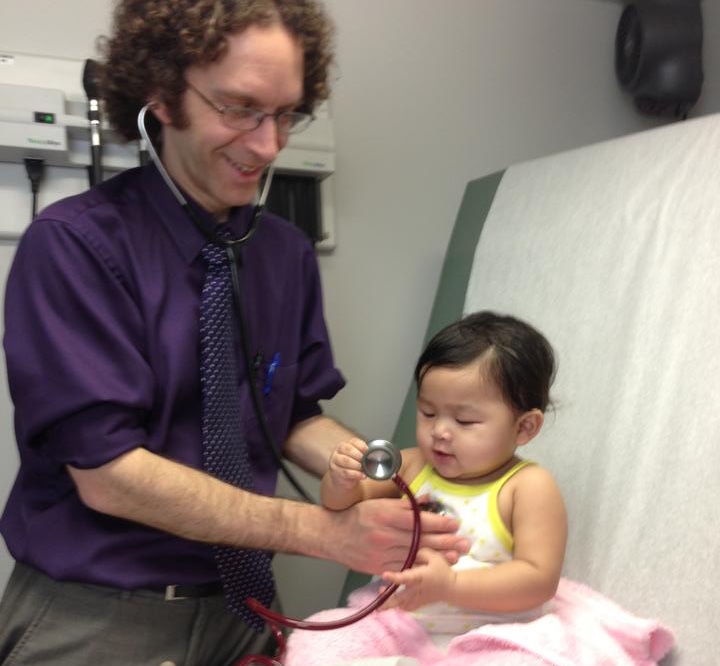
Dr. Weinkle’s baby girl patient seems to be enjoying her visit. Photo by the girl’s father, used here by permission. When posted on Facebook, this photo received 4000 likes in one week.
Promoting health behavior change without insulting or scaring patients, by learning what obstacles they face and helping to resolve them
Honesty about disease outcomes, especially at the end of life; avoiding futile care, and recognizing that sometimes death is not a complication but is the ultimate outcome of some illnesses
“Activated patients” determined to get better, to do something about their illnesses, becoming experts on their diagnoses
Doctors and patients valuing and respecting each other’s time and knowledge
Cutting waste- eliminating those things we do in healthcare that don’t add value to care, making it safer or more effective; bureaucratic policies, procedures, and rules that waste both time and money, like prior authorizations, “utilization review”, and 15 minute appointments
Medical education that includes teaching interpersonal skills, with learning objectives given as much importance and time as other medical skills,
Ultimately, Dr. Weinkle wants to see medical care return to being
meetings between two human beings, together forming a covenant to achieve healing
That concept is partially born out of Dr. Weinkle’s Jewish roots discussed in the Appendix- Being a Nice Jewish Doctor
“God forms a covenant—many covenants, actually, sealing the promises with symbols like rainbows (Genesis 9:13), circumcision (Genesis 17:10), and stone tablets engraved with the law (Exodus 24:12).
The essence of the Jewish faith, the place where a Jew’s worth as a person is tested most thoroughly, is in the relationship with God—and the parallel relationship with other human beings made in God’s image. ”
What he sees beyond COVID-19
In the blog post I referenced earlier, Dr. Weinkle sees hope there too.
Two years ago, I approached… from the view that wholeness, completeness, was our natural state,… I believe the opposite now – the world began as chaos, as shock and confusion. The miracle of the universe is that anything beyond that even exists – anything we have is a gift. The comfort I take is that the one thing older …, the thing that hovered over even the unformed universe, was the rucha d’rachamin, divine mercy, and it shines light even before anyone has “let there be light.”
Dr. Weinkle
Why you should read HEALING PEOPLE
Health care professionals will find Dr. Weinkle’s concepts an attractive alternative to “burnout”, an encouragement to remember why we entered the profession in the first place, and a challenge to restore the personal touch that makes medicine truly an art.
Patients will find explanations about why medical care is at times fragmented, uncoordinated, and unproductive, will understand the challenge that their own physicians face in providing effective care, and understand how they can be part of the solution.
The book concludes with an extensive list of Notes listing the references used in each chapter and an exhaustive list of References and Suggested Readings, a few of which I will include below.
Here is a link to Dr. Weinkle’s website where you can read excerpts from the book and find a link to his blog post Winds of Mercy
You may recognize Dr. Weinkle’s practice location as one that made headline news a few years ago.
Squirrel Hill is considered a historic center for Jewish life in Pittsburgh. It is home to more than a quarter of Jewish households in the Pittsburgh-area, according to a Brandeis University study of the Greater Pittsburgh Jewish community.
I had only exchanged one email with Dr. Weinkle so it wasn’t until a few days later that I made the connection. I wrote to him and was relieved to learn he was safe. He had attended a Bat Mitzvah there just the week before the attack. Some of the victims were friends and colleagues.










 watercress words by Dr Aletha